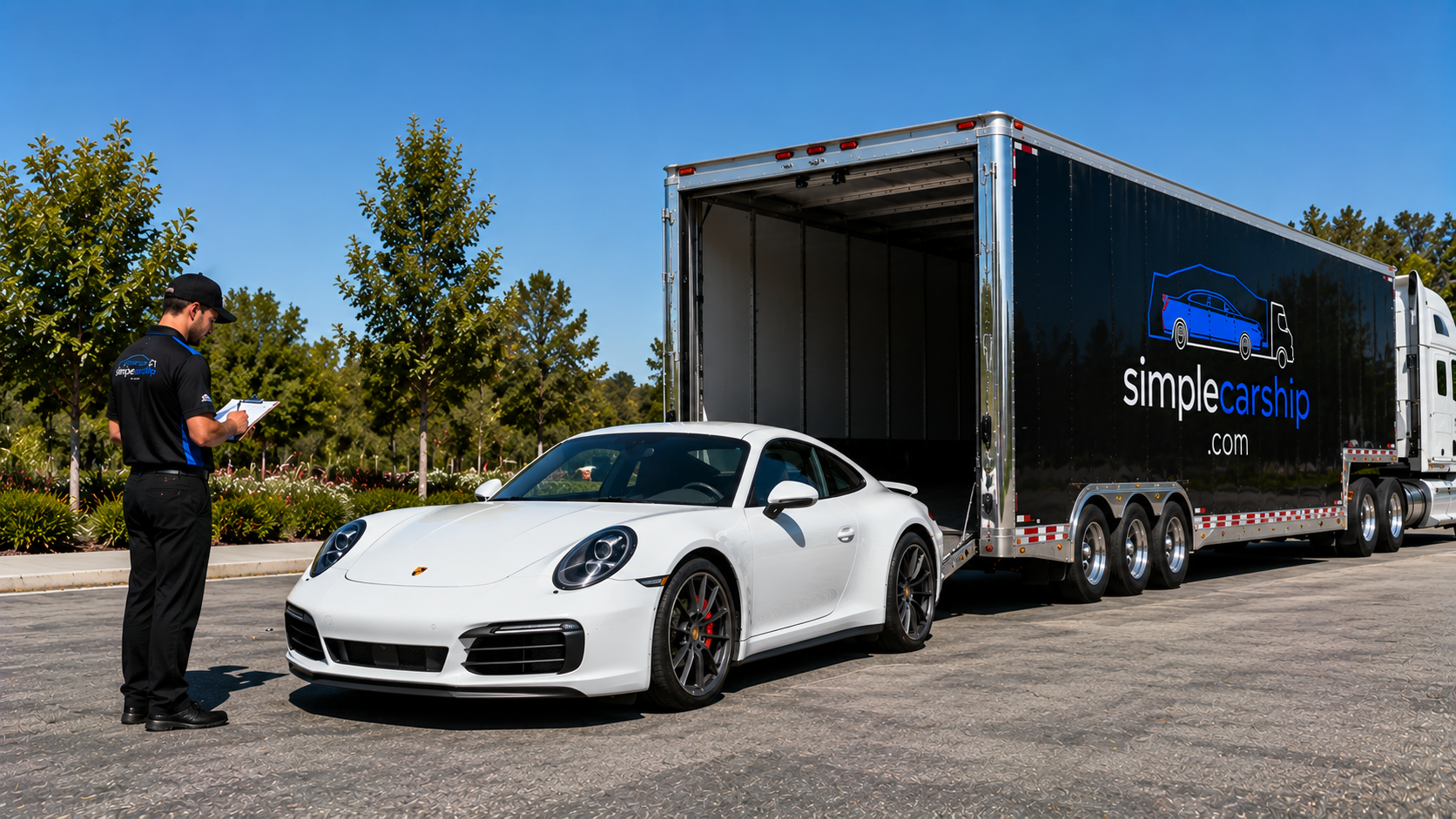
Ship a Car from Washington to Virginia
Moving a vehicle across 2,839 miles from the Pacific Northwest to the Mid-Atlantic requires a carrier who knows the route and a broker you can actually reach. Whether you’re relocating from Seattle to Richmond or sending a second car to Virginia Beach, we coordinate the entire cross-country haul—clear quotes, vetted drivers, and real updates from pickup through delivery.
Ship your car the simple way. No guesswork, no runaround.
Get your instant car shipping price
Real quote in seconds — no spam, no runaround.
How Car Shipping from Washington to Virginia Works
The Washington–Virginia corridor spans 2,839 miles, typically routed east via I-90 through Montana and South Dakota, then I-80 across Nebraska and Iowa, before dropping south on I-81 into Virginia. Carriers usually complete the journey in 5–7 days, though weather in the northern plains or dock congestion around the Beltway can extend transit by a day. Once you confirm your booking, we assign a dispatcher who hand-selects a vetted carrier running your lane; most pickups in Seattle and Tacoma happen within one to three days of your ready date, and delivery windows in Richmond or Virginia Beach are communicated 24 hours out.
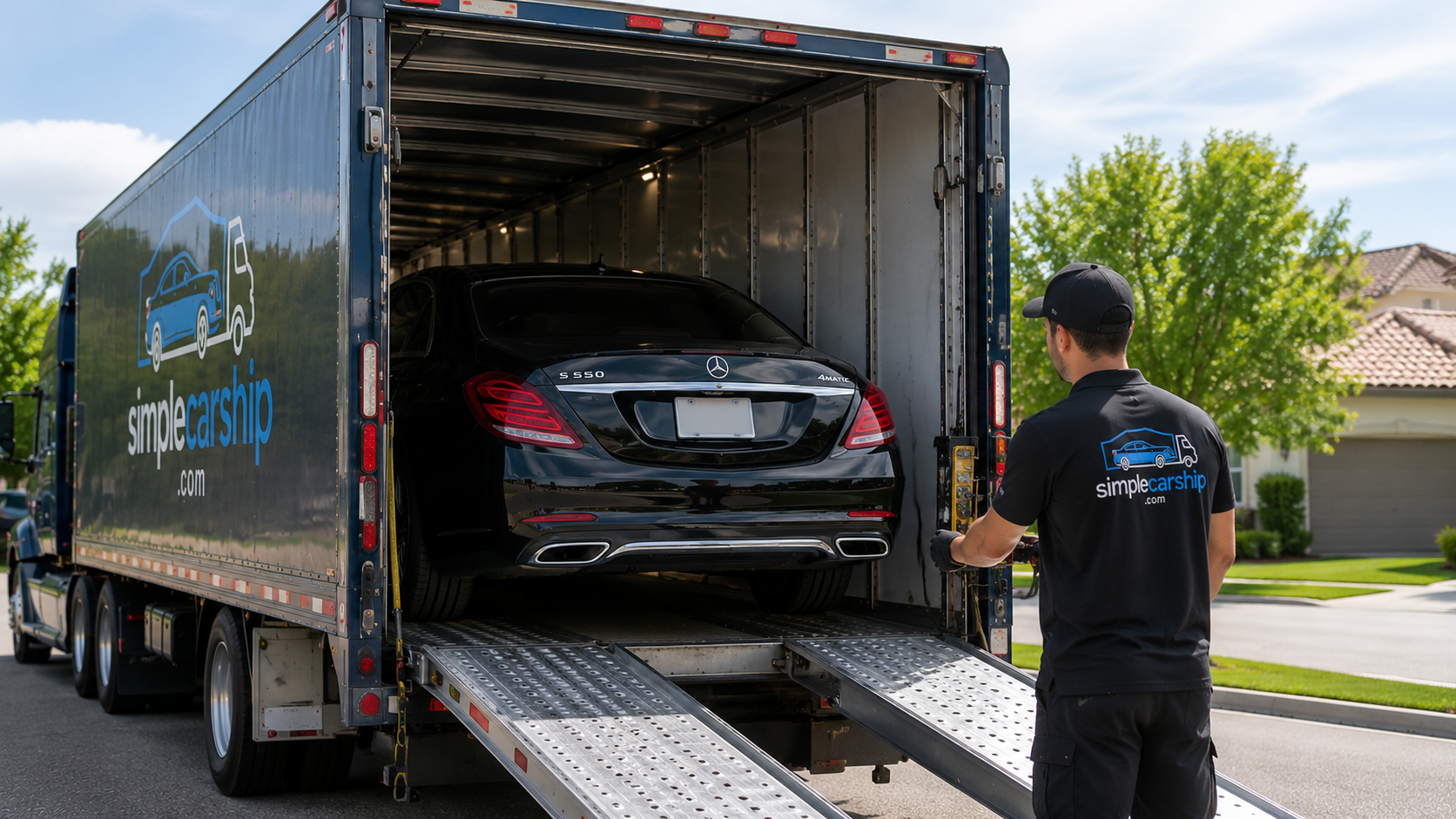
You’ll receive the driver’s contact information before pickup—direct communication means no telephone-tag with a call center. The carrier performs a joint walk-around inspection, photographs existing wear, and loads your vehicle onto an eight- or nine-car hauler. Your shipment isn’t a load number; it’s a specific truck moving on a defined schedule, and you’ll know exactly where it is if you ask.
What It Costs to Ship from Washington to Virginia
Open-carrier transport from Washington to Virginia runs $2,000–$2,435 for a standard sedan, with the range driven by pickup zip code (rural Pierce County costs more than downtown Seattle), vehicle size (a full-size SUV adds $150–$250), and seasonal carrier availability. Enclosed transport—metal walls, no weather exposure—ranges $3,200–$3,895 and is favored for European sport sedans, low-clearance classics, and anything you’d hesitate to park outdoors. If you need delivery within 72 hours of pickup, expedited open service runs approximately $3,261, securing the next available solo or team driver willing to run minimal stops.
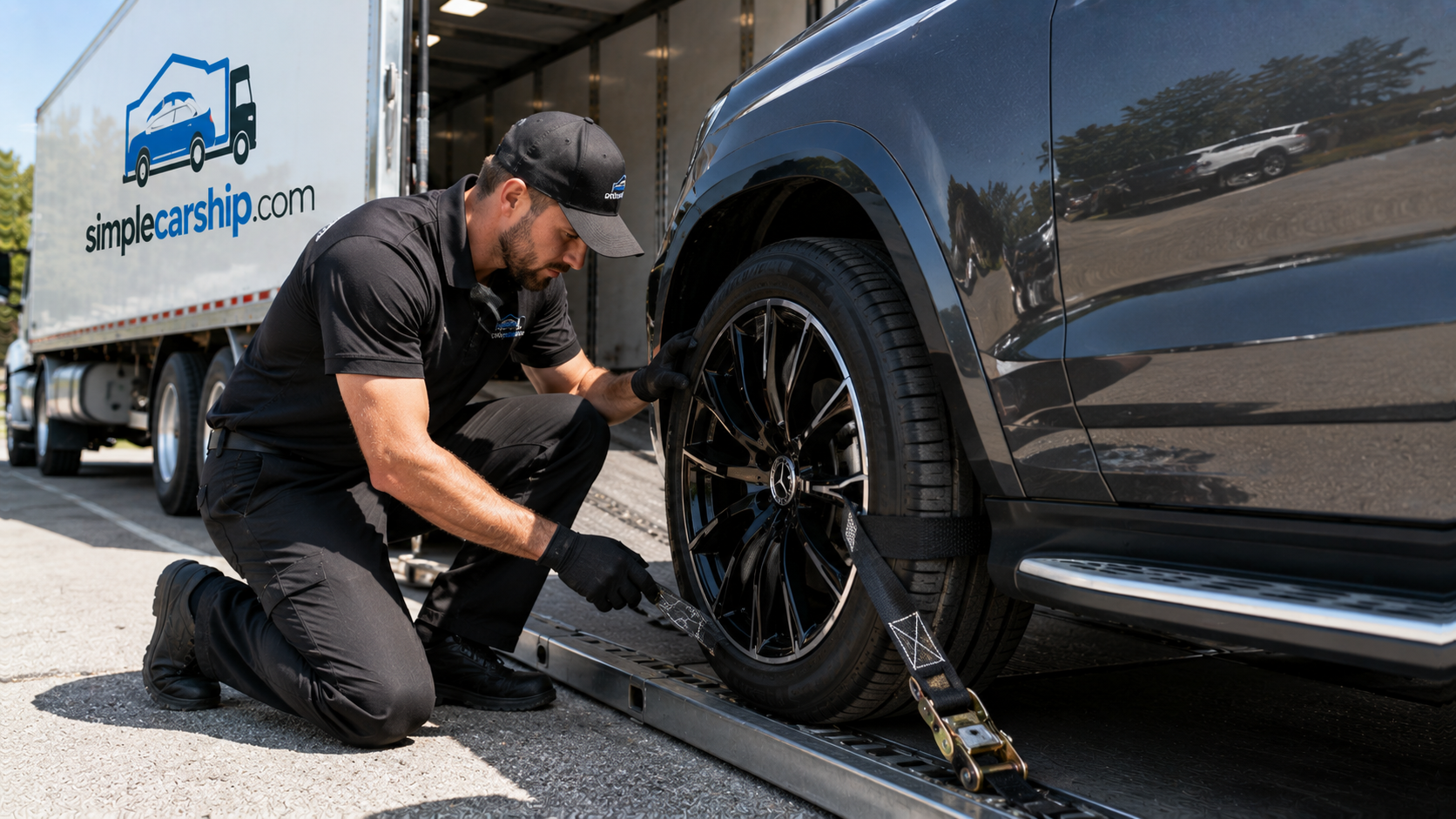
Price rises when you add tail-lift service for non-running vehicles ($150–$200) or request guaranteed enclosed with climate monitoring ($400–$600 premium). Fuel surcharges are baked into our quotes, so the number you see is the number you pay—no invoice surprises at delivery. Booking three weeks ahead typically saves $100–$200 compared to next-week requests, because carriers route their return legs more efficiently when they have lead time.
Open vs. Enclosed Transport for This Route
Open auto transport makes sense for daily drivers, lease returns, and anything you’d drive in a rainstorm; your car rides exposed to weather but arrives clean and undamaged 98+ percent of the time. The 2,839-mile Washington–Virginia run crosses high-desert sage, mountain passes, and humid Mid-Atlantic summer, yet road grime washes off and UV exposure over six days is negligible. Enclosed carriers shield paint from rock chips on I-90 construction zones and prevent road-salt mist if you’re shipping in late autumn, making the $1,200–$1,460 premium worthwhile for collector Porsches, wrapped exotics, or freshly restored muscle cars.
We recommend enclosed if your vehicle’s value exceeds $60,000 or if you cannot tolerate any paint correction after delivery. For everything else—commuter sedans, pickups, family SUVs—open transport delivers the same timeline, the same vetted carriers, and the same real-human communication at a price that reflects the actual cost of moving steel across the country.
Pickup in Washington and Delivery in Virginia
Most Washington shipments originate in Seattle or Tacoma, where I-5 and I-90 intersection gives carriers easy highway access and frequent eastbound loads. If you’re in Spokane, Bellingham, or Olympia, the carrier will often route through Seattle anyway, adding half a day but avoiding rural-pickup surcharges. Terminal pickup—dropping your car at a secured lot near the Port of Tacoma—can shave $75–$100 off door rates and offers flexible drop-off hours if your schedule is tight.
On the Virginia end, Richmond and Virginia Beach anchor most deliveries, both sitting on high-volume I-64 and I-95 lanes that carriers run weekly. Delivery to Norfolk, Chesapeake, or the northern suburbs near Alexandria works seamlessly; carriers notify you 24 hours prior and offer two-hour windows. If your destination is rural Shenandoah or southside tobacco country, expect a $100–$150 final-mile fee and coordinate a meet-point at a truck-friendly gas station—these details get confirmed during booking, not discovered at delivery.
How Simple Car Ship Handles the Washington–Virginia Route
We don’t operate a load board where hundreds of brokers bid your shipment to the cheapest trucker. Instead, a dedicated route coordinator pulls from our vetted carrier network—every driver pre-screened for active FMCSA authority, cargo insurance minimum $1,000,000, and clean inspection history. You receive one quote with transparent line items, one point of contact who answers calls and texts, and one driver assignment with plate number and ETA. Clear quotes, real communication, no bait-and-switch deposits that magically require “fuel adjustments” at pickup.
If weather closes I-90 through Snoqualmie Pass or a mechanical sidelines the truck in South Dakota, your dispatcher reroutes or reassigns before you have to ask. That’s the difference between a broker who cares about Google reviews and a call center overseas reading scripts. Your shipment moves on your timeline, and when it doesn’t, you hear why—and what we’re doing to fix it—within the hour.
| Feature | Open Transport | Enclosed Transport |
|---|---|---|
| Price (WA–VA) | $2,000–$2,435 | $3,200–$3,895 |
| Transit Time | 5–7 days | 5–7 days |
| Protection | Weather-exposed, road debris possible | Fully enclosed, climate-stable |
| Best For | Daily drivers, SUVs, lease returns | Classics, luxury, high-value vehicles |
Ready to move your car from Washington to Virginia without the runaround? Get a transparent quote in 60 seconds—real numbers, real humans, zero hassle.
Frequently Asked Questions: Washington to Virginia Auto Transport
How much does it cost to ship a car from Washington to Virginia?
Open-carrier service from Washington to Virginia costs $2,000–$2,435 for a standard sedan, reflecting the 2,839-mile distance, fuel, and driver hours. Enclosed transport runs $3,200–$3,895, adding weather protection and lower vehicle-per-load density. Expedited open service, guaranteeing pickup within 48 hours, costs approximately $3,261 and prioritizes your shipment on the next available eastbound carrier.
How long does car transport from Washington to Virginia take?
Expect 5–7 days in transit once the carrier loads your vehicle in Seattle or Tacoma. The route follows I-90 east through Montana, then I-80 across the Midwest, and I-81 into Virginia. Winter storms in the northern Rockies or mid-Atlantic ice events can add a day, but carriers communicate delays in real time so you’re never guessing when your car will arrive.
Should I choose open or enclosed transport for this route?
Open transport works for 95 percent of shipments—daily drivers, family SUVs, and anything you’d park outside. The 2,839-mile journey exposes your car to weather, but road grime washes off easily. Enclosed makes sense for vehicles worth over $60,000, classic restorations, or freshly detailed exotics where even minor rock chips justify the $1,200–$1,460 premium for full climate and debris protection.
Can I ship a non-running car from Washington to Virginia?
Yes. Non-running vehicles require a truck with a motorized winch, adding $150–$200 to the base rate. You must disclose the condition during booking so the carrier arrives equipped; surprise mechanical issues at pickup cause delays and may incur re-dispatch fees. As long as the car rolls, steers, and brakes (even if the engine is dead), winch-loading handles the rest safely.
What cities in Washington and Virginia do carriers serve?
Primary Washington pickup hubs are Seattle and Tacoma, both on major interstates with frequent eastbound freight. Spokane, Olympia, and Bellingham are also accessible, sometimes routed through Seattle. In Virginia, Richmond and Virginia Beach anchor deliveries on I-64 and I-95; Norfolk, Chesapeake, and Alexandria follow the same lanes. Rural pickups or deliveries outside metro corridors may incur $75–$150 final-mile fees.