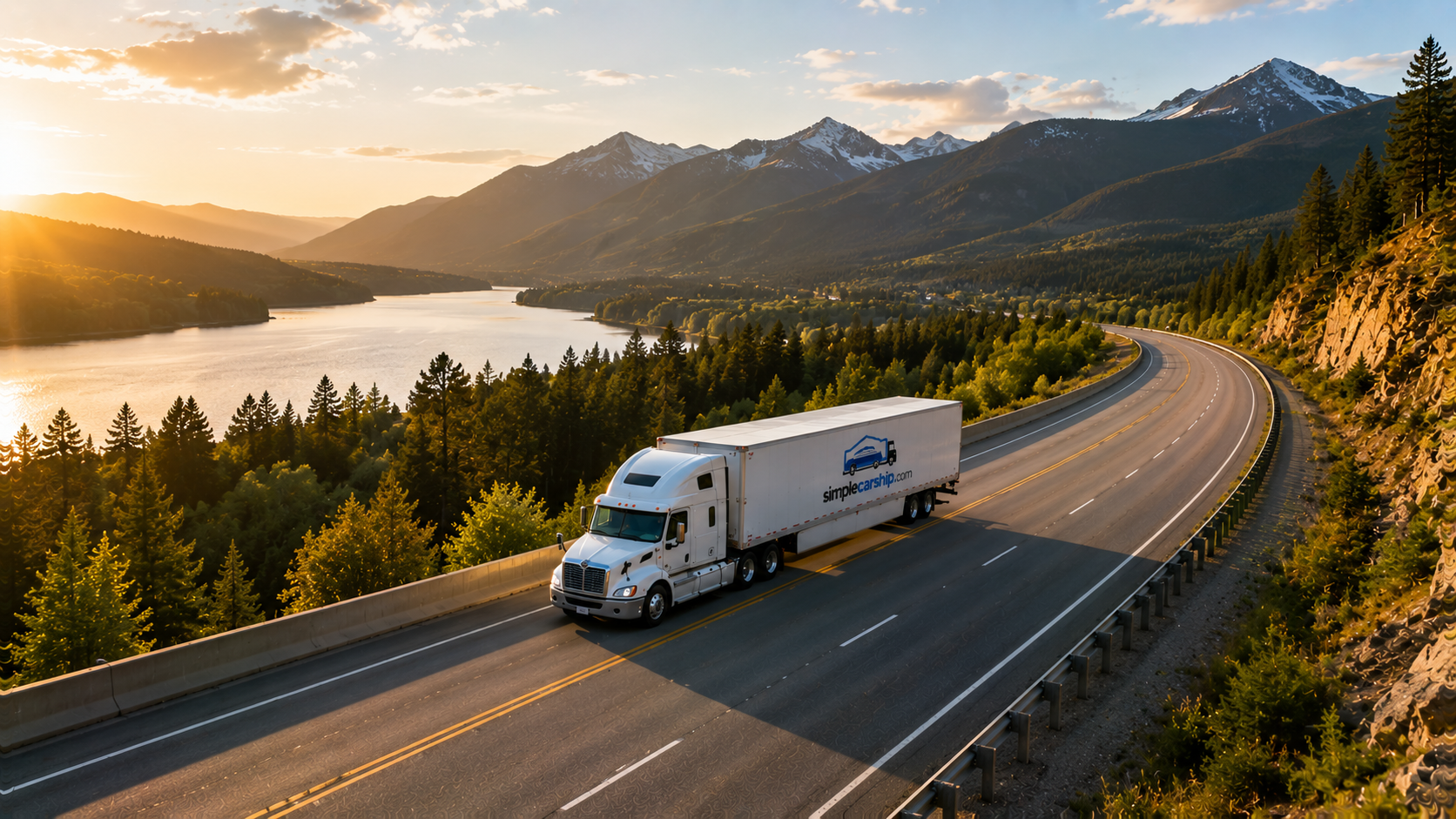
How Much Does It Cost to Ship a Car from Virginia to Washington?
Shipping a car cross-country from Virginia to Washington typically costs between $2,250 and $2,740 for open transport, or $3,600 to $4,385 for enclosed carriers. The final price depends on your pickup and delivery locations, the type of vehicle you’re moving, the season, and how quickly you need it delivered. Over a distance of 2,859 miles, these aren’t arbitrary numbers — they reflect real fuel, driver time, and carrier operating costs for one of the longest domestic routes in the continental U.S.
At Simple Car Ship, we believe you deserve to know exactly what you’re paying for and why. No runaround, no bait-and-price-creep after you’ve committed. Just clear quotes, real communication, and carriers we’d trust with our own vehicles.
Get your instant car shipping price
Real quote in seconds — no spam, no runaround.
What Moves the Price on the Virginia–Washington Route
Distance is the biggest factor: 2,859 miles means your car will spend nearly a week on the road, crossing the Blue Ridge, the Great Plains, the Rockies, and the Cascades. Fuel, tolls, and driver wages add up fast. But mileage alone doesn’t tell the whole story. If you’re shipping from a dense metro area like Virginia Beach to downtown Seattle, carriers can consolidate loads easily, and competition keeps prices in check. Move your pickup to a rural address in southwestern Virginia or request delivery to a smaller town in eastern Washington, and expect to add $150–$350 for the extra miles off the main I-40 and I-90 corridors.
Vehicle size and weight matter, too. A compact sedan fits neatly on a ten-car hauler and costs less to insure and fuel. A three-row SUV or a lifted truck takes up two spaces, burns more diesel per mile, and can push your quote toward the higher end of the range. Seasonal demand also plays a role: late spring and early fall see heavy traffic as people relocate for new jobs or move students to college, and prices can climb by 10–15 percent when capacity gets tight. Winter routes across the northern tier often run cheaper, though mountain weather can add a day or two to transit.
Open vs. Enclosed Transport: Which Makes Sense for Virginia to Washington
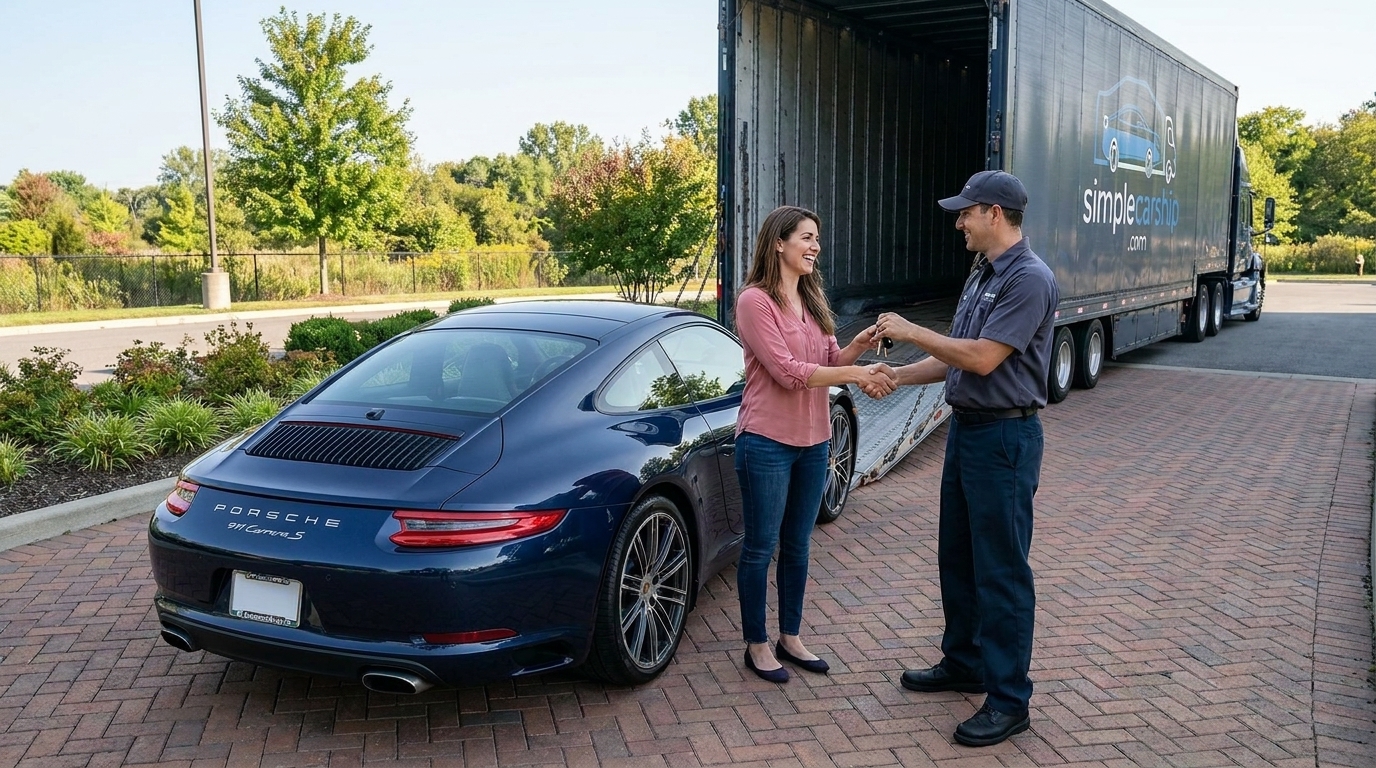
Open transport — the same multi-car haulers you see on the highway — handles the vast majority of cross-country shipments, and for good reason. It’s reliable, widely available, and costs roughly 35–40 percent less than enclosed. For a daily driver, a commuter car, or even a well-maintained family SUV, open is the smart choice. Your vehicle will be exposed to road spray and weather, but professional carriers secure every car carefully, and insurance covers the unlikely event of damage. Over 2,859 miles, the savings of $1,350 to $1,645 (comparing our open and enclosed ranges) often outweigh the minimal added risk.
Enclosed transport makes sense when the vehicle itself justifies the premium. Classic cars, exotic sports cars, luxury sedans with custom paint, or any vehicle worth north of $75,000 benefit from the added protection of four walls and a roof. Enclosed carriers also shield your car from rock chips on long stretches through Montana and Idaho, and from the salt and grime that can cake onto open trailers during wet Pacific Northwest winters. If you’re moving a collector Mustang from Richmond to a Tacoma car show, or relocating a Tesla Plaid that you’d rather not arrive dusty, enclosed is worth every dollar. For everyone else, open is proven, safe, and cost-effective.
Pickup and Delivery Across Two Coasts
Most Virginia pickups happen in or near Richmond and Virginia Beach, where I-64 and I-95 intersect and carriers pass through daily. If you’re in the Tidewater region, scheduling is straightforward — we can often arrange pickup within two to four days of booking. Head west toward Roanoke or Charlottesville, and you’re still on major routes, though pickup windows may stretch by a day. Rural areas in the Shenandoah Valley or southside Virginia require a local truck to bring your car to a transfer point, adding cost and time but never uncertainty — we coordinate every handoff.
On the Washington side, Seattle and Tacoma dominate delivery volume. Both cities sit on I-5, the West Coast’s main artery, and carriers serve them constantly. Delivery is typically door-to-door if your address allows a 70-foot trailer to navigate your street; otherwise, we arrange a safe, nearby meeting point — a grocery-store lot, a park-and-ride, or a truck stop. Spokane and the Columbia Basin require a bit more lead time, but we work those routes regularly. Wherever you are in Washington, we’ll get your car there without the runaround.
Transit Time and What to Expect
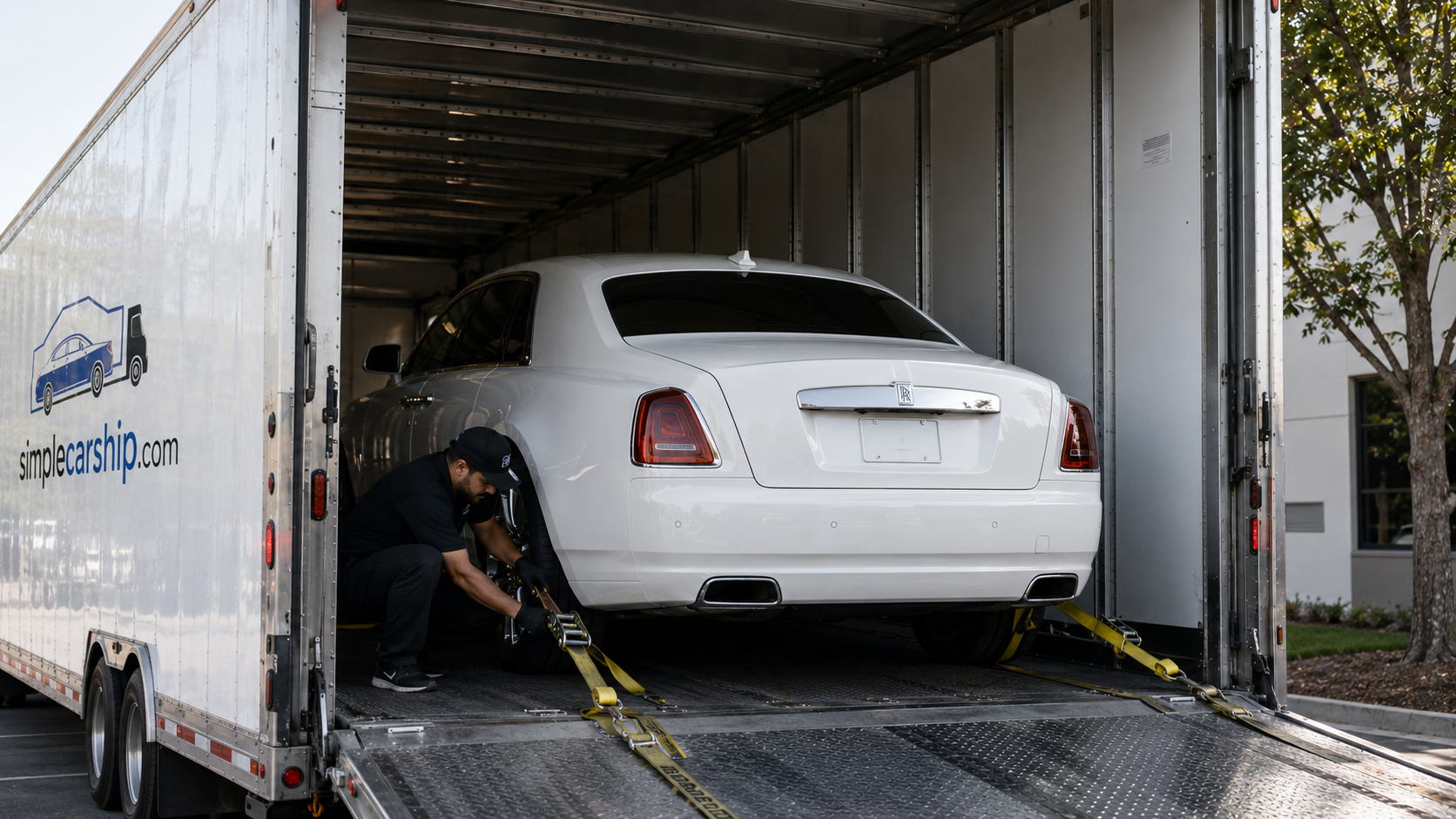
Plan on 5 to 7 days in transit for the Virginia-to-Washington haul. That window reflects real-world driving limits (DOT rules cap drivers at 11 hours per day), fuel stops, rest breaks, and the occasional delay for weather or traffic in mountain passes. Your car doesn’t sit on a lot waiting to fill a truck — most carriers run this route on a rolling schedule, picking up cars along the Eastern Seaboard and delivering them as they push west. You’ll receive the driver’s contact information before pickup, and you can check in anytime. Your shipment isn’t a load number to us; it’s your property, and you deserve to know where it is.
Need it faster? Expedited service can shave a day or two off the timeline and costs around $3,669 for open transport — roughly a 35 percent premium over standard. We only recommend it for true time-sensitive moves: a job start date you can’t push back, a vehicle needed for an event, or a sale closing on a tight deadline. For most relocations, the standard 5–7 day window gives you plenty of breathing room and saves you over a thousand dollars.
| Service | Price Range | Transit | Best For |
|---|---|---|---|
| Open Transport | $2,250–$2,740 | 5–7 days | Daily drivers, SUVs, most vehicles |
| Enclosed Transport | $3,600–$4,385 | 5–7 days | Classics, luxury, exotics, high-value cars |
| Expedited Open | ~$3,669 | 4–5 days | Time-critical relocations |
How Simple Car Ship Handles the Virginia–Washington Route
We’re not a load board that throws your car to the lowest bidder. Every carrier we work with is vetted, insured, and experienced on long-haul cross-country routes. We match your shipment to a driver who’s already running the I-40 or I-90 corridor, which keeps costs honest and transit predictable. You’ll get a firm quote up front — no hidden fees, no price creep when the truck arrives. If your delivery date shifts or the driver hits weather in the Rockies, we’ll call you before you have to call us. Real human support, from quote to delivery.
When you’re handing over the keys to a vehicle worth tens of thousands of dollars, you want to know someone’s paying attention. We are. Ship your car the simple way — honest pricing, clear communication, and no guesswork. Ready to move your car from Virginia to Washington? Get your quote now and let’s get it scheduled.
Frequently Asked Questions: Shipping a Car from Virginia to Washington
How much does it cost to ship a car from Virginia to Washington?
Open transport typically runs $2,250 to $2,740 for the 2,859-mile route, while enclosed service costs $3,600 to $4,385. Prices vary based on your exact pickup and delivery addresses, vehicle size, and season. Expedited open transport averages around $3,669 if you need faster delivery.
How long does it take to ship a car from Virginia to Washington?
Expect 5 to 7 days in transit. The route covers 2,859 miles across multiple time zones and mountain ranges, and DOT regulations limit drivers to 11 hours per day. Expedited service can reduce the window to 4–5 days for an additional premium.
Should I choose open or enclosed transport for this route?
Open transport works well for most vehicles and costs 35–40 percent less. Enclosed is worth the premium for classics, luxury cars, or anything valued over $75,000, protecting against road spray and weather across nearly 3,000 miles of highway and mountain passes.
What cities in Virginia and Washington do carriers serve most often?
In Virginia, Richmond and Virginia Beach see the highest volume due to their proximity to I-95 and I-64. In Washington, Seattle and Tacoma dominate, sitting on the I-5 corridor. Smaller towns are served with local coordination and may add minor cost or time.
Can I track my car during the Virginia-to-Washington shipment?
Yes. You’ll receive the driver’s direct contact information before pickup, and you’re welcome to check in anytime. We also proactively update you if weather, traffic, or scheduling changes affect your 5–7 day delivery window across the 2,859-mile journey.