Washington to Arizona: live carrier pricing
| Open transport (most vehicles) | $1,590 – $1,935 |
| Enclosed transport | $2,540 – $3,095 |
| Lane distance | 1,426 miles |
| Typical transit | 2–4 days |
Quoted from our carrier network on September 29, 2026 for a standard operable car, door to door.
Auto transport is a live market, so your exact price depends on vehicle size, timing and current truck availability on this lane.
How Much Does It Cost to Ship a Car from Washington to Arizona?
Shipping a car from Washington to Arizona typically costs between $1,110 and $1,350 for open transport, or $1,775 to $2,160 for enclosed carrier service across the 1,426-mile route. The price you pay depends on your transport type, vehicle size, pickup flexibility, and current carrier availability along the Seattle-Phoenix corridor.
Ship your car the simple way. Clear quotes. Real communication. No guesswork, no runaround.
Get your instant car shipping price
Real quote in seconds. Enter your details and we’ll show your price instantly.
No spam — we only use this to send your quote and confirm your booking.
What Determines the Cost to Ship Your Car from Washington to Arizona
The base price reflects the 1,426-mile highway distance from Seattle and Tacoma down through Oregon and into Phoenix or Tucson. Open transport on this route runs $1,110–$1,350 because it’s a heavily traveled corridor with consistent carrier availability. Enclosed transport costs $1,775–$2,160, reflecting the specialized equipment and limited capacity. Vehicle size matters — a compact sedan sits at the lower end, while a full-size truck or SUV with higher weight and deck space usage pushes toward the upper range. If you need expedited service with guaranteed two-day pickup, expect around $1,808 for open transport.
Pickup and delivery flexibility also move the needle. Terminal-to-terminal service (you drop off and pick up at carrier yards) costs less than door-to-door, but most customers shipping between metro areas like Seattle and Phoenix choose door-to-door for the convenience. Seasonal demand is relatively stable on this route year-round, unlike snowbird corridors that spike in spring and fall. Current fuel prices and carrier schedules create week-to-week variation within the quoted ranges, which is why real-time quotes matter more than stale online calculators.
Open vs. Enclosed Transport: Which Makes Sense for the Washington–Arizona Route
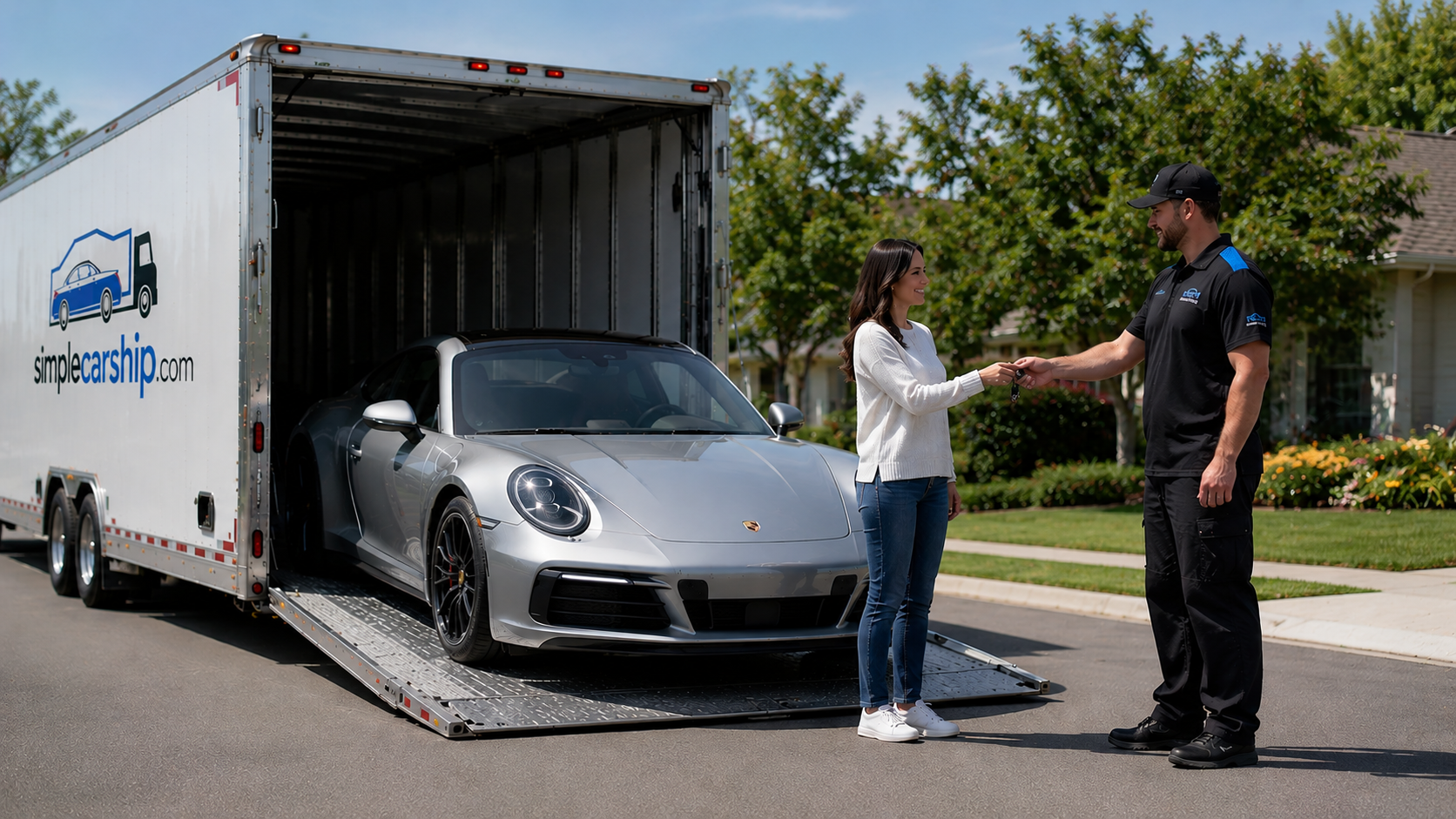
Open transport handles the majority of Washington-to-Arizona shipments. Your car rides on a multi-level trailer exposed to weather, the same way dealerships move inventory nationwide. For daily drivers, commuter vehicles, and most sedans or SUVs, open transport is the practical choice — it costs 35–40% less and carriers run this route frequently, often achieving the 2–4 day transit window without delays. The I-5 to I-10 corridor sees steady traffic, so your vehicle shares space with other cars heading south, splitting the cost efficiently.
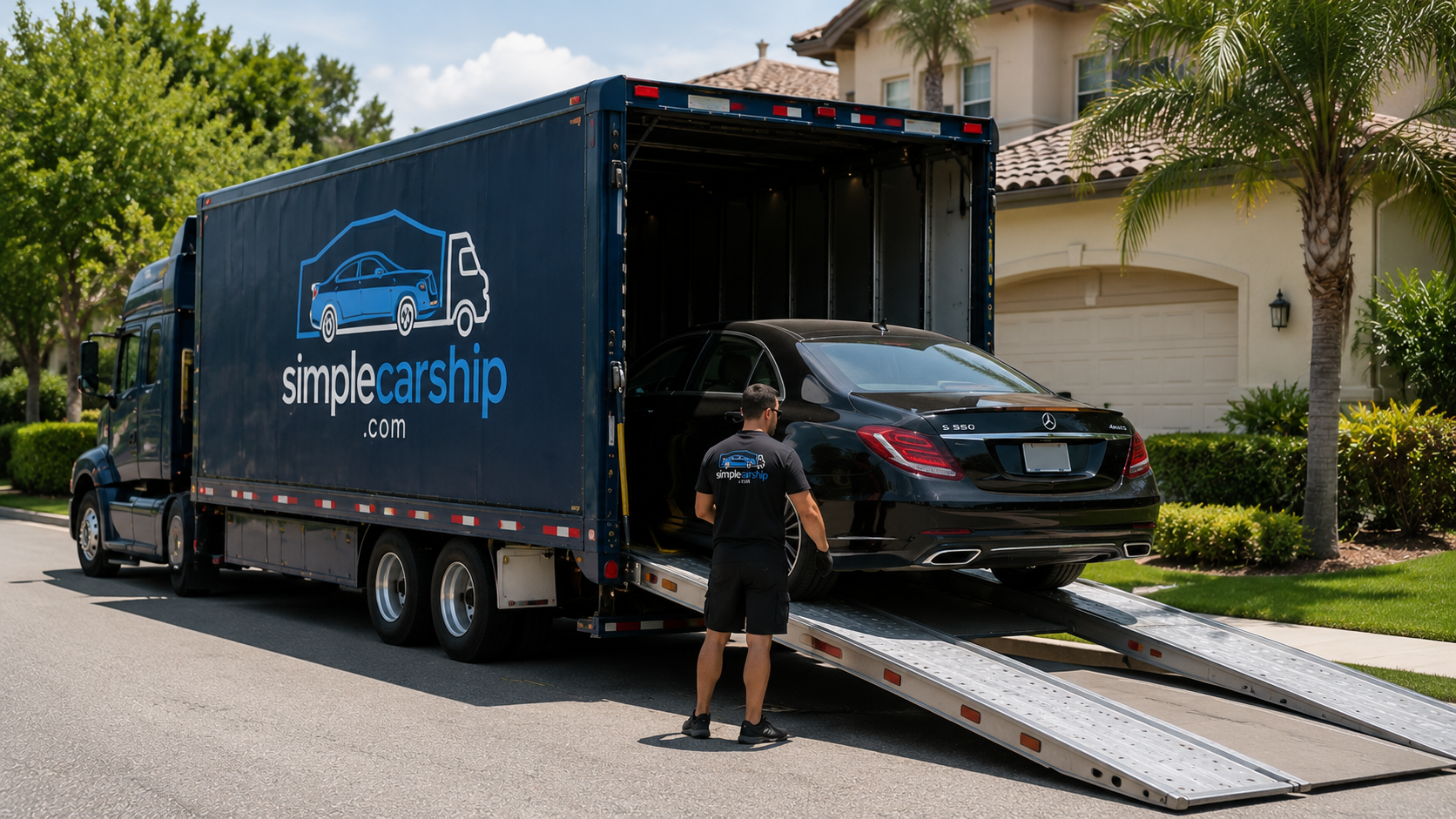
Enclosed transport makes sense for high-value vehicles, classics, luxury cars, or anything where paint condition and total protection justify the premium. The enclosed trailer shields your car from road debris, rain through Oregon, and desert dust approaching Arizona. Collectors shipping vintage muscle cars or owners moving a new Tesla or Porsche typically choose enclosed. It’s not about the route being harsh — it’s about the value of what you’re shipping and your tolerance for minor road grime that open transport might allow.
| Factor | Open Transport | Enclosed Transport |
|---|---|---|
| Price Range | $1,110–$1,350 | $1,775–$2,160 |
| Transit Time | 2–4 days | 2–4 days |
| Protection | Weather-exposed, industry-standard | Fully enclosed, shielded from elements |
| Best For | Daily drivers, commuter vehicles, most sedans/SUVs | Luxury, classic, high-value, or collector cars |
How the Process Works from Pickup in Washington to Delivery in Arizona
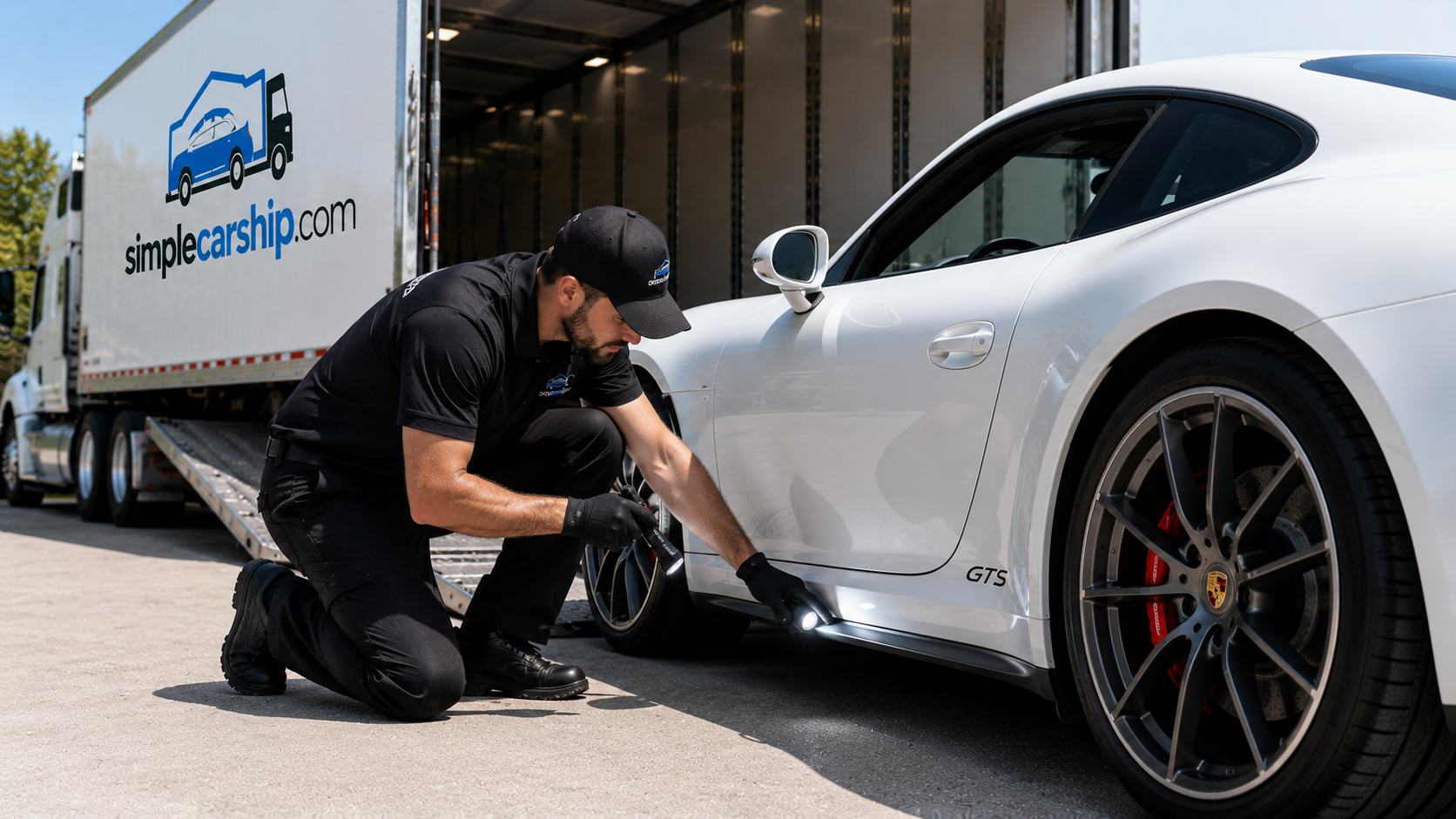
Most pickups happen in the Seattle or Tacoma metro areas, where carriers can access your location directly or arrange a nearby meeting point if your street isn’t truck-accessible. The driver inspects your vehicle with you, documents existing condition with photos and a bill of lading, and loads it onto the trailer. From there, the route runs south on I-5 through Portland, cuts east and south through Oregon and into California or Nevada, then follows I-10 or regional highways into Arizona. Transit takes 2–4 days depending on the carrier’s other stops and whether you’re first or last on the load.
Delivery occurs in Phoenix, Tucson, or surrounding areas. The driver contacts you with a delivery window, typically a few hours’ notice, and you meet for unloading and final inspection. You sign off on the condition report, noting any changes (rare, but documented if present), and the shipment is complete. Your car isn’t a load number with us — you get the driver’s direct contact once dispatched, and our team tracks progress so you’re never guessing where your vehicle is on a 1,426-mile journey.
Timing Your Shipment and What to Expect
The 2–4 day transit window reflects highway time plus any intermediate pickups or deliveries the carrier handles along the route. If your car is the only Seattle-to-Phoenix vehicle on the trailer, you’ll land closer to two days. If the carrier is filling a load with multiple stops through Oregon or Northern California, four days is realistic. Booking early — at least a week ahead for standard service — gives carriers time to route you efficiently. Last-minute shipments (2–3 days’ notice) are possible but may cost more or push you toward the expedited tier at $1,808.
Weather rarely disrupts this route. Summer heat in Arizona doesn’t stop carriers; winter snow in Washington’s mountain passes can occasionally delay departure by a day if conditions close I-90 or other crossings, but the I-5 corridor itself stays open year-round. Unlike Midwest-to-Florida snowbird routes, Washington-to-Arizona doesn’t see seasonal price spikes or capacity crunches, making it a predictable route any time of year.
How Simple Car Ship Handles Your Washington–Arizona Move
We don’t operate like typical brokers who post your car to a load board and hope for the lowest bid. Every carrier we work with is hand-selected, vetted for safety records and communication standards, and matched to your route. You get a clear quote using the real numbers for this corridor — $1,110–$1,350 open, $1,775–$2,160 enclosed — with no surprise fees at delivery. Once dispatched, you receive the driver’s name and number, the truck details, and a timeline you can count on.
Real human support means you can call or text with questions and get answers from someone who knows your shipment, not a script-reading call center. We handle the coordination with the carrier, track progress, and step in if anything changes. If you’re moving for work, relocating seasonally, or need to ship a luxury vehicle, the process stays the same: transparent, direct, and built around the fact that you’re trusting us with something valuable. If you’re also considering routes from neighboring states, compare options like shipping from Oregon to Arizona or Washington to California to see how distances and pricing shift.
Ready to move your car? Get a real-time quote based on current carrier availability and your specific pickup and delivery locations. No runaround, no pressure — just the information you need to make the call.
Frequently Asked Questions: Shipping a Car from Washington to Arizona
How much does it cost to ship a car from Washington to Arizona?
Open transport costs between $1,110 and $1,350 for the 1,426-mile route, while enclosed transport runs $1,775 to $2,160. Your final price depends on vehicle size, transport type, pickup flexibility, and current carrier availability along the Seattle-Phoenix corridor.
How long does it take to ship a car from Washington to Arizona?
Transit takes 2–4 days depending on the carrier’s route and how many other vehicles share the load. A dedicated run from Seattle to Phoenix can complete in two days, while multi-stop routes may reach four days. Booking early improves scheduling predictability.
Is open or enclosed transport better for Washington to Arizona?
Open transport suits most daily drivers and standard vehicles at $1,110–$1,350, offering frequent carrier availability on this high-traffic route. Enclosed transport at $1,775–$2,160 is worth it for luxury, classic, or high-value cars where full weather protection justifies the premium cost.
What cities in Washington and Arizona do carriers serve?
Most pickups happen in Seattle and Tacoma, with carriers accessing surrounding suburbs and nearby towns. Deliveries concentrate in Phoenix and Tucson, though carriers also serve Scottsdale, Mesa, Tempe, and other metro areas. Rural pickups or deliveries may require a meeting point near a highway.
Can I ship personal items inside my car from Washington to Arizona?
Most carriers allow up to 100 pounds in the trunk, below window level, since carrier insurance covers the vehicle only, not contents. Avoid valuables, keep items secure, and confirm the policy with your specific carrier at booking. Overloading can violate DOT weight limits.