How Much Does It Cost to Ship a Car from Arizona to Virginia?
Shipping a car 2,253 miles from Arizona to Virginia typically costs between $2,065 and $2,515 for open transport, while enclosed carriers run $3,305 to $4,025. Those ranges reflect standard door-to-door service with four to six days in transit. What you’ll actually pay depends on your vehicle’s size, the season, current carrier availability along the I-40 corridor, and how flexible you are with pickup timing. Below, we break down the real numbers and what drives them—so you can plan your budget and book with confidence.
Get your instant car shipping price
Real quote in seconds — no spam, no runaround.
What Drives the Price for Arizona–Virginia Auto Transport
Distance is the foundation: hauling a sedan from Phoenix to Richmond covers more than two thousand miles of fuel, tolls, and driver hours. But mileage alone doesn’t set the final quote. Vehicle dimensions matter because carriers price by deck space—a lifted pickup or three-row SUV claims room that could fit a compact car, so expect a $150–$250 premium over a standard sedan. Seasonal demand swings prices, too; spring and fall see higher volumes as snowbirds relocate and students move for college, tightening carrier capacity and nudging rates upward by ten to fifteen percent. Winter and late summer often bring softer pricing when fewer people move.
Pickup and delivery flexibility is the lever you control. Choosing “first available” dates and meeting the carrier at a major metro like Tucson or Virginia Beach keeps your quote at the low end of the range. Requesting a specific three-day window or residential pickup on a rural road adds scheduling complexity—and usually $100–$200—because the driver must detour off the main interstate routes. If timing is tight, expedited open transport runs around $3,368 and prioritizes your vehicle for the next available truck, cutting a day or two from standard transit. Enclosed service always costs more—roughly sixty percent above open rates—because those trailers carry fewer cars and cater to collectors, luxury owners, and anyone who wants maximum protection from road spray and weather across five states.
Open vs. Enclosed Transport: Which Makes Sense for This Route
Open auto transport is the industry workhorse and the right fit for most Arizona-to-Virginia shipments. Your car rides on a double-deck trailer alongside seven or eight others, exposed to wind and weather but secured with wheel straps and monitored by professional drivers who’ve logged millions of miles on I-40, I-81, and I-64. It’s safe, ubiquitous, and priced to match everyday budgets—$2,065 to $2,515 means you’re paying roughly 92¢ to $1.12 per mile for door-to-door service. Daily-driver sedans, trucks, and SUVs ship open without issue; hail and road debris are rare, and any cosmetic dust washes off on arrival.
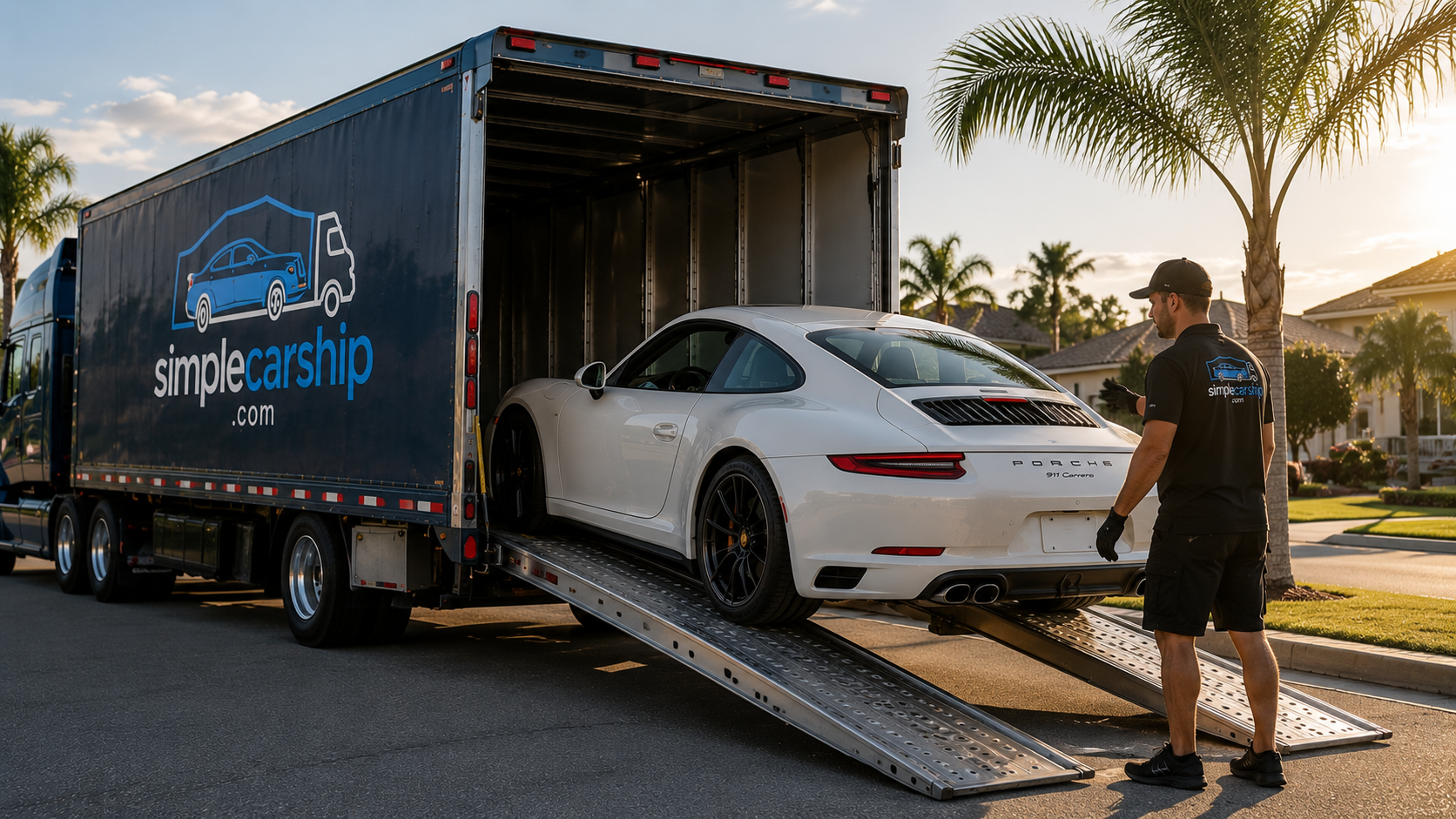
Enclosed transport seals your vehicle inside a hard-sided or soft-sided trailer, shielding paint, glass, and trim from interstate grit, desert dust storms leaving Arizona, and spring pollen drifting through the Shenandoah Valley. It’s the smart call for classic cars, exotic sports models, luxury sedans with delicate finishes, and any vehicle where a single rock chip would sting. The $3,305–$4,025 range buys you fewer vehicles per load—typically two to four—and white-glove handling from specialists who understand high-value cargo. If your car has sentimental or collector value exceeding $50,000, or if it sits low enough to scrape a standard ramp, enclosed is worth every extra dollar.
| Feature | Open Transport | Enclosed Transport |
|---|---|---|
| Price (AZ–VA) | $2,065–$2,515 | $3,305–$4,025 |
| Transit Time | 4–6 days | 4–6 days |
| Protection Level | Weather-exposed, fully insured | Enclosed trailer, premium insurance |
| Best For | Daily drivers, trucks, standard SUVs | Classics, luxury, exotics, low-clearance sports cars |
Pickup in Arizona, Delivery in Virginia: How the Logistics Work
Most Arizona shipments originate in the Phoenix or Tucson metro areas, where I-10 and I-17 funnel long-haul carriers through the state. If you’re in Scottsdale, Tempe, Mesa, or anywhere inside the Valley, the driver will typically pick up at your driveway or office parking lot at no extra charge. Tucson enjoys similar convenience thanks to its position on the I-10 corridor linking California and Texas traffic. Outside those metros—think Flagstaff, Sedona, or Yuma—you may be asked to meet the truck at a nearby truck stop or shopping-center lot; rural surcharges run $75–$150 when the detour adds significant miles off the interstate.
On the Virginia end, Richmond and Virginia Beach anchor most deliveries. Richmond sits at the I-95 and I-64 interchange, making it a natural hub for carriers running the eastern seaboard. Virginia Beach, Norfolk, and the wider Hampton Roads region see steady auto-transport volume thanks to military relocations and port activity. If you’re in Charlottesville, Roanoke, or the Shenandoah Valley, delivery is still straightforward—I-81 runs the spine of western Virginia—but expect the carrier to coordinate a meeting point or add a modest fee for the last-mile detour. Wherever you land, the driver will call twelve to twenty-four hours before arrival so you can inspect the vehicle, sign the bill of lading, and hand over any balance due (most customers pay the remainder in cash or with a card-processing app at delivery).
Transit Time and When to Book
Standard Arizona-to-Virginia transport takes four to six days once your car is loaded. The first truck available might pick up within one to three days of booking during normal seasons; spring and fall moves can stretch lead time to four or five days as college students, military families, and seasonal migrants flood the market. Carriers follow the southern transcontinental path—I-10 east through New Mexico and Texas, then I-20 or I-40 into the Southeast, finally I-81 or I-64 north into Virginia—pausing only for federally mandated rest breaks and occasional fuel stops. Weather rarely delays this route; summer monsoons in Arizona are brief, and Virginia’s winter snow typically stays north of the I-64 corridor.
Booking two weeks ahead gives you the widest carrier selection and locks in the lower end of the price range. Last-minute orders—inside seventy-two hours—force dispatchers to hunt for a truck with an open slot, and you’ll pay a $200–$400 rush premium or opt for the $3,368 expedited rate if you need guaranteed faster pickup. If your timeline is firm—say, you’ve already booked your own flight or started a new job in Richmond—communicate that date when you request the quote, and consider paying the expedited fee to eliminate guesswork. Flexibility saves money; urgency costs it.
How Simple Car Ship Handles Your Arizona–Virginia Move
We don’t operate a dispatch call center that juggles hundreds of loads and forgets your name. When you book with Simple Car Ship, one logistics coordinator owns your shipment from quote to delivery, hand-selecting a carrier from our vetted network of licensed, insured truckers who run the Arizona–Virginia lane weekly. You’ll receive the driver’s name and cell number before pickup, and that same driver will call you directly to confirm timing—no game of telephone, no surprises. Your shipment isn’t a load number; it’s a car you care about, and we treat it that way.
Every carrier we assign holds active FMCSA authority and carries a minimum of $1,000,000 in cargo insurance, covering your vehicle in the unlikely event of an accident. We skip the bottom-bidder brokers who post your order on public load boards and hope someone decent responds. Instead, we match your car with a driver who has track record, equipment in good repair, and a reputation we’ve verified through years of repeat partnership. Clear quotes, real communication, no runaround. You’ll know the price up front—no hidden fuel surcharges at delivery—and you’ll have a human to call or text whenever a question comes up. Ship your car the simple way, and experience what transparent auto transport actually feels like.
Ready to move forward? Get your free, no-obligation quote now and see the real numbers for your specific vehicle and dates. It takes ninety seconds, and you’ll have a detailed estimate in your inbox before lunch.
Frequently Asked Questions: Shipping a Car from Arizona to Virginia
How much does it cost to ship a car from Arizona to Virginia?
Open transport typically runs $2,065 to $2,515 for the 2,253-mile haul, while enclosed carriers charge $3,305 to $4,025. Final pricing depends on your vehicle’s size, the season, current carrier availability, and how flexible your pickup window is. Expedited open service costs around $3,368 if you need faster scheduling.
How long does Arizona to Virginia car shipping take?
Expect four to six days in transit once the carrier loads your vehicle. Pickup usually happens one to three days after booking during off-peak periods; spring and fall demand can extend lead time to four or five days. Expedited service can shave a day or two by prioritizing your car for the next available truck.
Should I choose open or enclosed transport for this route?
Daily-driver sedans, trucks, and SUVs ship safely on open trailers at $2,065–$2,515. Choose enclosed transport—$3,305 to $4,025—if you’re moving a classic, luxury, exotic, or low-clearance sports car where paint protection and climate control justify the sixty-percent premium. Both options are fully insured and take the same four-to-six-day transit window.
What cities in Arizona and Virginia do carriers serve?
Phoenix and Tucson anchor Arizona pickups, offering door-to-door service at no surcharge thanks to their positions on I-10 and I-17. In Virginia, Richmond and Virginia Beach handle most deliveries; carriers also serve Charlottesville, Roanoke, and the I-81 corridor, sometimes requesting a nearby meeting point for rural addresses outside major metros.
When should I book to get the best price?
Booking two weeks ahead gives dispatchers time to match you with a carrier running the Arizona–Virginia lane at standard rates. Orders placed inside seventy-two hours trigger rush fees of $200–$400 or require the $3,368 expedited option. Spring and fall demand can push prices up ten to fifteen percent; winter and late summer often bring softer pricing.
Related Auto Transport Resources
If you’re moving a collector vehicle, read our guide on shipping a classic car to understand enclosed-trailer options and specialty handling. Planning a cross-country move for work or school? Our California to Virginia car shipping page covers a similar eastern haul with detailed cost breakdowns. You might also compare our Arizona to North Carolina route pricing to see how an extra few hundred miles shifts the numbers.