How Much Does It Cost to Ship a Car from Arizona to Colorado?
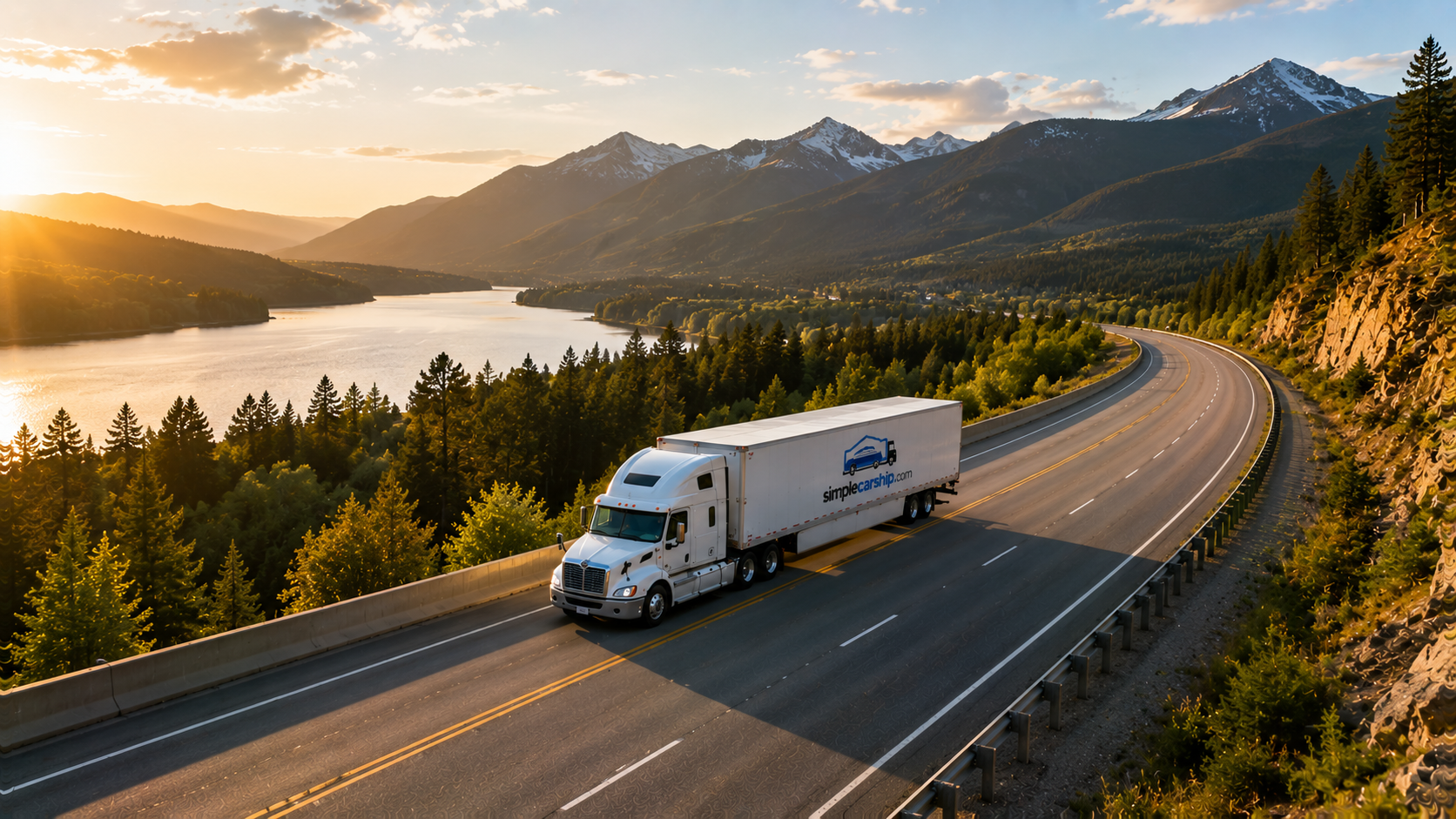
Shipping a car from Arizona to Colorado typically costs between $1,130 and $1,380 for open transport, while enclosed carrier service runs $1,810 to $2,205. The 865-mile route between Phoenix or Tucson and Denver or Colorado Springs takes 1–3 days, and your final price depends on trailer type, vehicle size, seasonal demand, and how flexible you are with pickup timing.
If you’re moving to the Front Range, relocating for work, or bought a car sight-unseen from a dealer down in the Valley, understanding what moves the needle on cost helps you plan—and avoid surprises. Here’s how pricing actually works on this route, what you get for your money, and how Simple Car Ship handles the entire process.
Get your instant car shipping price
Real quote in seconds — no spam, no runaround.
What You Pay to Ship a Car from Arizona to Colorado
The base cost for open-carrier auto transport from Arizona to Colorado falls between $1,130 and $1,380 for a standard sedan or SUV. That translates to roughly $1.31–$1.60 per mile over the 865-mile haul. Enclosed trailers—fully covered, side-walled protection—add significant cost: expect $1,810 to $2,205 for the same route. If you need expedited pickup and guaranteed 1–2 day delivery, express open service is available for around $1,845.
Several factors push your quote toward the higher or lower end. Larger vehicles (trucks, three-row SUVs) take up more deck space and add weight, so carriers charge more. Summer and early fall see heavier traffic on the Arizona–Colorado corridor as families move before school starts, which tightens carrier availability and nudges prices up. Conversely, mid-winter and late spring are typically softer periods with more competitive rates. Pickup and delivery flexibility matters, too: if you can meet the truck at a major metro terminal instead of requiring residential door-to-door in a mountain subdivision west of Boulder, you’ll often land on the lower end of the range.
Open vs. Enclosed Transport: Which Makes Sense for This Route
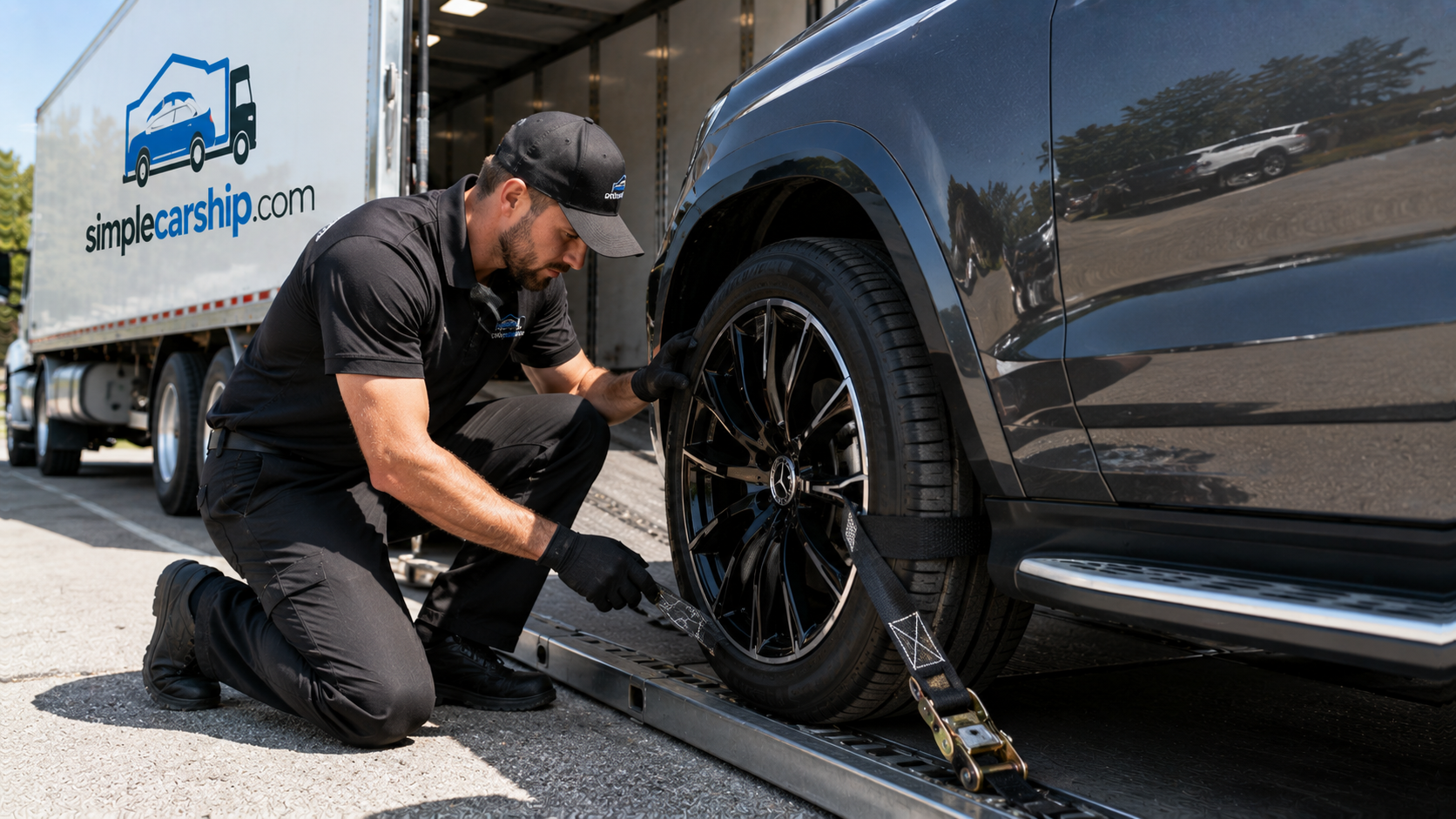
Most Arizona-to-Colorado shipments move on open multi-car trailers—the same rigs you see hauling new inventory to dealerships. Your car rides exposed to weather and road spray, but carriers secure it with wheel straps and deck chains, and the 1–3 day transit window limits exposure. Open transport is proven, reliable, and costs about 40% less than enclosed. It’s the practical choice for daily drivers, recent-model commuters, and leased vehicles where you simply need the car moved efficiently.
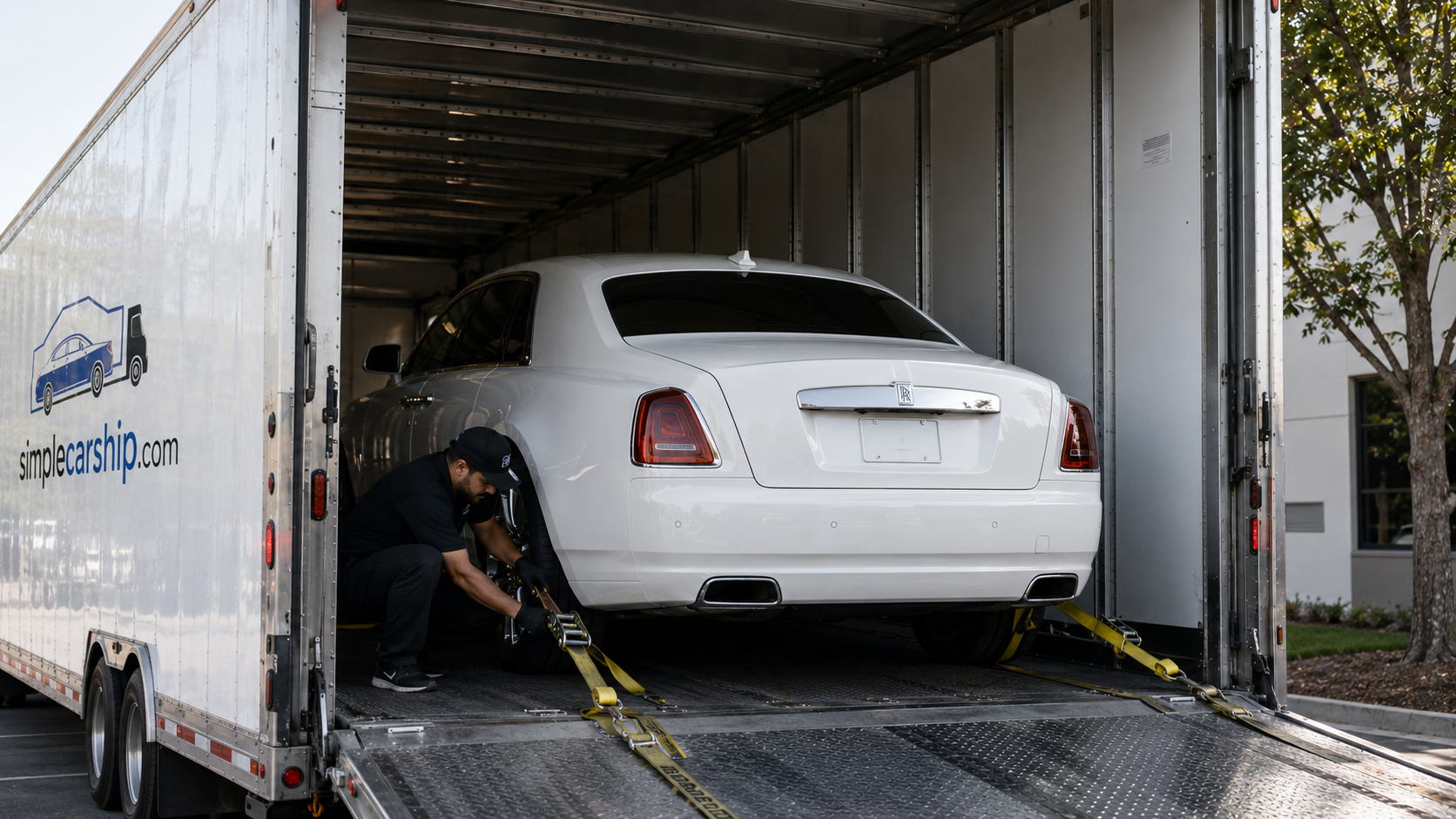
Enclosed trailers make sense in three scenarios. First, high-value or collector vehicles: a restored ’67 Mustang or a Tesla Plaid benefits from hard-sided protection against rock chips and road grit, especially crossing high-desert stretches of I-17 and I-25. Second, low-clearance exotics that risk scraping on open-trailer ramps—enclosed carriers use hydraulic lift-gates. Third, brand-new luxury deliveries where the buyer expects showroom condition on arrival. For a 2019 Honda Accord moving from Tempe to Denver, open transport is more than adequate. For a $90,000 Porsche 911 or a concours-prepped classic, the enclosed premium buys peace of mind.
| Feature | Open Transport | Enclosed Transport |
|---|---|---|
| Price (AZ→CO) | $1,130–$1,380 | $1,810–$2,205 |
| Transit Time | 1–3 days | 1–3 days |
| Protection | Secured, weather-exposed | Fully enclosed, climate-controlled available |
| Best For | Daily drivers, standard vehicles | Classics, exotics, high-value cars |
How the Arizona–Colorado Route Actually Works
The 865-mile corridor from Arizona to Colorado is one of the busiest north–south auto-transport lanes in the interior West. Carriers run I-17 north from Phoenix through Flagstaff, pick up I-40 briefly, then swing onto US-89 or connect to I-25 through New Mexico, climbing into Colorado via Raton Pass or along the Front Range. Tucson shipments often route through Phoenix or take I-25 directly via Las Cruces. Transit time is short—1 to 3 days—because the route is nearly all interstate and carriers frequently run the lane, so your car doesn’t sit waiting for a backhaul.
Pickup is most common in the Phoenix metro (Scottsdale, Tempe, Mesa, Glendale) and Tucson, where carrier density is high and scheduling windows are flexible. Delivery concentrates in Denver, Aurora, Colorado Springs, and Fort Collins, though carriers will serve mountain communities like Boulder, Aspen, or Vail with advance notice and possible transfer to a smaller truck for final-mile access. If your delivery address is in a narrow mountain subdivision or has overhead clearance restrictions, your driver will arrange a nearby meet point—a grocery-store lot, park-and-ride, or truck stop—where you can pick up the car safely.
Timing, Scheduling, and When to Book
Because Arizona and Colorado sit along a major north–south freight and auto-transport artery, carrier availability is generally strong year-round. You’ll find the most competitive pricing and fastest pickup windows in late winter (February–March) and late spring (May), when seasonal migration slows and carriers compete for loads. Summer months see a spike in demand—families relocating before school, college students moving, dealership transfers—so if you’re shipping in July or August, book at least two weeks ahead to secure your preferred window and avoid last-minute premium pricing.
Standard scheduling offers a 2–3 day pickup window (e.g., “Monday through Wednesday”) and delivery within 1–3 days after loading. If you need guaranteed next-day pickup or a specific delivery date, expedited service is available for $1,845, roughly 34% more than standard open transport. That premium buys priority dispatch, a dedicated driver assignment, and a firm delivery appointment—worth it if you’re closing on a home, starting a new job, or coordinating with a single day of available help on the receiving end.
How Simple Car Ship Handles Your Arizona–Colorado Shipment
We don’t operate a load board where your car becomes line-item cargo. Every Arizona-to-Colorado shipment is assigned a dedicated coordinator who vets the carrier, confirms insurance coverage (minimum $1,000,000 cargo liability), walks you through the bill of lading, and stays in contact from pickup through delivery. You’ll receive the driver’s direct mobile number before pickup so you can coordinate timing without playing phone tag through a dispatch center.
Our carriers on this route are hand-selected owner-operators and small fleets who run the I-17/I-25 corridor regularly—they know the grades, the inspection stations, the weather patterns, and the mountain-access constraints. We don’t broker your car to the lowest bidder an hour before pickup. Clear quotes. Real communication. No guesswork, no runaround. Your shipment isn’t a load number; it’s your vehicle, and we treat it that way from the moment you request a quote to the moment you sign the delivery inspection.
Ready to move your car from Arizona to Colorado? Get a clear, personalized quote in two minutes—no phone call required, no inbox spam, just the real numbers for your vehicle and your timeline.
Common Questions About Shipping a Car from Arizona to Colorado
- How long does it take to ship a car from Phoenix to Denver?
- Transit time is typically 1–3 days for the 865-mile route. Most carriers load in Phoenix in the morning and deliver in Denver the next day or the day after, depending on dispatch schedule and weather. Tucson pickups may add a half day if the carrier routes through Phoenix first.
- Can I pack personal items in the car during transport?
- Carriers allow up to 100 pounds of personal items in the trunk or rear cargo area, below the window line, at no extra charge. Items must be secured and non-valuable (clothing, linens, lightweight boxes). The carrier’s cargo insurance does not cover personal belongings, and overloading can void coverage or incur surcharges.
- Do I need to be present for pickup and delivery?
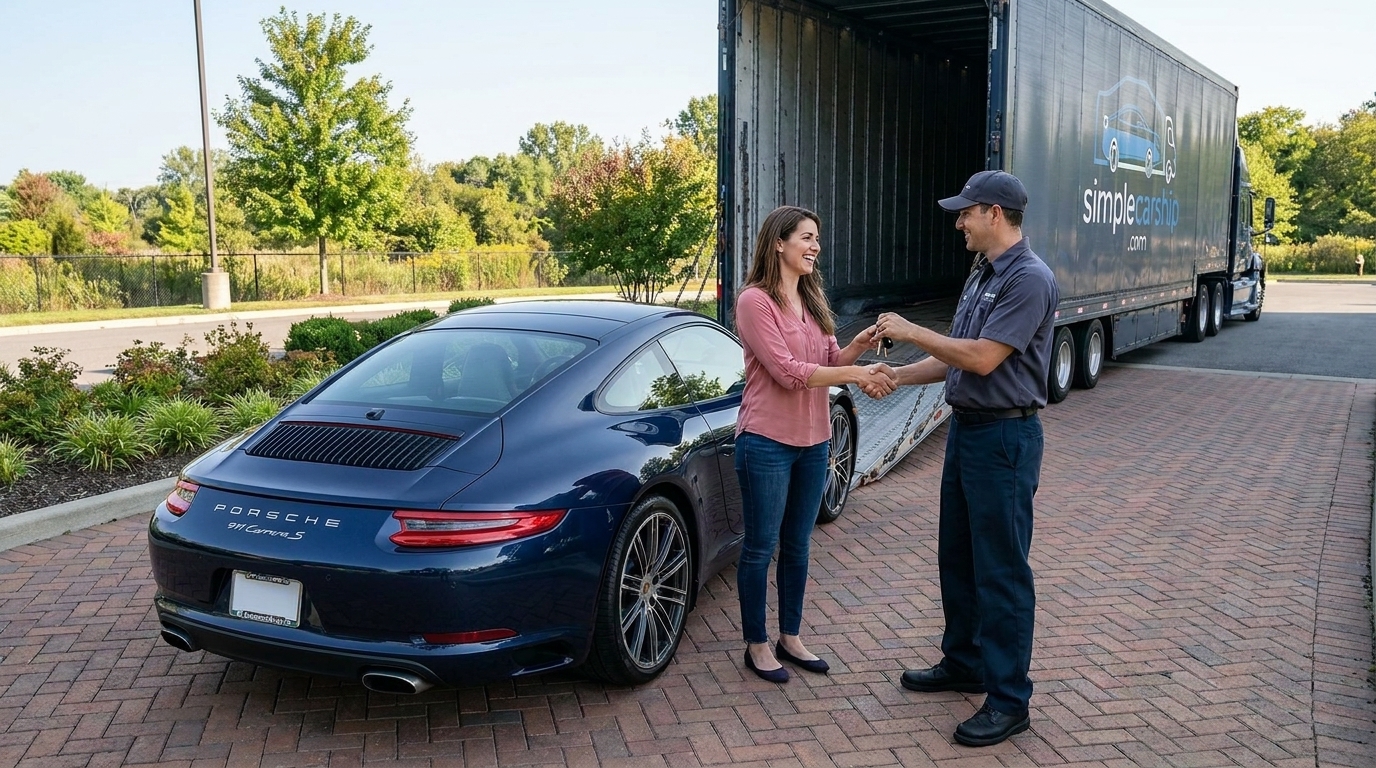
- Yes. You or a designated agent (friend, family, property manager) must be present to hand over keys, sign the bill of lading, and conduct a walk-around inspection at both pickup in Arizona and delivery in Colorado. The driver documents the car’s condition with photos before loading and again at delivery.
- What if my Colorado delivery address is in the mountains?
- Large multi-car trailers cannot navigate narrow mountain roads, low-clearance tunnels, or steep private drives. If your address is in a restricted-access area like Breckenridge, Aspen, or mountain subdivisions west of Boulder, the driver will arrange a nearby meet point—typically a municipal lot, gas station, or park-and-ride—for safe transfer.
- Is winter weather a problem on this route?
- The Arizona leg (Phoenix to Flagstaff) is typically clear, but I-25 through northern New Mexico and southern Colorado can see snow, ice, and temporary closures November through March. Carriers monitor forecasts and chain up or delay departure if conditions are unsafe. Winter shipments may add 1–2 days to transit during active storms, but the route remains operational year-round.