
How Much Does It Cost to Ship a Car from Colorado to Texas?
Shipping a car from Colorado to Texas typically costs between $935 and $1,135 for open transport, or $1,490 to $1,815 for enclosed carriers. The final price depends on your exact pickup and delivery cities, the size and condition of your vehicle, current fuel prices, and how quickly you need it delivered. The 1,044-mile route from metro areas like Denver or Colorado Springs to Texas cities such as Houston, Dallas, Austin, or San Antonio is a well-traveled corridor with consistent carrier availability, which helps keep pricing competitive year-round.
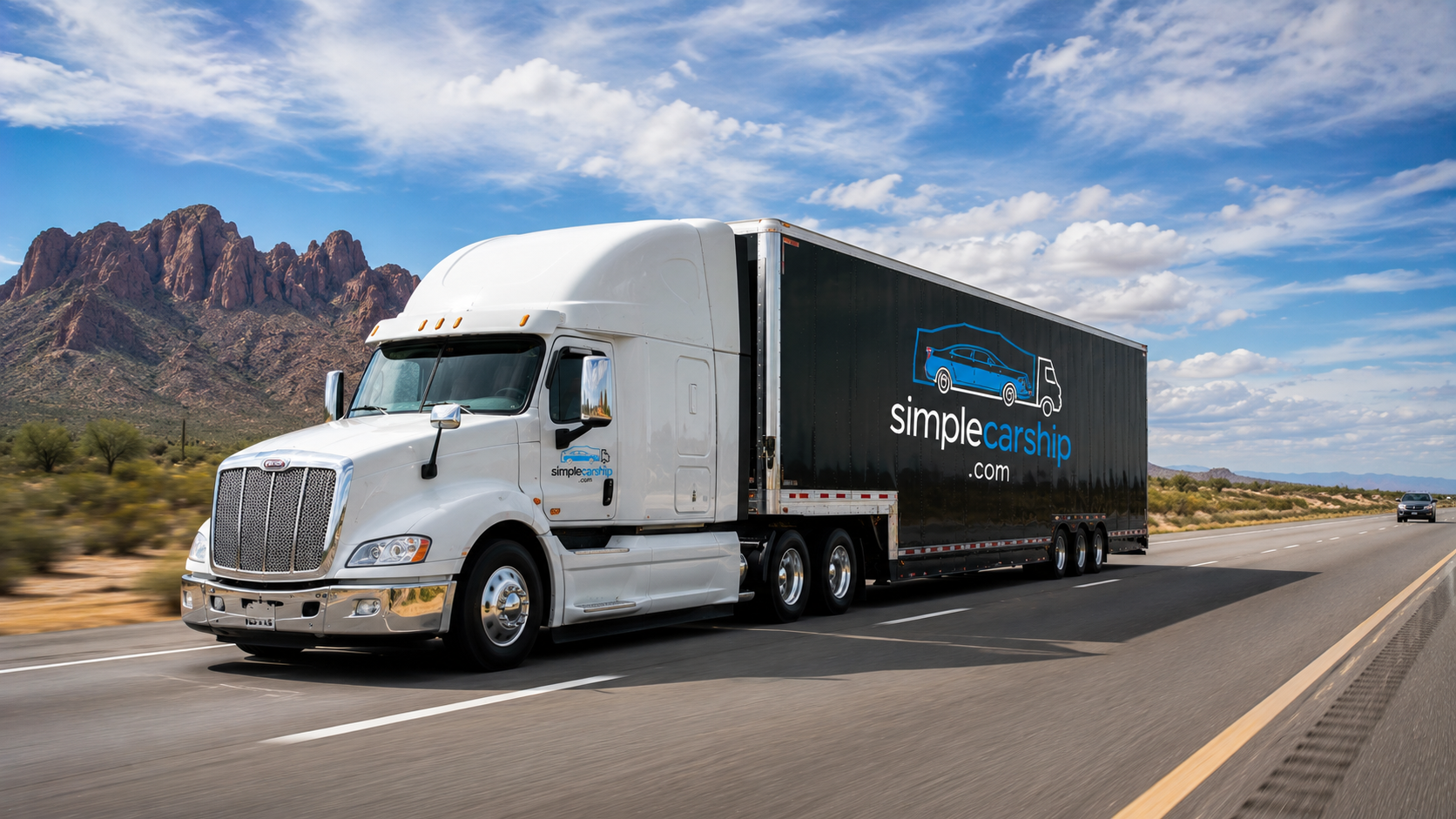
Get your instant car shipping price
Real quote in seconds — no spam, no runaround.
What Moves the Price When Shipping from Colorado to Texas
Distance is the foundation—at 1,044 miles, this route sits in the mid-range bracket—but the real cost variables are more granular. If you’re shipping from a major metro like Denver to a Texas hub like Houston or Dallas, you’ll land near the lower end of the range because carriers run those lanes frequently. But if your pickup is in a smaller Colorado mountain town like Telluride or Durango, expect a $150–$250 pickup fee to get your car to the nearest highway corridor. Similarly, rural Texas deliveries outside the I-35 or I-10 corridors add costs.
Vehicle size matters significantly. A compact sedan ships at base rate; a lifted F-250 or a Suburban adds $150–$200 because it occupies more trailer space and adds weight. Non-running vehicles require a winch, tacking on another $150–$200. Timing flexibility also affects price—if you can offer a 5–7 day pickup window, carriers can route more efficiently and you’ll see lower quotes. Need it picked up tomorrow? Expect to pay the $1,521 expedited rate for open transport, sometimes more during peak summer moving season or around college breaks when students flood the market.
Open vs. Enclosed Transport for the Colorado–Texas Route
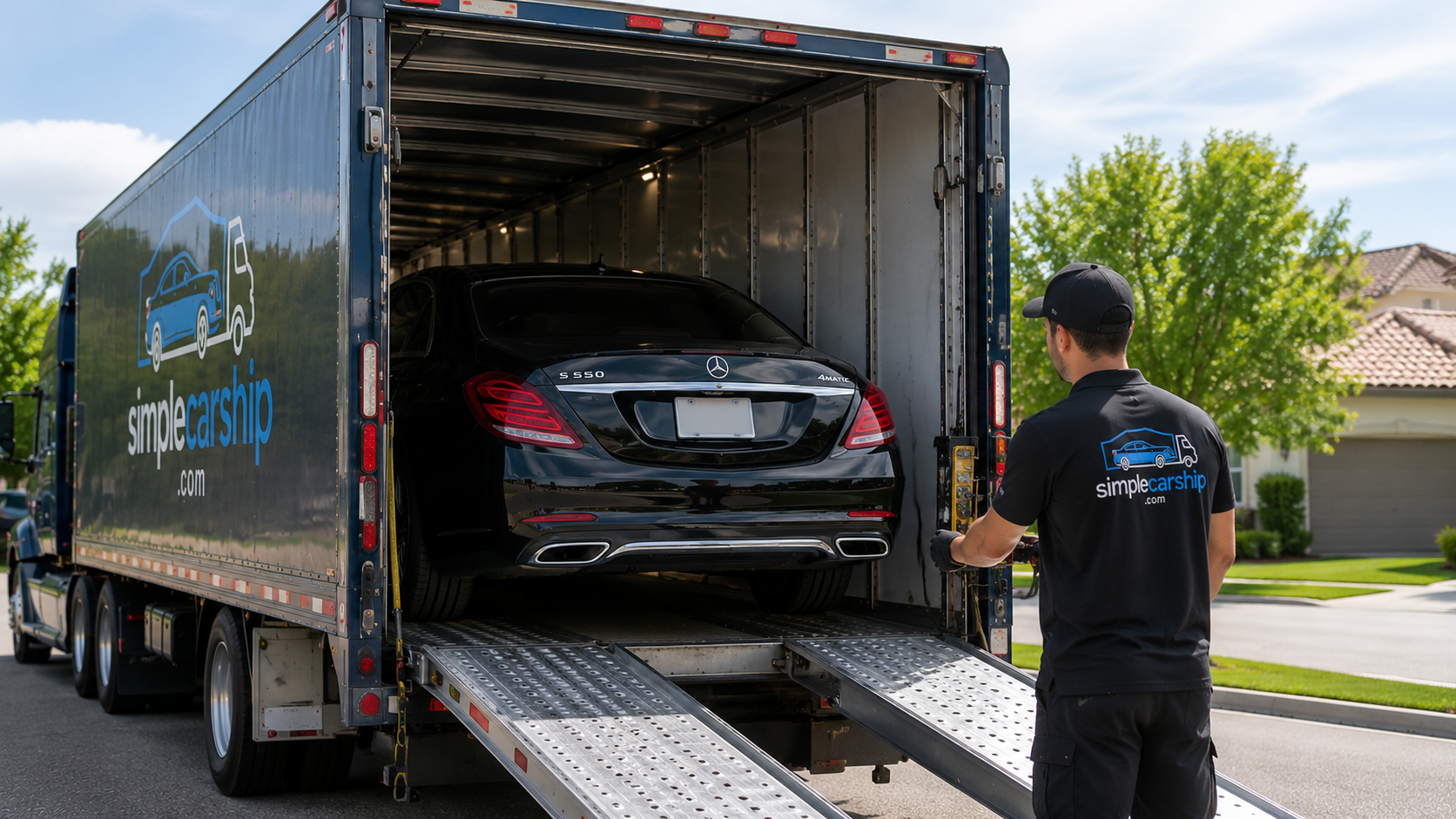
Open transport is the default for this route and accounts for roughly 90% of shipments. Your car rides on a multi-level trailer exposed to weather and road spray, the same way dealerships move new inventory. For daily drivers, commuter cars, and most SUVs traveling from Colorado to Texas, open transport at $935–$1,135 is the sensible choice. The route crosses high plains and interstate highways with minimal exposure risk, and carriers complete the journey in 2–4 days, limiting weather exposure windows.
Enclosed transport—$1,490 to $1,815—makes sense for specific scenarios. If you’re moving a classic Corvette, a Tesla Model S Plaid, a recently restored muscle car, or any vehicle worth north of $60,000, the enclosed premium buys full protection from road debris, weather, and prying eyes. Enclosed carriers also run this route regularly, serving collectors moving between Colorado’s Front Range and Texas’s luxury car markets in Dallas and Austin, so availability is rarely an issue. You’re paying 60% more for a dedicated, climate-protected environment and typically faster, white-glove service.
| Factor | Open Transport | Enclosed Transport |
|---|---|---|
| Price Range | $935–$1,135 | $1,490–$1,815 |
| Transit Time | 2–4 days | 2–4 days |
| Protection Level | Standard (weather/road exposure) | Fully enclosed, climate-controlled option |
| Best For | Daily drivers, sedans, SUVs, trucks | Luxury, classic, exotic, high-value vehicles |
How the Colorado to Texas Route Works: Timeline and Logistics
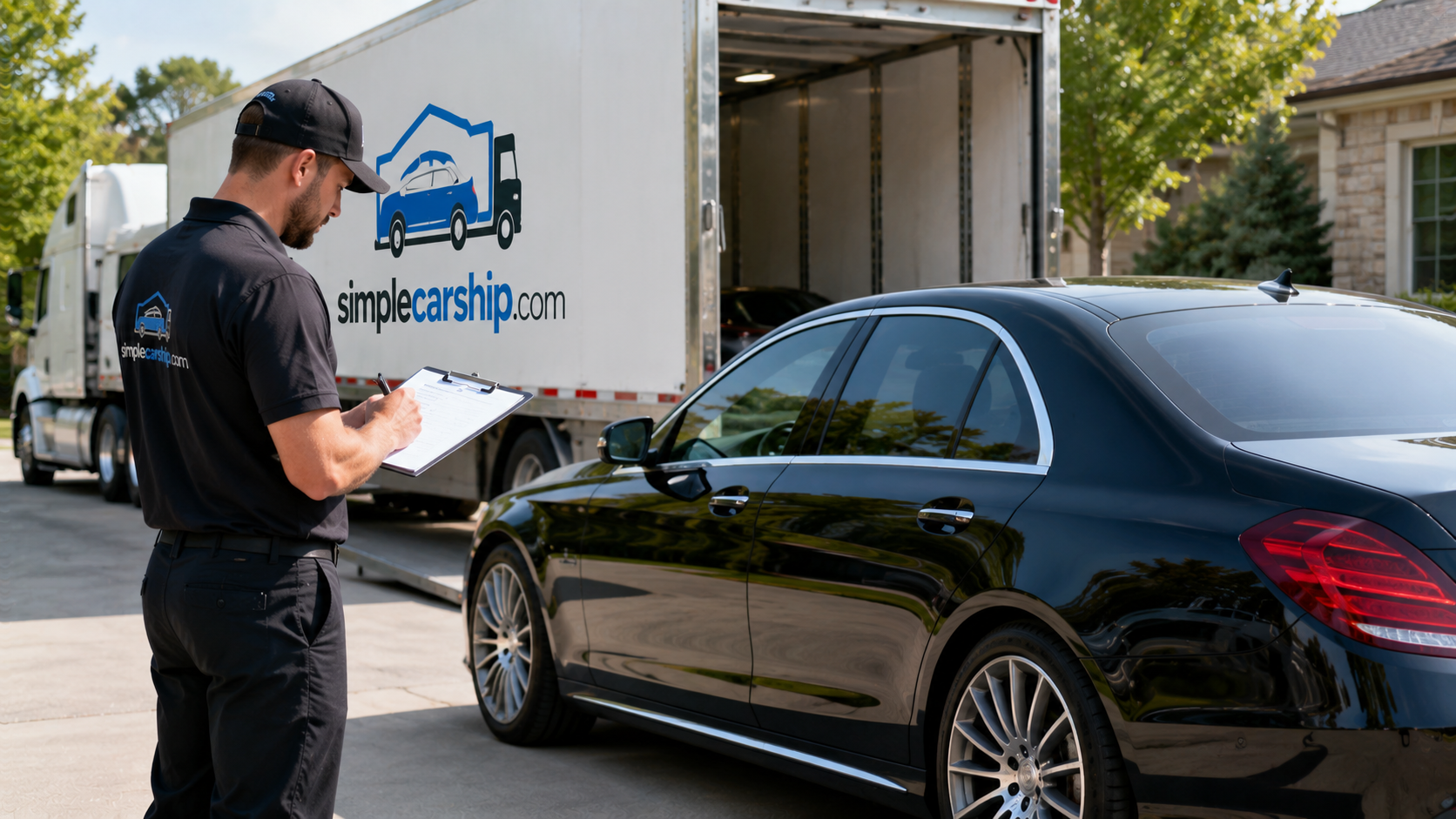
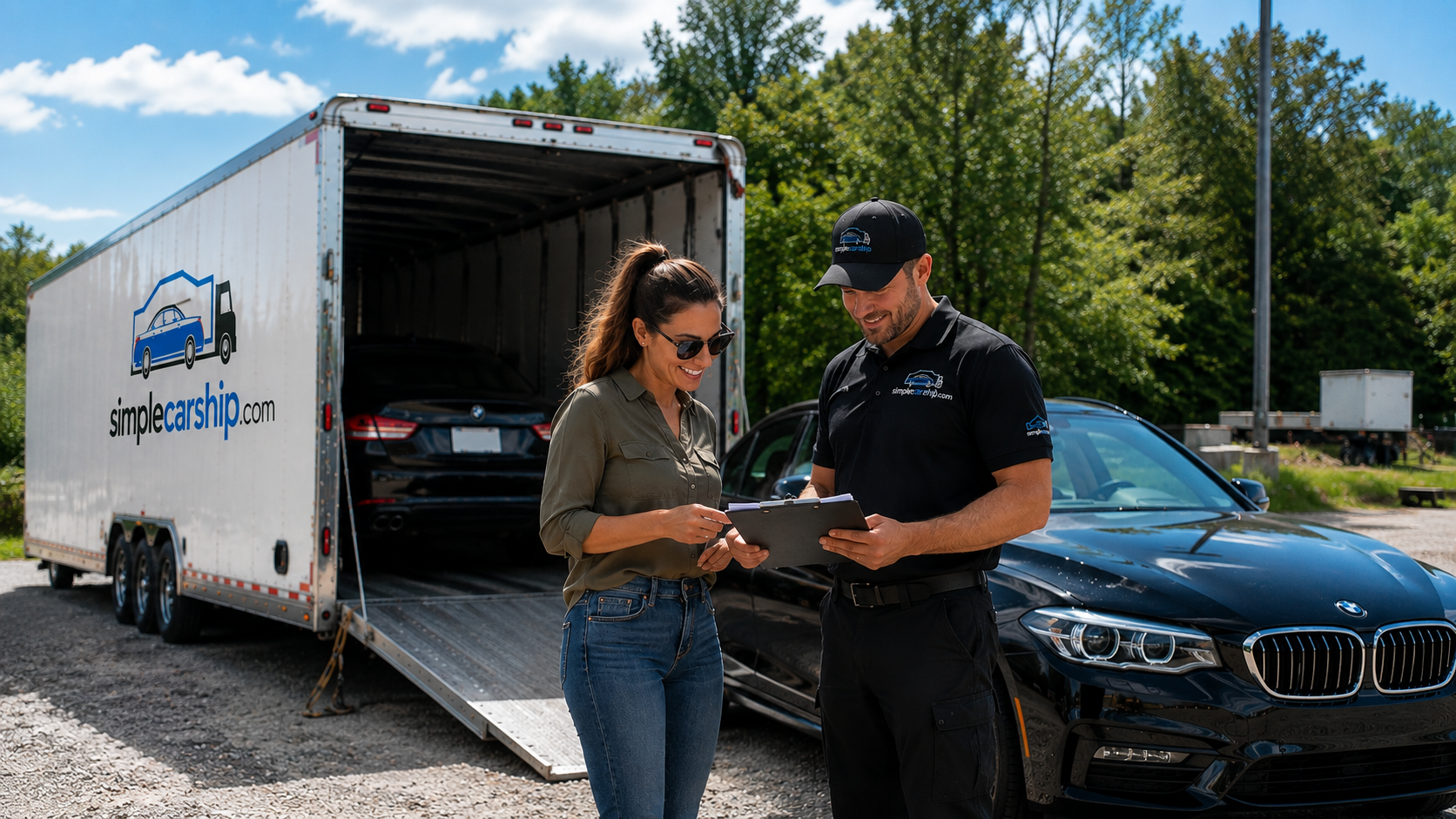
Once you book, the typical sequence runs like this: your carrier is assigned within 1–3 days (faster in summer, occasionally 4–5 days in slow winter weeks). Pickup happens in Denver, Colorado Springs, or another Colorado metro within your agreed window—usually a 1–3 day range. The driver calls 24 hours ahead to confirm the exact time. You’ll meet the driver, walk around the car together to document its condition on the Bill of Lading, hand over the keys, and leave about a quarter tank of fuel in it (DOT regulation).
The truck then runs south, typically via I-25 to I-40 or I-70 to US-287, connecting to I-35 or I-45 into Texas. Total driving time is 15–18 hours, but DOT hours-of-service rules mandate rest breaks, so real-world delivery is 2 to 4 days after pickup. Most Colorado-to-Texas shipments deliver in 3 days. Upon arrival in Houston, Dallas, Austin, or San Antonio, the driver calls again to arrange the handoff. You inspect the vehicle, compare it to the original condition report, sign off, and pay the balance if you didn’t prepay (we recommend paying the driver directly for the carrier portion to avoid broker upcharges).
Pickup and Delivery Logistics: Colorado and Texas Metros
In Colorado, Denver and Colorado Springs are the primary pickup hubs. Carriers run these cities daily, and you’ll get the best pricing and fastest assignment. If you’re in Boulder, Fort Collins, or Pueblo, you’re still within easy range—no extra fees. Farther west into the Rockies (Aspen, Vail, Glenwood Springs), carriers usually ask you to meet them in a lower-elevation town with truck-accessible roads, or they’ll charge a mountain-access fee of $150–$250. In winter, mountain pickups can add a day or two if weather closes passes.
Texas delivery is straightforward. Houston, Dallas, Austin, and San Antonio see the highest carrier traffic, which translates to competitive pricing and reliable scheduling. Suburbs like Plano, The Woodlands, Round Rock, and Sugar Land are all considered metro and incur no surcharge. If you’re delivering to West Texas (Midland, Lubbock, El Paso), East Texas (Tyler, Longview), or the Rio Grande Valley (McAllen, Brownsville), expect an additional $100–$200 because carriers have to deadhead back to major freight lanes. Always provide a delivery address with room for a 75-foot tractor-trailer to maneuver—tight residential streets may require meeting the driver at a nearby parking lot.
How Simple Car Ship Handles Your Colorado–Texas Shipment
We don’t play the typical broker game. When you request a quote, you’ll get a clear price range based on the real Colorado–Texas data—$935 to $1,135 open, $1,490 to $1,815 enclosed—and an honest explanation of where your specific pickup and delivery might land within it. No bait-and-switch, no “subject to change” fine print. Once you book, we hand-select a carrier from our vetted network—licensed, insured, and experienced on this route—and you get their contact info directly. Your shipment isn’t a load number cycling through a call center.
You’ll have a dedicated coordinator who tracks your car from dispatch to delivery and answers calls (from a real human, during business hours, usually within one ring). If your carrier hits weather in the Texas Panhandle or needs to adjust the delivery window, you’ll know immediately. We’ve moved thousands of vehicles on the Colorado–Texas corridor for relocating families, military transfers, students headed to UT Austin or Texas A&M, and classic-car buyers flying in to Denver to purchase and ship home. The process is simple: request a quote, review your options, book the carrier that fits your schedule and budget, then let us handle the coordination. Get your quote here—usually delivered within two hours.
Frequently Asked Questions: Shipping a Car from Colorado to Texas
How long does it take to ship a car from Colorado to Texas?
Transit time is typically 2 to 4 days after pickup. The 1,044-mile route from Denver or Colorado Springs to Houston, Dallas, Austin, or San Antonio takes 15–18 driving hours, but DOT-required rest breaks and multi-stop logistics mean most deliveries complete in 3 days. Expedited service can compress this to 2 days.
What is the cheapest way to ship a car from Colorado to Texas?
Open transport with flexible pickup dates is the most affordable option, running $935 to $1,135. Book from a major metro (Denver, Colorado Springs) to a Texas hub (Houston, Dallas) and offer a 5–7 day pickup window to let carriers optimize routing. Avoid peak summer weeks and last-minute requests to secure the lowest rates.
Is my car insured during the Colorado to Texas shipment?
Yes. Every licensed carrier on this route carries federal cargo insurance, typically $100,000–$250,000 per load, covering damage caused during transit. You’ll receive the carrier’s insurance certificate and policy number before pickup. Inspect your car carefully with the driver at both ends and document everything on the Bill of Lading to ensure smooth claims if needed.
Can I ship personal items inside my car from Colorado to Texas?
Most carriers allow up to 100 pounds of personal items in the trunk or rear cargo area, below the window line, at no extra charge. Items must be secured and not visible. Carriers’ insurance does not cover personal belongings—only the vehicle itself—so ship valuables separately. Overloading can void your transport agreement and create safety issues.
Does shipping from Denver cost the same as shipping from Colorado Springs?
Pricing is nearly identical—both cities sit on the I-25 corridor with high carrier traffic. Denver may offer slightly faster dispatch during peak season due to volume, but the difference is typically one day or less. Pickups from smaller Colorado towns west of the Front Range can add $150–$250 in positioning fees and a day to scheduling.
Related routes & guides
- Cost to ship a car from Texas To California
- Cost to ship a car from Maryland To Texas
- Cost to ship a car from Texas To New Jersey
- Cost to ship a car from Ohio To Texas
- Cost to ship a car from North Carolina To Texas
- Cost to ship a car from Indiana To Texas
- Car Shipping Companies
- Best Car Shipping Companies
- Cross Country Car Shipping
- Open Vs Enclosed Auto Transport