
How Much Does It Cost to Ship a Car from Texas to California?
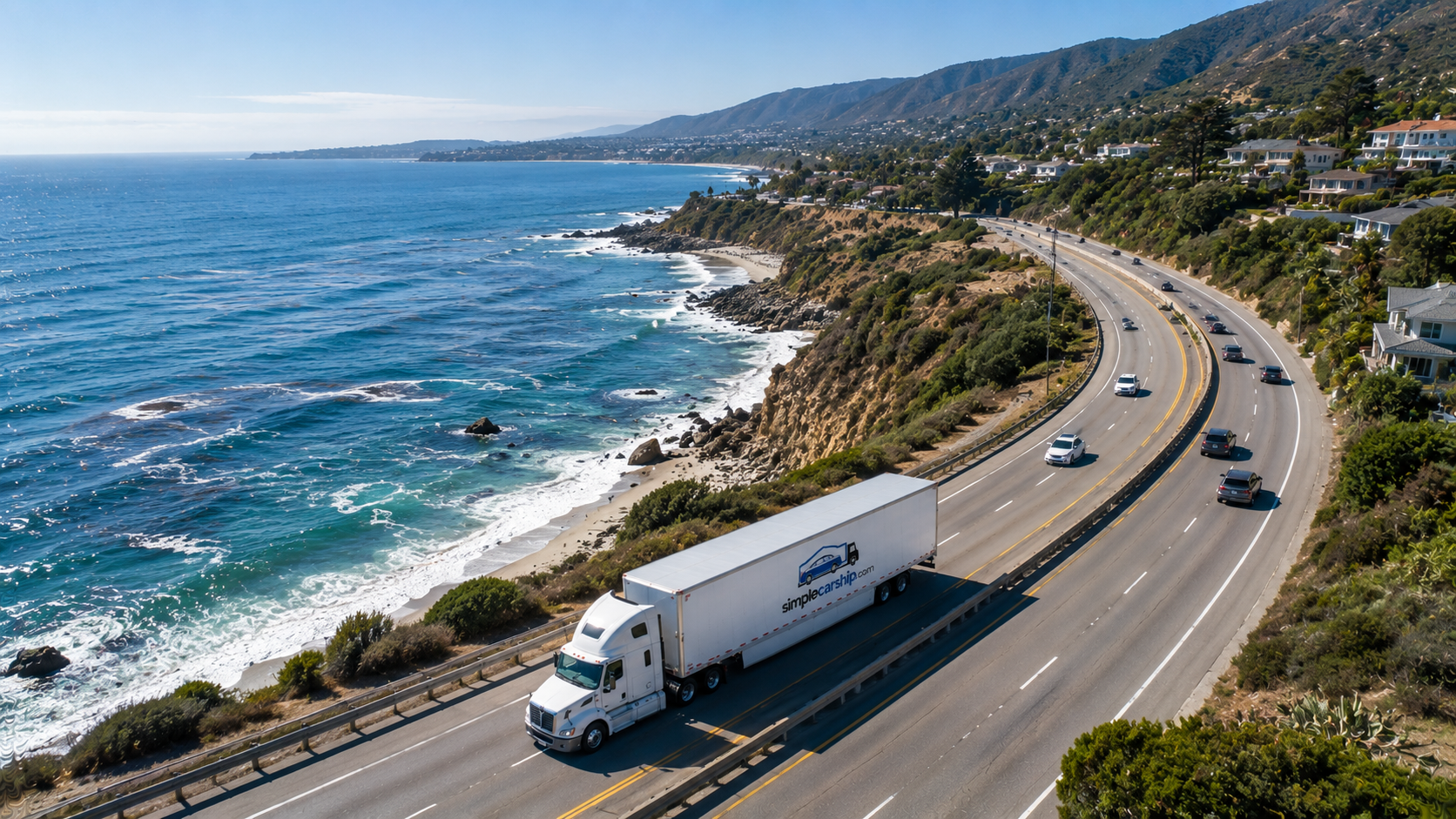
Shipping a car from Texas to California typically costs between $1,280 and $1,560 for open transport, or $2,050 to $2,495 for enclosed carriers. The final price depends on your exact pickup and delivery cities, the size and condition of your vehicle, the time of year, and how quickly you need it delivered across the 1,562-mile route.
Ship your car the simple way. Clear quotes. Real communication. No guesswork, no runaround.
Get your instant car shipping price
Real quote in seconds — no spam, no runaround.
What Moves the Price on This Route
The Texas-to-California corridor is one of the busiest car-shipping lanes in the country, which usually works in your favor. High carrier traffic between major metros like Houston, Dallas, Austin, and San Antonio on one end, and Los Angeles, San Diego, San Francisco, and Sacramento on the other, means competitive pricing and reliable availability. But not every shipment costs the same. A compact sedan picked up in downtown Houston and delivered to a Los Angeles suburb will land at the lower end of the range. A lifted truck departing rural West Texas for a residential street in San Francisco? Expect the higher end, sometimes more.
Vehicle size and weight matter because carriers pay for fuel by the pound. Operational cars are cheaper to load than inoperable ones, which require a winch. Flexibility on your pickup and delivery windows can save you money—expedited service jumps to around $2,090 for open transport because the carrier has to route specifically for you. Enclosed transport adds $770 to $935 to the base cost, protecting your car from road spray, weather, and prying eyes inside a fully enclosed trailer. If you’re moving a lease return, a daily driver, or a work truck, open transport is the standard and the value play. If it’s a classic, exotic, luxury, or show car, enclosed is the call.
Open vs. Enclosed Transport for the Texas–California Run
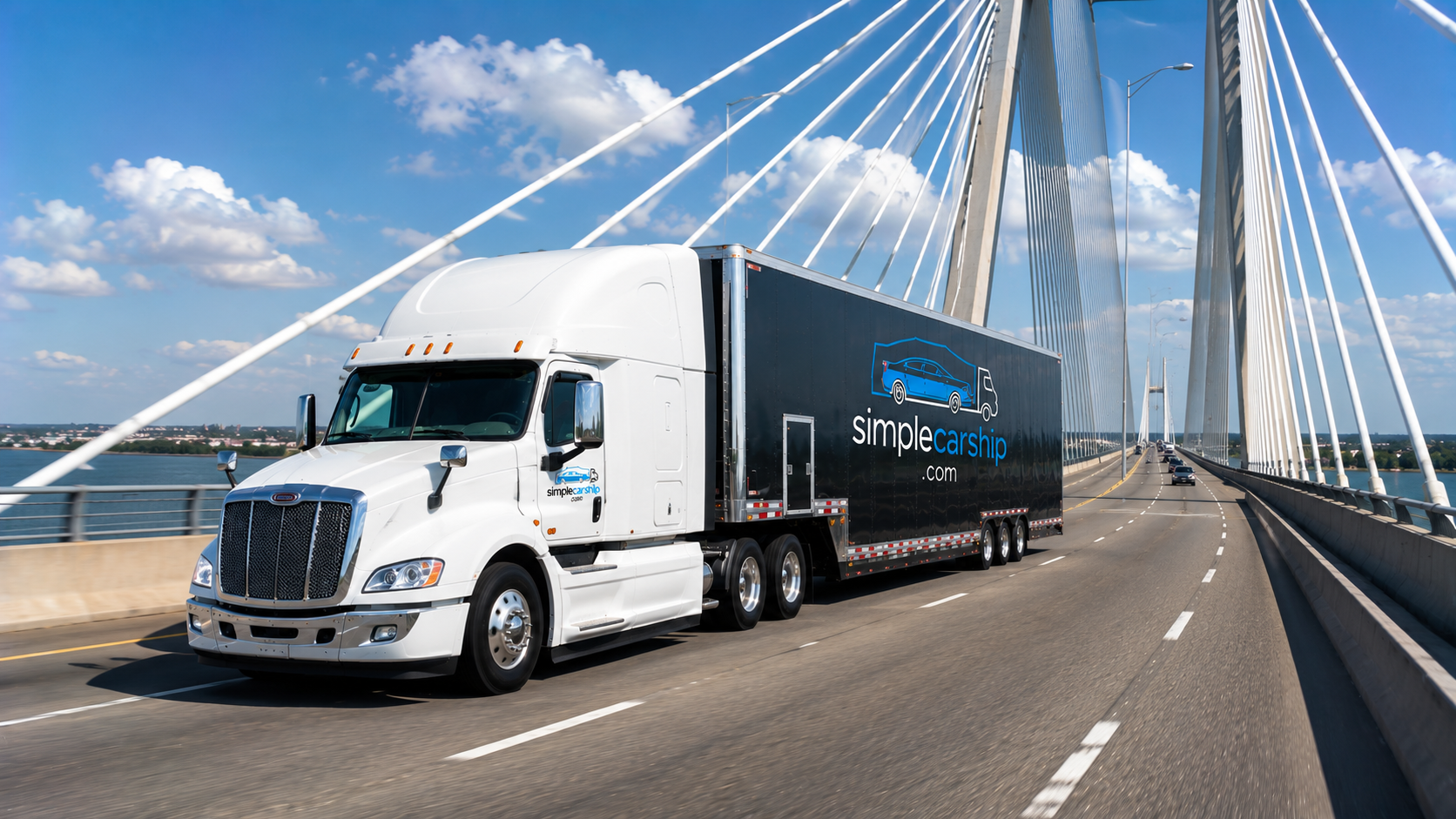
Open carriers are the eighteen-wheelers you see on the highway every day, hauling up to nine cars on two decks. Your vehicle is exposed to the elements—dust, rain, wind, and the occasional bug splatter—but it’s the same method dealerships use to move new inventory. For the vast majority of shipments on this route, open transport is safe, reliable, and priced right. The 1,562-mile journey takes three to five days, and your car arrives ready to drive.
Enclosed carriers use hard-sided trailers, usually carrying two to six vehicles in a climate-controlled or fully protected environment. It’s slower to book because fewer carriers run enclosed, and it costs significantly more, but the trade-off is near-zero risk of road debris, weather damage, or dust. If your car’s value is north of $70,000, if it sits low to the ground, if it’s a collector piece, or if you simply want maximum peace of mind, the extra cost is justified. For everything else, open transport is the industry standard and the smart choice.
| Feature | Open Transport | Enclosed Transport |
|---|---|---|
| Price (TX–CA) | $1,280–$1,560 | $2,050–$2,495 |
| Transit Time | 3–5 days | 3–6 days |
| Protection Level | Standard (road exposure) | Full enclosure, weather-sealed |
| Best For | Daily drivers, sedans, SUVs, trucks | Classics, exotics, luxury, low-clearance |
Pickup and Delivery Across Two Big States
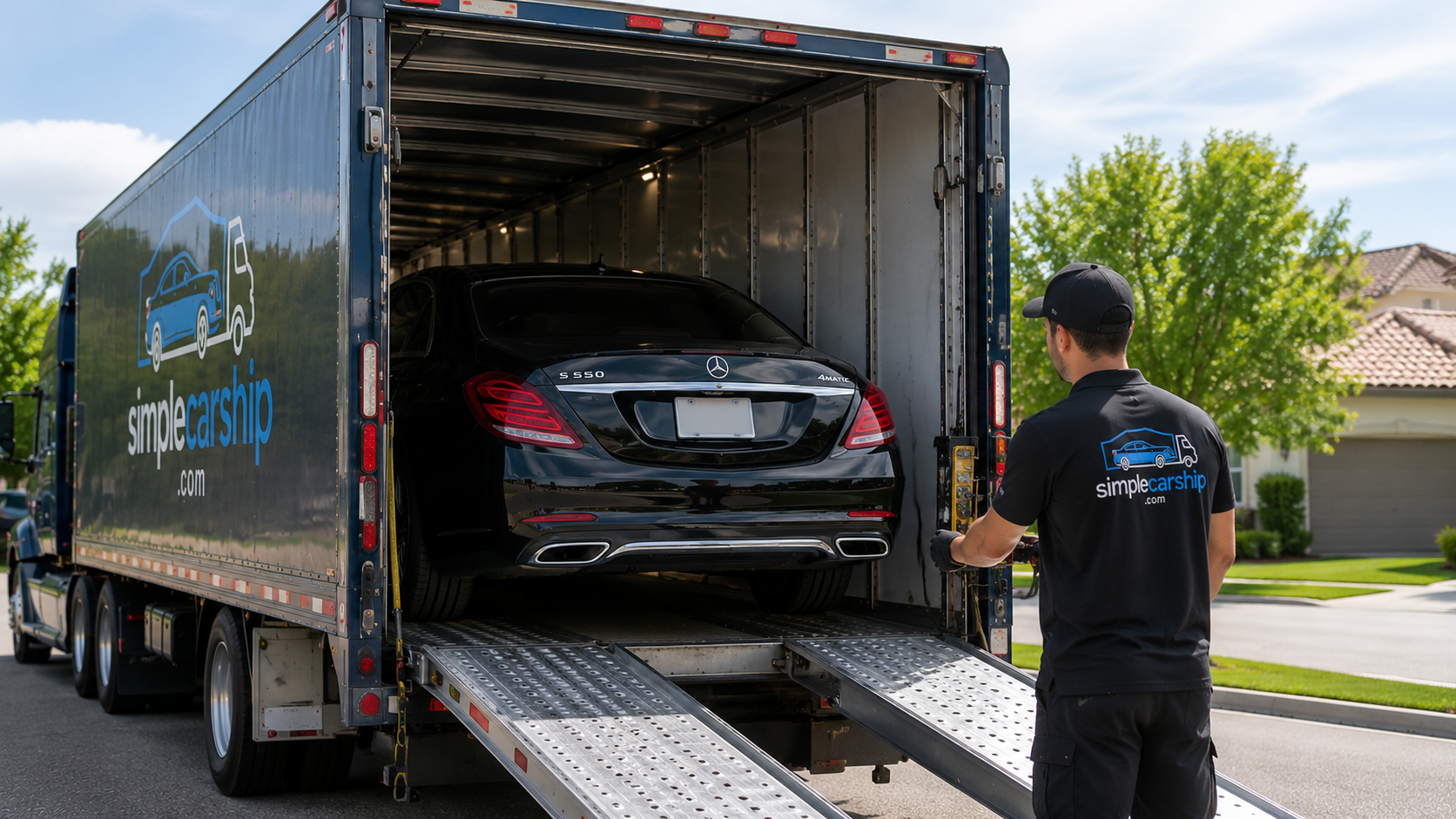
Texas and California are the two largest car-shipping markets in the U.S., and carriers run this lane constantly. On the Texas side, Houston, Dallas, Austin, and San Antonio see daily service, with plenty of availability for suburban and even many rural areas within fifty miles of these hubs. If you’re outside the metro zones—say, El Paso or Amarillo—expect a bit more lead time or a small surcharge for the carrier to reroute, but it’s rarely a dealbreaker.
California delivery follows the same logic. Los Angeles, San Diego, San Francisco, and Sacramento are primary markets with the tightest schedules and most competitive rates. Coastal cities, Inland Empire, Central Valley towns—all accessible. If you’re delivering to a tight urban street or a location with low clearance, the driver may ask you to meet at a nearby lot or staging area. That’s common in older San Francisco neighborhoods or dense LA areas where a seventy-foot rig can’t navigate. Your shipment isn’t a load number—we coordinate the details ahead of time so there are no surprises on delivery day.
Transit Time and When to Book
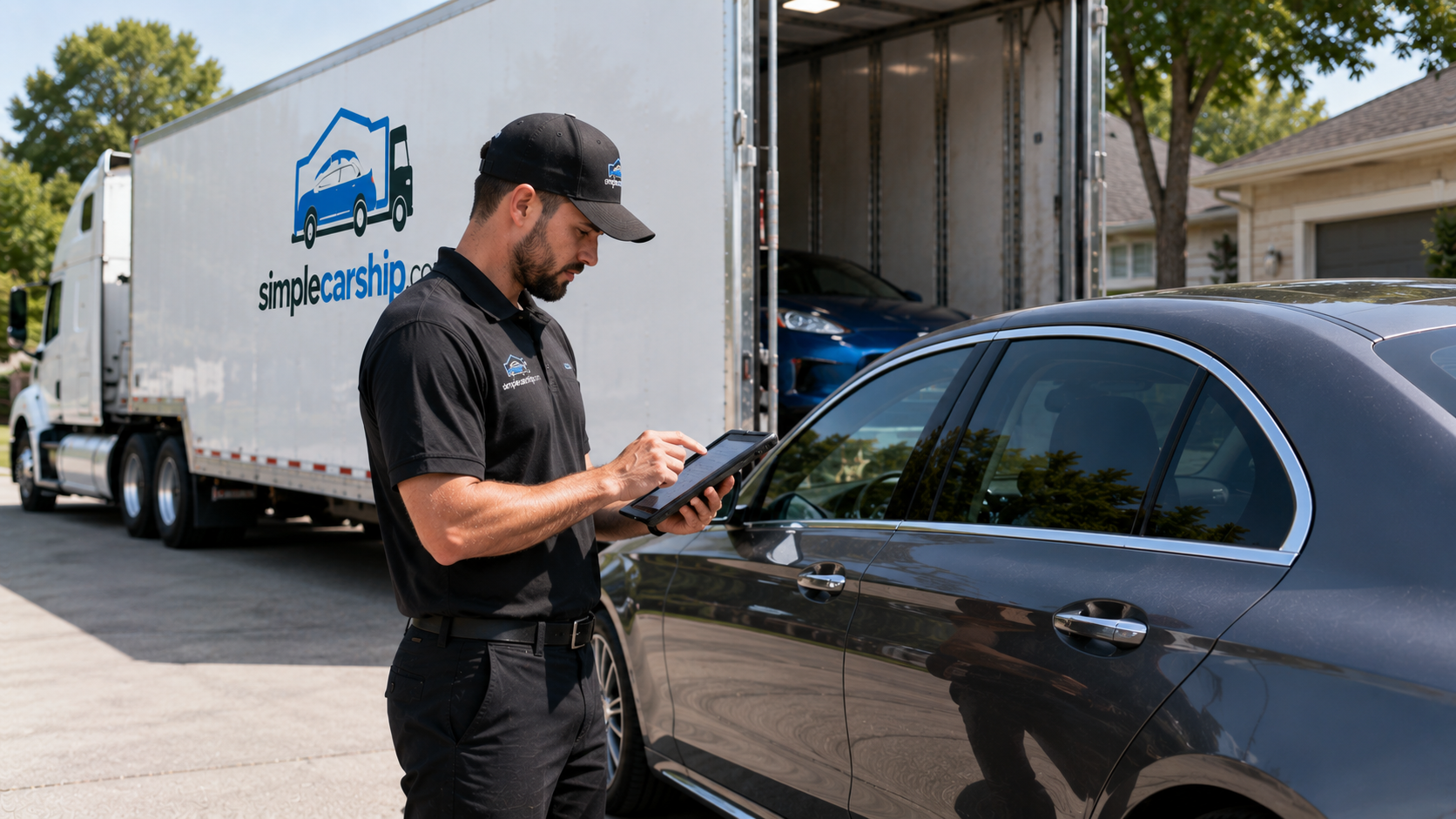
Plan on three to five days in transit for most Texas–California shipments. That’s dock-to-dock time once the carrier picks up your vehicle, not total elapsed time from your first phone call. Booking to pickup usually takes one to five days depending on season, your flexibility, and how quickly a carrier’s route aligns with yours. If you need your car by a hard deadline—job relocation, college move-in, scheduled sale—give yourself at least ten days total, ideally two weeks, to account for weather, route adjustments, and driver hours-of-service rules.
This route doesn’t see the dramatic seasonal swings that snowbird corridors experience, but summer is marginally busier because of college students, military PCS moves, and families relocating before the school year. Rates can tick up fifty to a hundred dollars in June and July. Winter is typically wide open. Expedited service is available year-round for $2,090 if you’re on a tight clock, but most customers find standard transit plenty fast for a cross-country move.
How Simple Car Ship Handles Your Texas–California Shipment
We don’t hand your keys to the lowest bidder and hope for the best. Every carrier we work with is vetted, insured, and selected for the specific route. You’ll get a firm quote with the real price range—$1,280 to $1,560 open, or $2,050 to $2,495 enclosed for this lane—and a clear explanation of what moves the number. No bait prices, no “$500 deposit, we’ll tell you the real cost later” games. Once you’re booked, you’ll have a dedicated coordinator’s direct number and text line. If the driver’s running an hour late, if there’s traffic in Phoenix, if pickup moves by a day, you’ll know.
Real human support. When the carrier is assigned, you get the driver’s name, truck number, and phone contact. You can ask about tie-down points, ask for photos at pickup, confirm delivery timing—whatever you need to feel confident. We’ve shipped thousands of cars on this route, and the simple truth is that communication solves most problems before they become problems. Your car matters. We treat it that way.
Ready for a clear quote? Get your Texas-to-California estimate here—real numbers, no runaround, no pressure.
Frequently Asked Questions: Shipping a Car from Texas to California
How much does it cost to ship a car from Texas to California?
Open transport typically runs $1,280 to $1,560 for the 1,562-mile route, while enclosed transport costs $2,050 to $2,495. Exact pricing depends on your vehicle size, pickup and delivery locations, and timing. Expedited open service is available for around $2,090 if you need faster delivery.
How long does shipping take from Texas to California?
Transit time is three to five days once the carrier picks up your vehicle. Total elapsed time from booking to delivery is usually one to two weeks, depending on how quickly a carrier’s route aligns with your schedule and your flexibility on pickup dates.
Is open or enclosed transport better for this route?
Open transport is the standard for daily drivers, SUVs, and trucks—it’s safe, reliable, and cost-effective at $1,280–$1,560. Enclosed transport is worth the premium ($2,050–$2,495) for classics, exotics, luxury vehicles, or anything you want fully protected from weather and road debris across fifteen hundred miles.
Can I ship from rural Texas to a small California town?
Yes. Major metros like Houston, Dallas, Austin, and San Antonio on the Texas side, and Los Angeles, San Diego, San Francisco, and Sacramento in California see daily service. Rural pickups or deliveries outside these zones are common but may add a modest fee or require a nearby meet point for the truck.
Do I need to be present for pickup and delivery?
You or someone you designate must be present to hand over keys, sign the inspection report, and review the vehicle condition. The same applies at delivery. The driver will contact you directly an hour or two before arrival to confirm timing and answer any last-minute questions about access or parking.
Related routes & guides
- Cost to ship a car from California To Washington
- Michigan To Texas car shipping
- Cost to ship a car from Pennsylvania To Texas
- Cost to ship a car from New York To California
- Georgia To California car shipping
- California To Ohio car shipping
- Car Shipping Companies
- Best Car Shipping Companies
- Cross Country Car Shipping
- Open Vs Enclosed Auto Transport