
How Much Does It Cost to Ship a Car from Illinois to Ohio?
Shipping a car from Illinois to Ohio typically costs between $710 and $865 for open transport, or $1,140 to $1,385 for enclosed. The 360-mile route between major metros like Chicago and Columbus is one of the shorter Midwest hauls, but final price depends on your exact pickup and delivery locations, the type of trailer you choose, vehicle size, and current carrier availability. Here’s what actually moves the number—and how to ship your car the simple way.
Get your instant car shipping price
Real quote in seconds — no spam, no runaround.
What You’ll Pay to Ship a Car from Illinois to Ohio
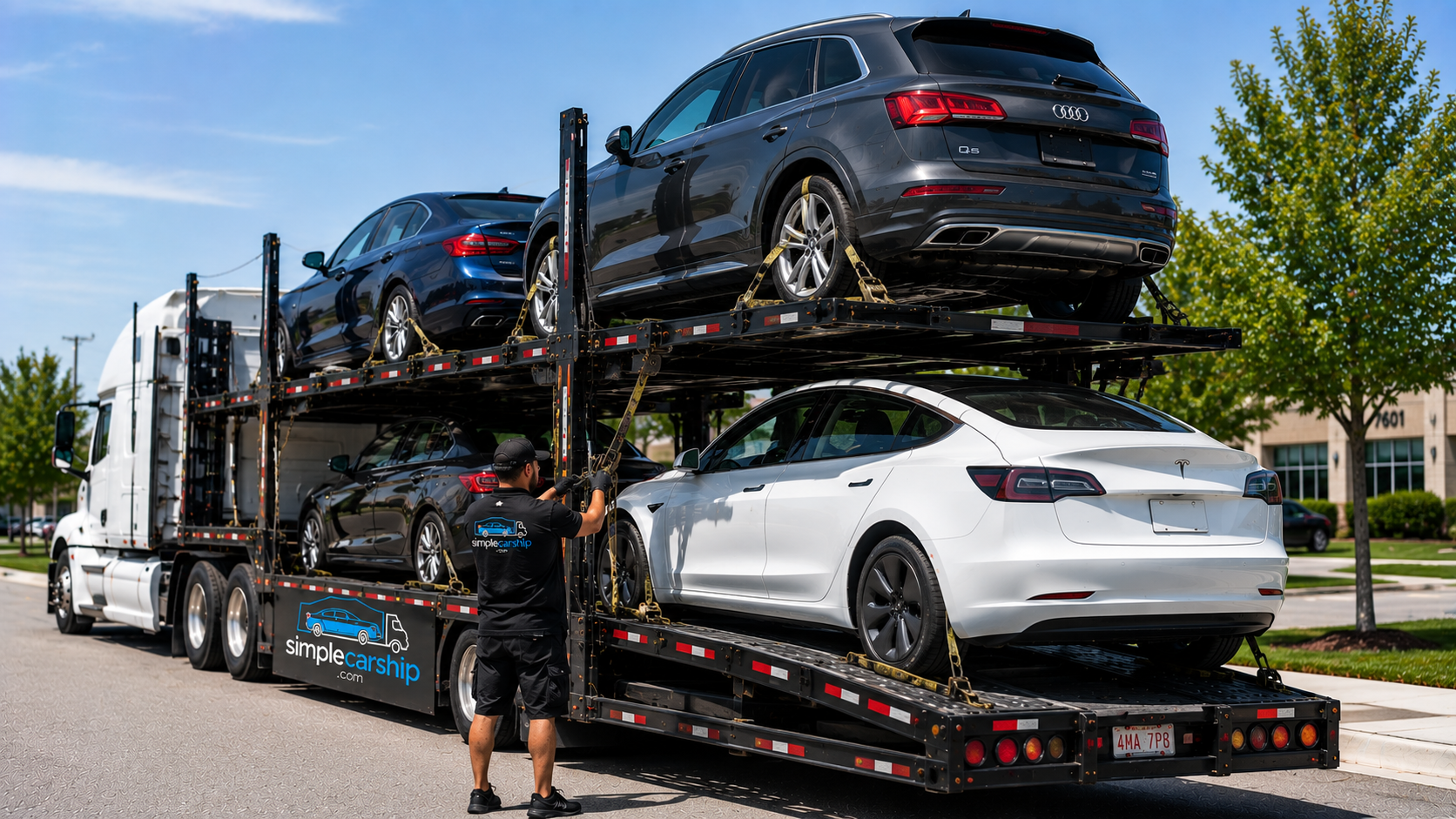
Open-carrier transport—the standard option where your car rides on a two-tier trailer alongside other vehicles—runs $710 to $865 for the Illinois-to-Ohio route. Enclosed transport, which shields your vehicle inside a covered trailer, costs $1,140 to $1,385. If you need guaranteed pickup within 24–48 hours, expedited open service is available starting around $1,160. The range exists because pricing adjusts for real variables: a sedan picked up in Naperville and delivered to Columbus sits at the low end; a full-size SUV moving from a rural Illinois town to a residential street in Cleveland costs more due to truck accessibility and the extra deck space your vehicle occupies.
Distance is the foundation—360 miles is a quick run for most carriers—but fuel, tolls, driver wages, and the current supply of trucks running eastbound all influence the final quote. Seasonal demand is fairly stable on this route; you won’t see the dramatic swings common on snowbird corridors. What does create variance is timing: ask for a quote on Monday for Thursday pickup and you’ll pay a premium. Book a week or two ahead and carriers bid more competitively. Vehicle condition matters, too—if your car doesn’t run, the carrier needs a winch, and that adds $75 to $150 to the base price.
Open vs. Enclosed Transport: Which Makes Sense for Illinois to Ohio?
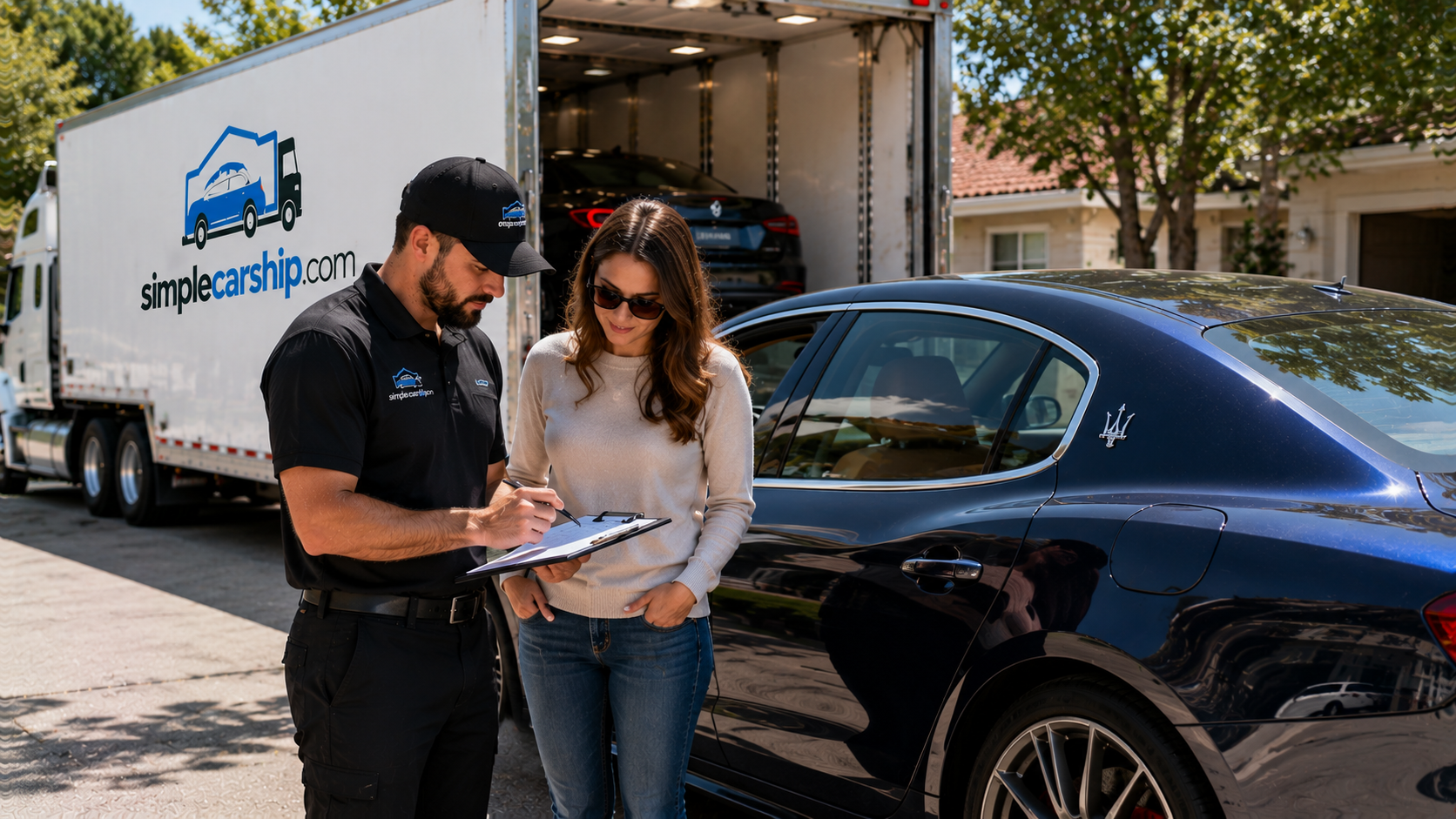
For most daily drivers, open transport is the straightforward choice. Your car is fully visible and exposed to weather, but carriers secure every vehicle with wheel straps and conduct pre-trip inspections. The 360-mile journey takes one to three days, and the odds of road debris or weather damage are statistically low on a haul this short. You save $430 to $520 compared to enclosed, and availability is high—dozens of carriers run Chicago-to-Ohio loads weekly, so pickup windows are flexible and competitive.
Enclosed makes sense when the vehicle’s value justifies the premium: classic cars, luxury models, exotic sports cars, or anything with custom paint, low ground clearance, or collector status. The hard-sided trailer protects against road spray, stone chips, and weather, and enclosed carriers typically haul fewer vehicles per load, meaning more careful handling and faster point-to-point transit. If you’re moving a restored Corvette from a Chicago garage to a Cincinnati showroom, the extra $430 buys real peace of mind. For a 2018 Honda Accord commuting to Columbus, open is plenty safe and the cost difference isn’t worth it.
| Feature | Open Transport | Enclosed Transport |
|---|---|---|
| Price (IL to OH) | $710–$865 | $1,140–$1,385 |
| Transit Time | 1–3 days | 1–3 days |
| Protection | Secured, weather-exposed | Fully enclosed, climate-shielded |
| Best For | Daily drivers, standard sedans/SUVs | Classics, luxury, exotics, custom builds |
How Illinois-to-Ohio Car Shipping Actually Works
Once you request a quote and book, Simple Car Ship assigns a dispatcher who coordinates directly with you and the carrier. Pickup happens in or near your chosen metro—Chicago and Naperville are the busiest Illinois hubs, with truck traffic flowing daily toward I-80 and I-90. On the Ohio side, Columbus, Cleveland, and Cincinnati anchor the delivery network. Carriers prefer main routes and accessible staging areas, but door-to-door service is standard as long as your street accommodates a full-size trailer (residential streets usually work; narrow alleys or low-clearance garages may require meeting the driver at a nearby lot).
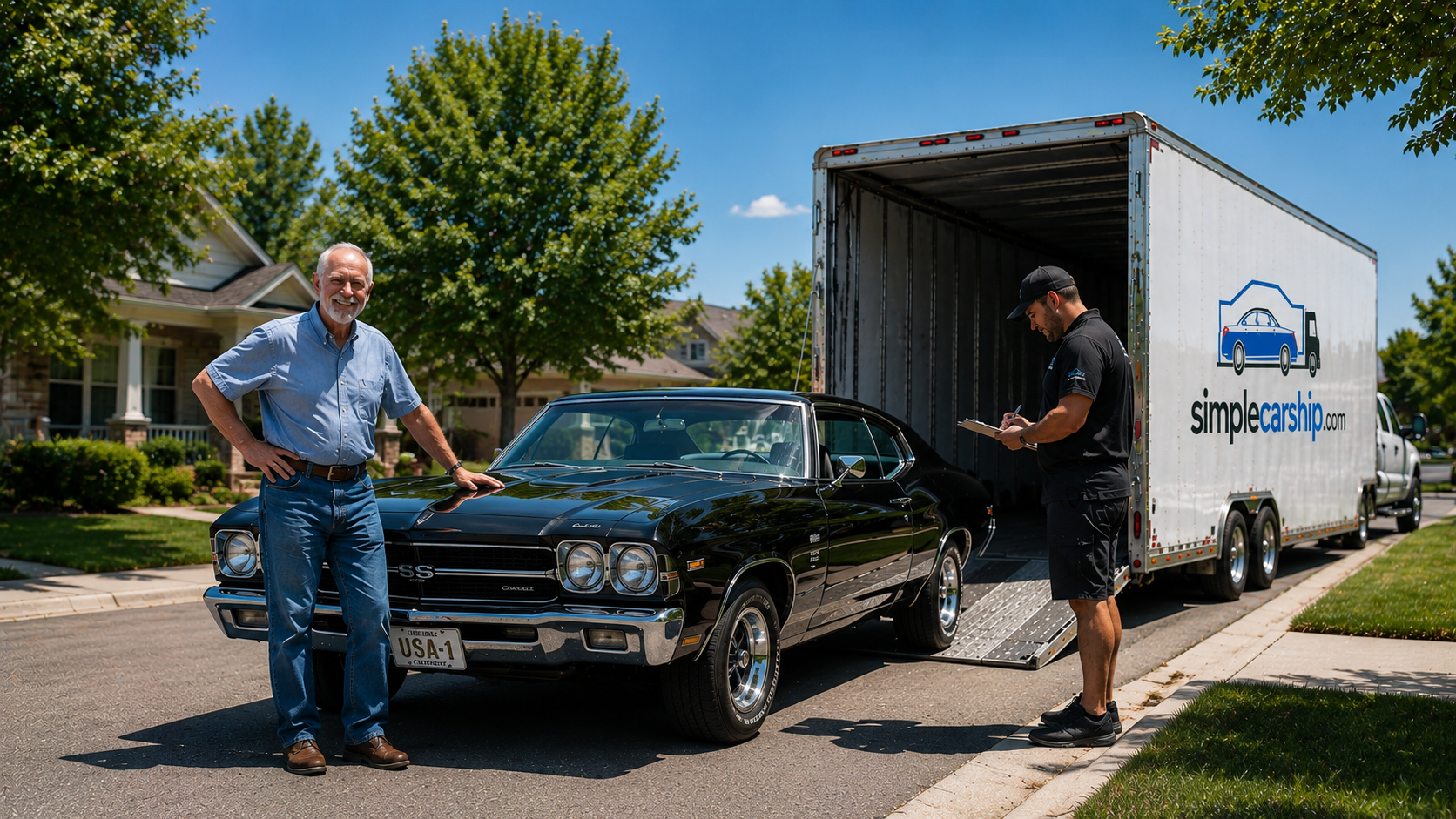
The driver inspects your car at pickup, documenting existing damage on a Bill of Lading you’ll both sign. You’ll receive a copy; keep it. The truck then rolls east across I-80 or I-90, covering the 360 miles in one to three days depending on how many other vehicles share the route and whether the carrier runs direct or makes intermediate drops. Transit is fast on this corridor—there are no mountain passes, no border crossings, no major weather disruptions outside of occasional winter storms. Upon delivery, you inspect the car again, compare condition to the original BOL, sign off, and pay the driver the remaining balance (usually via cash or certified funds; some carriers accept credit cards but confirm ahead).
Pickup and Delivery Logistics in Illinois and Ohio
In Illinois, Chicago dominates the shipping map—O’Hare access, major interstates, and dense carrier networks mean fast pickup and competitive pricing. Naperville and the western suburbs also see daily service. If you’re outside the metro, expect the carrier to route through the nearest truck-accessible highway; rural pickups add 50 to 100 miles of positioning, which can increase cost by $50 to $100 or extend the pickup window by a day. The same logic applies in reverse: shipping from Rockford or Peoria is possible, but you’re paying for the carrier’s deadhead miles to reach you.
Ohio’s three major metros—Columbus, Cleveland, and Cincinnati—form a triangle of high-frequency delivery zones. Columbus sits dead-center on I-70 and I-71, making it the easiest destination for carriers coming from the west. Cleveland serves the northern lakefront corridor, and Cincinnati handles southern Ohio and the Kentucky border. Delivery to Toledo, Dayton, or Akron is common, too; the state’s highway density keeps transit smooth. As with pickup, the driver will call 12 to 24 hours before arrival to confirm timing and location. If you’re receiving the car at a business or condo with restricted truck access, coordinate a nearby public lot in advance—most carriers are flexible as long as the location is safe and legal for a brief stop.
Why Simple Car Ship for Illinois to Ohio
We don’t operate like the typical broker who posts your job on a load board and walks away. Every shipment gets a dedicated dispatcher who vets carriers for insurance, safety ratings, and route experience before assigning your car. You’ll have one point of contact from quote to delivery—real human support, no call center shuffle. We explain what you’re paying for, why the price is what it is, and what to expect on pickup day. Clear quotes, real communication, no guesswork, no runaround.
Your shipment isn’t a load number. The Illinois-to-Ohio run is short enough that things move fast, but we still track the truck, stay in touch with the driver, and keep you updated if timing shifts. Carriers we work with carry a minimum $1,000,000 cargo insurance and current FMCSA authority (we verify both before dispatch). If something looks off—weather delay, mechanical issue, schedule conflict—you hear about it immediately, and we coordinate the fix. Ship your car the simple way: transparent pricing, hand-selected carriers, and a team that treats your vehicle like it matters, because it does.
Ready to get a real quote? Request your free, no-obligation estimate now—we’ll show you exact pricing for your dates, vehicle, and route, with every fee explained up front.
Frequently Asked Questions: Shipping a Car from Illinois to Ohio
- How long does it take to ship a car from Illinois to Ohio?
- Transit takes one to three days for the 360-mile haul. Most carriers complete the run in one to two days if routing direct, but multi-car loads with intermediate stops can stretch to three. Pickup scheduling adds lead time—book a week ahead for the widest carrier selection and shortest wait.
- Can I put personal items in the car during transport?
- Carriers allow up to 100 pounds in the trunk, below the window line, because items in the cabin can shift and cause damage or violate DOT regulations. Nothing valuable—insurance covers the vehicle only, not contents. Loose items also add weight, which affects the carrier’s axle limits and liability.
- What if my car doesn’t start or run?
- Non-running vehicles require a winch to load and unload, which adds $75 to $150 to the base price. The carrier needs advance notice so the driver brings the right equipment. Disclose this when booking; discovering it at pickup delays the job and may trigger a price renegotiation or cancellation.
- Is insurance included in the shipping cost?
- Every licensed carrier must carry cargo insurance—minimum $1,000,000 coverage—and it’s active during transit at no extra charge to you. The Bill of Lading documents pre-existing damage; any new damage discovered at delivery is filed as a claim with the carrier’s insurer. Your personal auto policy typically doesn’t cover transport.
- Do I need to be present for pickup and delivery?
- Yes. You or an authorized agent (anyone 18+ you designate) must be there to hand over keys, sign the Bill of Lading, conduct the vehicle inspection, and accept delivery. The driver will call 12 to 24 hours ahead to confirm timing, so coordinate your schedule or arrange a trusted proxy.

Related routes & guides
- Texas To Illinois car shipping
- California To Ohio car shipping
- Cost to ship a car from Texas To Ohio
- Cost to ship a car from Illinois To Florida
- Ohio To California car shipping
- Texas To Ohio car shipping
- Car Shipping Companies
- Best Car Shipping Companies
- Cross Country Car Shipping
- Open Vs Enclosed Auto Transport