How Much Does It Cost to Ship a Car from Colorado to Ohio?
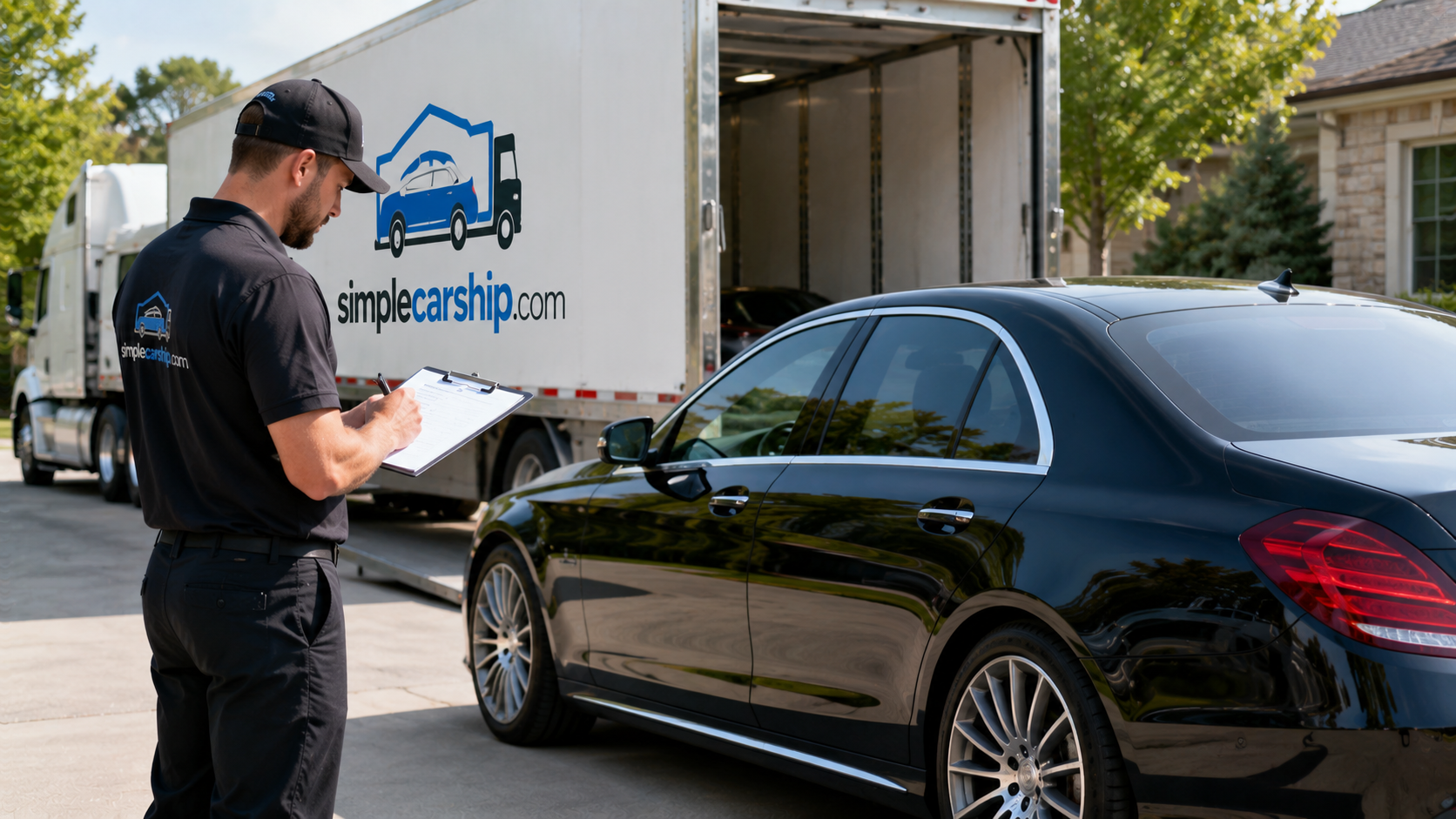
Shipping a car from Colorado to Ohio typically costs between $1,035 and $1,260 for open transport, or $1,655 to $2,015 for enclosed carriers. The final price depends on your vehicle type, the specific pickup and delivery cities you choose, current fuel prices, and carrier availability along the 1,259-mile route from the Rockies to the Midwest. Unlike opaque brokers who quote low then pivot, we show you real numbers up front—so you can budget accurately and choose the service level that fits your vehicle and timeline.
Get your instant car shipping price
Real quote in seconds — no spam, no runaround.
What Moves the Price on the Colorado–Ohio Route
Several factors shift where your quote lands within those ranges. Vehicle size and weight matter most: a compact sedan rides at the lower end, while a lifted truck or three-row SUV pushes the carrier’s weight limit and costs more. Pickup and delivery locations also play a role—Denver to Columbus on major interstates runs smoother and cheaper than a rural mountain town to a small Ohio village, where the carrier may need to dispatch a smaller truck or coordinate a meet point. Seasonality and fuel surcharges can add $50–150 during peak summer months or when diesel spikes, and requesting expedited service (guaranteed two-day pickup) raises the rate to around $1,686 for open transport. Finally, enclosed transport—where your car rides in a fully covered trailer—commands a premium because those carriers haul fewer vehicles per load and cater to classics, luxury models, and low-clearance sports cars that can’t risk road debris.
Carrier availability fluctuates week to week. Colorado’s Front Range sees steady eastbound volume, but if you’re shipping mid-week in the off-season you’ll often find more drivers competing for your load, which can pull the price toward the lower end of the range. Conversely, last-minute bookings during holiday weekends or winter ski season may tighten capacity and nudge rates upward. We monitor real-time lane data and match you with hand-selected carriers who run the I-70 and I-76 corridors regularly, so you get competitive pricing without the runaround.
Open vs Enclosed: Which Makes Sense for Colorado to Ohio
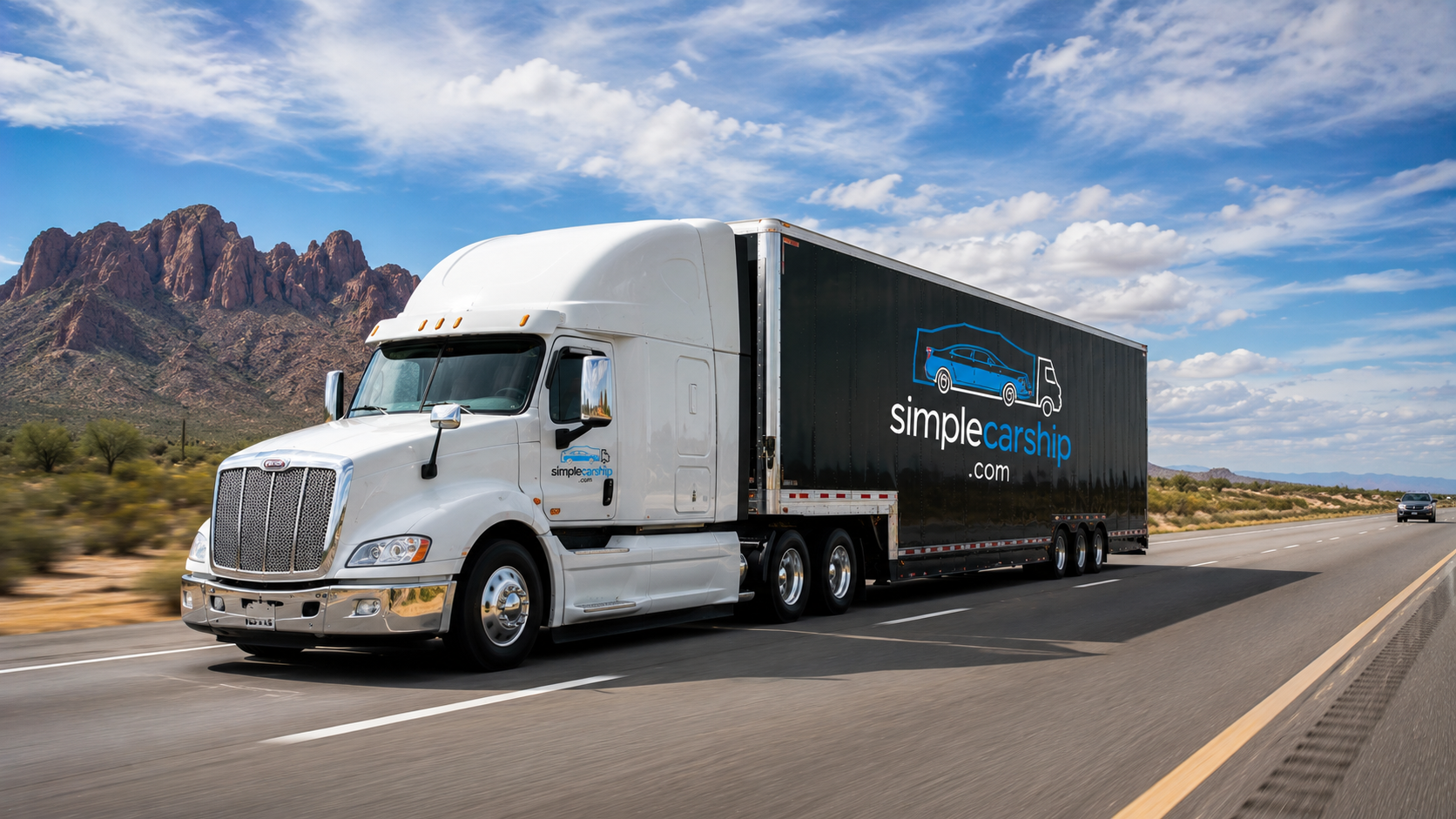
Open transport—the same multi-car carriers you see on the highway—handles roughly 90 percent of Colorado–Ohio shipments. It’s safe, efficient, and cost-effective for daily drivers, sedans, crossovers, and trucks in good working condition. Your vehicle will be exposed to weather and road spray, but professional carriers secure each car with wheel straps and perform pre- and post-trip inspections; damage claims are rare and covered by the carrier’s cargo insurance (typically $100,000–250,000 per load). For the 1,259-mile journey across the plains and into the Midwest, open is the straightforward choice when budget and speed both matter.
Enclosed transport costs 50–60 percent more but delivers complete protection: hard or soft-sided walls shield your car from rain, snow, hail, and road grit. Choose enclosed if you’re moving a classic muscle car, a European exotic, a freshly restored project, or any vehicle with custom paint, low ground clearance, or sentimental value that justifies the premium. Enclosed carriers run fewer trucks on the Colorado–Ohio lane, so booking windows can be slightly longer—plan three to five days’ lead time rather than next-day pickup. If your car is irreplaceable or worth north of $75,000, the extra $600–750 buys peace of mind you won’t get with open.
| Feature | Open Transport | Enclosed Transport |
|---|---|---|
| Price Range | $1,035–$1,260 | $1,655–$2,015 |
| Transit Time | 2–4 days | 2–4 days |
| Protection | Weather-exposed, fully insured | Fully enclosed, premium coverage |
| Best For | Daily drivers, sedans, SUVs, trucks | Classics, exotics, luxury, custom builds |
How Transit Works: Denver and the Front Range to Ohio’s Metro Triangle
Most Colorado pickups originate in Denver or Colorado Springs, where interstates I-25, I-70, and I-76 converge and carriers run regular eastbound routes. If you’re outside the Front Range—Durango, Grand Junction, Fort Collins—the carrier will either dispatch a smaller truck or arrange a meet point along the highway to keep costs down. On the Ohio side, the major delivery hubs are Columbus, Cleveland, and Cincinnati, all connected by I-70, I-71, and I-75. Door-to-door service is standard in metro areas; rural addresses may require delivery to the nearest truck-accessible road, where you’ll meet the driver and complete the final inspection.
Transit time averages two to four days for the 1,259-mile haul. Drivers typically cover 400–500 miles per shift, with mandatory rest breaks and occasional multi-stop routes if they’re delivering other vehicles along the way. Weather rarely delays this route—Colorado winter storms are usually confined to the high country, and Ohio sees lake-effect snow primarily north of Cleveland—but always build a one-day buffer if you need the car for a specific appointment. We provide driver contact details once dispatch is confirmed, so you can coordinate exact pickup and delivery windows directly.
How Simple Car Ship Handles Colorado–Ohio Shipments
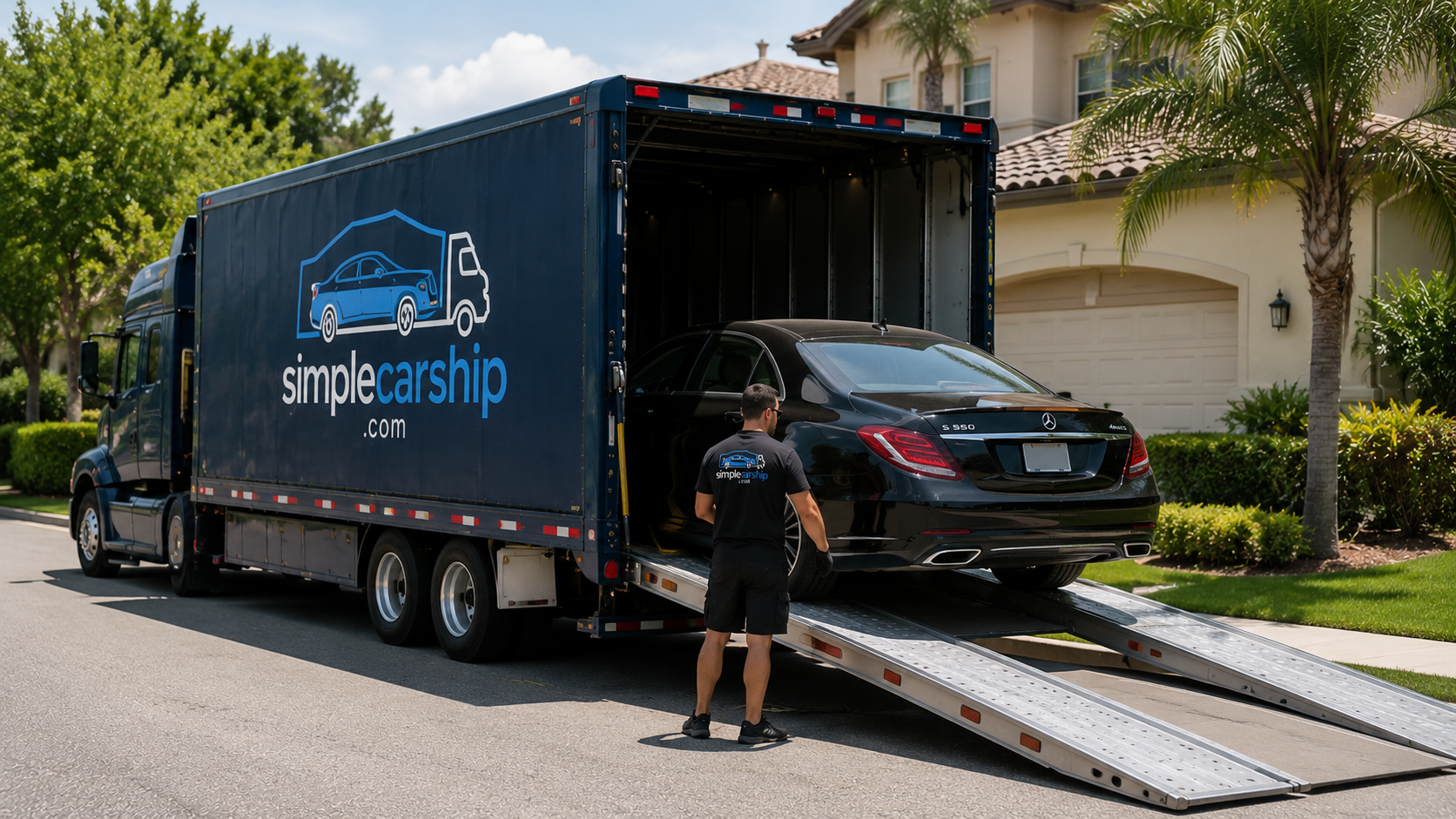
We built Simple Car Ship to fix what’s broken in the broker world: ghost quotes, bait-and-switch pricing, and vanishing communication. When you request a quote for Colorado to Ohio, you’ll talk to a real person who knows this lane—not a call center reading a script. We pull real-time rate data, explain why your quote sits where it does, and walk you through open versus enclosed so you can make the right call for your vehicle. Once you book, we hand-select a carrier from our vetted network (every driver is licensed, insured, and has a clean FMCSA record), then share their contact information before pickup so there’s no mystery about who’s hauling your car.
Your shipment isn’t a load number shuffled through a dispatch queue. We stay in the loop from pickup to delivery—if weather, a breakdown, or a route change shifts the timeline, you’ll hear it from us first, not discover it when the driver goes silent. And because we’re a small operation that depends on reputation rather than venture capital, we sweat the details: pre-trip photos, condition reports, real insurance certificates on file, and follow-up after delivery to make sure everything arrived as promised. Ship your car the simple way: clear quotes, real communication, no guesswork, no runaround.
Timing, Booking, and What to Expect
Carrier availability on the Colorado–Ohio lane is steady year-round, but lead time matters. Book five to seven days ahead for the widest selection of carriers and the best rates; last-minute requests (24–48 hours) limit your options and may add $100–200 to the price. If you need guaranteed expedited pickup within two days, the express rate sits around $1,686 for open transport, and we’ll prioritize carriers who can commit to that window. Enclosed bookings benefit from slightly longer lead times—three to five days—because fewer enclosed trucks run this route, and we want to match you with a driver whose schedule aligns cleanly with yours.
Prepare your vehicle the night before: remove toll tags, garage openers, and personal items (carriers’ cargo insurance excludes contents), top off fluids if the car is drivable, and document any existing scratches or dents with time-stamped photos. The driver will perform a joint inspection at pickup and note every mark on the Bill of Lading; you’ll repeat the process at delivery and sign off only when you’re satisfied. If you’re ready to get a firm quote, our form takes ninety seconds and returns real numbers—no email gates, no phone tag. Or call us during business hours and talk it through; we’d rather spend ten minutes answering your questions now than leave you guessing until the truck shows up.
Frequently Asked Questions: Colorado to Ohio Car Shipping
- What’s the average cost to ship a car from Denver to Columbus?
- Open transport from Denver to Columbus typically runs $1,035 to $1,260, depending on your vehicle size and booking lead time. Enclosed transport for that same 1,259-mile route costs $1,655 to $2,015. Sedans and compact SUVs land at the lower end; lifted trucks and three-row SUVs push toward the higher end due to weight and space.
- How long does it take to ship a car from Colorado to Ohio?
- Transit time averages two to four days for the 1,259-mile journey. Drivers cover 400–500 miles per shift with mandatory rest breaks, and multi-stop routes can add half a day. Pickup usually occurs within one to three days of booking, so total door-to-door elapsed time is typically four to seven days from quote to delivery.
- Is my car insured during transport from Colorado to Ohio?
- Yes. Every licensed carrier we work with carries federal cargo insurance, typically $100,000 to $250,000 per load, and many hold higher coverage. We provide a copy of the carrier’s insurance certificate before pickup. The Bill of Lading documents your car’s condition at origin and destination; any transport-related damage is filed directly with the carrier’s insurer.
- Can I ship an inoperable car from Colorado to Ohio?
- Absolutely. Non-running vehicles require a working parking brake and the ability to roll for loading and unloading. The carrier will use a winch to pull the car onto the trailer, which adds about $150–$200 to your quote. Disclose the non-op status when you book so we assign a carrier equipped with a winch and plan extra time at pickup.
- Should I choose open or enclosed transport for a Tesla or luxury EV on this route?
- Most Tesla and luxury EV owners choose enclosed transport to protect paint, glass, and delicate aerodynamic panels from road debris over 1,259 miles. The $1,655–$2,015 enclosed range is a small fraction of the vehicle’s value, and enclosed carriers have experience securing EVs and low-clearance models. Open is safe and insured, but enclosed eliminates weather and rock-chip risk entirely.