
How Much Does It Cost to Ship a Car from Virginia to Florida?
Shipping a car from Virginia to Florida typically costs between $955 and $1,160 for open transport, or $1,525 to $1,860 for enclosed carrier service. The 950-mile journey takes 2–4 days, and your final price depends on your pickup and delivery cities, vehicle size, carrier availability, and how quickly you need it delivered. Here’s exactly what moves the number—and how to ship your car the simple way.
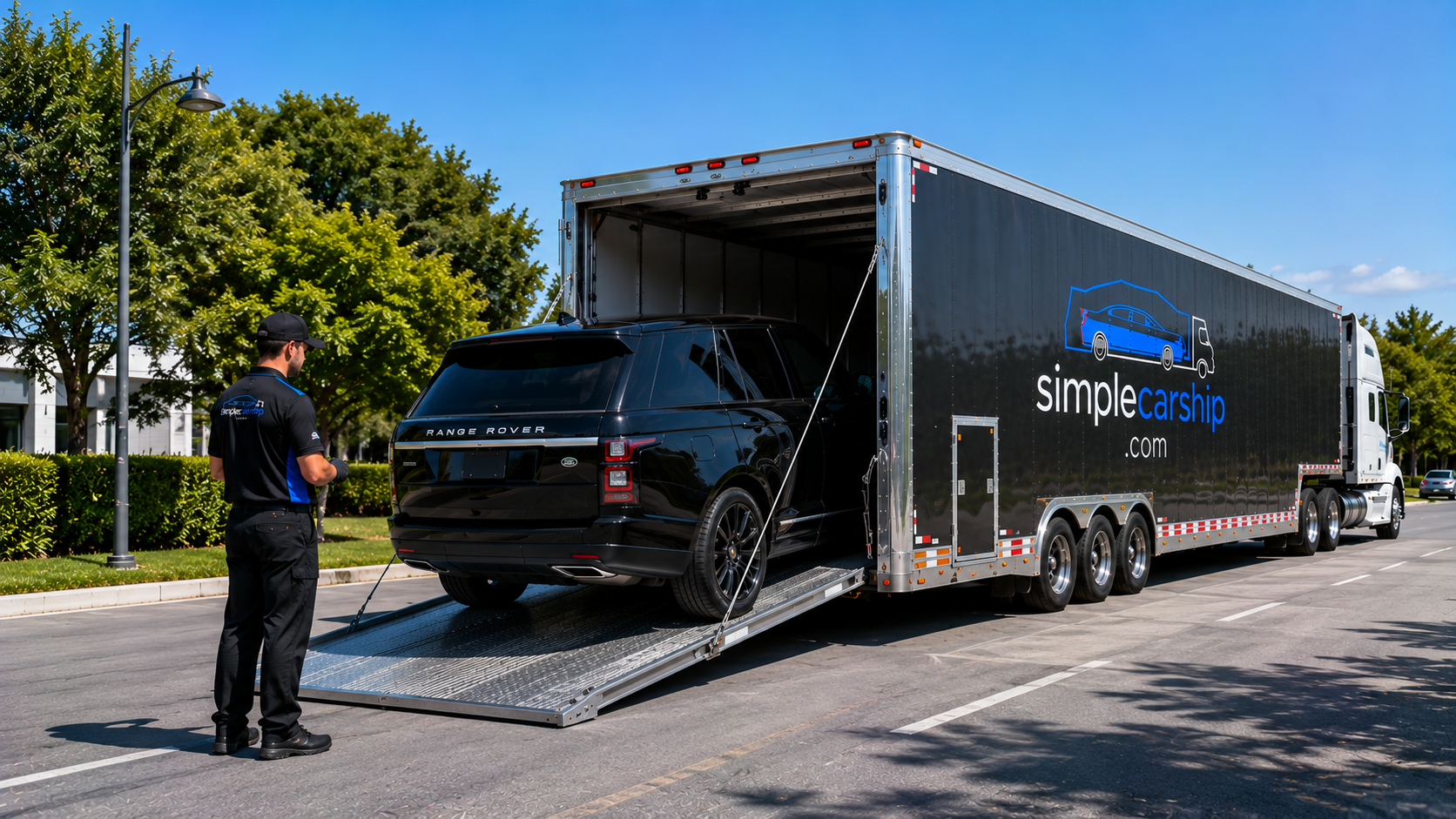
Get your instant car shipping price
Real quote in seconds — no spam, no runaround.
What Determines the Cost to Ship a Car from Virginia to Florida
The price you’ll pay breaks down into a few clear factors. Distance is the foundation: at roughly 950 miles, this is a mid-length East Coast corridor that carriers run frequently, which keeps rates competitive. Your specific cities matter—shipping from Richmond to Jacksonville is simpler and cheaper than a rural Virginia pickup to a gated community outside Naples, because carriers prefer metro areas with dense load boards. Vehicle size and weight come next: a Honda Civic costs less than a Chevy Tahoe because the Tahoe occupies more trailer space and burns more fuel. Open transport (your car rides on an uncovered multi-car trailer) is the standard; enclosed transport (fully protected inside a hard-sided trailer) costs 60–65% more but makes sense for high-value, classic, or luxury vehicles.
Seasonality plays a role on this route, though it’s less dramatic than snowbird corridors. Florida-bound demand ticks up slightly in late fall as Northern residents migrate south, and spring break can tighten carrier schedules in March. Fuel prices and carrier availability shift week to week, so quotes are time-sensitive. If you need your car delivered within 48 hours, expect to pay the express rate—around $1,556 for expedited open transport—because the carrier bumps other loads to prioritize yours. Flexible timing saves money; giving a five-day pickup window often drops the price by $75–150.

Open vs. Enclosed Transport: Which Makes Sense for Virginia to Florida
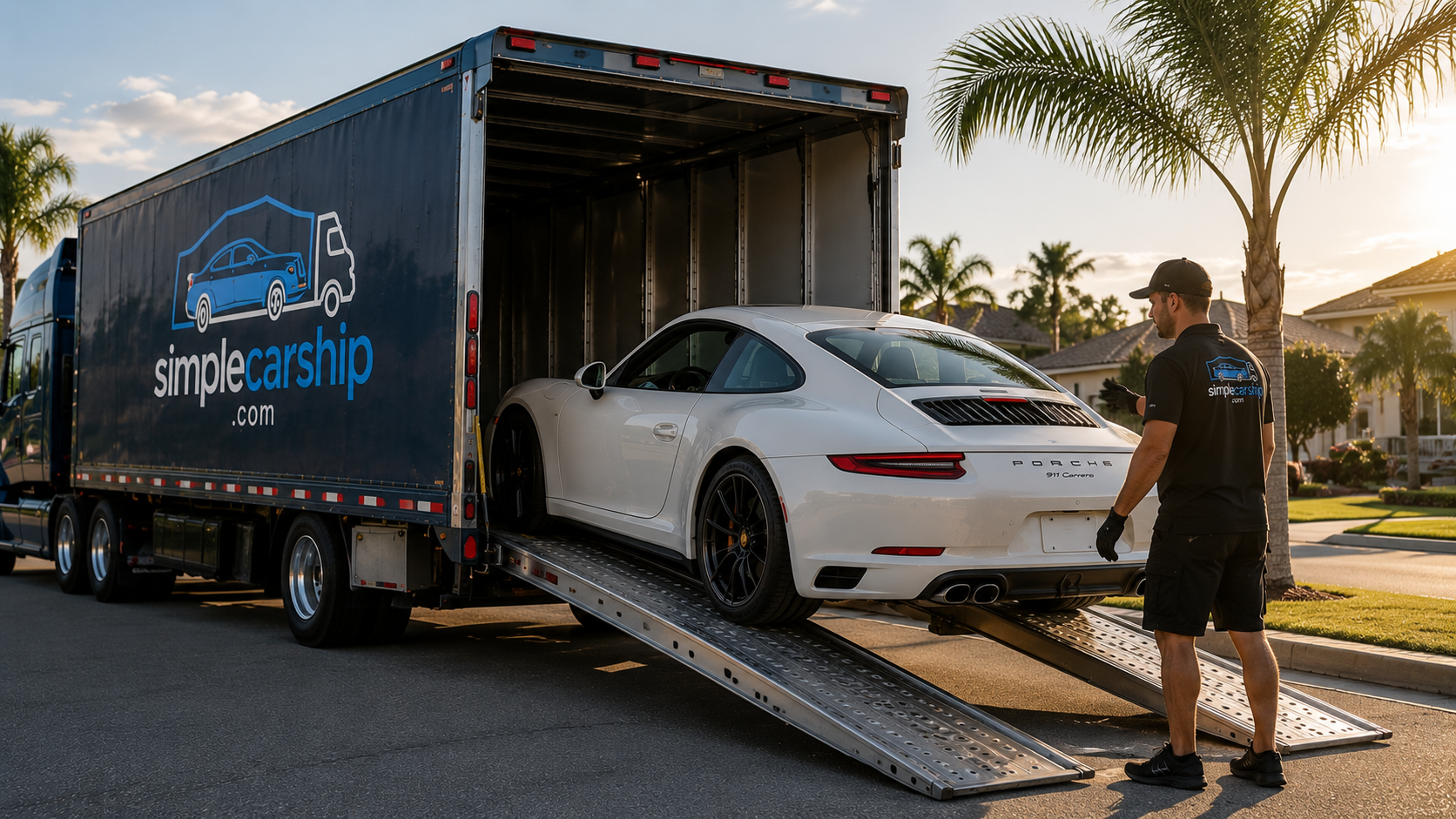
Most vehicles on the Virginia–Florida run ship open. It’s safe, insured, and the same method dealerships use to move inventory. Your car is exposed to weather and road spray, but carriers secure each vehicle and professional drivers run this route daily. For a daily driver, commuter car, or family SUV, open transport is the smart choice—you’ll save $500–700 and get reliable service. Enclosed makes sense when the vehicle’s value or condition justifies the premium: a restored Mustang, a Tesla Model S Plaid, a Porsche 911, or any car where a single windshield chip would bother you. Enclosed trailers typically carry 2–6 cars instead of 8–10, so availability is tighter and transit can add a day.
| Feature | Open Transport | Enclosed Transport |
|---|---|---|
| Price (VA–FL) | $955–$1,160 | $1,525–$1,860 |
| Transit Time | 2–4 days | 2–5 days |
| Protection | Insured; exposed to weather | Fully enclosed; maximum protection |
| Best For | Daily drivers, standard vehicles | Luxury, classic, exotic cars |
Pickup and Delivery: Metro Areas and Door-to-Door Service
In Virginia, most shipments originate from Richmond or Virginia Beach, the state’s largest metro areas with the densest carrier traffic. Northern Virginia (Arlington, Alexandria, Fairfax) also sees frequent pickups because of I-95 access. Carriers can reach smaller towns—Charlottesville, Roanoke, Lynchburg—but expect a $50–100 surcharge and potentially an extra day for positioning. On the Florida end, Miami, Orlando, Tampa, and Jacksonville are the major hubs. These cities anchor carrier routes, so you’ll often get better availability and tighter pricing. Coastal and inland Florida destinations like Fort Myers, Sarasota, Gainesville, and Tallahassee are all serviceable, though a delivery to the Keys or the Panhandle’s rural stretches may require a meet-point near a highway.
Door-to-door service is standard, but “door” means the nearest spot a 75-foot tractor-trailer can safely access. If your street has low-hanging trees, tight turns, or HOA restrictions, the driver will ask you to meet at a nearby grocery store or park-and-ride. This isn’t a runaround—it’s logistics. Communicate your address clearly when you book, and your dispatcher will flag any access concerns before the carrier arrives. Flexibility on pickup and delivery windows (even just a two-day range) dramatically improves carrier matching and often shaves $100 off the quote.
Transit Time and How to Plan Your Virginia–Florida Car Shipment
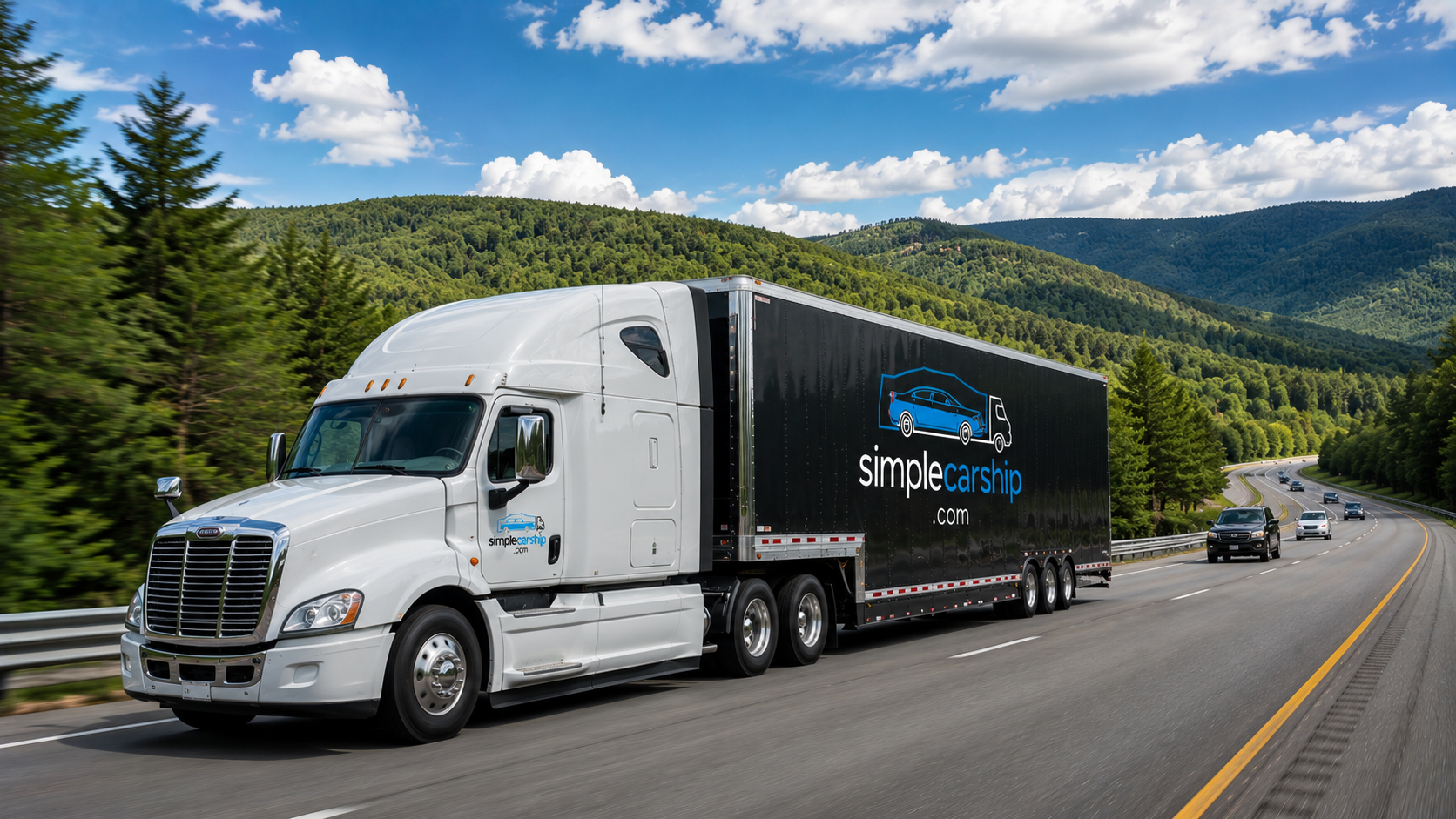
Expect your car to arrive in 2 to 4 days after pickup. A Richmond-to-Jacksonville run can land in two days if the carrier has a direct southbound route; Richmond to Miami typically takes three to four because of the extra 400 miles and urban delivery congestion. Enclosed shipments sometimes add a day because fewer trailers run the route and drivers often consolidate pickups. Express service guarantees faster dispatch—your car is typically picked up within 24 hours and delivered within 48—but at the $1,556 price point, it’s reserved for relocations, emergencies, or buyers who just closed on a vehicle and need it now.
Plan ahead when possible. Booking 7–10 days before your preferred pickup date gives dispatchers time to match you with a carrier running your exact lane, which improves price and reliability. Last-minute bookings (72 hours or less) are doable on this busy route, but you’ll pay a premium and have fewer carrier options. Avoid booking during major holidays (Thanksgiving week, Christmas, July 4th) when driver availability drops and prices spike 15–20%. If your timeline is firm—say, you’re flying one-way and need the car waiting when you land—communicate that upfront and consider express or guaranteed-date service.
How Simple Car Ship Handles Virginia to Florida Auto Transport
We don’t play the typical broker game. When you request a quote, you’ll speak with a real human who knows this route, not a call center reading a script. We’ll ask about your vehicle, your cities, and your timeline, then give you a clear price range—no bait-and-switch, no “prices starting at” nonsense. Once you book, we hand-select a carrier from our vetted network (licensed, insured, and proven on the Virginia–Florida corridor), then give you the driver’s name and number before pickup. Your shipment isn’t a load number; it’s your car, and you’ll know exactly who’s hauling it and when.
Real communication means you can text or call your dispatcher with questions, and you’ll get straight answers. If a carrier runs two hours late because of traffic in Richmond, we’ll tell you. If weather delays a pickup, we’ll rebook you immediately. We’ve handled daily drivers from Virginia Beach to Tampa, restored Camaros from Charlottesville to Miami, and Teslas from Arlington to Orlando. The route is straightforward, the carriers are experienced, and our job is to make the process match: simple, transparent, and predictable. Get a clear quote now—no guesswork, no runaround.
Frequently Asked Questions: Shipping a Car from Virginia to Florida
What is the average cost to ship a car from Virginia to Florida?
Open transport averages $955 to $1,160 for the 950-mile route, depending on your exact cities, vehicle size, and timing. Enclosed transport runs $1,525 to $1,860. Larger SUVs or trucks cost $100–150 more than sedans, and rural pickups or deliveries add $50–100. Flexible timing and metro-area locations yield the best rates.
How long does it take to ship a car from Virginia to Florida?
Transit takes 2 to 4 days after pickup. Richmond to Jacksonville can complete in two days on a direct route; Richmond or Virginia Beach to Miami typically takes three to four days. Enclosed transport may add one day due to fewer available trailers. Express service delivers within 48 hours but costs around $1,556.
Is open transport safe for the Virginia–Florida route?
Yes. Open transport is the industry standard—dealerships and rental fleets use it daily. Your car is fully insured (carriers hold $100,000+ cargo coverage), secured on the trailer, and driven by professionals who run this corridor regularly. Weather exposure is minimal over 2–4 days, and any transit damage is covered under the carrier’s policy.
Can I ship personal items inside my car from Virginia to Florida?
Carriers allow up to 100 pounds in the trunk or rear cargo area, kept below window level, because their insurance covers the vehicle only—not contents. Don’t pack valuables, and keep weight under the limit to avoid carrier rejection. Some carriers prohibit items entirely, so confirm when you book to avoid pickup-day surprises.
What cities in Florida have the best pricing and availability from Virginia?
Jacksonville, Orlando, Tampa, and Miami offer the best rates and fastest carrier matching because they’re major hubs with high shipment volume. Carriers run these lanes daily, so availability is strong year-round. Coastal towns, the Panhandle, and the Keys are reachable but may add $50–100 and an extra day for positioning.
Related routes & guides
- Florida To California car shipping
- Cost to ship a car from Virginia To New York
- Florida To Ohio car shipping
- Florida To New Jersey car shipping
- Cost to ship a car from Florida To Ohio
- Rv Transport From Florida To Michigan car shipping
- Car Shipping Companies
- Best Car Shipping Companies
- Cross Country Car Shipping
- Open Vs Enclosed Auto Transport