
How Much Does It Cost to Ship a Car from Florida to Washington?
Shipping a car from Florida to Washington—a 3,297-mile cross-country haul—typically costs between $2,725 and $3,315 for open transport, or $4,360 to $5,305 if you choose enclosed. The final price depends on your pickup and delivery cities, the size and weight of your vehicle, the season you ship, and how quickly you need it delivered. Understanding what drives these numbers helps you plan accurately and avoid surprises.
At Simple Car Ship, we give you a clear quote up front and assign a real person to coordinate your shipment—no load-number runarounds, no hidden fees. Here’s exactly what you’ll pay and why.
Get your instant car shipping price
Real quote in seconds — no spam, no runaround.
What Drives the Cost from Florida to Washington
Distance is the anchor: at 3,297 miles, Florida to Washington is one of the longest domestic routes, and fuel, driver wages, and equipment hours all scale with mileage. But distance alone doesn’t set the price. Carriers charge more for pickups or deliveries in smaller metros outside the I-5 and I-95 corridors—if you’re shipping from Key West to Bellingham instead of Miami to Seattle, expect an extra $150–$300. Vehicle size matters, too: a Ford F-250 takes up more trailer space and weighs more than a Honda Civic, so carriers add $200–$400 for full-size trucks and SUVs.
Seasonal demand tilts the math. Snowbirds moving back to the Pacific Northwest in late spring tighten carrier capacity on this route, nudging prices up 10–15 percent between April and June. Winter months (November through February) see lighter volume and softer pricing. If your timeline is flexible, shipping mid-week and giving carriers a seven-day pickup window can shave another $100–$200 off the quote. Expedited service—guaranteed pickup within 1–2 days and priority routing—runs about $4,442 for open transport, roughly 50 percent over standard rates.
Open vs. Enclosed: Which Makes Sense for a 3,300-Mile Route
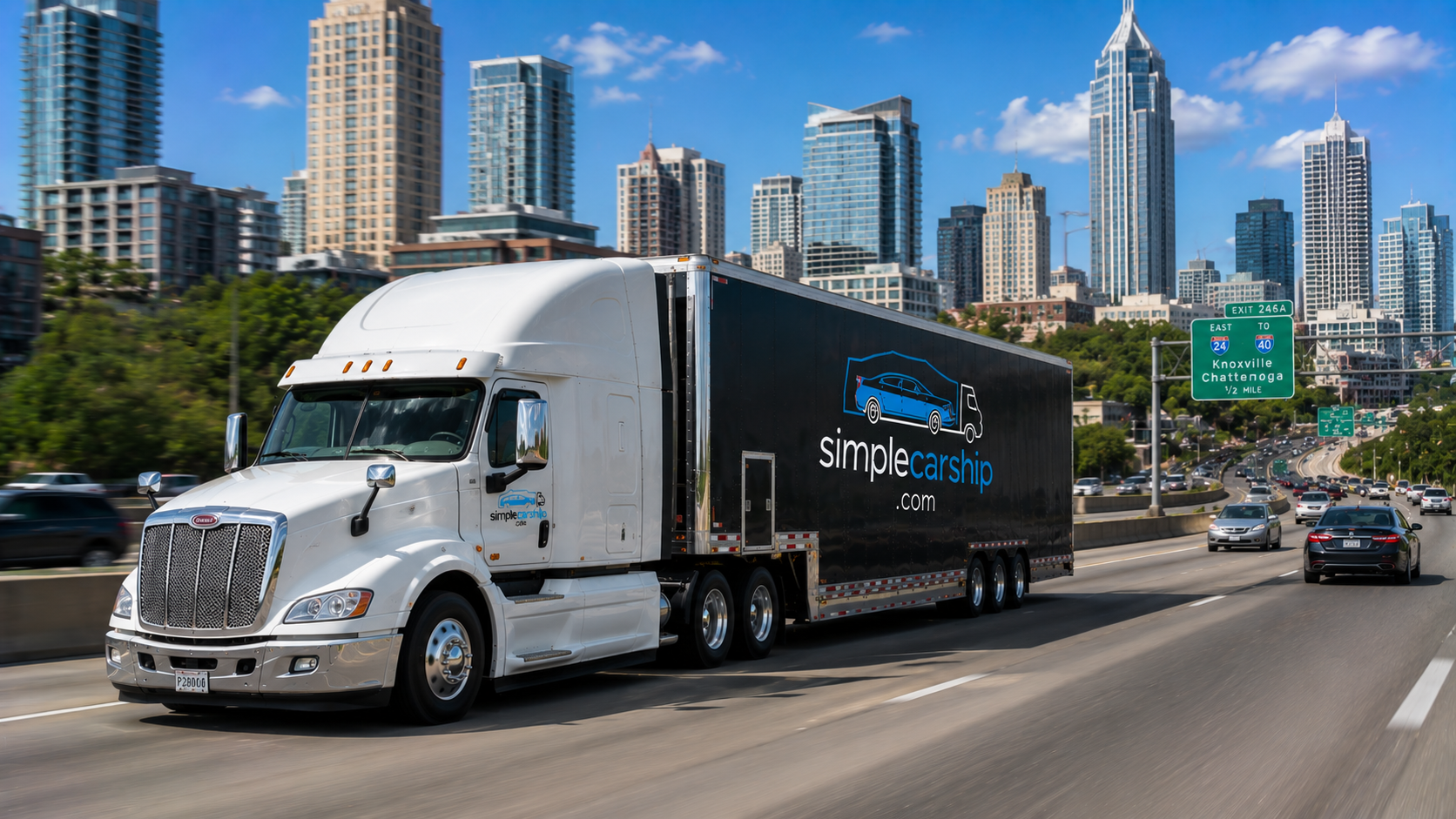
Open transport ($2,725–$3,315) is the workhorse of the industry: your car rides on a double-decker trailer exposed to weather and road spray, the same way dealerships move inventory coast to coast. For daily drivers, commuter sedans, and modern SUVs, open is safe, reliable, and costs nearly 40 percent less than enclosed. Carriers inspect vehicles at pickup and delivery, and insurance covers damage en route—claims are rare on professionally managed loads.
Enclosed transport ($4,360–$5,305) makes sense when the vehicle justifies the premium. Classic cars, exotic sports cars, luxury sedans with custom paint, and pristine collectibles benefit from hard-sided protection against rock chips, rain, and sun exposure over 3,297 miles and five to seven days on the road. Enclosed trailers carry fewer vehicles—typically two to four instead of eight to ten—so scheduling takes a day or two longer, but you gain true door-to-door white-glove handling. If your car’s value exceeds $60,000 or you’re moving a show-condition restoration, enclosed is cheap insurance.
How the Florida-to-Washington Route Works
Most carriers depart from Miami, Orlando, Tampa, or Jacksonville—Florida’s high-volume metros where trucks reload quickly—and run northwest through Georgia, Tennessee, and across the Great Plains before ascending I-84 or I-90 into Washington. The 3,297-mile trip takes five to seven days in typical conditions, depending on whether your driver runs solo (ten-hour daily limit) or team (near-continuous). Delivery concentrates in Seattle and Tacoma, the state’s urban centers with dense carrier networks; locations farther north or east—Spokane, Bellingham, the San Juans—often require a regional shuttle at extra cost.
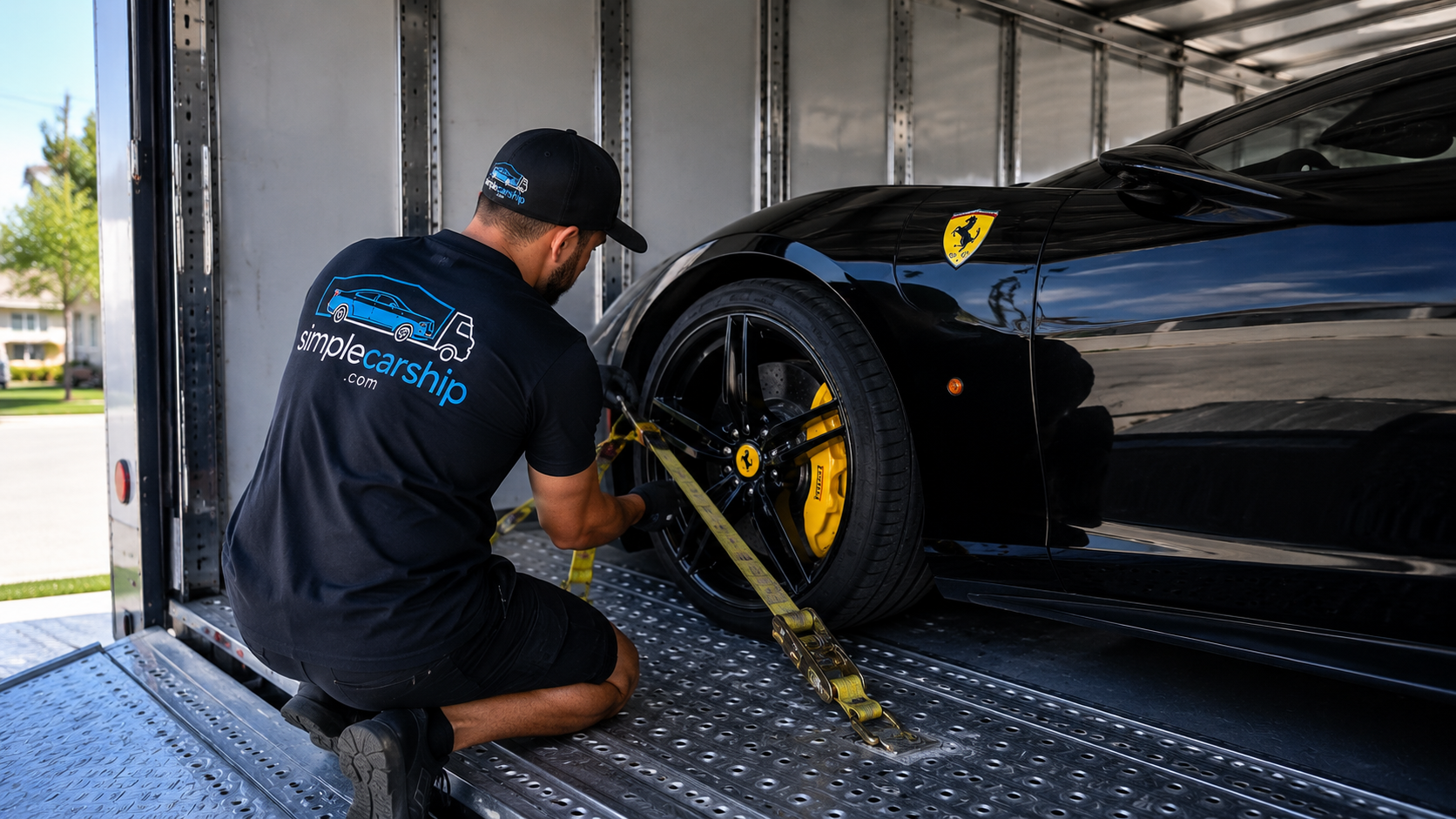
Pickup and delivery windows are ranges, not appointments. Carriers call 24 hours ahead to confirm a four-hour block; you or a designated agent must be present to hand over keys and sign the bill of lading. Before the driver loads your car, you’ll photograph all four sides and note every existing scratch, dent, and chip on the inspection report—that document is your proof of condition if a claim arises. Wash your car beforehand; dirt hides damage and slows the walk-around.
Timing, Scheduling, and What Slows Things Down
Standard transit is five to seven days from pickup to delivery, assuming your route runs during dry months and your carrier doesn’t wait for a backhaul. Weather rarely stops trucks in summer, but winter snowstorms in the Rockies or Cascades can add 12–24 hours. If you need guaranteed dates—relocation deadlines, vehicle registration appointments—choose expedited service: priority dispatch and dedicated routing cut variability, though you’ll pay that $4,442 premium.
Booking lead time affects both price and reliability. Reserve two to three weeks ahead and carriers bid competitively, especially in shoulder seasons (March, September, October). Book inside a week and you’re competing for leftover capacity at higher spot rates. If your pickup or delivery address sits more than a mile off a major highway, the driver may request a meet-point at a nearby truck-safe parking lot—a Walmart, truck stop, or shopping center—to avoid residential streets too narrow for a 75-foot rig.
How Simple Car Ship Handles Your Florida-to-Washington Shipment
We don’t post your car on a load board and hope for the best. When you confirm your order, a dedicated coordinator vets and hand-selects a carrier with active authority, current cargo insurance (minimum $1,000,000), clean FMCSA records, and positive history on cross-country routes. You get that carrier’s name, MC number, and driver contact before pickup—no mystery trucks, no bait-and-switch. Your coordinator tracks the load daily and texts you updates at pickup, mid-transit, and 24 hours before delivery.
If something changes—weather delay, mechanical issue, scheduling conflict—you hear it from us first, in plain English, with options. Your shipment isn’t a load number in a queue. We answer calls, reply to emails same-day, and handle carrier communication so you don’t chase strangers for updates. Clear quotes, real communication, no runaround. That’s how we do every move, Florida to Washington included.
| Factor | Open Transport | Enclosed Transport |
|---|---|---|
| Price (FL–WA) | $2,725–$3,315 | $4,360–$5,305 |
| Transit Time | 5–7 days | 5–7 days (sometimes +1 for scheduling) |
| Protection | Insured; exposed to weather and road spray | Fully enclosed; shielded from elements |
| Best For | Daily drivers, modern sedans, SUVs, trucks | Classics, exotics, luxury, high-value vehicles |
Ready to ship your car the simple way? Get a firm quote in two minutes—no phone tag, no pressure, just transparent pricing and a coordinator who’ll walk you through every mile from Florida to Washington.
Frequently Asked Questions: Shipping a Car from Florida to Washington
How much does it cost to ship a car from Florida to Washington in 2025?
Open transport averages $2,725 to $3,315 for the 3,297-mile route, while enclosed runs $4,360 to $5,305. Prices vary with vehicle size, pickup and delivery metros, season, and lead time. Larger trucks, rural addresses, and peak spring months push costs toward the higher end of each range.
How long does car shipping from Florida to Washington take?
Typical transit is five to seven days, depending on whether your carrier runs solo or team and whether weather or backhaul scheduling adds time. Expedited service can guarantee pickup within one to two days and prioritize routing, compressing total time but costing roughly 50 percent more at $4,442 for open transport.
Is open or enclosed transport better for a cross-country Florida-to-Washington move?
For daily-driver sedans and modern SUVs, open transport is safe and costs nearly 40 percent less. Choose enclosed ($4,360–$5,305) if your vehicle is a classic, exotic, luxury model, or worth over $60,000—the hard-sided trailer shields it from road spray, rock chips, and sun exposure over 3,300 miles.
Which Florida and Washington cities do carriers serve most easily?
Miami, Orlando, Tampa, and Jacksonville anchor pickup routes in Florida; Seattle and Tacoma dominate Washington deliveries. Trucks run these metros daily, so scheduling is faster and pricing more competitive. Rural or remote addresses—think the Keys or the Olympic Peninsula—may require meet-points or regional shuttles at extra cost.
Can I pack personal items inside my car during the Florida-to-Washington shipment?
Carriers typically allow up to 100 pounds in the trunk, below the window line, since DOT rules and insurance policies exclude household goods. Valuables, electronics, and fragile items should never go in the car—carrier cargo insurance covers the vehicle only, not contents, and items can shift or create liability during the 3,297-mile haul.
Related routes & guides
- Florida To California car shipping
- Classic Car Shipping From Florida To California car shipping
- Cost to ship a car from Texas To Florida
- Florida To Michigan car shipping
- Cost to ship a car from Florida To Virginia
- Cost to ship a car from California To Florida
- Car Shipping Companies
- Best Car Shipping Companies
- Cross Country Car Shipping
- Open Vs Enclosed Auto Transport