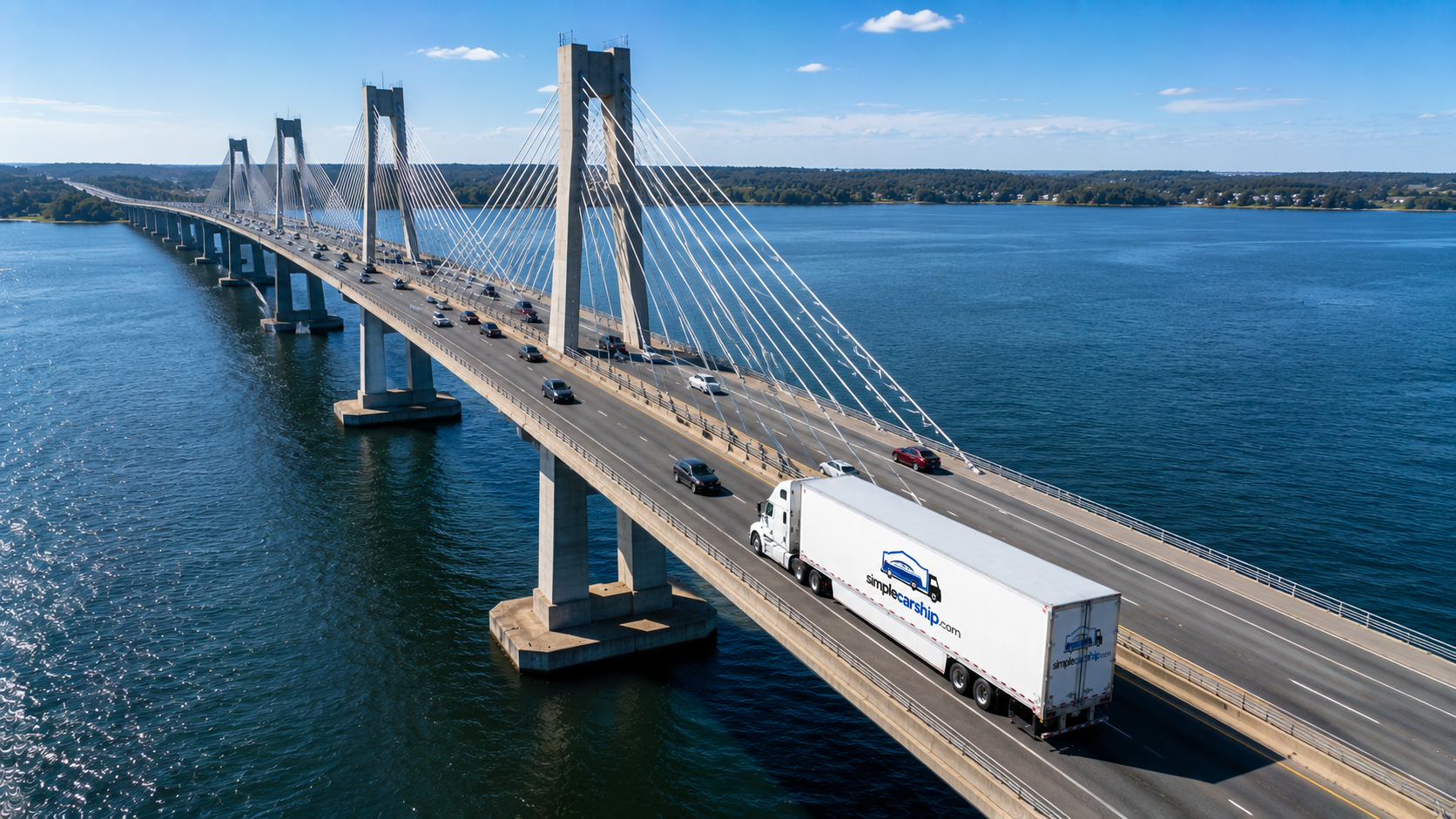
How Much Does It Cost to Ship a Car from Arizona to Indiana?
Shipping a car from Arizona to Indiana typically costs between $1,560 and $1,900 for open transport, while enclosed carriers run $2,500 to $3,045. The 1,701-mile route connecting Phoenix and Tucson to Indianapolis and Fort Wayne takes 3–5 days, and your final price depends on your vehicle size, trailer type, current fuel costs, and how flexible you are with pickup timing.
Get your instant car shipping price
Real quote in seconds — no spam, no runaround.
What Determines Your Arizona to Indiana Car Shipping Cost
The base price reflects the distance—1,701 miles of interstate hauling—but several factors push your quote up or down. Vehicle size matters: a compact sedan sits at the lower end of the $1,560–$1,900 open-transport range, while a full-size pickup or three-row SUV climbs toward $1,900 or beyond because it occupies more trailer space and adds weight. Enclosed transport doubles the protection and the cost, landing between $2,500 and $3,045, because enclosed trailers carry fewer vehicles and command premium rates.
Timing and flexibility are the hidden levers. If you need your car picked up tomorrow and delivered by a specific date, expect to pay the expedited rate—around $2,547 for express open transport—because the carrier has to reroute or dedicate capacity. Book a week or two ahead with a flexible pickup window, and you’ll stay at the lower end of the range. Fuel prices also move the needle: a spike in diesel can add $100–$200 to cross-country routes. Finally, your exact pickup and delivery addresses matter. Phoenix and Tucson sit on major trucking corridors, so pickups are straightforward; rural Arizona locations 50 miles off I-10 may add a repositioning fee. Same story in Indiana: Indianapolis and Fort Wayne are easy; a farmstead two counties over costs extra.

Open vs. Enclosed Transport for the Arizona–Indiana Route
Open transport is the standard for a reason: it’s reliable, widely available, and half the cost of enclosed. Your car rides on a two-level trailer exposed to weather and road dust, the same way dealerships move inventory coast to coast. For daily drivers, commuter cars, and most SUVs traveling from Arizona to Indiana, open transport makes perfect sense. The 1,701-mile haul crosses I-40 and I-65 through dry stretches of New Mexico, Texas, Oklahoma, and into the Midwest—weather is rarely an issue except for occasional summer thunderstorms.
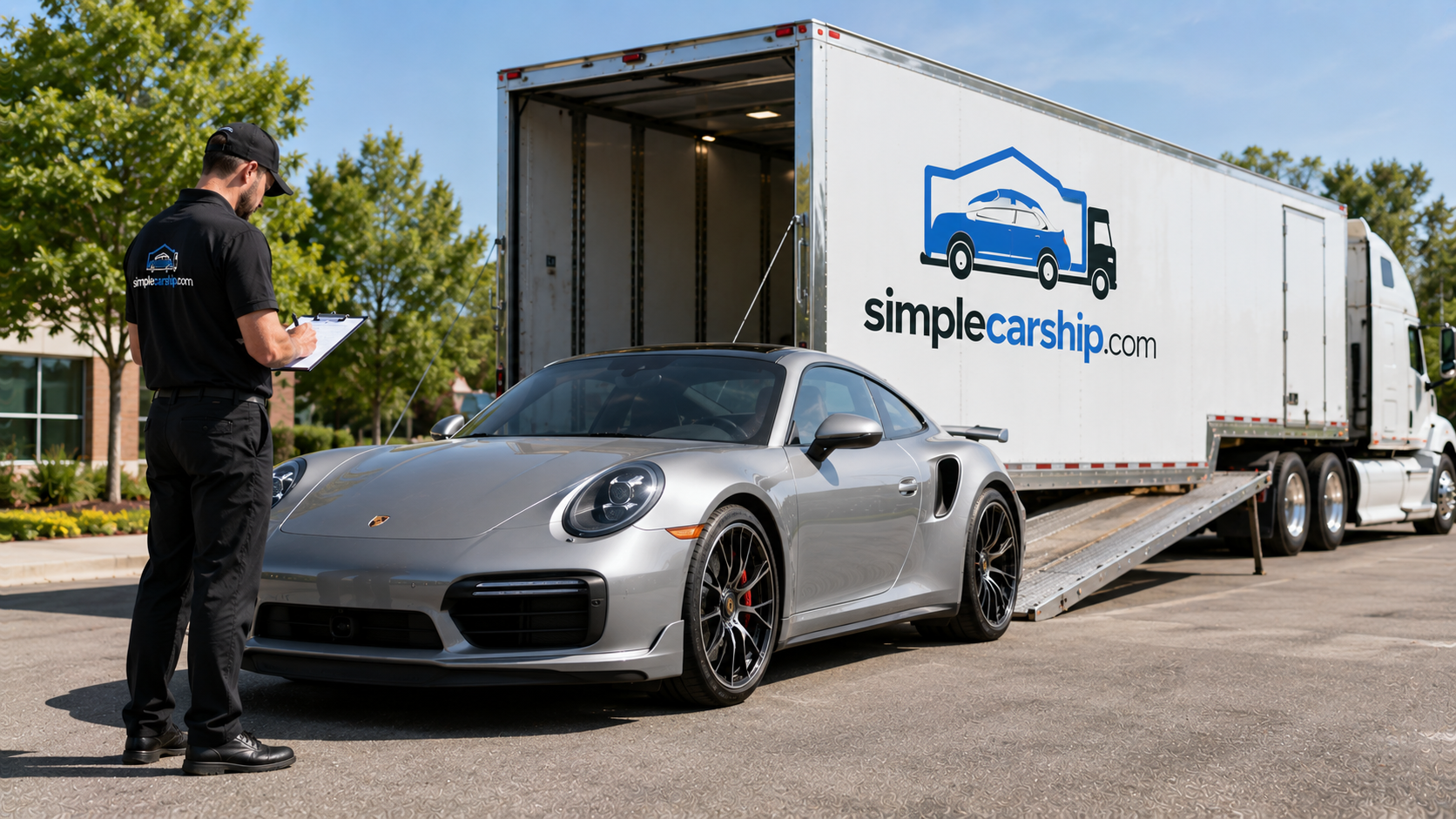
Enclosed transport suits high-value, classic, exotic, or freshly restored vehicles where every detail matters. The car rolls into a fully enclosed trailer, protected from road spray, sun, and prying eyes. If you’re moving a collector Corvette, a Tesla Model S Plaid, or a vintage Mustang you just spent $80,000 restoring, the extra $940 to $1,145 buys peace of mind. Enclosed carriers also run on tighter schedules with fewer stops, so your vehicle spends less time in transit.
| Feature | Open Transport | Enclosed Transport |
|---|---|---|
| Price AZ→IN | $1,560–$1,900 | $2,500–$3,045 |
| Transit Time | 3–5 days | 3–5 days |
| Protection | Weather-exposed, fully insured | Fully enclosed, premium coverage |
| Best For | Daily drivers, standard vehicles | Classics, exotics, luxury, new purchases |
How the Arizona to Indiana Route Works
Most carriers depart Phoenix or Tucson and follow I-10 east through southern New Mexico and the Texas Panhandle, then pick up I-40 through Oklahoma before cutting north on I-44 or I-65 into Indiana. The 1,701-mile journey typically takes 3 to 5 days depending on the carrier’s route, number of stops, and DOT-mandated rest breaks. Drivers log every hour and must take a 10-hour break after 11 hours of driving, so a direct solo run isn’t realistic; most shipments involve a handoff or a couple of intermediate pickups and drop-offs along the way.
Pickup in Arizona is usually fast. Phoenix and Tucson are major metro areas with constant carrier traffic, so finding a truck headed east rarely takes more than 1–3 days after booking. On the Indiana side, Indianapolis sits at the crossroads of I-65, I-69, and I-70, making it one of the easiest Midwest delivery points. Fort Wayne, connected via I-69, is nearly as convenient. If you’re outside those metros—say, Bloomington or Evansville—the carrier may ask you to meet at a nearby truck stop or shopping-center lot rather than navigate residential streets with a 75-foot trailer.
Timing Your Shipment and Booking Smart
There’s no pronounced seasonal swing on the Arizona–Indiana corridor—it’s not a snowbird route, and neither state sees the kind of winter shutdown that snarls northern-border crossings. That said, summer is the busiest season for long-haul auto transport nationwide, driven by family relocations, college moves, and military PCS orders. Book in June or July and you may wait an extra day or two for pickup and pay toward the higher end of the range. Late fall and early spring offer slightly better availability and occasional discounts as carriers reposition equipment.
The smartest move is to book 7–10 days before your ideal pickup date and offer a 3-day pickup window. That flexibility lets dispatchers slot your car into an existing route, keeping costs down. If you’re under a hard deadline—job start date, closing on a house, flight already booked—communicate that upfront and budget for the expedited rate. Trying to force a rock-bottom price with next-day pickup usually backfires; you’ll either pay a premium or get stuck waiting for a truck that never quite materializes.
How Simple Car Ship Handles Your Arizona–Indiana Move
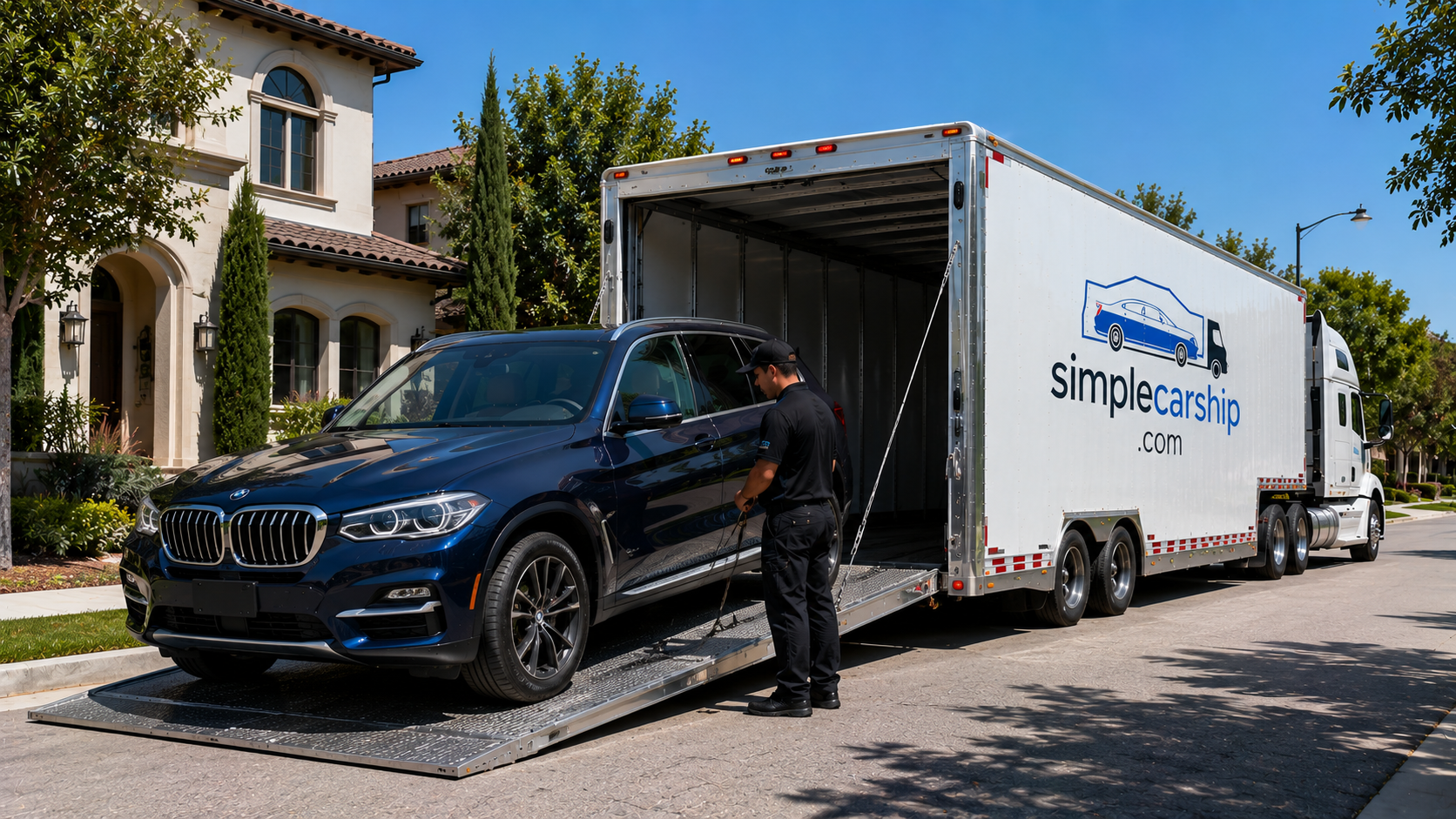
We don’t operate a giant call center where your shipment becomes a load number in a queue. When you request a quote, a real person reviews your route, checks current carrier availability on the Arizona–Indiana lane, and gives you a transparent price—no bait-and-switch, no “subject to change” fine print. Once you book, we hand-select a licensed, insured carrier with a solid track record on Midwest routes, then stay in contact from pickup in Phoenix or Tucson through delivery in Indianapolis or Fort Wayne.
You’ll get the driver’s contact information before pickup so you can coordinate directly, and we remain available if anything shifts—weather delay, an earlier-than-expected arrival, a question about your delivery location. Ship your car the simple way: clear quotes, real communication, no guesswork, no runaround. Your shipment isn’t a load number; it’s your vehicle, and we treat it that way. Ready to move forward? Get your free, no-obligation quote and lock in your rate today.
Frequently Asked Questions: Arizona to Indiana Car Shipping
How much does it cost to ship a car from Arizona to Indiana?
Open transport typically runs $1,560 to $1,900 for the 1,701-mile route, depending on vehicle size and timing. Enclosed carriers cost $2,500 to $3,045, while expedited open service runs around $2,547. Booking a week ahead with flexible pickup dates keeps you at the lower end of each range.
How long does Arizona to Indiana car shipping take?
Plan on 3 to 5 days in transit. Carriers follow I-10 east through New Mexico and Texas, then I-40 or I-44 north into Indiana. Total time includes DOT-mandated driver rest breaks and occasional intermediate stops for other pickups or deliveries along the route.
Is my car insured during transport from Arizona to Indiana?
Yes. Every licensed carrier holds cargo insurance covering your vehicle in transit. Open-transport policies typically cover up to $100,000–$250,000 per load; enclosed carriers often carry $500,000 or higher. You’ll receive a copy of the carrier’s insurance certificate before pickup, and you can file a claim for any transit damage.
Do I need to be present for pickup in Arizona and delivery in Indiana?
Yes, or a designated adult with your written authorization. Someone must be present to hand over keys, complete the condition report with photos, and sign the bill of lading at pickup in Phoenix or Tucson, then repeat the process at delivery in Indianapolis or Fort Wayne.
Can I ship personal items inside my car from Arizona to Indiana?
Carriers generally allow up to 100 pounds of personal belongings in the trunk or rear cargo area, kept below window level. Items are not covered by the carrier’s cargo insurance, and overloading can void coverage or trigger an extra fee. Never pack valuables, firearms, or perishables inside the vehicle.