
How Much Does It Cost to Ship a Car from Florida to Indiana?
Shipping a car from Florida to Indiana costs between $1,355 and $1,650 for open transport, and $2,170 to $2,640 for enclosed carriers. The final price depends on your pickup and delivery cities, the season, your vehicle’s size, and how quickly you need it there. The 1,196-mile route from cities like Miami, Orlando, Tampa, or Jacksonville up to Indianapolis or Fort Wayne is well-traveled by car carriers, which keeps availability steady and pricing competitive.
What actually moves the needle on cost? Flexibility. If you can give a carrier a 2–3 day pickup window and deliver to a metro area instead of a rural address, you’ll land closer to the lower end of those ranges. If you need guaranteed dates or door-to-door service to a smaller town, expect to pay more. Below, we’ll walk through exactly what you’re paying for, how transit works on this route, and how to choose the right service without the usual broker runaround.
Get your instant car shipping price
Real quote in seconds — no spam, no runaround.
What You’re Actually Paying For: Breaking Down Florida-to-Indiana Pricing
The $1,355–$1,650 open-transport range reflects standard shipping for a sedan or small SUV with flexible timing. Carriers run this north-south corridor frequently—snowbirds, college students, relocations—so capacity is usually available. Your quote climbs when you add variables: larger vehicles (trucks, oversized SUVs) take up more trailer space and add $150–$300. Inoperable cars require a winch and flatbed access, adding another $200–$250. And if you’re shipping from a barrier island like the Keys or a small town in the Panhandle, the carrier has to detour off the Interstate, which costs fuel and time.
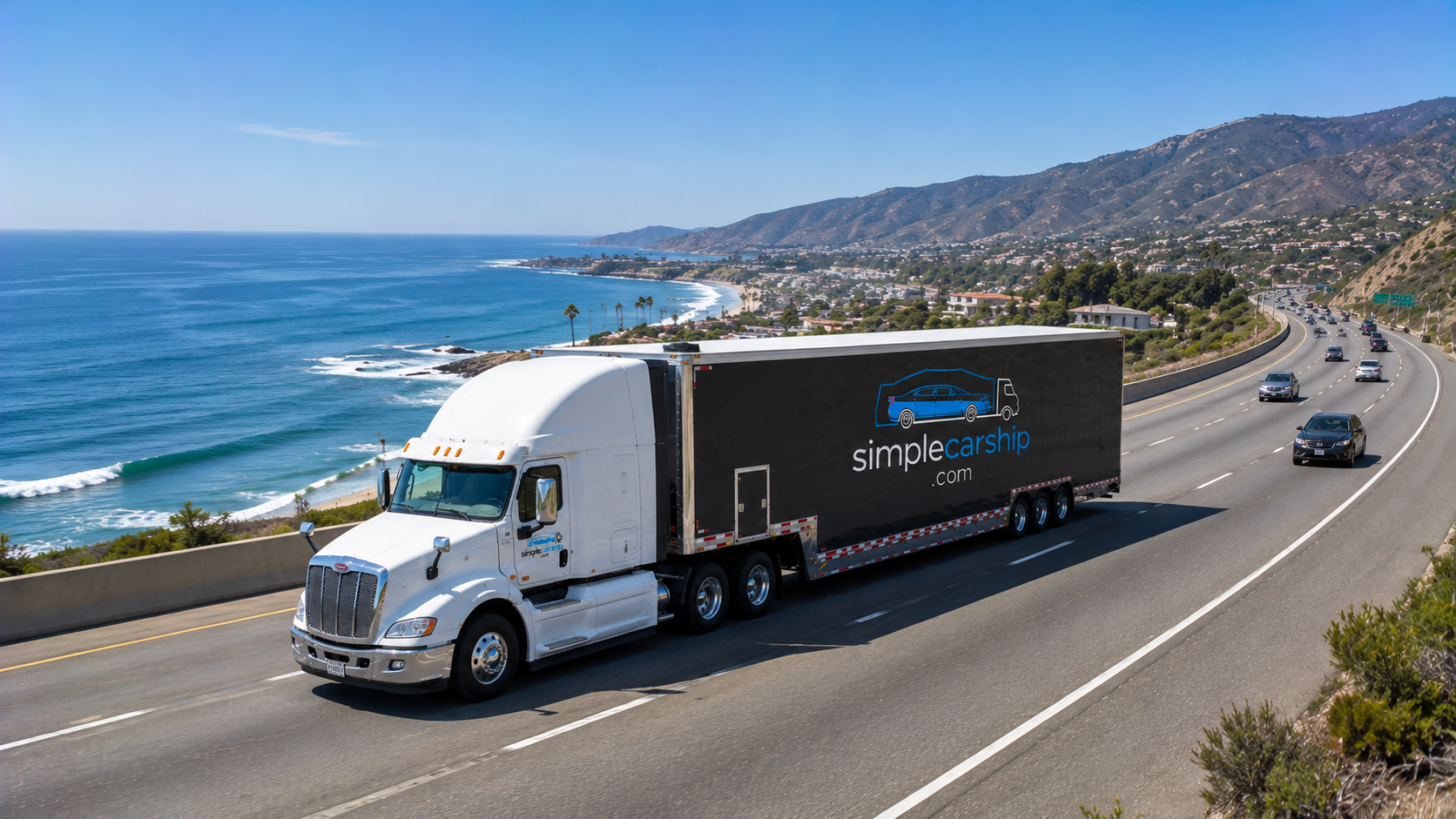
Enclosed transport—$2,170 to $2,640—makes sense for high-value, classic, or luxury vehicles. You’re paying for a fully enclosed trailer that protects against weather, road debris, and prying eyes. Enclosed carriers haul fewer cars per load (typically 2–6 versus 7–9 on an open trailer), so per-vehicle cost is higher. For a collector Corvette or a new Porsche, the extra $800–$1,000 is insurance against paint chips, sun damage, and the anxiety of watching your $80,000 asset roll down I-75 exposed to the elements.
Open vs. Enclosed Transport: Which Makes Sense for This Route?
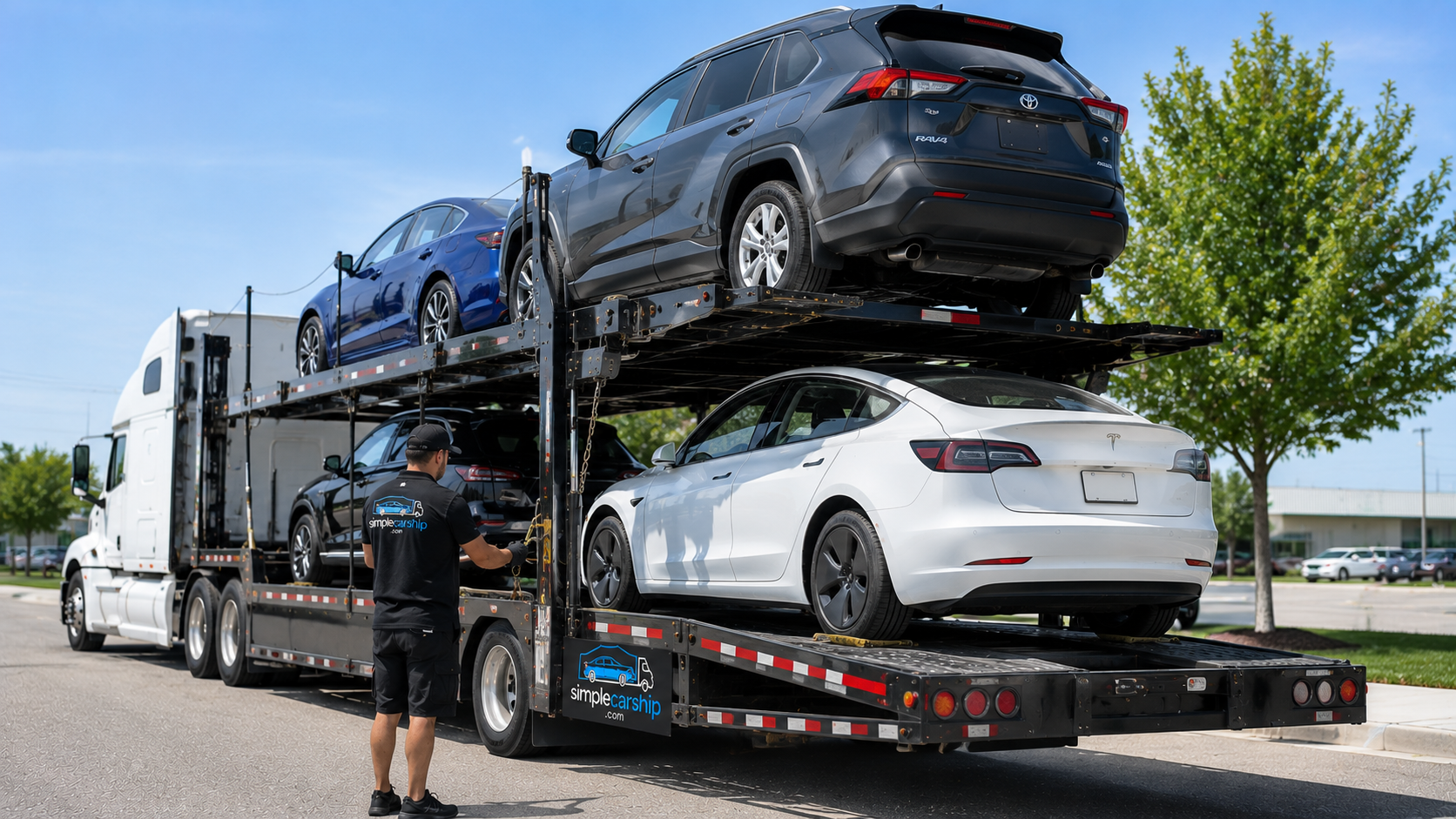
Most Florida-to-Indiana shipments go open. It’s how dealerships move inventory, how families relocate daily drivers, and how snowbirds get their Hondas and Subarus north every spring. The 1,196 miles cross I-75 and I-65—well-maintained interstates with steady traffic and plenty of truck stops. Weather is rarely a factor outside of summer thunderstorms, which pass quickly. Your car arrives with the same road dust it would collect if you drove it yourself.
Choose enclosed if your vehicle is worth more than $50,000, if it’s a classic with original paint, or if it’s a lease and you’re worried about door dings affecting your return inspection. Enclosed also makes sense for exotic or modified cars that sit low to the ground—the hydraulic liftgate and enclosed sides prevent scrapes and keep curious hands off at rest stops. For a 2015 Camry or a 2020 Explorer, open transport is the clear choice. For a 1967 Mustang or a Tesla Model S Plaid, go enclosed and sleep easier.
| Feature | Open Transport | Enclosed Transport |
|---|---|---|
| Price (FL–IN) | $1,355–$1,650 | $2,170–$2,640 |
| Transit Time | 2–4 days | 2–4 days |
| Protection | Weather/road exposure | Fully enclosed, climate-stable |
| Best For | Daily drivers, SUVs, economy cars | Luxury, classics, high-value vehicles |
How Transit Works: Pickup in Florida, Delivery in Indiana
The 1,196-mile haul from Florida to Indiana takes 2 to 4 days in transit, depending on the carrier’s route and how many other vehicles are on the load. Most carriers pick up in the major metros—Miami, Orlando, Tampa, Jacksonville—because those cities sit on or near I-95, I-75, and I-10, the main arteries north. If you’re outside these zones (think Ocala, Gainesville, or Fort Myers), the carrier may ask you to meet at a nearby park-and-ride or shopping center to avoid residential streets too narrow for a 75-foot trailer.
Delivery in Indiana typically happens in Indianapolis or Fort Wayne, the state’s two largest metros and natural logistics hubs. If you’re in Bloomington, Evansville, or South Bend, expect an extra half-day and possibly a small upcharge ($50–$100) for the carrier to route off I-65 or I-69. Carriers communicate pickup windows 24–48 hours in advance and call again when they’re an hour out. The driver inspects your car with you, notes any existing damage on a Bill of Lading, loads it, and gives you a copy. At delivery, you do the same walk-around, confirm condition, and sign off. The whole process is low-drama if you work with a broker who vets their carriers—which is the entire point of using Simple Car Ship instead of rolling the dice on a load board.
When to Book and What Affects Your Timeline
Most Florida-to-Indiana shipments book and move within a week. Give yourself 5–7 days if your dates are flexible, 10–14 days if you’re shipping during a peak period or need enclosed. Peak times on this route include late April through May (snowbirds heading north), August (college students moving to Indiana schools like IU, Purdue, Notre Dame), and the weeks around major holidays when carrier availability tightens. If you’re moving in June, July, or September, you’ll have more carriers to choose from and potentially better pricing.
Need it faster? Expedited open transport runs about $2,211 for this route and guarantees pickup within 24–48 hours with priority delivery. It’s worth it if you’ve already landed in Indiana, need the car for work Monday, and it’s currently sitting in your Tampa driveway. For everyone else, standard service with a 3–5 day pickup window saves you $500–$600 and still gets the car there within the same week. Weather delays are rare on this route—no mountain passes, no long desert stretches—so quoted transit times hold up year-round.
How Simple Car Ship Handles Florida-to-Indiana Auto Transport
We don’t operate like the churn-and-burn brokers who post your car on a load board and disappear. Every Florida-to-Indiana shipment gets assigned to a coordinator who hand-selects the carrier, verifies insurance, and stays in contact from quote to delivery. You’ll have a direct phone number and email—no ticket queues, no offshore call centers. Your shipment isn’t a load number; it’s your car, and we treat it that way.
Clear quotes. Real communication. No guesswork, no runaround. We give you the honest range up front ($1,355–$1,650 open, $2,170–$2,640 enclosed for this route), explain what affects final price, and connect you with carriers who have clean FMCSA records and current cargo insurance. If a carrier goes silent or a pickup window shifts, you hear it from us first—not from a voicemail two days later. Ship your car the simple way, backed by real human support who know this route inside and out.
Ready to move your car from Florida to Indiana without the usual broker nonsense? Get a transparent quote in 60 seconds—no phone number required unless you want to talk through your options. We’ll show you real pricing, real timing, and give you a coordinator’s name before you pay a dime.
Frequently Asked Questions: Florida to Indiana Car Shipping
How much does it cost to ship a car from Florida to Indiana?
Open transport averages $1,355 to $1,650 for sedans and small SUVs over the 1,196-mile route. Enclosed carriers cost $2,170 to $2,640. Larger vehicles, inoperable cars, or rural pickup/delivery locations add $150–$300. Expedited service with guaranteed 24–48 hour pickup runs about $2,211 for open transport.
How long does it take to ship a car from Florida to Indiana?
Transit takes 2 to 4 days once your car is loaded. Pickup typically happens within 3–5 days of booking during normal periods. Total door-to-door time averages 5–9 days. Expedited service guarantees pickup in 24–48 hours and delivery within 2–3 days, reducing total time to about 4–5 days.
Is open transport safe for the Florida-to-Indiana route?
Yes. The route follows I-75 and I-65, major interstates with consistent pavement and services. Your car is exposed to weather and road spray, the same as if you drove it. Carriers secure vehicles with wheel straps and perform pre- and post-trip inspections. Cargo insurance covers damage, though claims are rare on this well-traveled corridor.
Do carriers pick up from Miami, Orlando, Tampa, and Jacksonville?
Yes, all four metros see daily carrier traffic and offer the best availability and pricing. If you’re outside these cities—like in the Keys, Ocala, or the Panhandle—the carrier may request a meet-point at a nearby truck stop or parking lot to avoid narrow residential streets. Small delivery fees ($50–$100) sometimes apply for off-route detours.
Can I ship personal items inside my car from Florida to Indiana?
Carriers allow up to 100 pounds in the trunk or rear cargo area, below the window line, because DOT regulations govern weight distribution. Items must be secured and are not covered by the carrier’s cargo insurance. Most carriers will refuse the load if they see boxes stacked on seats. Shipping boxes separately via freight is safer and cleaner.