
How Much Does It Cost to Ship a Car from New York to Florida?
Shipping a car from New York to Florida typically costs $1,120–$1,360 for open transport and $1,790–$2,180 for enclosed transport. The final price depends on your exact pickup and delivery cities, the season you’re shipping in, and how quickly you need it delivered. This 1,286-mile corridor is one of the busiest car-shipping routes in the country, and prices swing dramatically during snowbird season when demand spikes.
Get your instant car shipping price
Real quote in seconds — no spam, no runaround.
What You’ll Pay to Ship a Car from New York to Florida
For standard open transport—where your car rides on an exposed multi-vehicle carrier—expect to pay between $1,120 and $1,360. Enclosed transport, which cocoons your vehicle inside a fully protected trailer, runs $1,790–$2,180. The spread within each range depends on your specific metro pair: shipping from Buffalo to Jacksonville will price differently than Long Island to Miami because of carrier routing and local demand. Vehicle size matters, too—a compact sedan lands at the lower end, while a full-size SUV or truck pushes toward the higher brackets due to weight and deck space.
Seasonality is the biggest wild card on this route. From October through April, tens of thousands of snowbirds migrate south, and carrier capacity gets tight. Prices can jump 20–30% above the ranges quoted here during peak weeks. If your timeline falls in snowbird season, book at least two to three weeks ahead to lock in a better rate and secure a spot. Summer and early fall offer softer pricing and faster carrier matches. If you need guaranteed pickup within 24–48 hours, expedited service is available for around $1,824, though standard scheduling—typically 2–4 days for transit plus a few days for carrier assignment—works fine for most people.
Open vs. Enclosed Transport: Which Makes Sense for New York to Florida?
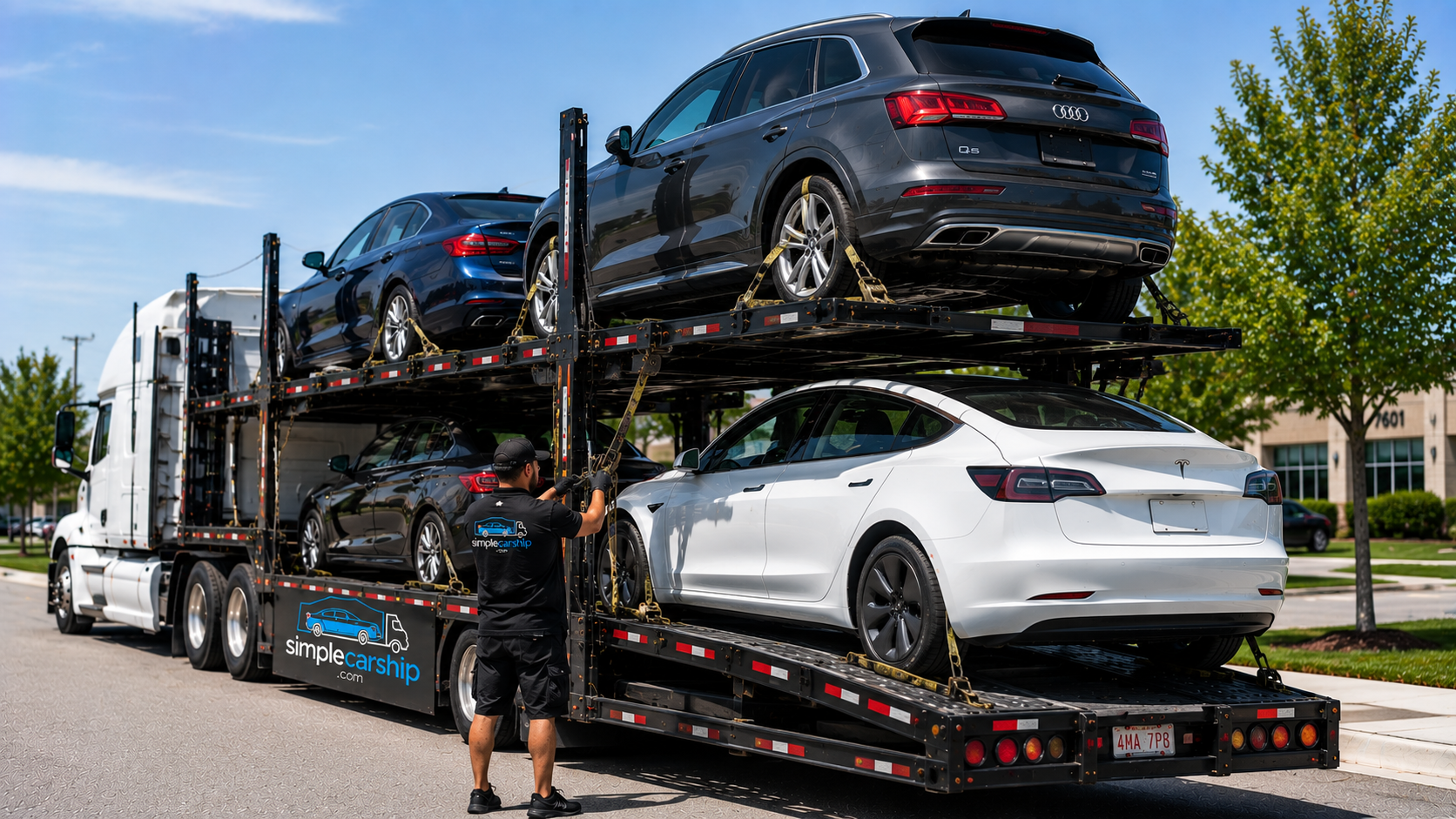
Open transport handles about 90% of vehicles on this corridor, and for good reason: it’s affordable, capacity is plentiful, and the risk of weather or road debris damage over 1,286 miles is statistically tiny. Daily drivers, recently purchased used cars, and even newer vehicles in solid condition ship open without issue. You’re sharing the carrier with five to nine other cars, which keeps the per-vehicle cost down. The trailer is exposed to the elements, but professional carriers secure every vehicle with wheel straps and conduct pre- and post-trip inspections.
Enclosed transport is the right call when your car’s value or condition demands extra protection. Classic cars, high-end European or luxury models, freshly restored project vehicles, and low-clearance exotics all benefit from the enclosed environment. The trailer shields your car from rain, road salt (relevant if you’re shipping in late winter from upstate New York), and highway debris. Enclosed carriers also haul fewer vehicles—typically two to six—so loading and unloading are gentler. If your car is worth north of $60,000 or holds sentimental value you can’t replace, the extra $600–$800 buys meaningful peace of mind over a route this long.
| Feature | Open Transport | Enclosed Transport |
|---|---|---|
| Price (NY–FL) | $1,120–$1,360 | $1,790–$2,180 |
| Transit Time | 2–4 days | 2–4 days |
| Protection Level | Exposed; weather/debris possible | Fully enclosed; shielded |
| Best For | Daily drivers, standard vehicles | Classics, luxury, high-value cars |
Pickup and Delivery Across New York and Florida
In New York, the busiest pickup metros are New York City, Long Island, and Buffalo. Carriers run dense schedules through the NYC metro and Long Island because of the sheer volume of shipments, so you’ll usually get a truck assigned within a few days. Buffalo and other upstate cities see regular service but slightly longer lead times since carriers often consolidate loads heading south. Most residential pickups work fine—the driver calls a day or two ahead to confirm a window, shows up with a 75-foot rig, and loads your car in about 20 minutes. If your street has low-hanging trees, tight turns, or narrow clearance, you may need to meet the carrier at a nearby open lot or shopping center.
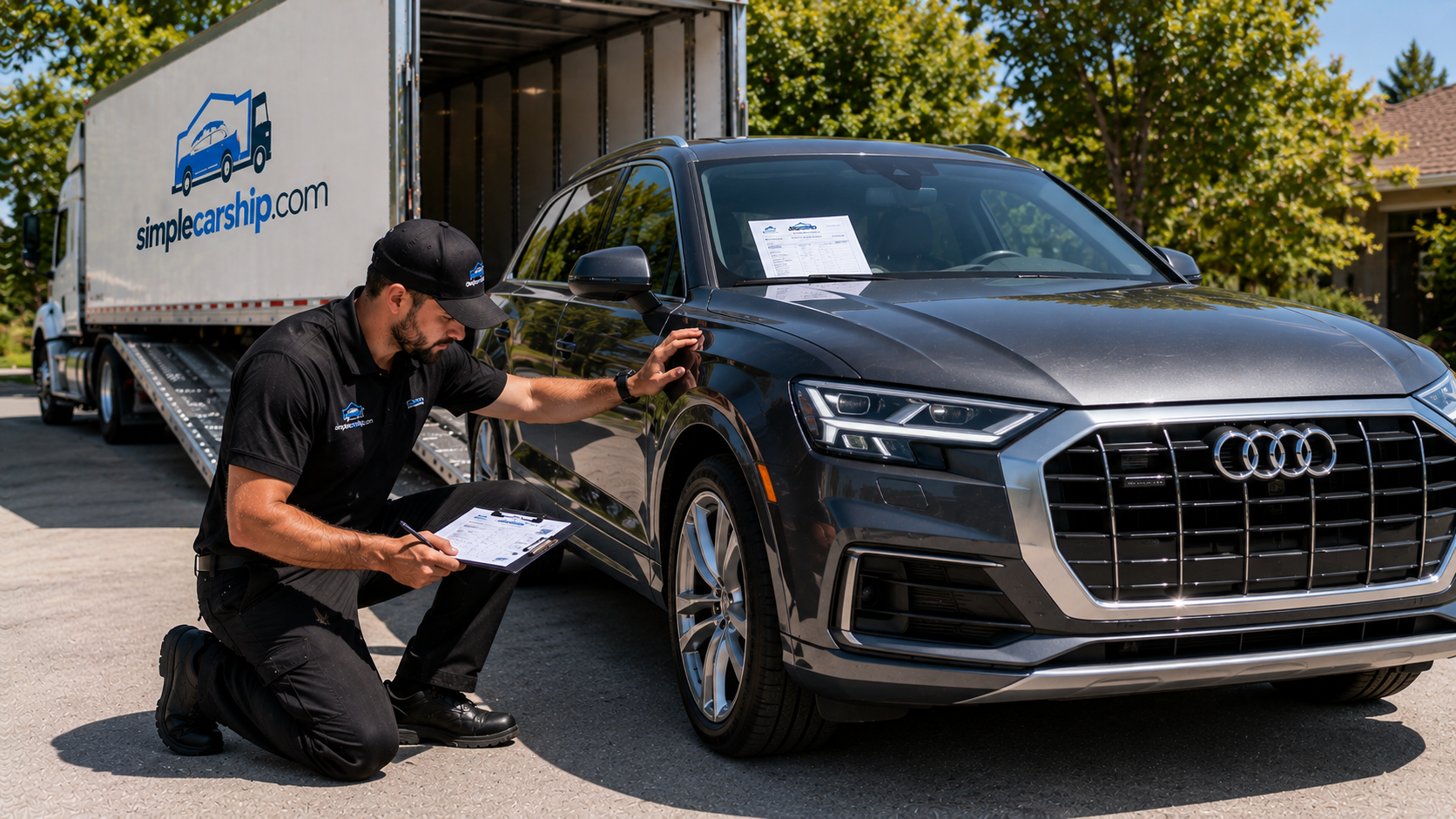
Florida delivery concentrates in Miami, Orlando, Tampa, and Jacksonville, though carriers service the entire state. South Florida—especially Miami-Dade and Broward counties—is the heaviest destination, so transit times and pricing tend to be most competitive there. Orlando and Tampa sit along I-4 and I-75, making them easy drops for carriers continuing to the Gulf Coast. Jacksonville serves as the northern gateway and often the first Florida stop for northbound or southbound routes. Delivery works the same as pickup: the driver confirms a window, you inspect the car together using the signed bill of lading, and you’re done. No need to be present at pickup if you arrange a proxy, but you or someone you authorize must be there for delivery to accept the vehicle and sign off.
Transit Time and Seasonal Realities on This Corridor
Under normal conditions, carriers complete the 1,286-mile run in 2–4 days once your car is loaded. The I-95 corridor is as direct as it gets—straight shot through New Jersey, Delaware, Maryland, Virginia, the Carolinas, Georgia, and into Florida—and carriers know every truck stop and weigh station by heart. Weather rarely delays transit except during nor’easters in the Mid-Atlantic or hurricanes in Florida, both of which are predictable enough to plan around. Most of the variability in total time comes before the truck rolls: carrier assignment and routing can add a few days on either end, especially if you’re shipping from or to a less-trafficked metro.
Snowbird season—October through April—changes everything. Demand for southbound New York-to-Florida shipments surges as retirees and seasonal residents move their vehicles south for the winter. Prices climb, carrier availability tightens, and dispatch windows stretch. If you’re moving a car during this window, book at least two to three weeks out and be flexible on your pickup date if possible. Northbound Florida-to-New York shipments in spring face the same crunch in reverse. Summer and early fall are the sweet spot: lower prices, faster carrier matches, and plenty of open deck space. If your schedule allows it, shipping outside snowbird season saves money and hassle.
How Simple Car Ship Handles New York–Florida Shipments
We don’t throw your car on the first available truck and hope for the best. Every carrier we work with is vetted for insurance, safety ratings, and track record on long-haul routes like this one. You get a dedicated coordinator who knows the New York–Florida corridor inside and out—pickup quirks in the five boroughs, timing around Port of Miami traffic, how to navigate snowbird season logistics. We’ll walk you through open versus enclosed based on your specific car and budget, not some commission structure. Once your car is assigned, you’ll have the driver’s direct contact and real-time updates, no black-box tracking apps that stop pinging halfway through Georgia.
Your shipment isn’t a load number cycled through a dispatch board. It’s your car, and we treat it that way. Clear quotes with no surprise fees at delivery. Real human support when you call or text with a question. If a carrier is running an hour late or needs to adjust the delivery window, you’ll know immediately. That’s the difference between a broker churning volume and a service built around communication and accountability. Get a clear quote for your New York–Florida shipment here—we’ll give you real numbers and real options, and you decide what makes sense.
Frequently Asked Questions: Shipping a Car from New York to Florida
How much does it cost to ship a car from New York to Florida?
Open transport typically costs $1,120–$1,360 for the 1,286-mile route, while enclosed transport runs $1,790–$2,180. Prices vary based on your exact pickup and delivery metros, vehicle size, and season. Snowbird season (October–April) pushes rates higher due to demand spikes.
How long does it take to ship a car from New York to Florida?
Transit takes 2–4 days once your car is loaded onto the carrier. Total time from booking to delivery depends on carrier assignment and scheduling, which can add a few days on either end. During peak snowbird season, expect longer lead times for dispatch.
Should I use open or enclosed transport for New York to Florida?
Open transport works for most daily drivers and standard vehicles, costing $1,120–$1,360. Enclosed transport ($1,790–$2,180) makes sense for classics, luxury cars, or high-value vehicles needing full weather and debris protection over 1,286 miles. Choose based on your car’s value and condition.
When is the cheapest time to ship a car from New York to Florida?
Summer and early fall (May–September) offer the lowest prices and fastest carrier availability because snowbird migration slows. October through April sees demand spikes and rates climbing 20–30% as seasonal residents move vehicles south. Book early if shipping during peak season.
Can I ship a car from Buffalo to Jacksonville at the same price as NYC to Miami?
Prices vary slightly by metro pair because carrier routing and local demand differ. Buffalo to Jacksonville may run $50–100 less than Long Island to Miami due to lower pickup density upstate. Both routes fall within the $1,120–$1,360 open and $1,790–$2,180 enclosed ranges quoted.
Related routes & guides
- Cost to ship a car from New Jersey To New York
- New York To California car shipping
- North Carolina To Florida car shipping
- Cost to ship a car from Florida To Pennsylvania
- New York To Florida car shipping
- Michigan To Florida car shipping
- Car Shipping Companies
- Best Car Shipping Companies
- Cross Country Car Shipping
- Open Vs Enclosed Auto Transport