
How Much Does It Cost to Ship a Car from South Carolina to California?
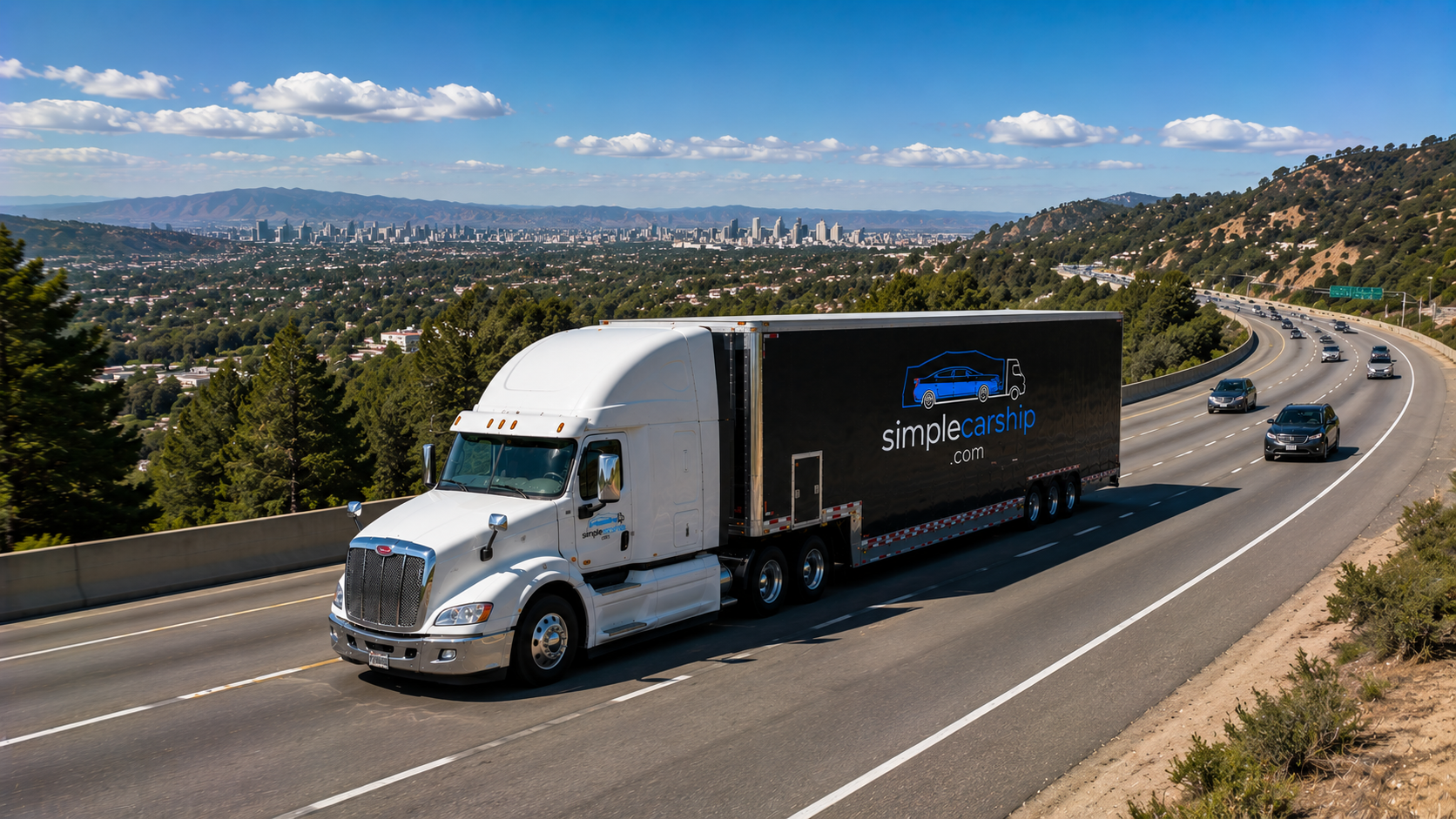
Shipping a car from South Carolina to California typically costs between $1,975 and $2,405 for open transport, or $3,165 to $3,850 for enclosed transport across the 2,485-mile journey. The final price depends on your vehicle type, the season you ship, your exact pickup and delivery locations, and how quickly you need it delivered. Here’s what actually moves the number—and how to ship your car the simple way.
Get your instant car shipping price
Real quote in seconds — no spam, no runaround.
What Drives the Cost of South Carolina to California Auto Transport
Distance is the foundation—2,485 miles coast-to-coast means fuel, driver wages, and wear across five to six states. But route popularity matters just as much. High-traffic lanes like Charleston or Columbia to Los Angeles or San Diego see regular carrier availability, which stabilizes pricing. If you’re picking up from a rural SC town or delivering to a smaller California city outside the major metros, expect a $150–$250 flexibility premium because carriers need to detour from their primary routes.
Vehicle size and weight shift the math, too. A compact sedan fits easily on a ten-car hauler and costs less per mile than a three-row SUV or a lifted truck, both of which consume more deck space and add weight. Seasonal demand spikes—summer moving season, early fall college relocations—can push rates up 10–15 percent. Winter is typically softer. If you need guaranteed pickup within 48 hours, expedited open transport runs around $3,224, roughly 35 percent above standard open rates, because the carrier prioritizes your vehicle and adjusts their schedule.
Open vs. Enclosed Transport: Which Makes Sense for This Route
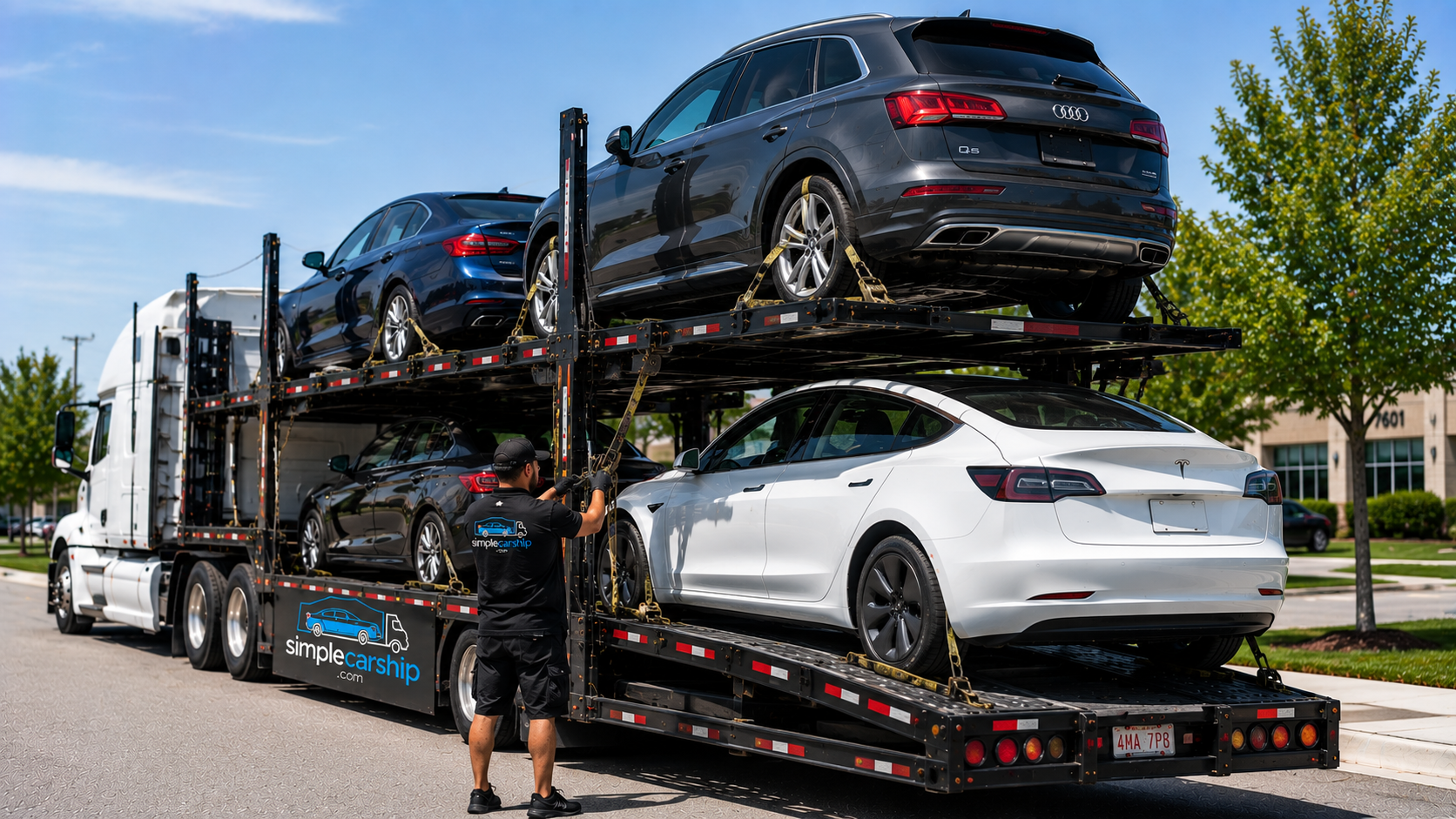
Open transport—the same multi-car haulers you see on highways—is the practical choice for daily drivers, commuter cars, and recent-model vehicles. You’re looking at $1,975–$2,405, four to six days in transit, and professional handling on a route that runs constantly. Your car rides exposed to weather and road spray, but carriers know this highway corridor well, and the volume of shipments means experienced drivers and competitive pricing.
Enclosed transport makes sense for high-value, classic, luxury, or custom vehicles where paint condition and showroom appearance matter. The $3,165–$3,850 range buys you a fully covered trailer, sometimes climate-controlled, with fewer vehicles per load and white-glove handling. If you’re moving a restored classic, a Tesla Model S Plaid, or a vehicle worth north of $70,000, the premium is insurance against rock chips, sun exposure, and the elements across five states. For a 2018 Camry, it’s overkill.
| Feature | Open Transport | Enclosed Transport |
|---|---|---|
| Price (SC→CA) | $1,975–$2,405 | $3,165–$3,850 |
| Transit Time | 4–6 days | 4–6 days |
| Protection | Standard; weather-exposed | Fully covered; climate options |
| Best For | Daily drivers, standard vehicles | Luxury, classic, high-value cars |
Pickup in South Carolina and Delivery Across California
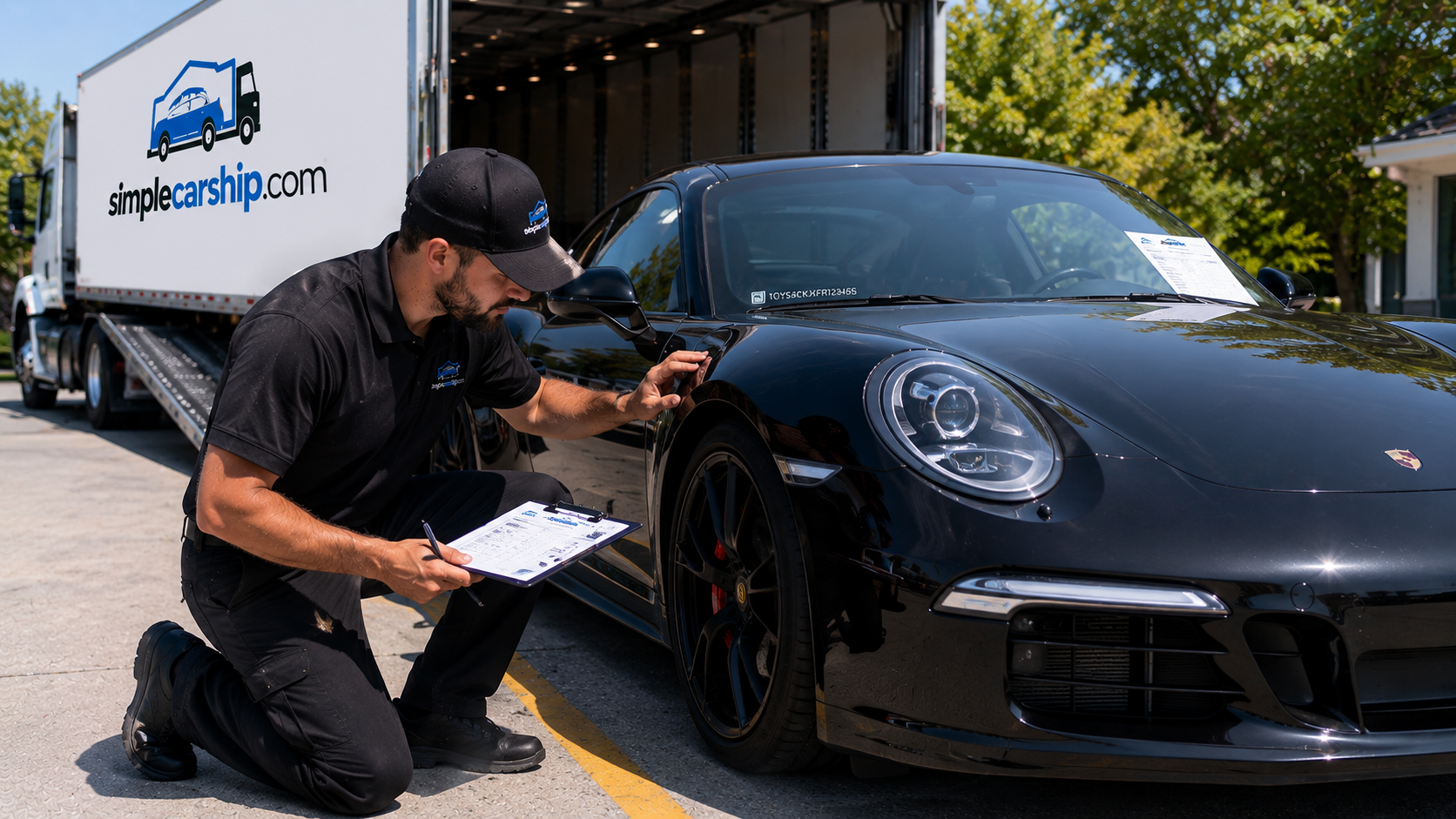
Most carriers service Charleston and Columbia as primary pickup hubs—both sit on or near I-26 and I-77, the arteries that funnel freight west. If you’re in Greenville, Myrtle Beach, or Spartanburg, pickup is straightforward; smaller towns may require meeting the carrier at a nearby truck-safe intersection or parking lot. Carriers operate full-size haulers that can’t navigate narrow residential streets or low-clearance apartment complexes, so flexibility on your end speeds things up.
California delivery concentrates in the big four metros: Los Angeles, San Francisco, San Diego, and Sacramento. These cities anchor the I-5 and I-10 corridors, so carriers route through them naturally. Delivering to Fresno, Bakersfield, or Riverside adds minimal cost; coastal spots like Santa Barbara or more remote areas like Redding may add $100–$200 and an extra day. Terminal-to-terminal is cheapest, but most customers opt for door-to-door or close-proximity delivery for the convenience.
Transit Time and What Actually Happens on the Road
Expect four to six days in transit once your vehicle is loaded. The route crosses South Carolina, Georgia, Alabama, Mississippi, Louisiana, Texas, New Mexico, Arizona, and into California—roughly 2,485 miles of interstate driving. Carriers run teams or schedule driver rest per DOT hours-of-service rules, averaging 450–500 miles per day. Weather, traffic through metro areas like Phoenix or LA, and mandatory rest breaks all affect the clock, so a one-day range is normal and built into logistics.
Booking early—two to three weeks ahead—gives you the widest carrier selection and the tightest pricing. Last-minute shipments (under 72 hours) are possible but expect to pay 20–30 percent more and accept the first available truck, which may mean longer transit. If you’re coordinating a cross-country move or a job relocation, build in a buffer on the California end so you’re not waiting on the car to close on a house or start work.
How Simple Car Ship Handles South Carolina–California Runs
We hand-select carriers for this lane based on track record, insurance floors (minimum $1,000,000 cargo coverage), and customer feedback. You’ll never be a load number shuffled through a dispatch queue. When you request a quote, a real person reviews your vehicle details, pickup and delivery needs, and timeline, then locks pricing that won’t change at pickup. Clear quotes. Real communication. No guesswork, no runaround.
Once you book, you get a dedicated coordinator and the driver’s contact information before pickup. You’ll receive updates at pickup, at major waypoints (Texas border, Arizona), and as the carrier approaches California. If something shifts—weather delay, earlier arrival—you hear about it immediately. Your shipment isn’t a load number. We’re a small operation that treats your car like we’d want ours treated on a 2,485-mile haul, because reputation is the only authority we have. Ship your car the simple way, and you’ll know exactly where it is and when it arrives.
Get a transparent quote for your South Carolina to California car shipment today—real numbers, real timeline, zero runaround.
Frequently Asked Questions: Shipping from South Carolina to California
What is the cheapest way to ship a car from South Carolina to California?
Open transport during off-peak months (late fall, winter) is the most affordable option, typically $1,975–$2,405 for the 2,485-mile route. Booking two to three weeks in advance, choosing terminal-to-terminal delivery, and shipping a standard sedan rather than a large SUV will land you toward the lower end of that range.
How long does it take to ship a car from South Carolina to California?
Transit takes four to six days once your vehicle is loaded onto the carrier. Pickup scheduling depends on carrier availability and your flexibility—book early and you’ll usually see pickup within two to five days. Total door-to-door timeline, including booking and scheduling, runs seven to twelve days for most shipments.
Is my car insured during the cross-country trip?
Yes. Licensed carriers are required to carry cargo insurance, with reputable operators holding at least $1,000,000 in coverage. This covers damage that occurs during loading, transit, and unloading. Your personal auto policy may offer supplemental coverage; check before shipping. Document your vehicle’s condition with photos and note any pre-existing damage on the bill of lading.
Can I ship a non-running car from South Carolina to California?
Yes, but expect an additional $150–$300 surcharge because loading and unloading require a winch instead of the vehicle driving on and off the trailer. The car must roll, steer, and brake for safe loading. Disclose the non-running status upfront when you request a quote so the carrier brings the right equipment and prices accurately.
Should I use open or enclosed transport for this route?
For daily drivers, commuter vehicles, and cars under $40,000, open transport ($1,975–$2,405) offers excellent value and reliable service on this high-traffic lane. Choose enclosed ($3,165–$3,850) for luxury cars, classics, or vehicles where cosmetic protection justifies the 60 percent premium. The route crosses desert and variable climates, so enclosed makes sense for irreplaceable paint or show-car finishes.
Related routes & guides
- Cost to ship a car from New York To California
- California To Florida car shipping
- Cost to ship a car from California To Florida
- Cost to ship a car from Illinois To California
- Cost to ship a car from California To Texas
- Cost to ship a car from California To Washington
- Car Shipping Companies
- Best Car Shipping Companies
- Cross Country Car Shipping
- Open Vs Enclosed Auto Transport