How Much Does It Cost to Ship a Car from North Carolina to Colorado?
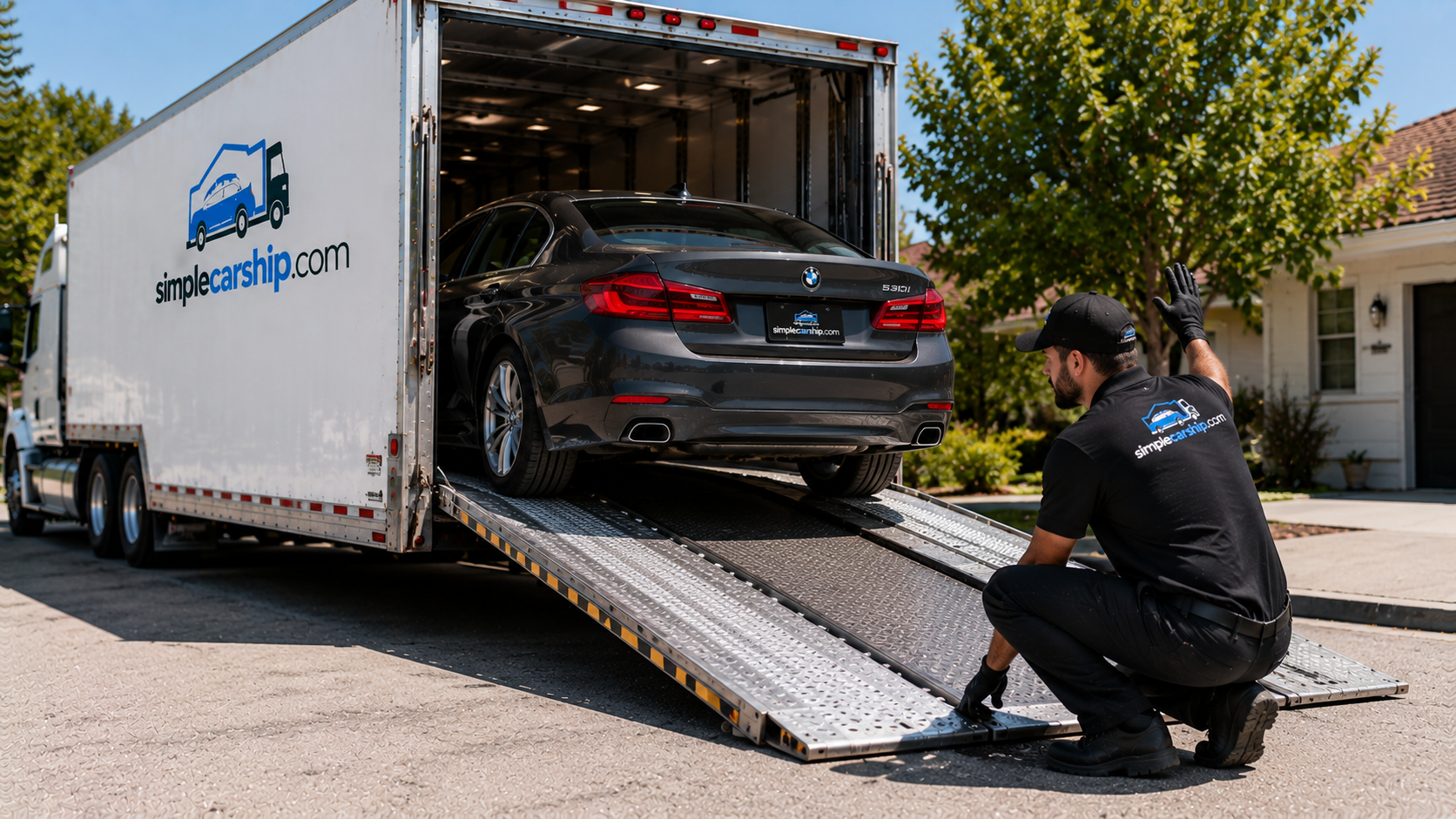
Shipping a car from North Carolina to Colorado typically costs between $2,015 and $2,450 for open transport, while enclosed carriers run $3,220 to $3,920. The 1,564-mile route from cities like Charlotte or Raleigh to Denver or Colorado Springs takes 3–5 days, and your final price depends on your vehicle type, carrier availability, and whether you choose open or enclosed protection.
Get your instant car shipping price
Real quote in seconds — no spam, no runaround.
What Moves the Price on This Route
The baseline cost reflects distance, fuel, and carrier operating expenses across a cross-country haul that crosses the Appalachians, traverses the Midwest, and climbs into the Rockies. But several factors push your quote toward the higher or lower end of the range. Larger vehicles—trucks, SUVs, or anything with a lifted suspension—take up more trailer space and weight capacity, adding $150–$300. Inoperable cars require a winch and extra labor, typically adding $200. Seasonal demand spikes during summer moving season and early fall, when students relocate and families move before winter; expect tighter carrier availability and firmer pricing May through September.
Pickup and delivery specifics also matter. If you’re shipping from a metro hub like Charlotte or Raleigh to Denver, carriers run those lanes regularly and competition keeps prices reasonable. Remote mountain towns in western Colorado or rural Piedmont communities may require a smaller truck for the final leg, adding $100–$200 to your quote. Expedited service—guaranteed pickup within 1–2 days—is available for $3,284 on this route, useful if you’ve already relocated for a new job and need your car fast.
Open vs. Enclosed Transport: Which Makes Sense for North Carolina to Colorado
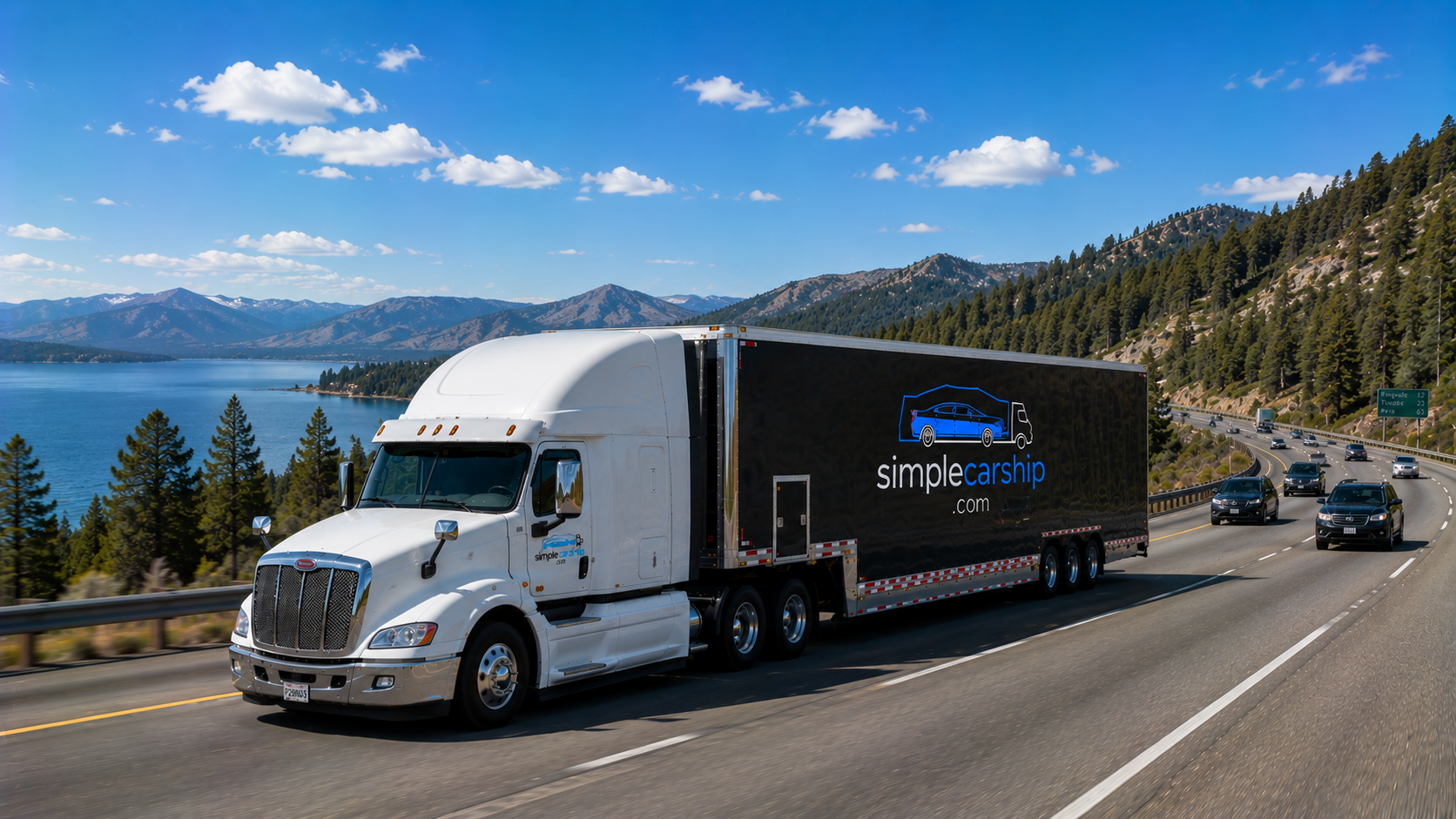
Open transport accounts for roughly 90% of shipments on this route. Your car rides on a multi-level carrier, exposed to weather but fully insured and monitored. For daily drivers, sedans, and standard SUVs, open is the straightforward choice—it’s reliable, cost-effective, and carriers run the I-40 and I-70 corridors constantly. You’ll save $1,200–$1,500 compared to enclosed, and transit times are identical.
Enclosed makes sense for high-value, classic, or low-clearance vehicles. If you’re moving a restored muscle car, a Tesla Model S Plaid, or a European sports car from the Research Triangle to Denver’s collector scene, the $3,220–$3,920 buys full sidewall protection against road spray, prairie dust, and the unpredictable weather that can hit the Plains. Enclosed carriers are smaller—typically 2–4 cars instead of 8–10—so availability is tighter and booking windows run longer. Plan an extra day or two for scheduling if you go enclosed.
| Feature | Open Transport | Enclosed Transport |
|---|---|---|
| Price (NC → CO) | $2,015–$2,450 | $3,220–$3,920 |
| Transit Time | 3–5 days | 3–5 days |
| Protection | Insured; exposed to weather | Fully enclosed; climate-shielded |
| Best For | Daily drivers, standard vehicles | Classics, luxury, low-clearance cars |
Pickup in North Carolina, Delivery in Colorado
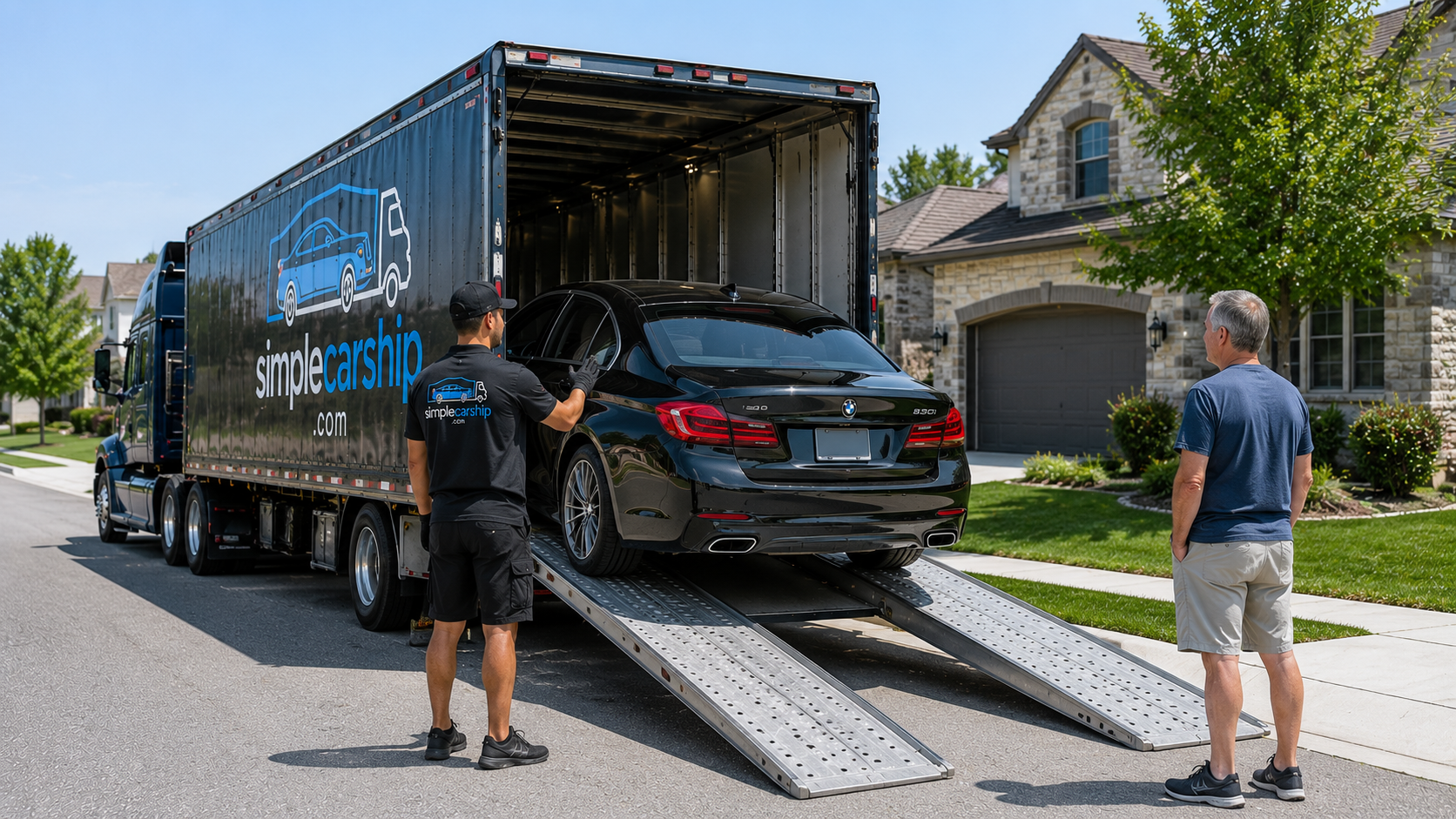
Most North Carolina pickups happen in Charlotte and Raleigh, where I-85, I-40, and I-77 converge and carriers pass through daily. If you’re in the Triad (Greensboro, Winston-Salem) or the Triangle, you’re on a main trucking artery and scheduling is flexible. Coastal areas—Wilmington, the Outer Banks—and mountain towns like Asheville may require a meet-up at a nearby truck stop or park-and-ride; carriers driving 80-foot trailers can’t navigate narrow beach roads or steep mountain subdivisions.
On the Colorado end, Denver is the primary hub. Carriers follow I-70 west from Kansas, drop in the metro area, then fan out to Colorado Springs, Fort Collins, or Boulder. If your delivery address is in the Front Range urban corridor, you’ll get door-to-door or very close. Mountain destinations—Vail, Aspen, Durango—usually require terminal delivery in Denver or a meet-up in a valley town accessible by smaller rig. Coordinate with your driver 24 hours before delivery; Colorado weather in shoulder seasons can shift schedules by a few hours.
Timing Your Shipment
The 1,564-mile run from North Carolina to Colorado takes 3–5 days in normal conditions. Carriers drive legally limited hours (11 per day maximum), so realistic road time spans three full days, with pickup and delivery windows adding a day on each end. If you book a week ahead during off-peak months (October, February, March), you’ll have a range of carrier options and can lock mid-range pricing. Summer and early fall see higher volume—students, corporate relocations, and families moving before school starts—so book two weeks out if your dates are firm.
Weather rarely halts this route entirely, but winter storms across Kansas or the Colorado plains can delay a truck by 6–12 hours. Carriers monitor forecasts and reroute when needed. If you’re relocating on a tight deadline, consider the expedited option ($3,284), which guarantees a carrier assignment within 1–2 days and prioritizes your delivery window. For most customers, standard scheduling and a few days of buffer are enough.
How Simple Car Ship Handles North Carolina to Colorado
Ship your car the simple way. You’ll get a clear, all-in quote based on real market rates—no placeholder prices that jump at confirmation. Once you book, we hand-select a carrier from our vetted network, and you’ll have their name, truck number, and direct contact before pickup. Your shipment isn’t a load number cycled through a dispatch board; it’s a car you care about, and we treat it that way. Real human support means you can call or text with questions and get answers from someone who knows your route, not a script-reader in a queue.
We’ve handled hundreds of cross-country routes, and the North Carolina–Colorado lane is one we know well. Expect a call from your driver the day before pickup to confirm time and location, a mid-transit update, and another call 24 hours before delivery. No guesswork, no runaround—just clear communication from quote to delivery. If you’re shipping a classic car, a daily driver for a Denver job relocation, or a college student’s sedan to Boulder, the process is the same: transparent, professional, and built around what you actually need.
Frequently Asked Questions
- What’s the average cost to ship a sedan from Raleigh to Denver?
- A standard sedan on open transport from Raleigh to Denver typically costs $2,015–$2,450, depending on carrier availability and season. The 1,564-mile route takes 3–5 days. Larger sedans or all-wheel-drive models may price toward the higher end due to weight.
- How long does it take to ship a car from Charlotte to Colorado Springs?
- Charlotte to Colorado Springs averages 3–5 days in transit. Carriers cover the 1,564-mile route via I-40 and I-70, with legally limited daily drive hours. Weather delays across Kansas or the eastern Colorado plains can add 6–12 hours during winter months.
- Is enclosed transport worth it for this route?
- Enclosed transport ($3,220–$3,920) makes sense for classic, luxury, or low-clearance vehicles where full weather and road-debris protection matters. For daily drivers and standard cars, open transport is reliable and saves $1,200–$1,500 with identical transit times and full insurance coverage.
- Can I get my car picked up in Asheville and delivered to Vail?
- Yes, though both endpoints are outside main carrier routes. Asheville pickups often require a meet-up on I-40 or I-26. Vail deliveries typically need terminal pickup in Denver or a valley meet-up point accessible to smaller trucks. Expect $150–$300 in additional positioning costs combined.
- What if my car doesn’t run?
- Inoperable vehicles require a winch and extra labor to load and unload. This adds roughly $200 to your quote on the North Carolina–Colorado route. Let your broker know during booking so the assigned carrier arrives equipped with the right trailer setup and tools.
Ready to get started? Request your quote now—clear pricing, real communication, and a carrier match built for your timeline.