How Much Does It Cost to Ship a Car from Missouri to Colorado?
Shipping a car from Missouri to Colorado typically costs between $1,110 and $1,355 for open transport, or $1,780 to $2,165 for enclosed transport across the 849-mile route. Your final price depends on your vehicle size, the trailer type you choose, seasonal demand, and how flexible you are with pickup timing. Understanding what moves these numbers helps you plan accurately and avoid surprises.
Ship your car the simple way. Clear quotes. Real communication. No guesswork, no runaround.
Get your instant car shipping price
Real quote in seconds — no spam, no runaround.
What Moves the Price on the Missouri–Colorado Route
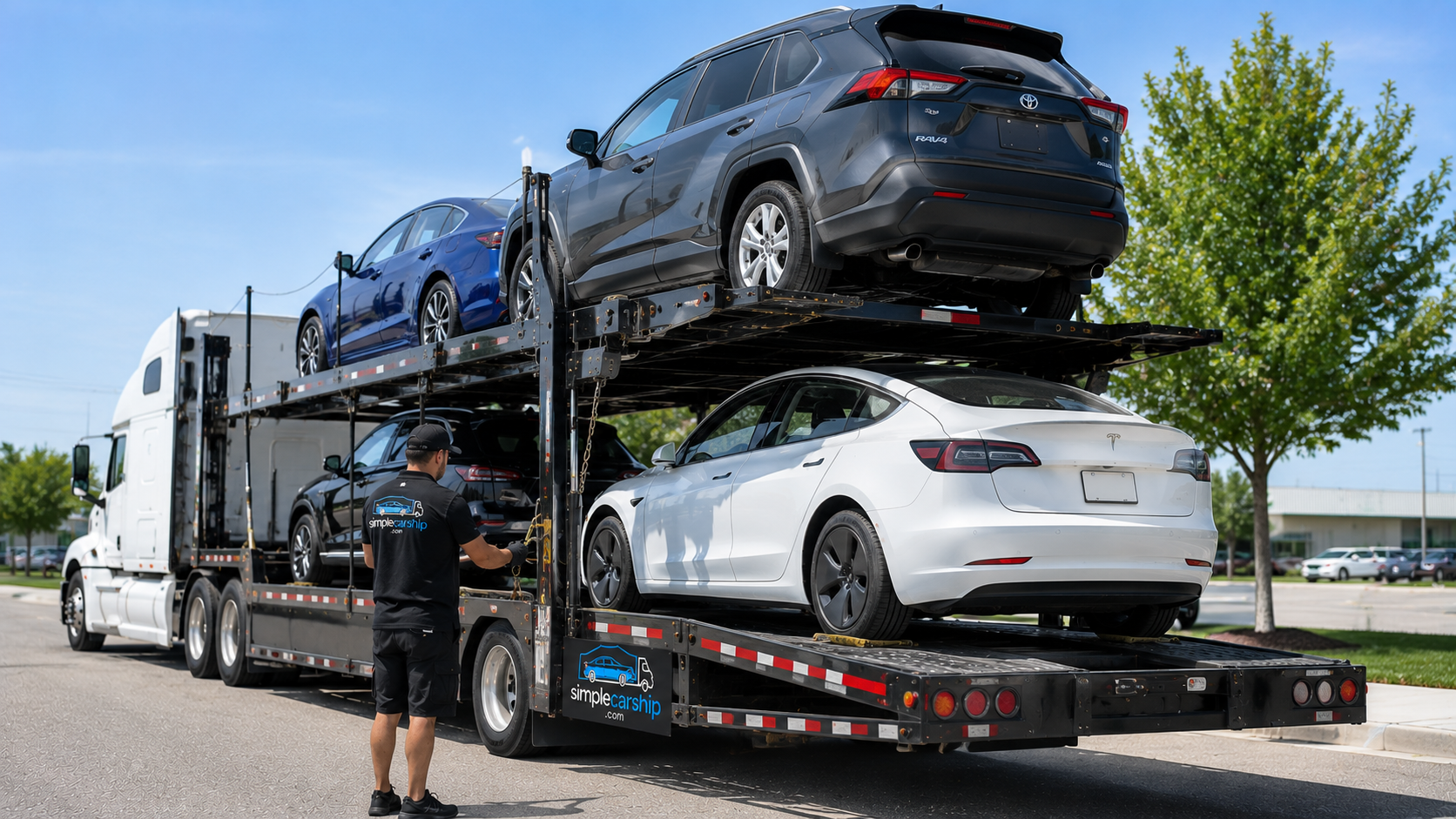
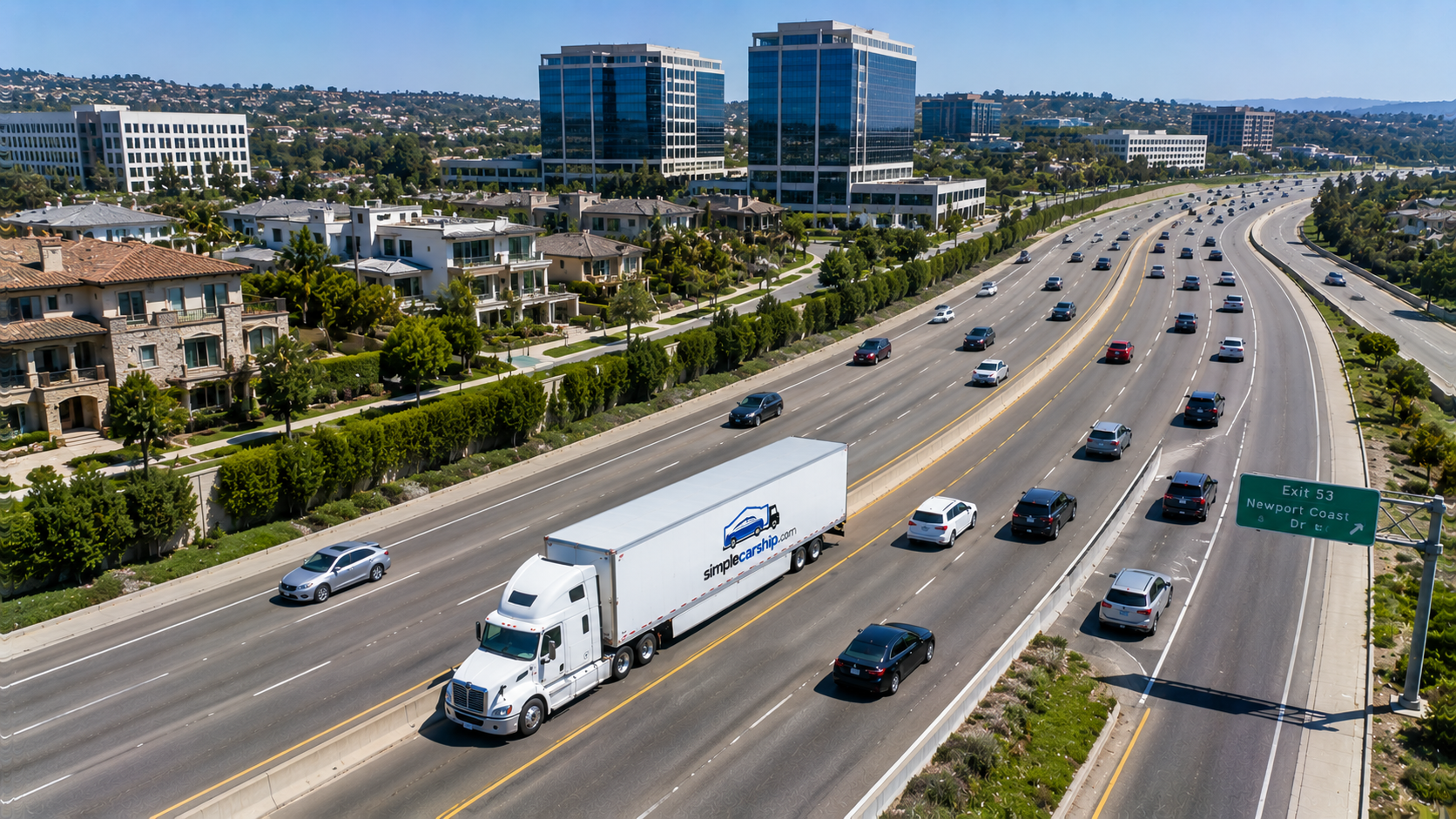
The 849-mile distance from cities like St. Louis or Kansas City to Denver or Colorado Springs is a heavily traveled corridor, which helps keep prices competitive. Open transport—where your car rides on a multi-vehicle carrier—costs $1,110–$1,355 because carriers consolidate shipments efficiently along I-70 and I-25. Enclosed transport runs $1,780–$2,165 because you’re reserving protected space in a specialty trailer with walls and a roof, limiting how many vehicles the carrier can haul per trip.
Vehicle size plays a direct role. A compact sedan hits the lower end of those ranges; a three-row SUV or modified truck adds $150–$250 because it takes more deck space and adds weight. Flexibility is the other big lever: if you can wait three to five days for a carrier to build a full load, you’ll pay less than someone who needs guaranteed pickup within 24 hours. Expedited service on this route runs around $1,814 for open transport and compresses the timeline to one or two days, but you’re paying a premium for carrier priority and dedicated routing.
Open vs. Enclosed Transport: Which Makes Sense for Missouri to Colorado
Most daily drivers—commuter cars, family SUVs, leased vehicles—move via open transport on this route. The weather between Missouri and Colorado is manageable year-round, and open carriers deliver thousands of cars monthly along I-70 without incident. Road dust and weather exposure are minimal over 849 miles, and the $600–$800 you save versus enclosed keeps the math simple for standard vehicles.
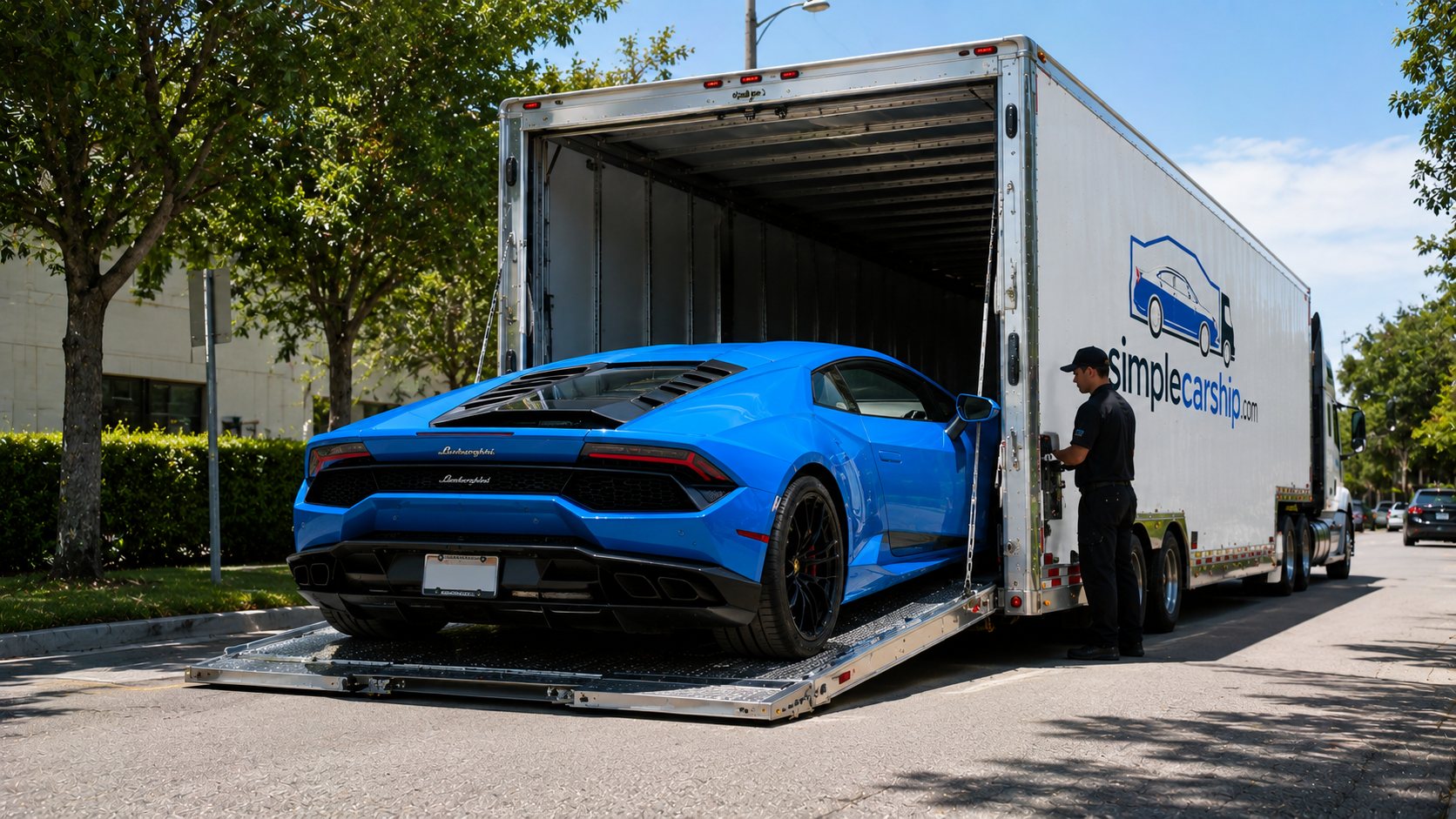
Enclosed makes sense when the vehicle justifies the cost: classic cars, luxury models with custom paint, low-clearance sports cars, or anything you’d hesitate to leave uncovered in a mall parking lot. Enclosed trailers shield your car from road spray, UV, and the occasional hailstorm that sweeps across the plains. If your vehicle is worth north of $60,000 or carries sentimental value you can’t price, the $1,780–$2,165 investment buys real peace of mind. For shipping a classic car, enclosed is nearly always the smarter choice.
| Feature | Open Transport | Enclosed Transport |
|---|---|---|
| Price Range | $1,110–$1,355 | $1,780–$2,165 |
| Transit Time | 1–3 days | 1–3 days |
| Protection | Standard road exposure | Fully enclosed, weather-sealed |
| Best For | Daily drivers, leased cars, standard SUVs | Classics, luxury, custom builds, low-clearance sports cars |
How Car Shipping Works from Missouri to Colorado
You’ll schedule pickup from St. Louis, Kansas City, or surrounding areas within about 50 miles of those metros—most carriers can reach Columbia, Springfield, or Independence without trouble. The driver inspects your car with you, documents any existing damage on a bill of lading, loads it securely, and heads west on I-70 toward Denver. Transit takes one to three days depending on the carrier’s other stops and whether they’re running a direct or consolidated route. Delivery happens in Denver, Colorado Springs, Fort Collins, Boulder, or nearby suburbs, and you’ll do a final walk-around inspection before signing off.
Your shipment isn’t a load number. We hand-select carriers with current FMCSA authority, active cargo insurance, and a track record on Midwest-to-Rockies lanes. You’ll get the driver’s contact information and truck number before pickup, so you’re never guessing when your car will arrive or who’s hauling it. Real human support means you can call or text us with questions at any point—no ticket queues, no offshore call centers.
Timing and Scheduling Your Shipment
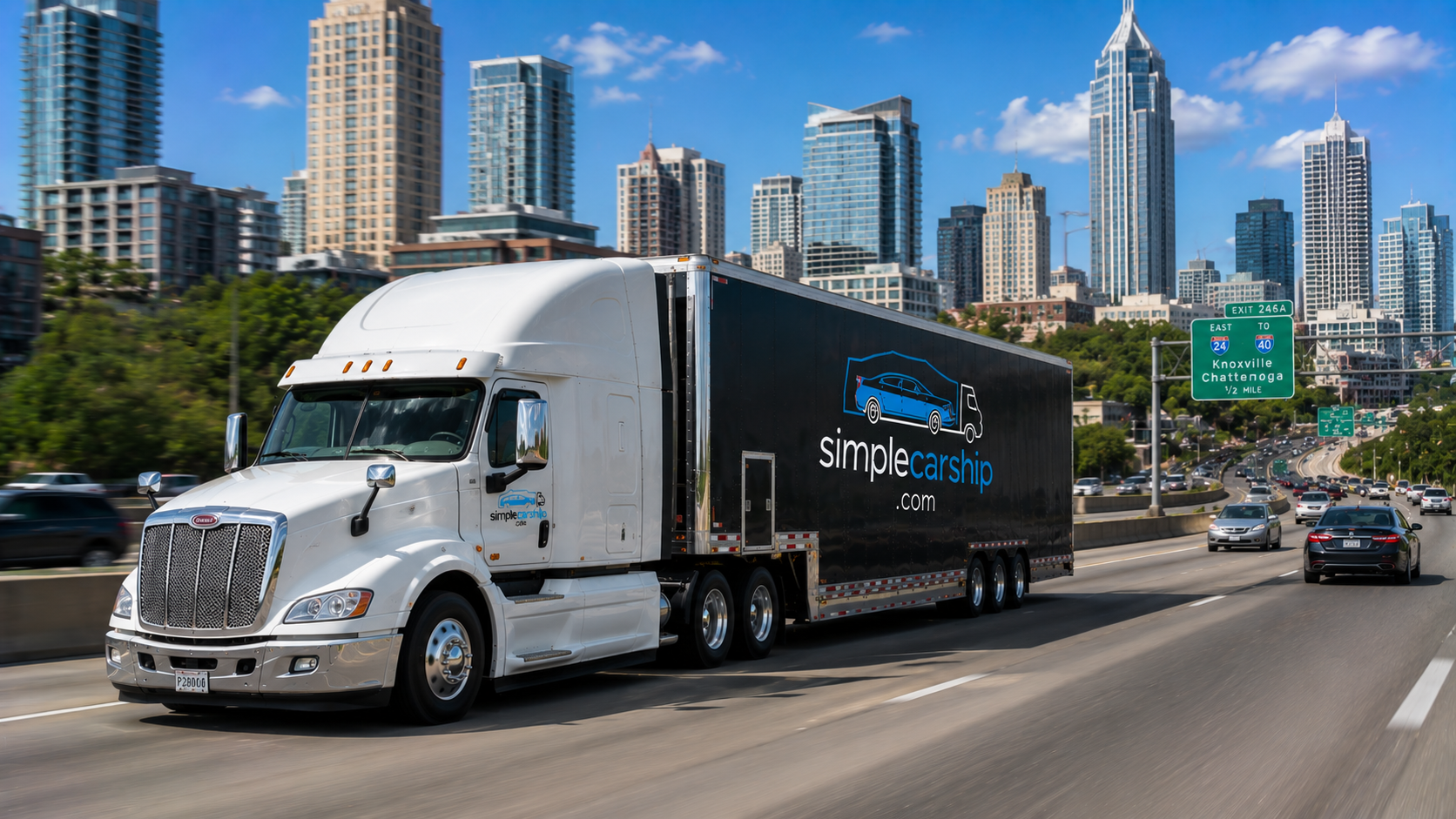
The Missouri-to-Colorado corridor runs year-round without major seasonal slowdowns. Summer and early fall see the highest volume because of corporate relocations and college moves, which can push prices up 10–15 percent and extend lead times by a day or two. Winter weather occasionally delays trucks crossing the Kansas plains or climbing into the Rockies, but carriers on this route are experienced with variable conditions and plan accordingly.
Book five to seven days ahead if your schedule allows; that gives carriers time to consolidate loads and offer you the best rate. If you’re under a deadline—job start date, lease expiration, vehicle sale—expedited service at $1,814 guarantees pickup within 24–48 hours and keeps your car on a direct routing priority list. The trade-off is straightforward: pay more, wait less. Most customers with normal timelines choose standard scheduling and save the premium.
Why Simple Car Ship for Missouri–Colorado Auto Transport
We don’t play the bait-and-switch game that gives brokers a bad name. The quote you see reflects real carrier costs on the 849-mile route from Missouri to Colorado, and we explain exactly what moves the price—vehicle size, trailer type, timing—so you can make an informed decision. No hidden fees, no surprise fuel surcharges at pickup, no pressure tactics. When you call or text, you’ll talk to the same small team that booked your shipment, not a rotating cast of anonymous agents.
We vet every carrier before dispatch: current federal authority, minimum $750,000 cargo coverage, clean SMS scores, and proven performance on Midwest-to-Colorado lanes. You’ll get the driver’s name, truck number, and phone contact before pickup, and we stay in the loop through delivery so any question gets answered in minutes, not hours. If you’re moving household goods at the same time or coordinating with a lease signing, we’ll adjust pickup and delivery windows to match your schedule. That’s the difference between a load number and a real shipment.
Ready to ship your car the simple way? Get a clear, honest quote in two minutes—no runaround, no games, just real numbers for your Missouri-to-Colorado move.
Frequently Asked Questions: Shipping a Car from Missouri to Colorado
How much does it cost to ship a car from Missouri to Colorado?
Open transport typically costs $1,110–$1,355 for the 849-mile route, while enclosed transport runs $1,780–$2,165. Your final price depends on vehicle size, trailer type, seasonal demand, and how flexible you are with pickup dates. Expedited service costs around $1,814 and guarantees faster pickup.
How long does it take to ship a car from Missouri to Colorado?
Transit typically takes one to three days for the 849 miles between common pickup metros like St. Louis or Kansas City and delivery cities such as Denver or Colorado Springs. Timing depends on the carrier’s routing, other scheduled stops, and whether you choose standard or expedited service.
Should I use open or enclosed transport for Missouri to Colorado?
Open transport works well for most daily drivers, commuter cars, and standard SUVs, saving $600–$800 over enclosed. Choose enclosed if you’re shipping a classic, luxury vehicle, custom build, or low-clearance sports car that warrants full protection from road spray and weather across 849 miles.
What cities in Missouri and Colorado do carriers service?
Common Missouri pickup metros include St. Louis, Kansas City, Columbia, Springfield, and Independence. In Colorado, carriers typically deliver to Denver, Colorado Springs, Fort Collins, Boulder, Aurora, and nearby suburbs. Most carriers can reach locations within 50 miles of these hubs without extra fees.
When is the best time to ship a car from Missouri to Colorado?
The route runs year-round without major seasonal shutdowns. Spring and fall offer moderate demand, while summer sees higher volume from corporate relocations and college moves, sometimes raising prices 10–15 percent. Winter weather occasionally delays trucks crossing the plains or Rockies but rarely stops service.