Ship a Car from Colorado to Virginia
Moving a vehicle 1,668 miles from the Rockies to the Atlantic coast requires a carrier who knows the I-70 corridor and can navigate both mountain passes and mid-Atlantic metro traffic. Whether you’re relocating from Denver to Richmond or delivering a vehicle to Virginia Beach, you need transparent pricing, reliable transit times, and communication you can count on. Ship your car the simple way.
Most Colorado-to-Virginia shipments take 3–5 days in transit. You’ll get a clear quote upfront, a hand-selected carrier with proper insurance, and real human support from pickup through delivery—no load-number runaround.
Get your instant car shipping price
Real quote in seconds — no spam, no runaround.
How Car Shipping from Colorado to Virginia Works
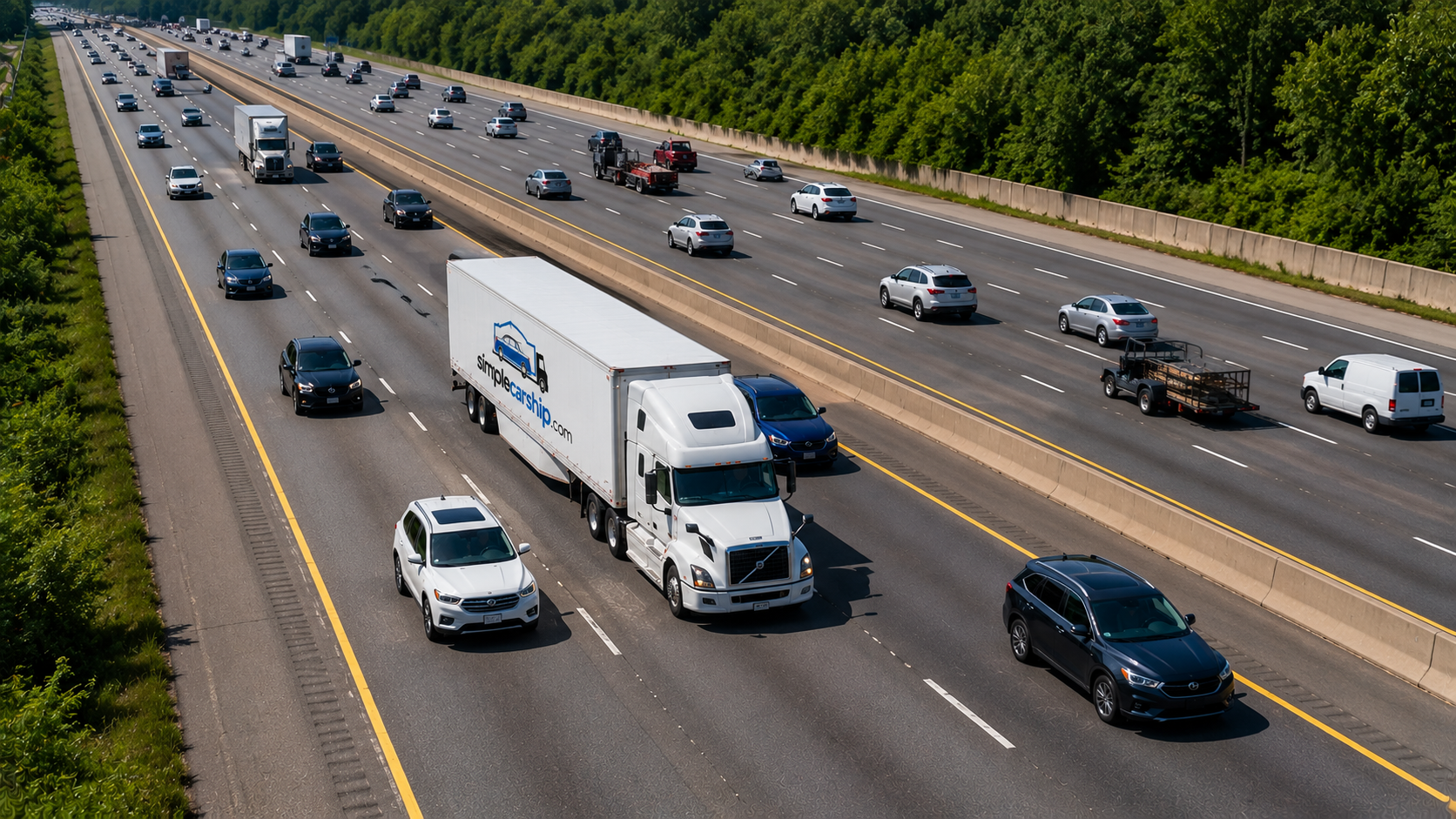
The route spans 1,668 miles, typically following I-70 east through Kansas and Missouri before carriers pick up I-64 or I-81 through the Appalachians into Virginia. Drivers cover 400–500 miles per day under federal hours-of-service rules, putting transit time at 3–5 days for most shipments. Open carriers—the multi-level trucks you see on highways—handle about 90% of cross-country moves and cost less because they load eight to ten vehicles per run. Enclosed trailers protect high-value or classic cars inside a hard-sided or soft-sided shell but carry fewer vehicles, which raises the per-car cost.
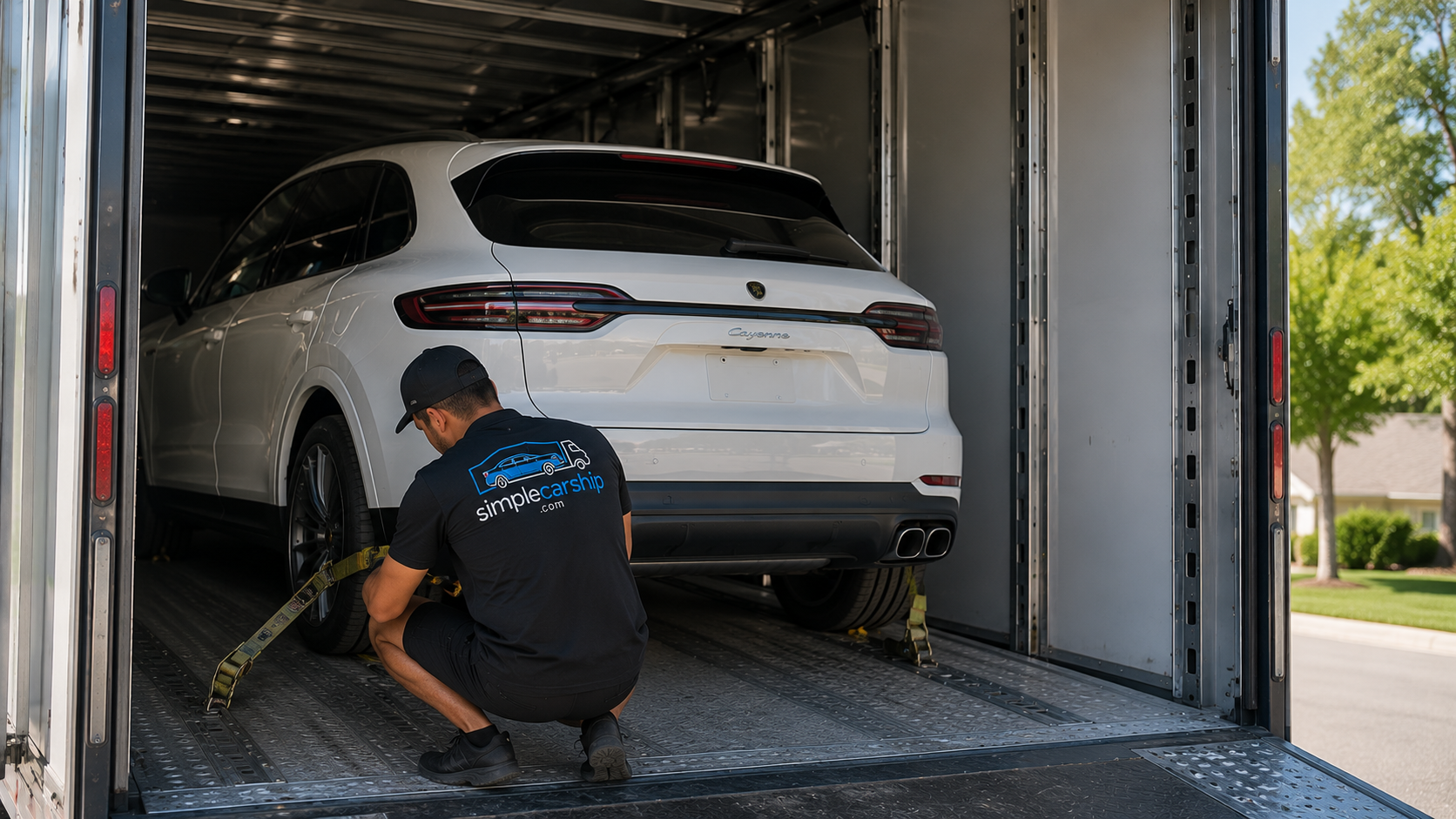
Pickup scheduling begins once you accept your quote and we assign a vetted carrier. Most Denver and Colorado Springs pickups happen within 1–3 days of your first available date; rural mountain locations may add a day. Delivery to Richmond or Virginia Beach follows the same coordination—your driver calls 24 hours out to confirm a window, and you or your delegate meets the truck with ID and the signed bill of lading. Door-to-door service is standard for accessible residential streets; if you’re on a narrow canyon road or a gated community with clearance issues, the driver will arrange a nearby meeting point.
What It Costs to Ship a Car from Colorado to Virginia
Open transport for this route runs $1,500–$1,825 for a standard sedan or small SUV. Enclosed transport costs $2,395–$2,920. Price depends on your vehicle’s size and weight—a three-row SUV or crew-cab pickup costs more than a compact sedan because it occupies more deck space and adds weight. Seasonal demand also matters: summer moves spike with college students and military PCS orders, which can push prices toward the top of the range. Winter is typically softer, though mountain weather in Colorado occasionally delays pickups by a day.
If you need guaranteed pickup within 24–48 hours, expedited service costs roughly $2,442 for open transport. That premium buys a dedicated dispatch and priority positioning on the truck. We quote every job individually because cookie-cutter pricing hides fees; you’ll see the full breakout before you commit, and the price we quote is the price you pay—no surprise fuel surcharges at delivery.
Open vs. Enclosed Transport for the Colorado–Virginia Route
Open transport makes sense for daily drivers, leased vehicles, and anything you’d park outside at home. Your car rides exposed to weather and road spray, but carriers secure each vehicle with wheel straps and perform pre-trip inspections. Damage claims are rare—most vehicles arrive exactly as loaded—and comprehensive insurance coverage travels with every shipment. The cost advantage is significant: you’ll save $900–$1,100 compared to enclosed.
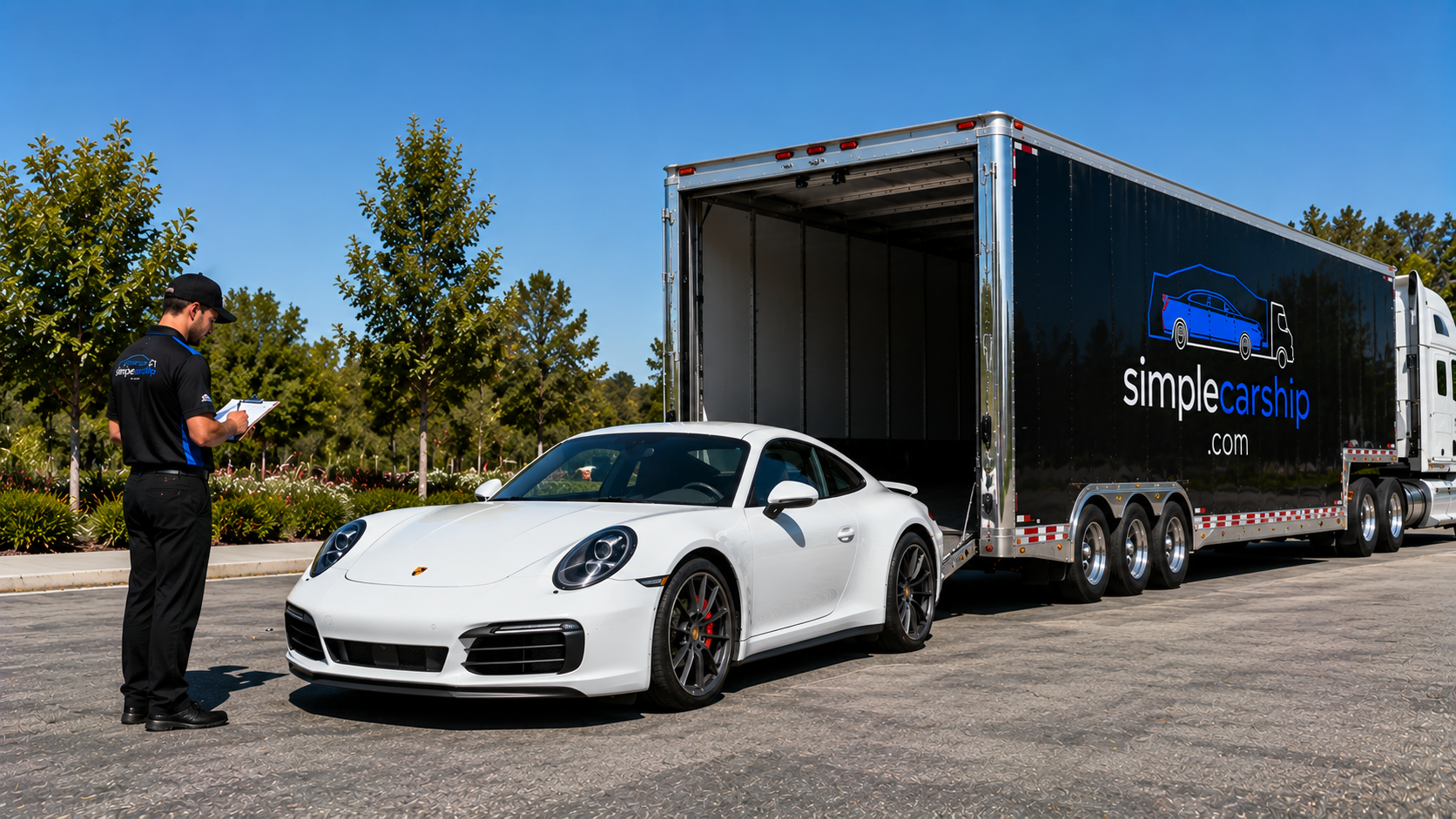
Enclosed transport is worth the premium for classic cars, luxury models, exotic sports cars, or any vehicle with custom paint or aftermarket work valued above $60,000. The hard sides block road debris, and the enclosed environment keeps dust and moisture off the finish during the trek across the Great Plains and through the Appalachian passes. Collectors shipping to or from car shows, buyers moving auction purchases, and anyone with a seven-figure vehicle universally choose enclosed. If your car has sentimental or financial value that would make a single paint chip painful, the extra cost delivers real peace of mind.
| Feature | Open Transport | Enclosed Transport |
|---|---|---|
| Price (CO–VA) | $1,500–$1,825 | $2,395–$2,920 |
| Transit Time | 3–5 days | 3–5 days |
| Protection | Weather-exposed; full insurance | Hard-sided shell; full insurance |
| Best For | Daily drivers, standard vehicles | Classics, luxury, high-value cars |
Pickup and Delivery: Denver, Colorado Springs, Richmond, Virginia Beach
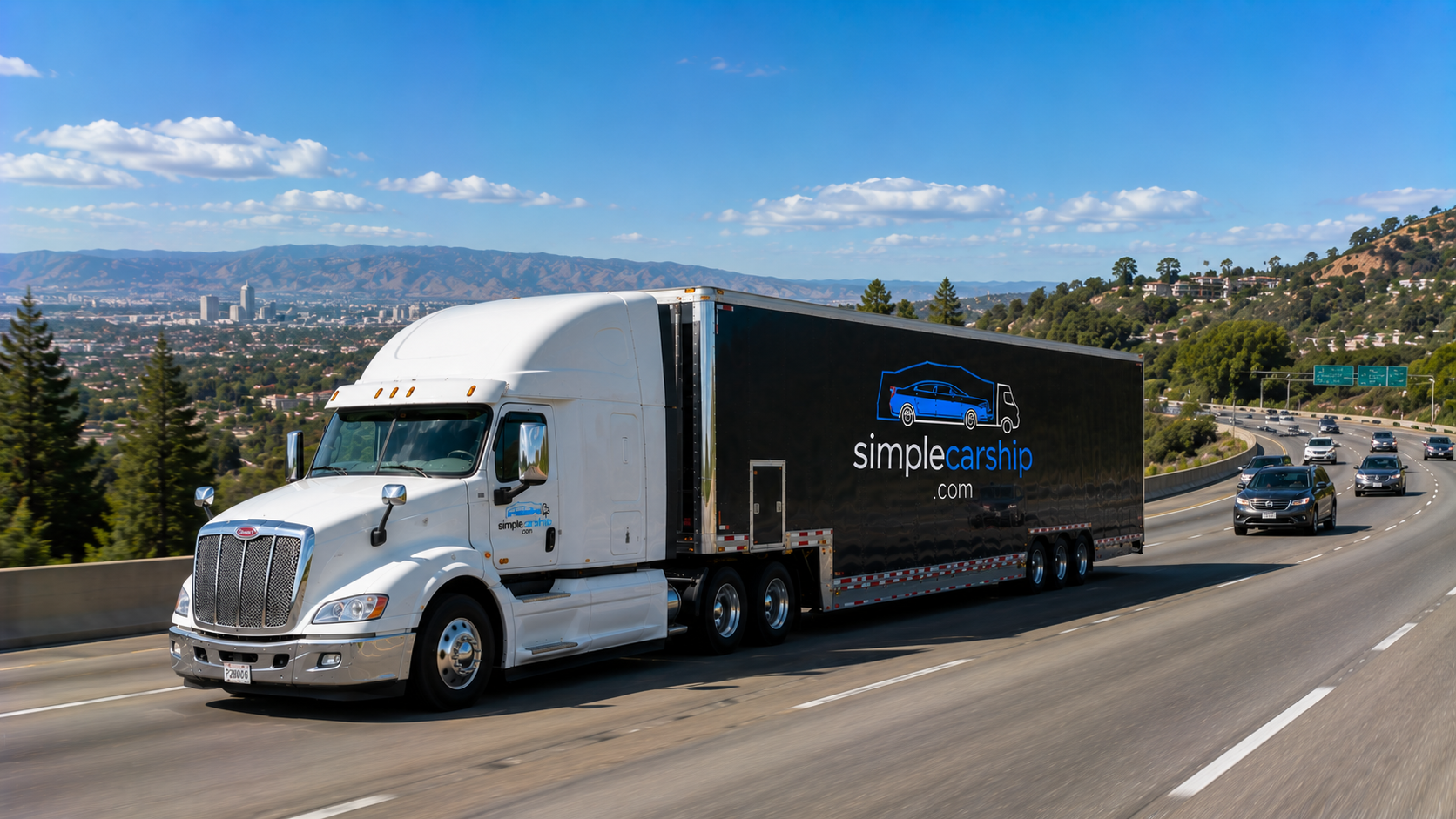
Most Colorado pickups originate in Denver or Colorado Springs, where I-25 and I-70 converge and carrier traffic is consistent. If you’re in Boulder, Fort Collins, or the western slope near Grand Junction, carriers can still reach you—mountain and rural routes just require an extra day of lead time and sometimes a meeting point on a main highway if your driveway has low-hanging trees or tight switchbacks. On the Virginia end, Richmond and Virginia Beach anchor most deliveries; carriers service the entire Hampton Roads region, Williamsburg, and the I-95 corridor up through Alexandria without issue.
Door-to-door service means the truck comes to your home or office, but “door” assumes the street allows a 75-foot tractor-trailer. Narrow historic district lanes, weight-restricted bridges, and subdivisions with tight turns may require a meeting at a nearby grocery-store lot or park-and-ride. Your driver scouts the route on Google Maps before arrival and calls if an alternate spot is safer. Delivery works the same way: you’ll get a 24-hour heads-up call, then a second call when the truck is an hour out, so you’re never waiting around all day.
How Simple Car Ship Handles Your Colorado–Virginia Shipment
We’re a licensed broker, which means we connect you with fully insured, FMCSA-registered carriers—but we’re not a lead mill that sells your number to twelve companies. You’ll work with one dedicated coordinator who books your shipment, vets the carrier’s insurance and safety record, and stays available by phone or text from quote through delivery. Your shipment isn’t a load number. We hand-select carriers who run the I-70 corridor regularly, and we skip the bottom-bid outfits that ghost customers or show up three days late with an overbooked truck.
Clear quotes. Real communication. No guesswork, no runaround. When weather or a mechanical delay affects your pickup, we call you—you won’t spend an hour on hold with an offshore call center. If your car arrives with damage (statistically rare, but it happens), we walk you through the claims process and push the carrier’s insurance to settle fairly. That’s the difference between a broker who cares about reputation and one hunting the next transaction.
Frequently Asked Questions: Colorado to Virginia Car Shipping
How much does it cost to ship a car from Colorado to Virginia?
Open transport typically costs $1,500–$1,825 for a standard sedan on the 1,668-mile route, while enclosed transport runs $2,395–$2,920. Larger vehicles like SUVs and trucks cost more due to weight and deck space. Seasonal demand and your preferred pickup window also influence the final price.
How long does it take to ship a car from Colorado to Virginia?
Transit time is typically 3–5 days once your vehicle is loaded. Carriers cover 400–500 miles per day under federal hours-of-service limits. Pickup usually occurs within 1–3 days of your requested date in Denver or Colorado Springs; rural mountain locations may add a day to the schedule.
Is my car insured during transport from Colorado to Virginia?
Yes. Every carrier we work with carries federal motor-carrier liability insurance covering your vehicle in transit. Policies typically provide $100,000–$250,000 cargo coverage per load, and enclosed carriers often carry higher limits for high-value vehicles. You’ll receive the carrier’s insurance certificate and policy details before pickup.
Can I put personal items inside my car during the shipment?
Carriers generally allow up to 100 pounds in the trunk, below window level, but personal belongings are not covered by the carrier’s cargo insurance. Federal regulations prohibit household-goods transport on auto carriers, so drivers reserve the right to refuse overloaded vehicles. Pack light and secure items so they won’t shift.
Should I choose open or enclosed transport for this route?
Open transport works well for daily drivers and standard vehicles—it saves $900–$1,100 and delivers the same 3–5 day transit. Enclosed transport makes sense for classic cars, luxury models, or any vehicle worth more than $60,000, offering hard-sided protection from weather and road debris across the 1,668-mile journey.
Ready to get a clear quote and real answers? Request your Colorado-to-Virginia car shipping quote now—one conversation, no runaround, no obligation. We’ll match you with a trusted carrier and keep you in the loop every mile of the way.
Looking for related routes? Check out our guides for shipping a car from Colorado to North Carolina and shipping a car from Utah to Virginia. If you’re moving a classic or high-value vehicle, visit our classic car shipping page for enclosed-transport details.