
How Much Does It Cost to Ship a Car from Oregon to Minnesota?
Shipping a car from Oregon to Minnesota typically costs between $1,400 and $1,700 for open transport, or $2,235 to $2,725 for enclosed carriers across the 1,732-mile journey. The final price depends on your vehicle type, the season you’re shipping, carrier availability along the route, and how flexible you are with your pickup and delivery windows. Understanding what moves the price helps you plan accurately—and avoid the runaround most brokers give you.
Get your instant car shipping price
Real quote in seconds — no spam, no runaround.
What Moves the Price on the Oregon–Minnesota Route
Distance is the foundation—1,732 miles from the Pacific Northwest to the Upper Midwest—but it’s not the only factor. Carrier availability fluctuates: eastbound routes from Oregon to Minneapolis and St. Paul see steady traffic, but if you’re shipping from a smaller town outside Portland or Eugene, expect a modest premium for the first-mile pickup. Vehicle size matters, too. A compact sedan ships at the lower end of the $1,400–$1,700 open range; a lifted truck or three-row SUV pushes toward the high end because it takes bed space that could fit two smaller cars.
Timing plays a bigger role than most people expect. Carriers fill their routes days in advance, so booking two weeks ahead usually locks in the standard rate. Need it picked up this week? Expedited service runs around $2,280 for open transport, nearly double the low-end rate, because the dispatcher has to reroute a truck already committed elsewhere. Winter can tighten availability as some carriers avoid ice on I-90 through Montana and the Dakotas, but Oregon–Minnesota doesn’t see the sharp seasonal swings that snowbird routes do.
Open vs. Enclosed Transport: Which Makes Sense for This Route
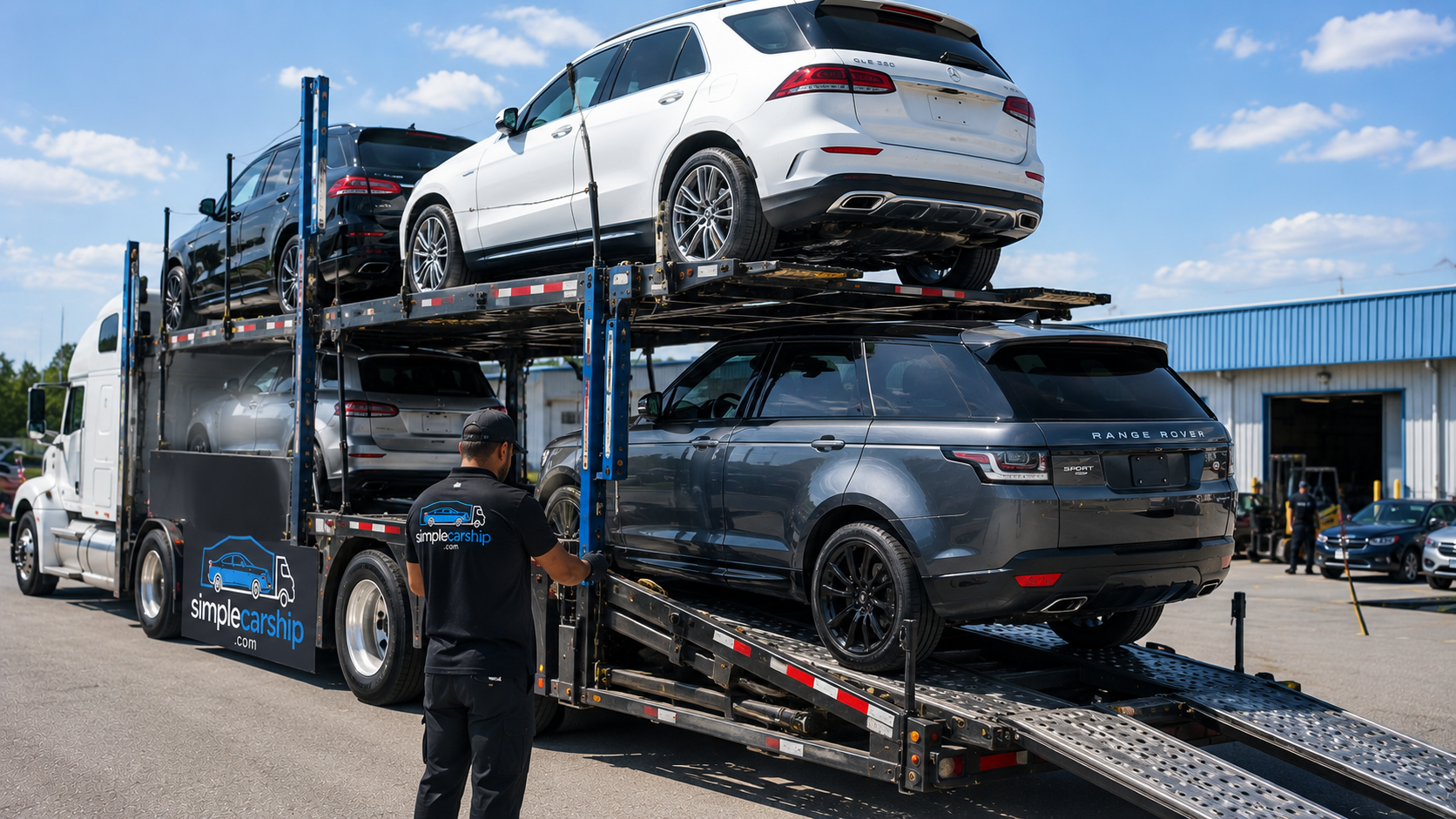
Open transport—vehicles loaded onto a two-level trailer, exposed to weather—handles the vast majority of Oregon-to-Minnesota shipments. It’s reliable, widely available, and $800 to $1,000 cheaper than enclosed. Your car rides the same way it would behind a dealership truck, and carriers run this corridor year-round. Rain, road dust, and wind are part of the deal, but they won’t harm a daily driver or lease return. If your vehicle is showroom-stock and you’re not hauling a collector piece, open is the simple choice.
Enclosed transport makes sense for high-value, restored, or low-clearance vehicles. A hard-sided trailer shields the car completely—no road spray from semis on I-84, no gravel chips crossing South Dakota. The $2,235–$2,725 range reflects lower carrier volume (fewer enclosed rigs run this route) and the premium for dedicated space. If you’re moving a Tesla Plaid, a classic Porsche, or anything with a custom paint job, the extra cost is insurance you can see. For a 2018 Camry, it’s overkill.
| Feature | Open Transport | Enclosed Transport |
|---|---|---|
| Price (OR–MN) | $1,400–$1,700 | $2,235–$2,725 |
| Transit Time | 3–5 days | 3–5 days |
| Protection | Weather-exposed; road debris possible | Fully enclosed hard sides |
| Best For | Daily drivers, leases, standard vehicles | Classics, luxury, low-clearance, custom builds |
How the Oregon–Minnesota Route Works
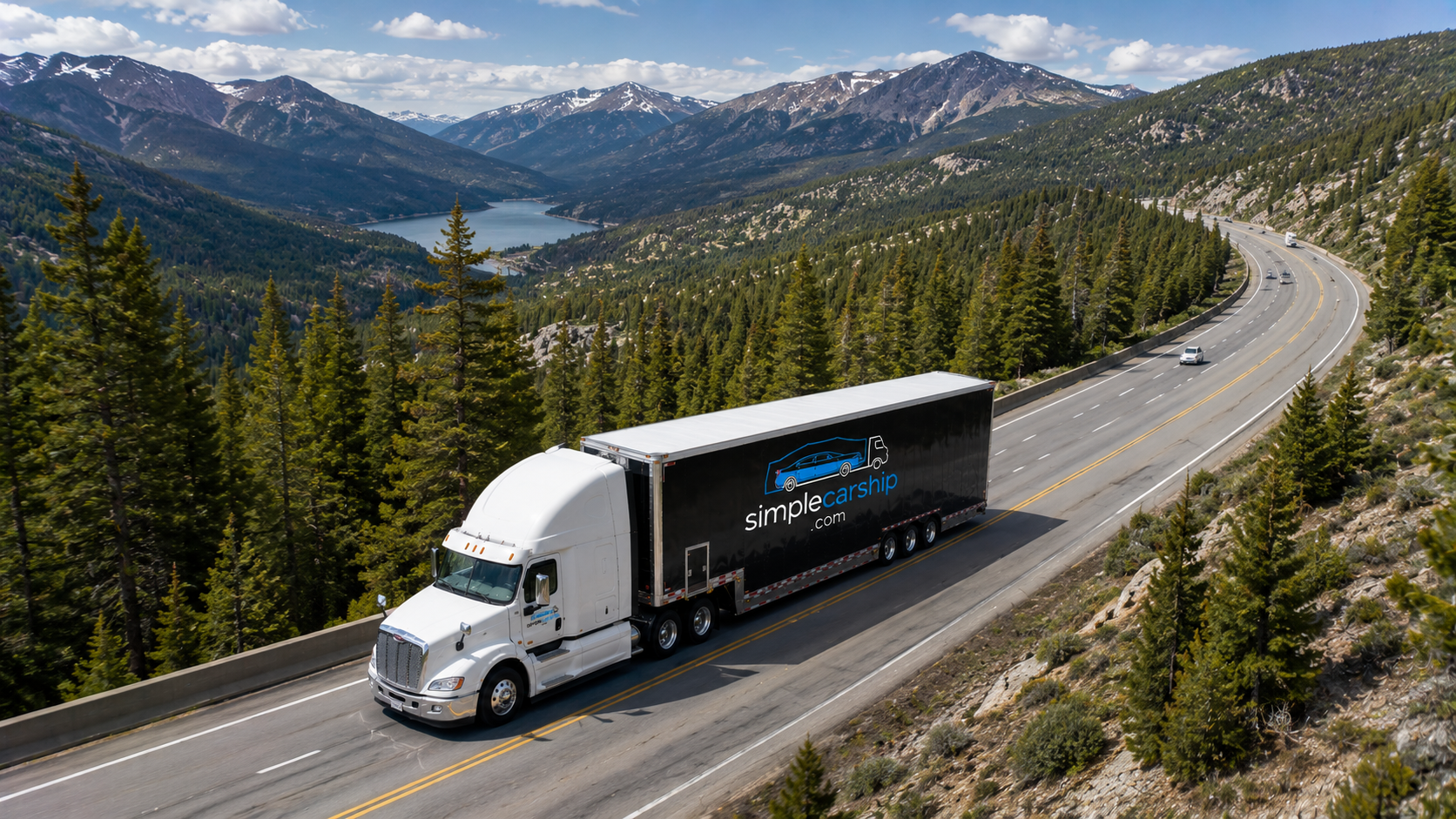
Carriers typically depart from Portland and Eugene—the two metros with the densest vehicle volume—and follow I-84 east into Idaho, then I-90 across Montana and into Minnesota, finishing in Minneapolis and St. Paul. The 1,732-mile route takes 3 to 5 days in transit, depending on how many other vehicles the carrier delivers along the way and whether weather slows progress through the northern mountain passes. Most drivers run solo, logging 500–600 miles per day within federal hours-of-service limits, so a clean run lands your car in the Twin Cities by day four.
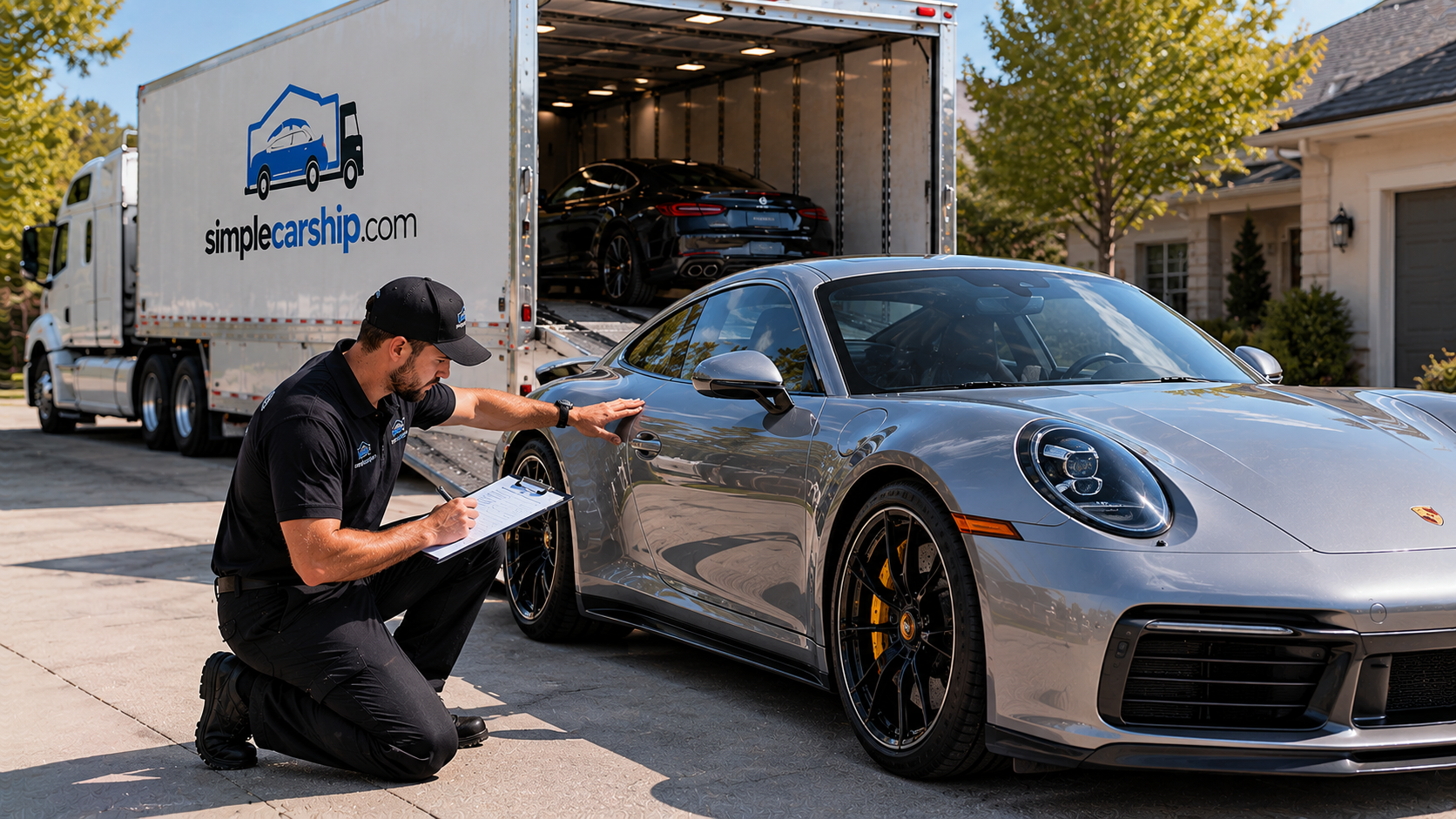
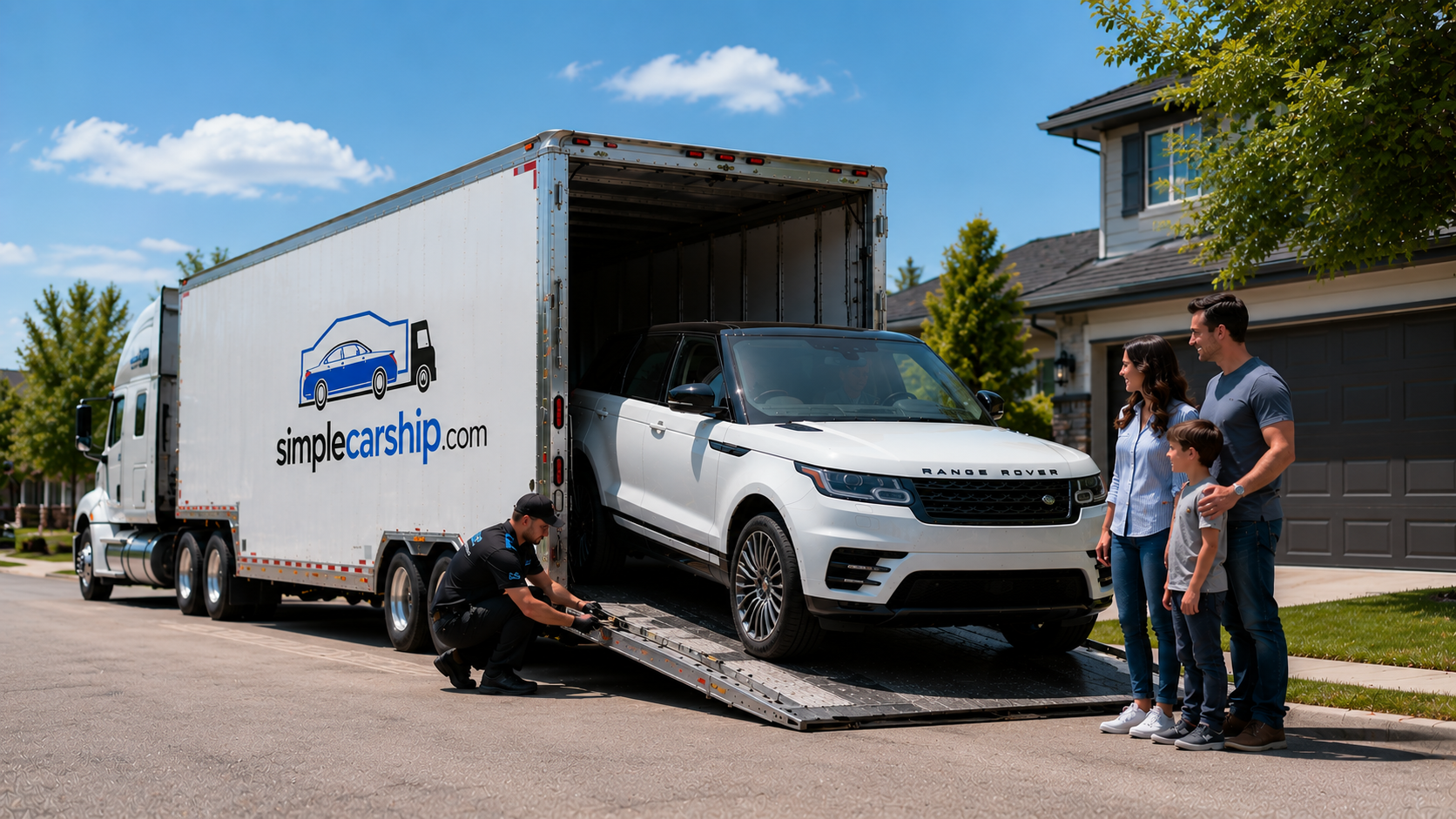
Pickup happens on your schedule within a window—usually a two- to three-day span—that you and the carrier agree on when the truck is dispatched. The driver calls 24 hours ahead to confirm the exact time. You meet the truck, walk around your car together to note existing scratches or door dings on the bill of lading, hand over the keys, and you’re done in fifteen minutes. Delivery works the same way in reverse: the driver calls as he approaches Minnesota, you meet him at your address or a nearby wide street if your block has low-hanging branches, inspect the car, sign off, and drive away.
Timing, Flexibility, and What You Control
The tighter your dates, the higher the price. If you tell a broker “I need it picked up Tuesday and delivered Thursday,” you’ve just asked them to pull a truck off another route, and that costs you the expedited premium. Give a five-day pickup window and a flexible delivery (“sometime that week”), and you’ll land near the low end of the range because the carrier can slot your car into an existing run. This route doesn’t have dramatic seasonal swings—no snowbird rush, no college-move spike—so pricing stays relatively stable year-round, with minor upticks around summer moving season and the week between Christmas and New Year’s when fewer drivers work.
Weather rarely delays the Oregon–Minnesota corridor in spring and fall, but January and February can add a day if a blizzard shuts down I-90 in the Dakotas. Carriers don’t drive in whiteout conditions, and you don’t want them to. If you’re shipping in winter, add a day of buffer to your delivery estimate and you’ll avoid stress. Booking early—two weeks minimum, three if you’re shipping in July or around a holiday—gives you the widest carrier selection and the most leverage to negotiate within the published range.
How Simple Car Ship Handles the Oregon–Minnesota Route
We don’t operate like the high-volume brokers who post your car on a load board and wait for the lowest bidder. Every carrier we work with is hand-selected, verified for FMCSA compliance, and tracked for on-time delivery and vehicle condition. You’ll get a clear quote with the real price—no bait-and-switch “$500!” ads that triple once you call—and a dedicated coordinator who stays with your shipment from dispatch to delivery. Your shipment isn’t a load number. You’ll have a name and a direct phone line, and we’ll tell you exactly where your car is if you ask.
When you request a quote for shipping your car from Oregon to Minnesota, we pull live carrier availability, cross-reference current fuel surcharges and route demand, and give you an honest range. If enclosed makes sense for your vehicle, we’ll say so. If you’d waste money on expedited when standard will hit your dates, we’ll tell you that too. Transparency isn’t a marketing slogan here—it’s how we keep customers calm when they’re handing a $30,000 asset to a stranger with a truck. Real communication, no runaround, no guesswork. Ship your car the simple way.
If you’re moving a classic, restored, or modified vehicle, our process for shipping a classic car applies the same care to carrier vetting and scheduling. For other regional routes out of the Pacific Northwest, check our pages on shipping from Oregon to Texas and Washington to Minnesota car transport—they share similar carrier networks and pricing dynamics.
Common Questions: Oregon to Minnesota Car Shipping
- How long does it take to ship a car from Oregon to Minnesota?
- Transit takes 3 to 5 days for the 1,732-mile journey. Carriers average 500–600 miles per day under federal hours-of-service rules, so most vehicles arrive on day four. Winter weather crossing the Dakotas can add a day if snow closes I-90 temporarily.
- Why does enclosed transport cost nearly $1,000 more on this route?
- Enclosed carriers are less common on the Oregon–Minnesota corridor, so supply is tighter. The hard-sided trailer also hauls fewer vehicles per load—typically four to six instead of eight to ten—spreading fixed costs across fewer customers, which raises the per-vehicle price to the $2,235–$2,725 range.
- Can I ship from Eugene to Minneapolis for the same price as Portland to St. Paul?
- Usually yes, because both Eugene and Minneapolis sit on or near the main I-84/I-90 carrier route. If you’re in a town farther off the corridor—say, Bend or Duluth—expect a $75–$150 surcharge for the extra miles the driver logs off the highway.
- What if I need my car delivered in two days instead of four?
- Expedited service runs around $2,280 for open transport, because the carrier must reroute a truck mid-schedule. It’s possible if a driver is already heading east, but it’s not guaranteed. Booking standard service two weeks ahead is far more reliable and half the cost.
- Is open transport safe in winter, or should I pay for enclosed?
- Open transport is safe year-round. Carriers don’t drive in blizzards, and road salt is the biggest winter concern—not structural risk. Enclosed won’t prevent salt spray underneath the car. If your vehicle is a daily driver, open is fine. Reserve enclosed for high-value or show cars where cosmetic perfection justifies the premium.
Ready to move your car from Oregon to Minnesota? Get a clear quote with real numbers and real support. No runaround, no load-board roulette—just honest transport done right.