
How Much Does It Cost to Ship a Car from Arizona to Oregon?
Shipping a car from Arizona to Oregon typically costs between $1,670 and $2,030 for open transport, or $2,670 to $3,250 for enclosed transport across the 1,273-mile journey. Your final price depends on your vehicle size, the carrier type you choose, your pickup and delivery locations, and how flexible you are with timing. Unlike most brokers who hide behind vague estimates, we’ll show you exactly what moves the number—and how to get a fair rate without the runaround.
Ship your car the simple way: real quotes, real communication, and a human team that treats your vehicle like more than a load number.
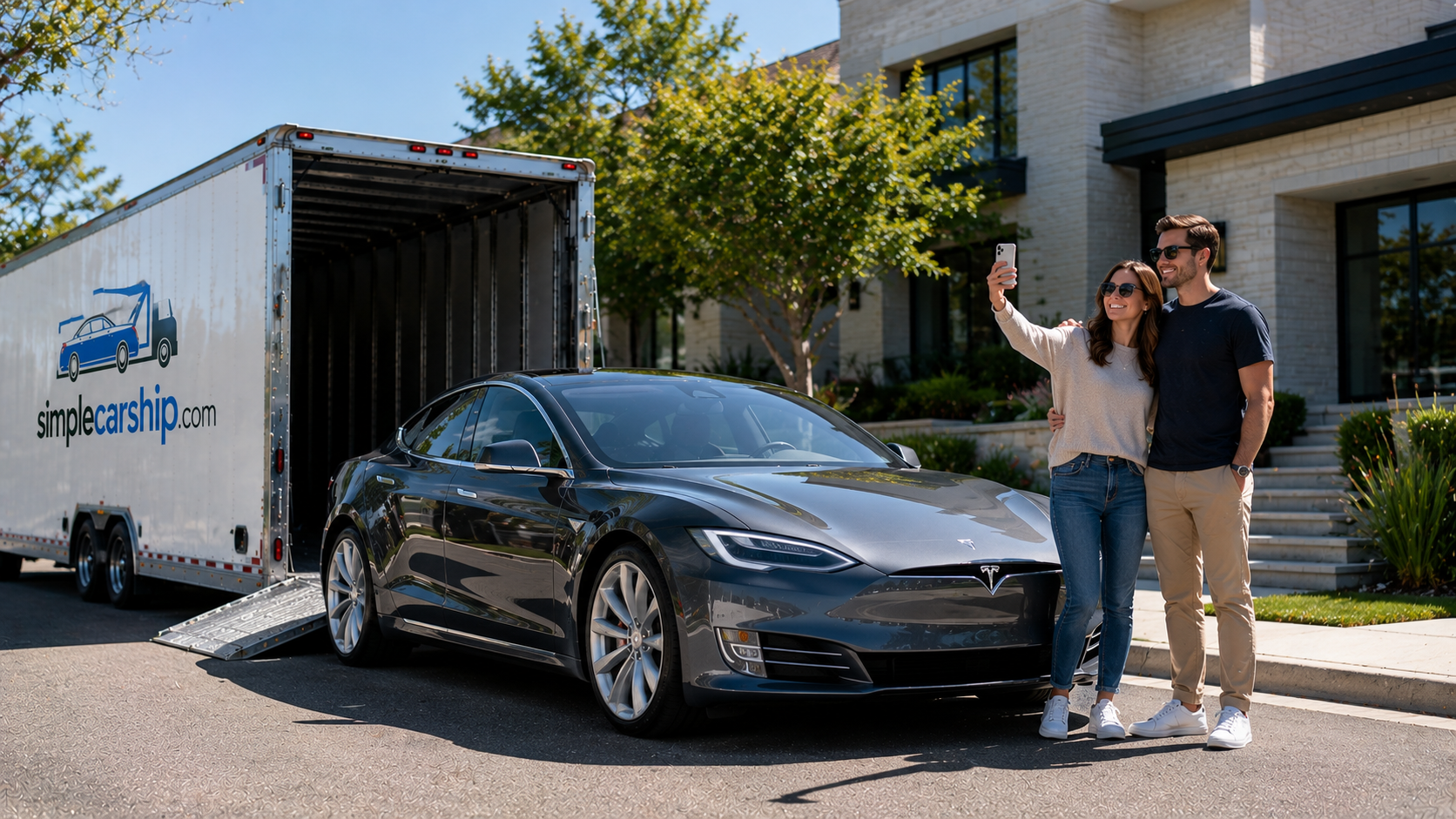
Get your instant car shipping price
Real quote in seconds — no spam, no runaround.
What Moves the Price on the Arizona–Oregon Route
The base cost to ship a car 1,273 miles from Arizona to Oregon sits in the mid-four-figure range, but several factors push your quote up or down. Vehicle size matters—a compact sedan ships cheaper than a three-row SUV because carriers price partly by weight and deck space. Pickup and delivery locations play a bigger role than most people expect: a Phoenix-to-Portland run on major interstates costs less than a rural Tucson-to-Bend move that requires a smaller truck and extra miles off the main corridor. Timing flexibility saves money, too. If you can give the carrier a three-to-five-day pickup window, you’ll pay less than someone who needs the truck at their door tomorrow morning.
Enclosed transport adds roughly $1,000 to the total because it requires specialized equipment, carries fewer vehicles per load, and appeals to a smaller customer base—so carriers charge accordingly. Most daily drivers and commuter cars ship open without issue; enclosed makes sense for high-value, classic, or low-clearance sports cars where road debris and weather exposure carry real risk. If your car has a market value above $50,000 or irreplaceable paint, the enclosed premium is usually worth it. For a 2019 Toyota Camry or Honda CR-V, open transport is the smart, economical choice.
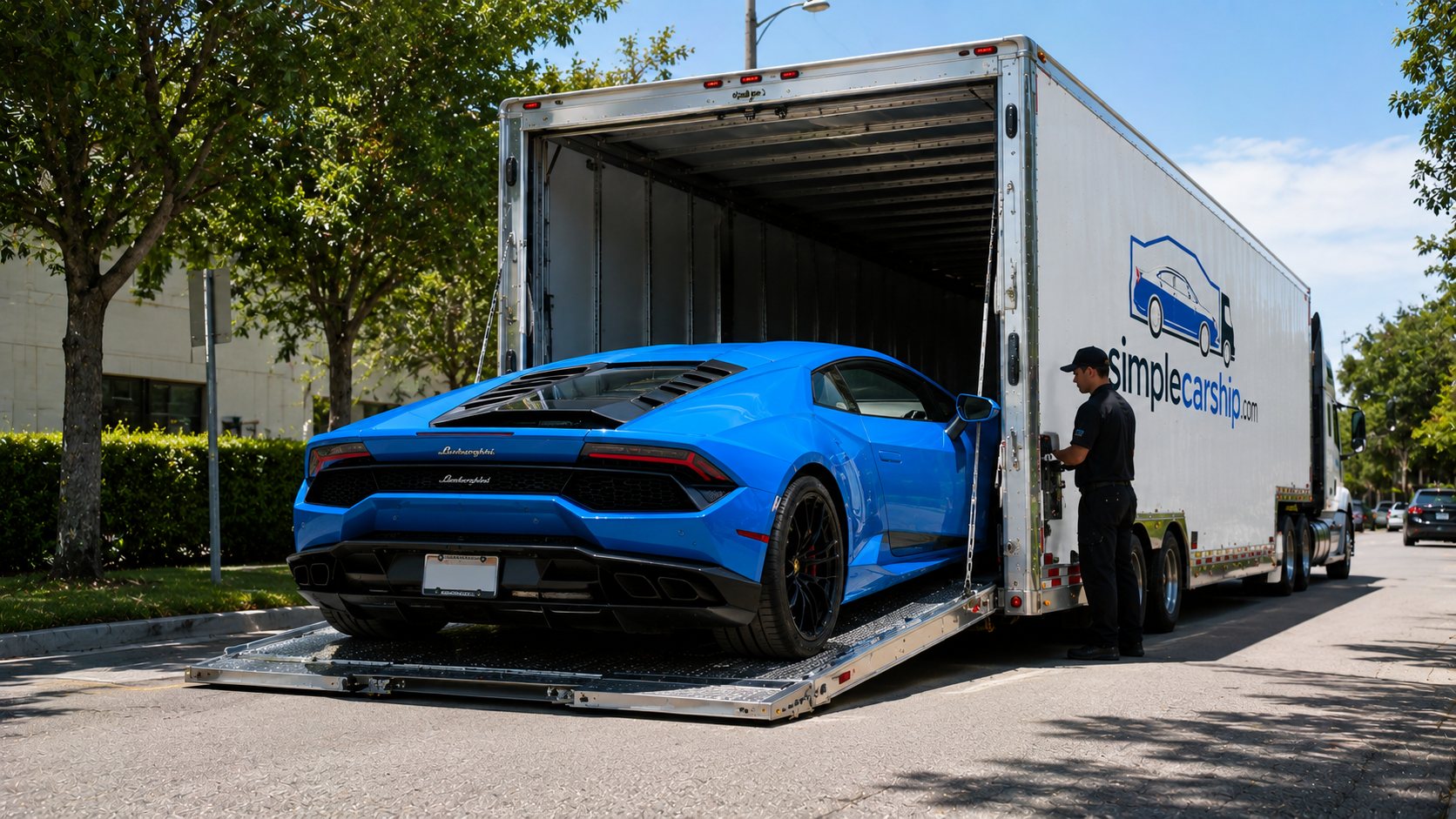
Open vs. Enclosed: Which One for Arizona to Oregon?
Open transport moves your car on the same multi-level carriers that deliver new vehicles to dealerships—your car sits exposed to weather and road spray, but it’s secured and insured for the full journey. For the Arizona-to-Oregon corridor, open is the workhorse: faster booking, more carrier availability, and a price point that makes sense for most vehicles. The 1,273-mile route runs largely through I-10, I-5, and connecting highways with good road conditions and minimal weather drama outside of occasional mountain passes. Enclosed carriers, by contrast, haul your car inside a hard-sided trailer, shielding it from rain, dust, and debris—critical if you’re moving a restored Mustang, a Tesla Model S Plaid, or anything with custom paint and a six-figure value.
For this specific route, most customers choose open unless the vehicle dictates otherwise. If you’re shipping a 2015 Subaru Outback from Phoenix to Portland, open gets the job done safely and affordably. If you’re moving a 1967 Corvette Stingray or a brand-new Porsche 911, the extra $1,000 for enclosed is cheap insurance against rock chips and weather stains that cost far more to repair. The I-5 stretch through Southern Oregon can see rain and occasional winter slush, but it’s not severe enough to push everyday vehicles into enclosed territory.
| Factor | Open Transport | Enclosed Transport |
|---|---|---|
| Price (AZ–OR) | $1,670–$2,030 | $2,670–$3,250 |
| Transit Time | 2–4 days | 2–4 days |
| Protection Level | Secured, insured; exposed to weather | Fully enclosed; maximum protection |
| Best For | Daily drivers, SUVs, standard sedans | Classics, luxury, exotic, low-clearance sports cars |
How the Arizona-to-Oregon Route Actually Works
The 1,273-mile run from Arizona to Oregon typically takes 2 to 4 days in transit once your car is loaded. Most carriers route north from Phoenix or Tucson via I-10 and I-5, passing through California’s Central Valley before crossing into Oregon and continuing to Portland or Eugene. The route is heavily trafficked by commercial and auto transport carriers, which means good availability and competitive pricing year-round. Your car isn’t sitting on a truck alone—carriers load multiple vehicles per trip, and your delivery window depends on where you fall in the routing sequence. A Phoenix-to-Portland shipment on a direct I-5 corridor run moves faster than a Tucson-to-Eugene route that requires repositioning or a smaller regional truck.
Once you book, you’ll receive a pickup window (usually two to three days wide) and a driver contact within 24 to 48 hours. The driver inspects your car with you at pickup, notes any existing damage on a condition report, and loads it securely. You’ll get intermittent updates as the truck progresses—no minute-by-minute tracking, but check-ins at key waypoints. At delivery, you inspect the car again, compare it to the original report, sign off, and pay the driver the balance (if any) in cash or certified funds. The process is straightforward, but it requires a little flexibility: exact-hour delivery guarantees don’t exist in this industry, and anyone promising them is overselling.
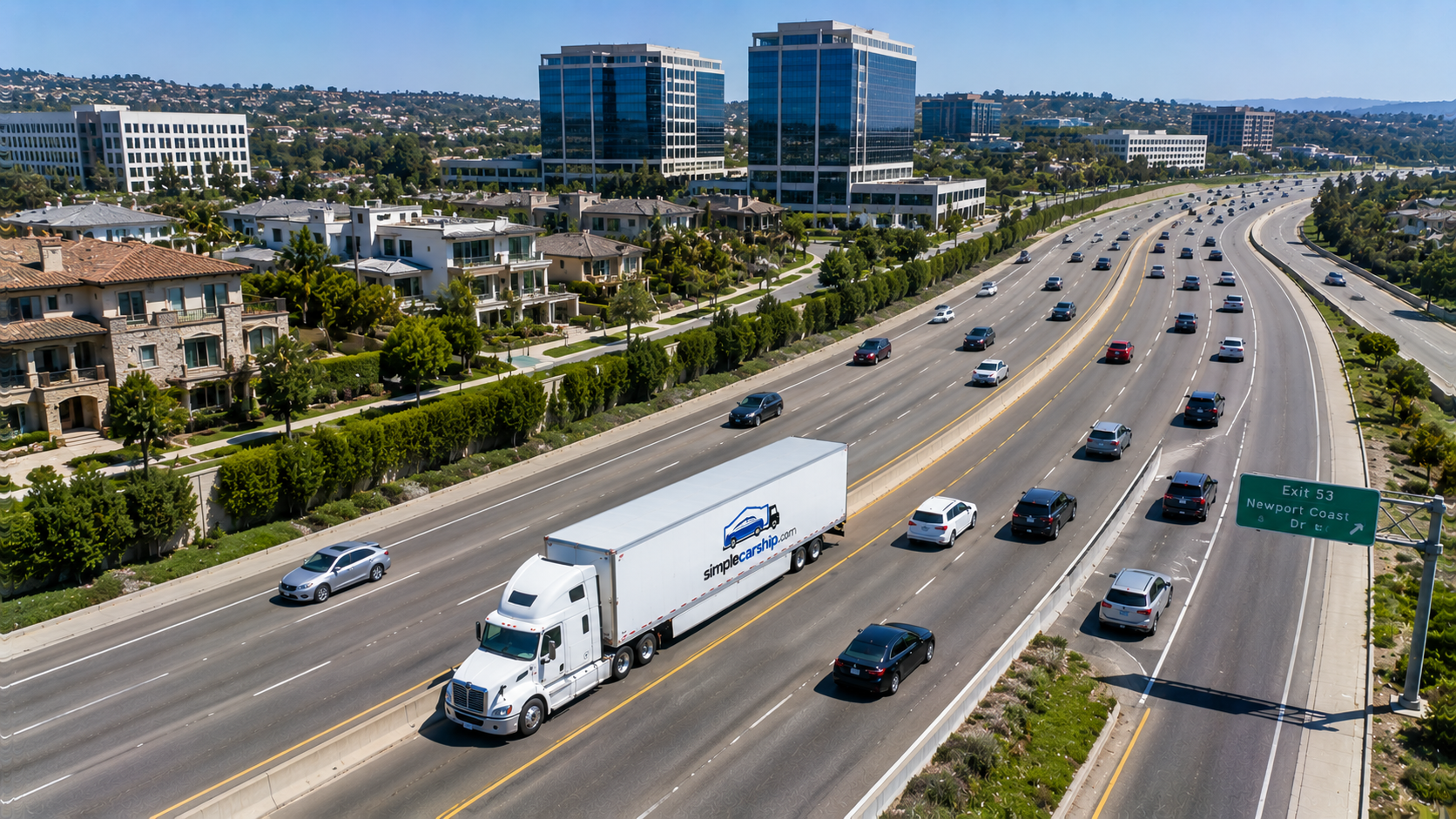
Pickup in Arizona, Delivery in Oregon: What to Expect
Most Arizona pickups originate in the Phoenix or Tucson metro areas, where population density and highway access make carrier scheduling efficient. If you’re in Scottsdale, Tempe, Mesa, or central Phoenix, a full-size carrier can usually reach you without issue. Rural or remote Arizona locations—think Flagstaff, Sedona, or Sierra Vista—may require a meet-point at a nearby truck stop or park-and-ride, or a smaller relay truck at additional cost. The same logic applies at the Oregon end: Portland and Eugene offer easy access for large carriers along I-5, while coastal towns or locations east of the Cascades may need creative logistics.
Delivery timing hinges on your flexibility. If you can accept a morning-or-afternoon window on a given day, the process flows smoothly. If you need delivery at exactly 2:00 PM on a Tuesday, you’ll either pay a steep expedited premium or face frustration when the driver hits traffic or a delayed prior stop. Carriers communicate directly with you as the delivery day approaches, usually calling 12 to 24 hours out to confirm the window. Be ready to receive the car when it arrives—drivers work on tight schedules and can’t wait hours for you to show up.
How Simple Car Ship Handles Your Arizona–Oregon Shipment
We don’t operate like the typical broker who posts your load on a board and waits for the lowest bidder to grab it. Every carrier we work with is hand-selected, properly insured, and vetted for communication and reliability. When you request a quote, you’ll talk to a real human—not a chatbot, not a phone tree—who’ll walk you through the route, explain your options, and give you a clear, honest price using the real numbers: $1,670 to $2,030 open, $2,670 to $3,250 enclosed, with expedited open transport available at $2,721 if your timeline is tight. No guesswork, no runaround, no bait-and-switch where the price magically jumps after you commit.
Your shipment isn’t a load number to us. You’ll have a dedicated contact from quote to delivery, and we stay in the loop with the carrier so you’re never left wondering where your car is or when it’ll arrive. If an issue comes up—weather delay, mechanical trouble, routing change—we handle the communication and keep you informed. That’s the difference between a broker who cares about the relationship and one who disappears after cashing the deposit check. If you’re moving a vehicle across 1,273 miles of highway, you deserve transparency, competence, and a team that answers the phone. That’s what we do, and we do it every day on routes like shipping a car from California to Oregon and shipping a car from Washington to Arizona.
Ready to ship? Get your clear, honest quote here—no sales pitch, no pressure, just the real numbers and a plan that works for your schedule and budget.
Frequently Asked Questions: Shipping a Car from Arizona to Oregon
How much does it cost to ship a car from Arizona to Oregon?
Open transport typically runs $1,670 to $2,030 for the 1,273-mile route, while enclosed transport costs $2,670 to $3,250. Your exact price depends on vehicle size, pickup and delivery locations, and how flexible you are with timing. Expedited open service is available at $2,721 if you need faster scheduling.
How long does it take to ship a car from Arizona to Oregon?
Transit time is 2 to 4 days once your car is loaded. The route follows I-10 and I-5, both major freight corridors, so carriers run this lane frequently. Pickup windows are typically two to three days wide; plan for five to seven days total from booking to delivery in most cases.
Should I use open or enclosed transport for this route?
Most customers choose open transport for daily drivers, SUVs, and standard sedans—it’s safe, insured, and costs about $1,000 less. Enclosed makes sense for high-value vehicles, classics, or low-clearance sports cars where road debris and weather exposure pose real risk. For a $50,000+ car, enclosed is usually worth the premium.
Can the carrier pick up from rural Arizona or deliver to coastal Oregon?
Large carriers easily serve Phoenix, Tucson, Portland, and Eugene. Rural or remote locations—like Flagstaff or coastal Oregon towns—may require a meet-point along a major highway or a smaller relay truck at extra cost. Discuss your exact addresses at booking to confirm accessibility and avoid surprises.
What payment methods do carriers accept at delivery?
Most carriers accept cash, certified check, or money order for any balance due at delivery. Some accept Zelle or other electronic transfers; confirm with your specific carrier before pickup. Credit cards are rarely accepted by drivers on-site due to processing fees, so plan your payment method in advance to avoid delays.