How Much Does It Cost to Ship a Car from Maryland to Colorado?
Shipping a car from Maryland to Colorado typically costs between $1,495 and $1,820 for open transport, or $2,390 to $2,910 for enclosed across the 1,665-mile journey. The final price depends on your vehicle size, the exact pickup and delivery cities, current fuel costs, and carrier availability. Most shipments from the Baltimore or Rockville area to Denver or Colorado Springs take 3–5 days in transit, and choosing the right transport method—open versus enclosed—makes the biggest difference in what you’ll pay.
Get your instant car shipping price
Real quote in seconds — no spam, no runaround.
If you need guaranteed faster pickup and delivery, expedited open transport runs around $2,438. That cuts coordination time and prioritizes your vehicle on a dedicated route, though standard service handles the vast majority of Maryland-to-Colorado shipments without issue. Understanding what drives the cost helps you budget accurately and avoid surprise fees from brokers who advertise low rates then tack on “market adjustments” at booking.
What Affects the Cost of Shipping a Car 1,665 Miles from Maryland to Colorado
The baseline price reflects diesel costs, driver wages, and the carrier’s operating margin over a cross-country haul that crosses the Appalachians, traverses the Midwest, and climbs into the Rockies. Vehicle size is the clearest cost lever: a compact sedan sits at the lower end of the $1,495–$1,820 open range, while a full-size pickup or three-row SUV pushes toward $1,820 because it occupies more deck space and adds weight. Enclosed transport doubles the trailer cost and limits each carrier to fewer vehicles per load, which is why enclosed quotes jump to $2,390–$2,910.
Pickup and delivery locations also matter. If you’re near Interstate 70 in Baltimore or Rockville, and your destination is central Denver or Colorado Springs, carriers move efficiently along major freight corridors and keep prices competitive. Ask for delivery to a mountain town an hour west of Denver, and you’ll likely pay a $100–$200 rural surcharge because the truck makes a dedicated detour off the main route. Seasonal demand is generally stable on this route—it doesn’t see the extreme snowbird swings of Florida or Arizona runs—but late spring and early fall still bring slightly higher volumes as people relocate for summer or the academic year.
Open vs. Enclosed Transport: Which Makes Sense for Maryland to Colorado
Open transport handles roughly 90 percent of all vehicles shipped on this route and costs $895 to $1,090 less than enclosed. Your car rides on a double-decker trailer exposed to weather and road dust, the same way dealerships move new inventory cross-country. For daily drivers, commuter cars, and even newer SUVs in normal conditions, open is the rational choice: statistically safe, widely available, and priced to match the distance and demand. The 1,665-mile haul crosses varied weather zones—from Mid-Atlantic humidity to High Plains wind to Front Range sun—but carriers secure every vehicle and inspect it at pickup and delivery.
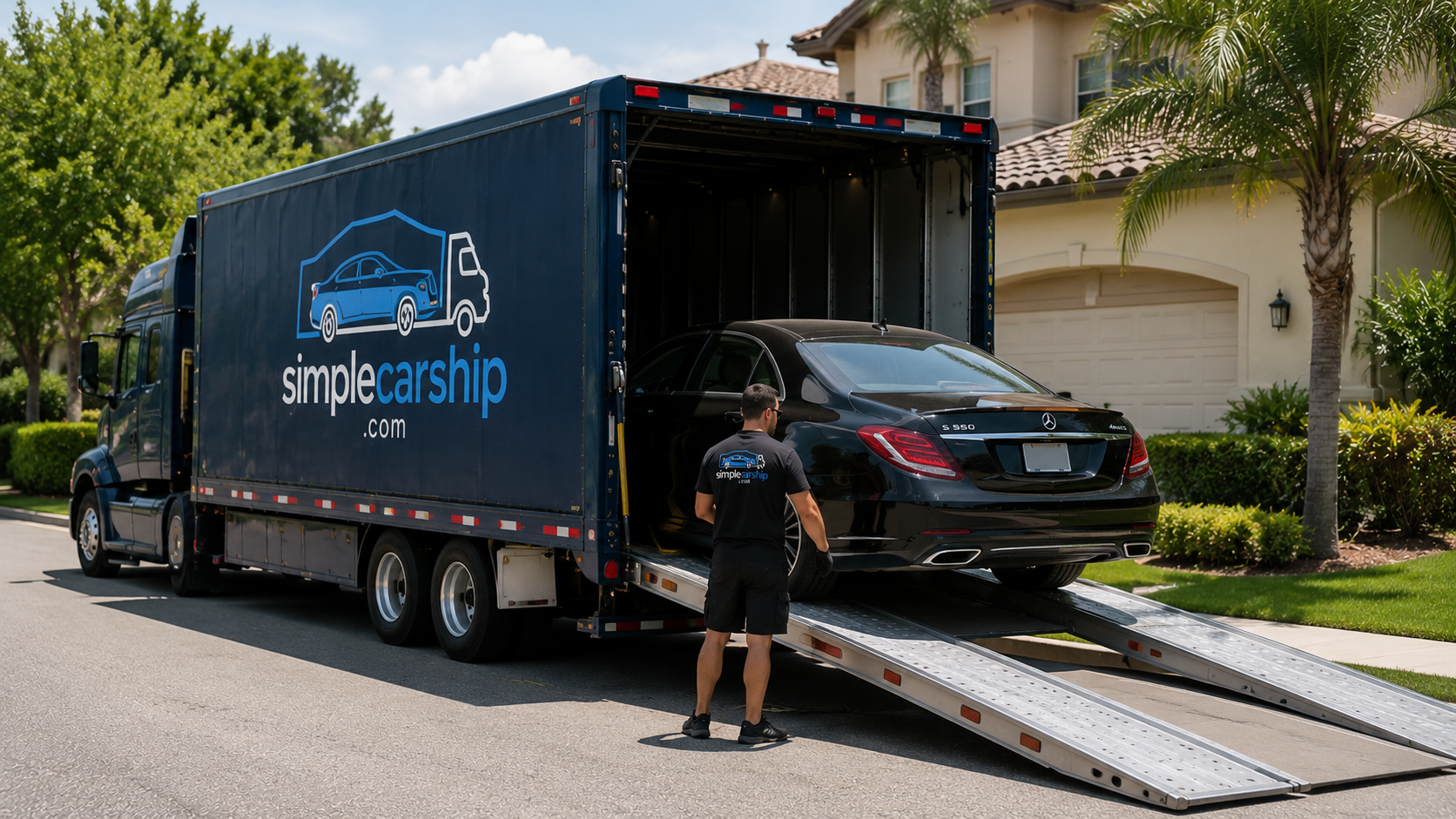
Enclosed transport makes sense when the vehicle’s value or condition justifies the premium. If you’re moving a classic Corvette, a European luxury sedan, or a freshly restored muscle car, the hard-sided trailer shields paint and interior from road grit, rain, and UV exposure. Collectors shipping to or from Colorado’s thriving vintage-car community—especially around Denver and Boulder—often choose enclosed by default. The $2,390–$2,910 investment buys peace of mind and, critically, coverage under the carrier’s higher cargo insurance limits. For a $60,000 vehicle, spending an extra $900 to eliminate rock-chip risk is straightforward math.
Pickup in Maryland and Delivery in Colorado: How the Logistics Work
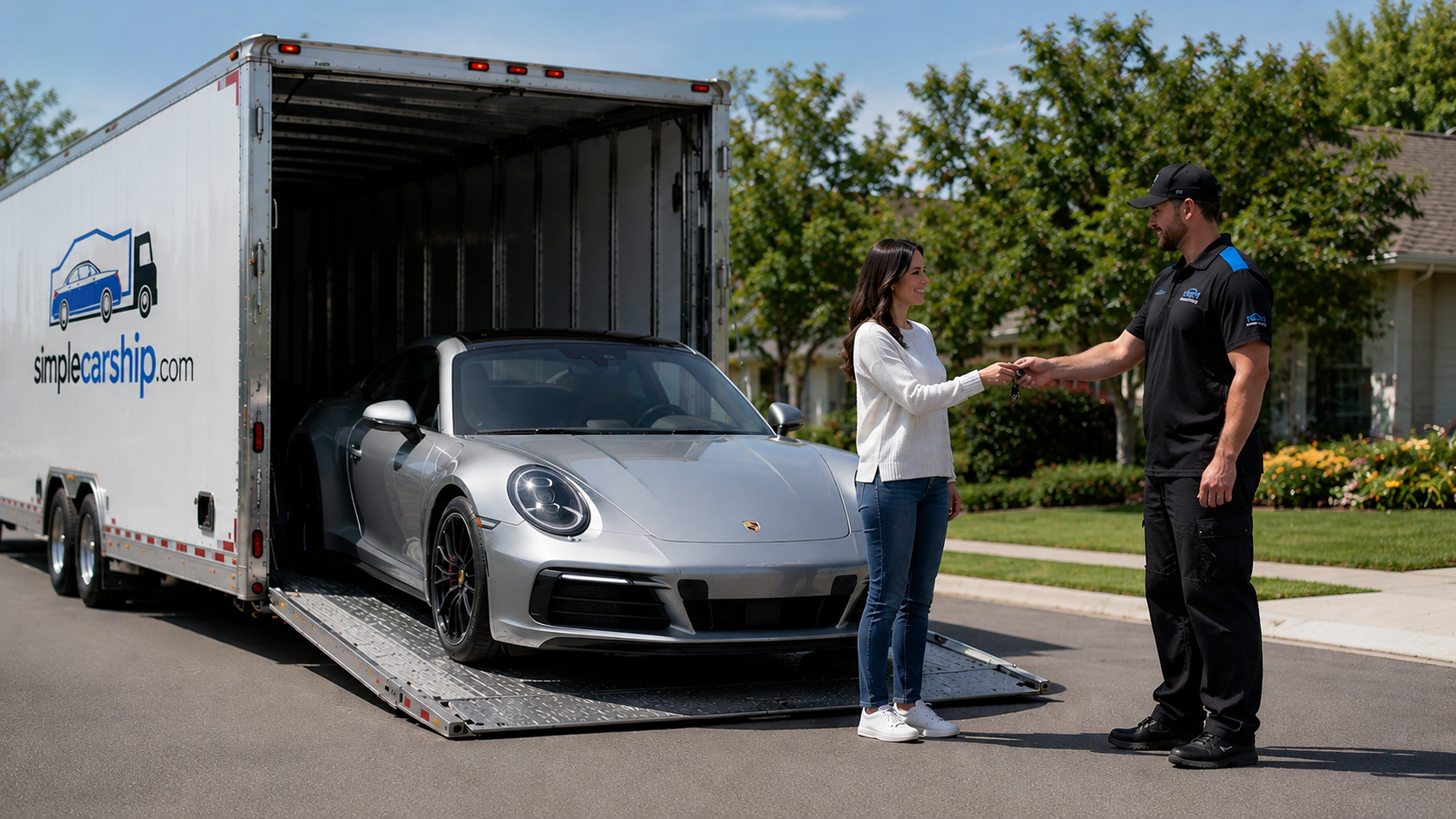
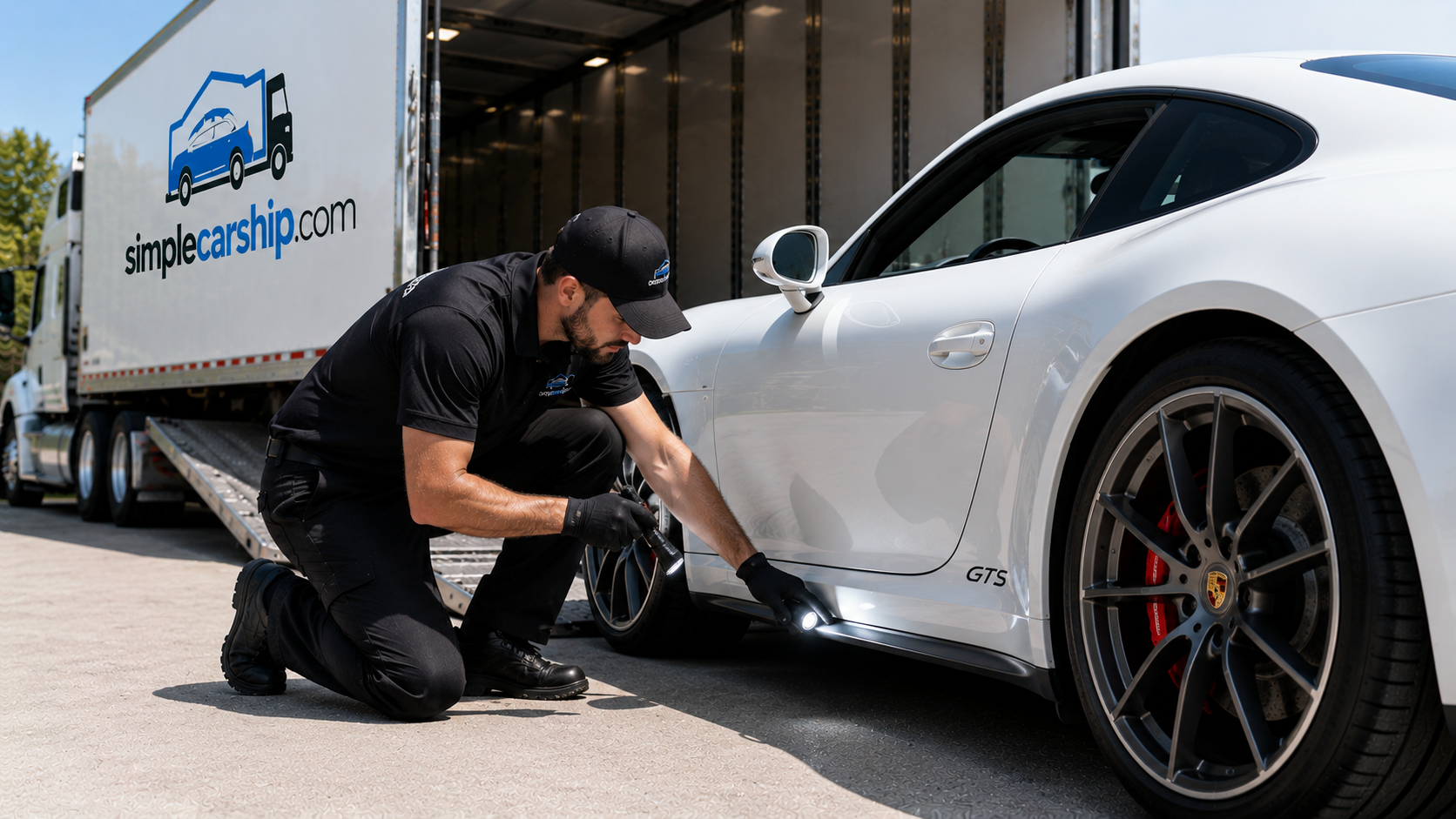
Most Maryland pickups originate in Baltimore or Rockville, both of which sit on or near I-95 and I-270—key north-south and circumferential routes that connect to I-70 westbound. Carriers prefer commercial addresses, dealership lots, or easily accessible residential streets where a 75-foot tractor-trailer can maneuver. If your neighborhood has low clearance, narrow turns, or overnight parking restrictions, the dispatcher will arrange a nearby meet point—a shopping-center lot or park-and-ride—at no extra charge. You hand over the keys, walk around the vehicle with the driver to document existing condition on the bill of lading, and receive a copy with the estimated delivery window.
On the Colorado end, Denver and Colorado Springs anchor delivery because they’re the state’s two largest metro areas and lie directly on I-70 and I-25. Carriers running the central corridor pass through both cities naturally, so last-mile delivery is efficient. If you’re taking delivery in Boulder, Fort Collins, or Pueblo, expect the driver to coordinate a tight time window—often a two-hour block—since those stops are slight diversions from the main Interstate arteries. The driver will call 12–24 hours ahead, and you’ll conduct the same walk-around inspection, noting any new damage (rare, but documented immediately) before signing off and taking possession.
Transit Time and When to Book Your Maryland–Colorado Shipment
Plan on 3 to 5 days in transit once the carrier loads your vehicle in Maryland. That window accounts for the 1,665 road miles, mandatory rest breaks under federal hours-of-service rules, and typical traffic through the Midwest and Rockies. Carriers don’t drive nonstop; a team may cover 500 miles in a day, then park overnight near a truck stop in Indiana or Kansas. If the truck is making other regional deliveries—common on open multi-car haulers—your car might sit on the trailer an extra day while the driver drops a vehicle in Wichita or picks one up in Salina.
Booking lead time is more variable than transit time. During low-demand weeks, a carrier can be dispatched within 24–48 hours of your order. In busier windows—late May and August, when household moving peaks overlap with vacation season—allow three to five business days between booking and pickup. If your timeline is fixed—say, you start a new job in Denver on a Monday—expedited service at $2,438 guarantees a carrier assignment within one business day and prioritizes your delivery. For most customers, standard service and a flexible five-day pickup window keep costs down and still deliver predictably.
How Simple Car Ship Handles Your Maryland-to-Colorado Route
We don’t post your vehicle on a load board and wait for the lowest bidder. Instead, we match your shipment with a carrier we’ve vetted—DOT safety scores, insurance verification, and track record on cross-country runs—so you’re not handing your keys to a stranger with a rented truck. You’ll receive the driver’s name and phone number before pickup, and our dispatch team monitors progress from Baltimore to Denver. If weather closes I-70 through the Eisenhower Tunnel or a mechanical issue delays the trailer in Kansas, we call you before you have to call us. Your shipment isn’t a load number; it’s your car, and you get real human support until the driver hands back your keys in Colorado.
Quotes are transparent: the price you see at booking is the price you pay, broken out by transport type, route distance, and any delivery surcharges. No “market adjustment” emails an hour before pickup, no hidden fuel fees that double the rate. We explain what moves the cost—vehicle size, open versus enclosed, rural delivery—and let you decide what fits your budget and risk tolerance. Ship your car the simple way: clear quote, real communication, no runaround.
| Feature | Open Transport | Enclosed Transport |
|---|---|---|
| Price (MD→CO) | $1,495–$1,820 | $2,390–$2,910 |
| Transit Time | 3–5 days | 3–5 days |
| Protection | Weather/road exposure | Fully enclosed trailer |
| Best For | Daily drivers, standard vehicles | Classics, luxury, high-value cars |
Ready to get an exact quote and lock in your pickup date? Request your free quote now—it takes two minutes, and you’ll have a firm price and timeline before you commit.
Frequently Asked Questions: Shipping a Car from Maryland to Colorado
What is the average cost to ship a car from Maryland to Colorado?
Open transport averages $1,495 to $1,820 for the 1,665-mile route, while enclosed service runs $2,390 to $2,910. The exact price depends on your vehicle’s size, whether pickup and delivery are in Baltimore and Denver or more remote areas, and current carrier availability. Compact sedans land at the lower end; trucks and SUVs push higher.
How long does it take to ship a car from Maryland to Colorado?
Expect 3 to 5 days in transit once the carrier loads your vehicle. The 1,665-mile journey crosses multiple time zones and requires overnight rest stops per federal hours-of-service regulations. Booking-to-pickup lead time is typically 2–5 business days during standard demand periods; expedited service can cut that to one business day.
Is my car insured during the Maryland-to-Colorado shipment?
Yes. Every licensed carrier holds federal cargo insurance that covers your vehicle in transit. Open-transport policies typically provide $100,000–$250,000 per load; enclosed carriers often carry $500,000 or higher limits. You’ll receive a copy of the carrier’s insurance certificate and policy number at pickup, and any damage is documented on the bill of lading at delivery.
Can I ship a non-running car from Maryland to Colorado?
Yes, but expect a $150–$250 surcharge. The carrier needs a working winch to load and unload a non-running vehicle, and it requires additional time and labor. Disclose the vehicle’s condition when you book so the dispatcher assigns a carrier equipped for inoperable cars. Roll/brake/steer capability affects the fee, so provide accurate details up front.
Do I need to be present for pickup in Maryland and delivery in Colorado?
Either you or an authorized agent (friend, family member, colleague) must be present to hand over keys, sign the bill of lading, and complete the walk-around inspection at both pickup and delivery. The person present must be over 18 and have a valid ID. You cannot leave keys in a mailbox or under a mat; the carrier requires a signature to accept legal custody.