How Much Does It Cost to Ship a Car from Colorado to Virginia?
Shipping a car from Colorado to Virginia typically costs between $1,450 and $1,765 for open transport, or $2,320 to $2,820 for enclosed. The price depends on your vehicle size, the exact pickup and delivery locations, current carrier availability, and seasonal demand. Over 1,668 miles of cross-country highway, you’re looking at 3–5 days in transit—and understanding what drives the cost helps you plan smarter and avoid surprise fees.
Ship your car the simple way: clear quotes, real communication, and no runaround. Here’s everything you need to know about the cost to move your vehicle from the Rockies to the Atlantic.
Get your instant car shipping price
Real quote in seconds — no spam, no runaround.
What You’ll Pay to Ship a Car from Colorado to Virginia
Most customers moving a standard sedan or small SUV in an open carrier pay between $1,450 and $1,765. That price reflects the 1,668-mile haul across interstates I-70 and I-64, fuel, driver wages, and current market rates for carriers running this corridor. Larger vehicles—trucks, three-row SUVs—push toward the higher end because they consume more deck space and add weight. Enclosed transport, which shields your car inside a covered trailer, runs $2,320 to $2,820. If you need your car on a guaranteed timeline, expedited open service averages $2,363, prioritizing your vehicle for the next available departure.
Price variables include your exact metro: a pickup in downtown Denver costs less than a rural address two hours into the mountains, because carriers prefer high-volume routes. Delivery to Richmond or Virginia Beach is straightforward; a small town in the Shenandoah Valley may add a repositioning fee. Seasonal demand also shifts rates—summer moving season and early fall see higher volume, while late winter and early spring often offer softer pricing. Fuel surcharges can appear when diesel spikes, and some brokers layer dispatch fees or cancellation penalties; Simple Car Ship includes door-to-door pricing with no hidden line items, so the quote you see is the number you pay.
Open vs. Enclosed: Which Trailer Makes Sense for This Route?
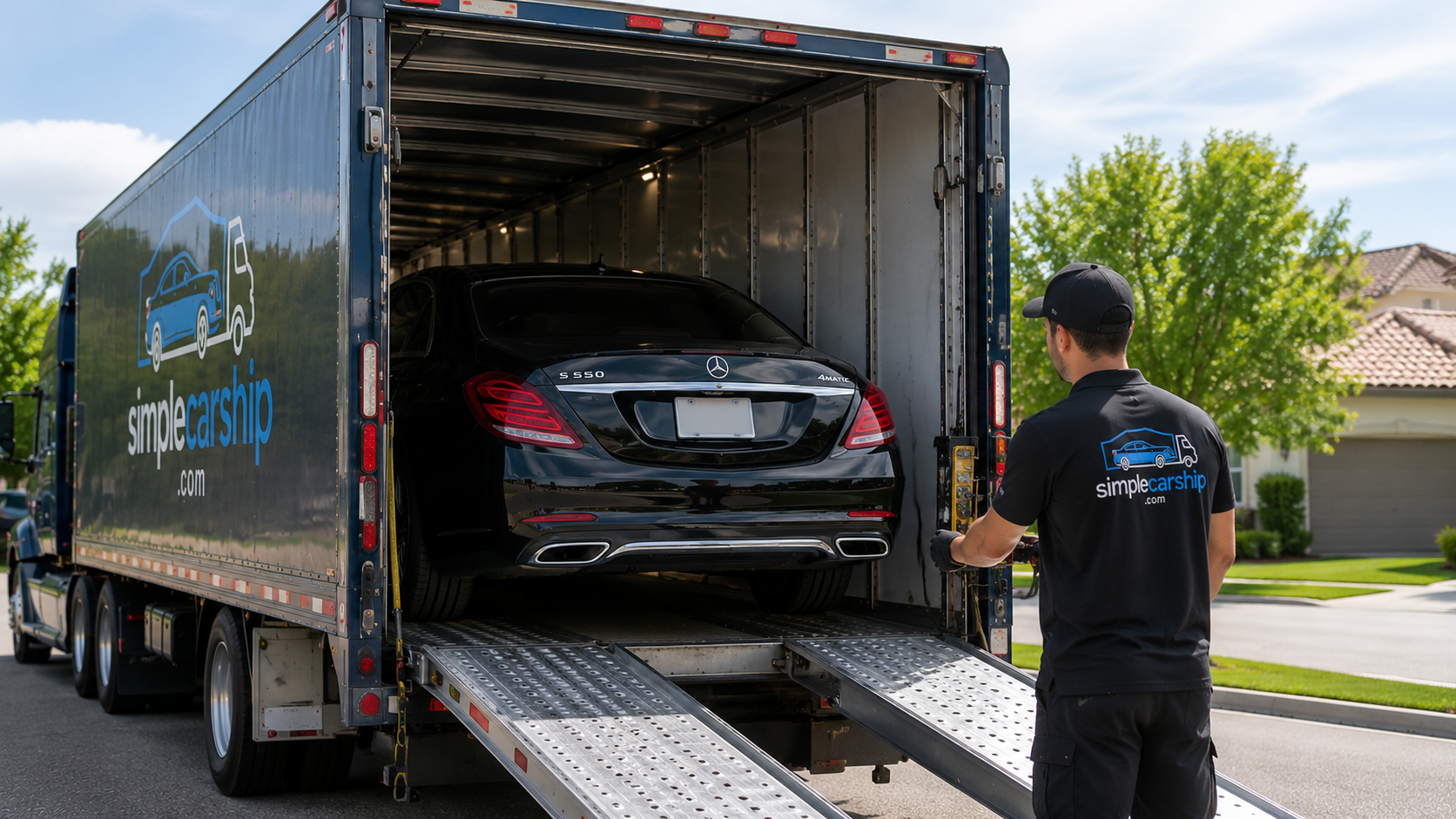
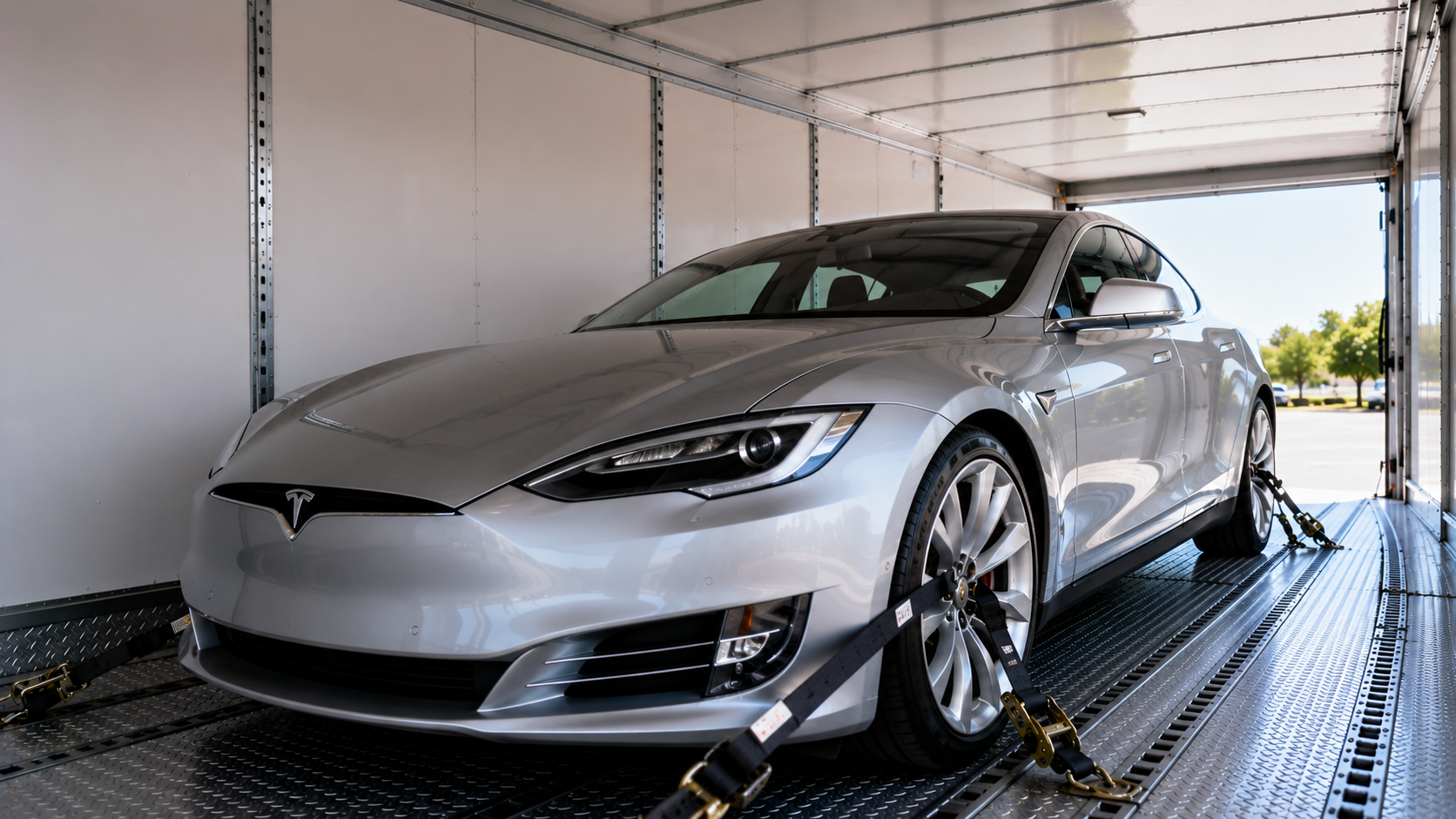
Open transport is how 90 percent of vehicles cross the country, including dealership inventory and fleet cars. Your car rides on a double-decker trailer exposed to weather, which over three to five days means road dust, rain, and wind. For daily drivers, low-mileage commuters, and recent-model sedans, open is cost-effective and reliable. The $1,450–$1,765 range keeps your budget in check, and carriers run this route multiple times per week, so availability is strong. Enclosed transport wraps your vehicle in hard walls or soft-side curtains, blocking precipitation, road debris, and UV. Expect to pay $2,320–$2,820, justified when you’re moving a classic car, a six-figure luxury vehicle, a freshly restored muscle car, or anything where paint condition and originality matter. Collectors shipping vintage Broncos or Porsches from Denver to car shows in Virginia consistently choose enclosed; a $1,000 premium beats a single paint-chip repair.
Weather between Colorado and Virginia spans high-desert sun, Great Plains wind, Midwest humidity, and Appalachian rain. Open carriers handle all of it without issue—your car arrives dusty, not damaged. Enclosed eliminates even cosmetic concerns. If resale value hinges on concours condition, go enclosed. If you’re relocating for work and driving the car daily after arrival, open is the practical choice.
| Factor | Open Transport | Enclosed Transport |
|---|---|---|
| Price | $1,450 – $1,765 | $2,320 – $2,820 |
| Transit Time | 3–5 days | 3–5 days |
| Protection | Weather-exposed, insured | Fully shielded, insured |
| Best For | Daily drivers, modern cars | Classics, luxury, high-value |
How Car Shipping from Colorado to Virginia Works
You request a quote—Simple Car Ship pulls live carrier rates and emails a firm price within hours, no phone tag required. Once you book, we assign a vetted carrier and send you the driver’s name, truck number, and pickup window (usually two to three days wide). The driver calls 24 hours before arrival, meets you at your address in Denver or Colorado Springs, completes a joint vehicle inspection, noting existing scratches or dings on the bill of lading, then secures your car on the trailer. Payment splits in two: you put down a small deposit to reserve the carrier (often by card), and you pay the balance to the driver at delivery (cash, certified check, or Zelle, depending on the carrier).
Over the next three to five days, your car crosses the Rockies on I-70, rolls through Kansas and Missouri, cuts south into Kentucky or across southern Indiana, then picks up I-64 through West Virginia into Virginia. Drivers log hours under federal limits, so expect one or two overnight stops. GPS tracking isn’t universal, but your Simple Car Ship coordinator keeps tabs on the truck and proactively updates you if weather or traffic shifts the schedule. At delivery in Richmond, Virginia Beach, or your chosen address, you repeat the inspection, compare the car’s condition to the origin photos, sign off, and hand over the balance. The entire bill of lading is your receipt and insurance documentation if you ever need to file a claim—keep it with your records.
Pickup and Delivery Logistics Across Two States
Colorado pickups concentrate in Denver and Colorado Springs, where carriers run dedicated lanes feeding I-70 and I-25. If you live in Boulder, Fort Collins, or Pueblo, expect easy service; mountain towns like Breckenridge, Telluride, or Aspen require the carrier to send a smaller truck or arrange a meet-point in the valley, adding $100–$200 and one extra day. Carriers avoid narrow switchbacks and low-clearance passes, so flexibility helps. On the Virginia end, Richmond and Virginia Beach anchor the I-64 and I-95 corridors, offering daily carrier traffic. Norfolk, Chesapeake, and Newport News fall in the same zone. Deliveries to Charlottesville, Roanoke, or the outer Shenandoah may add a repositioning leg, but most carriers accommodate it within the base quote if you mention the exact ZIP upfront.
Door-to-door is standard: the driver brings the rig to your driveway, provided the street allows a 75-foot trailer to maneuver. Tight cul-de-sacs, low tree branches, or weight-restricted roads require a nearby meeting spot—a grocery-store lot, park-and-ride, or shopping center. The carrier coordinator walks you through options during booking, and your Simple Car Ship rep confirms the plan before dispatch. Terminal-to-terminal service (you drop off and pick up at a carrier yard) is rare on this route and saves little money; the convenience of home service is worth the unchanged price.
Why Simple Car Ship for Your Colorado-to-Virginia Move
Clear quotes. Real communication. No guesswork, no runaround. We hand-select carriers who meet insurance floors—$1,000,000 cargo coverage minimum, current federal authority, and clean safety records—so your $30,000 vehicle isn’t riding with a fly-by-night hauler. You’re assigned one coordinator who handles your shipment from quote to delivery, which means you text or email the same person instead of redialing a 1-800 queue. Your shipment isn’t a load number; we know your pickup address, your delivery timeline, and whether you’re moving a Tesla Model 3 or a restored ’69 Camaro, and we match the right trailer type and driver accordingly.
Transparency runs through pricing: the quote includes fuel, tolls, insurance, and door-to-door service. If your delivery ZIP requires a meet-point, we tell you during booking, not the day before pickup. If a carrier cancels, we rebook you same-day at the original price—you never re-pay for our mistake. Real human support means a phone call gets answered by someone who’s read your file, not a script-reading dispatcher threebrokers removed from the truck. When you’re handing over keys to a car you spent years paying off or restoring, that difference matters. Get your transparent quote now—flat numbers, no surprises, no sales pitch.
Frequently Asked Questions: Shipping a Car from Colorado to Virginia
- How much does it cost to ship a car from Colorado to Virginia?
- Open transport typically runs $1,450 to $1,765 for a standard sedan or SUV over the 1,668-mile route. Enclosed service costs $2,320 to $2,820, shielding your vehicle from weather. Larger trucks, rural pickups, or expedited timelines push prices higher; exact quotes depend on your vehicle type, addresses, and current carrier availability across the Denver–Richmond corridor.
- How long does it take to ship a car from Colorado to Virginia?
- Expect 3 to 5 days in transit once the carrier picks up your vehicle. The 1,668 miles cross I-70 through the Rockies, sweep across the Great Plains, and connect to I-64 into Virginia. Weather delays, driver rest compliance, and multi-car drop-offs can extend the window by a day, so plan delivery flexibility if you’re coordinating apartment leases or flight arrivals.
- Is my car insured during transport from Colorado to Virginia?
- Yes. Every licensed carrier holds federal cargo insurance covering your vehicle in transit, with minimum liability of $1,000,000 for multi-car loads. The bill of lading signed at pickup documents your car’s condition; any new damage discovered at delivery is photographed, noted, and submitted to the carrier’s insurer. Simple Car Ship verifies each carrier’s insurance certificate before dispatch, so coverage is confirmed before your keys leave your hand.
- Can I put personal items inside my car during shipment?
- Carriers allow up to 100 pounds in the trunk or rear cargo area, below window level, because DOT weight regulations and insurance exclude loose household goods. Pack only soft items—clothes, linens, boxes—nothing fragile or valuable. If an item shifts and damages the interior or adds weight that triggers a scale violation, you’re liable. Laptop bags, tools, or electronics should travel with you; the carrier’s cargo policy covers the vehicle, not contents.
- What’s the best time of year to ship a car from Colorado to Virginia?
- Late winter (February–March) and mid-fall (October–November) offer the softest pricing, with fewer customers competing for carriers. Summer moving season (June–August) and early fall see higher demand, raising rates by 10–15 percent. Weather is manageable year-round on this route; winter snow in the Rockies occasionally delays pickup by a day, but I-70 and I-64 remain plowed and passable, so your car still moves on schedule nearly every time.