
Ship a Car from Colorado to Nevada
Moving a vehicle from Colorado to Nevada is one of the most straightforward western routes—roughly 750 miles of well-traveled Interstate connecting the Front Range to the Silver State. Whether you’re relocating to Las Vegas, heading to Reno for work, or delivering a vehicle you sold online, professional transport takes the wear off your car and gives you back days of road time. Here’s how it works, what it costs, and what to expect when you ship the simple way.
Get your instant car shipping price
Real quote in seconds — no spam, no runaround.
How Car Shipping from Colorado to Nevada Works
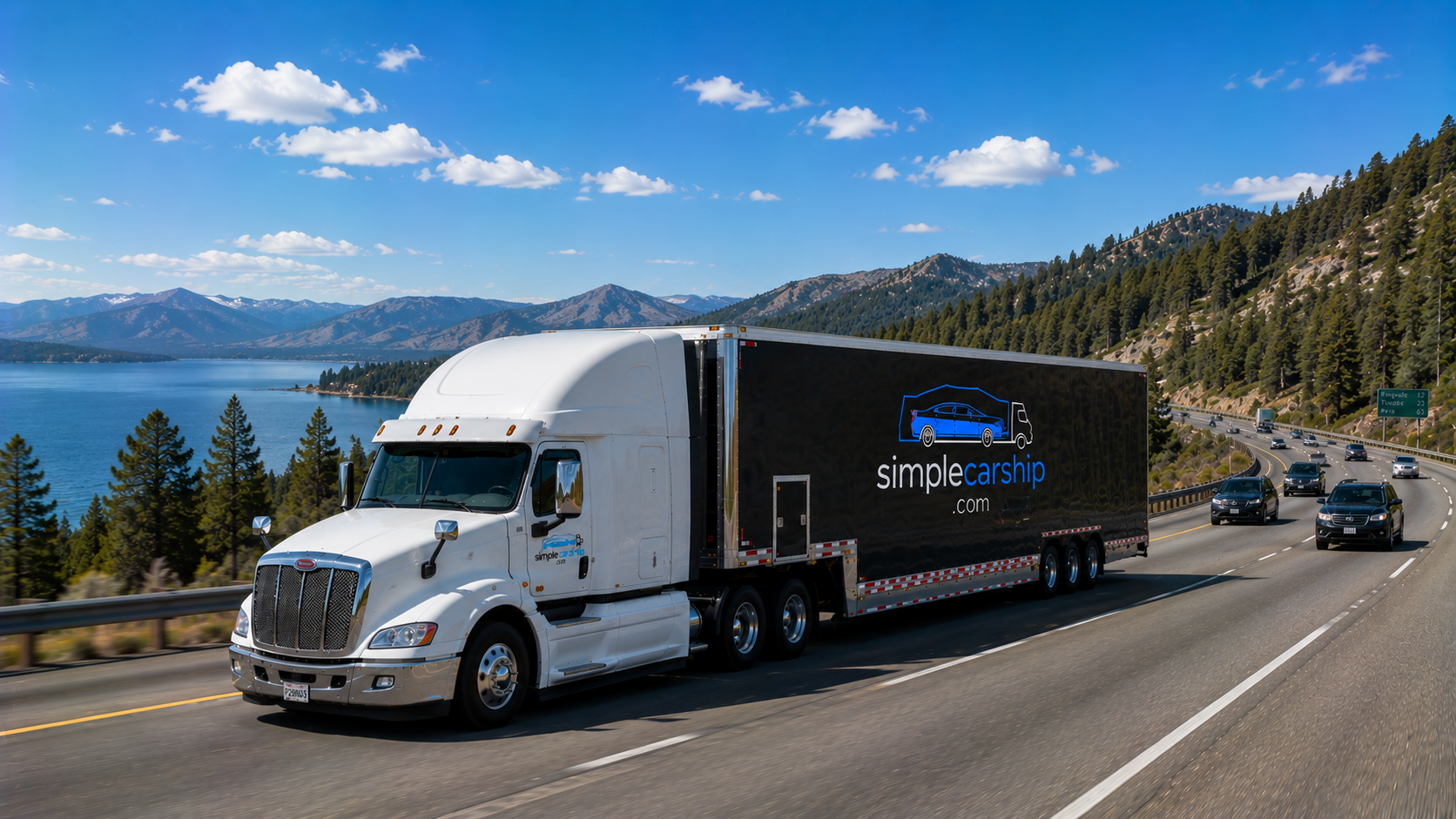
The typical route runs 750 miles from Denver or Colorado Springs west through the mountains and across Utah to Las Vegas or Reno. Carriers use I-70 west out of Denver, then connect to I-15 south toward Las Vegas or continue on I-80 toward Reno depending on your delivery city. Transit time is short: most shipments arrive in 1 to 3 days, often on the faster end because this corridor sees consistent carrier traffic and minimal weather delays outside of winter mountain passes.
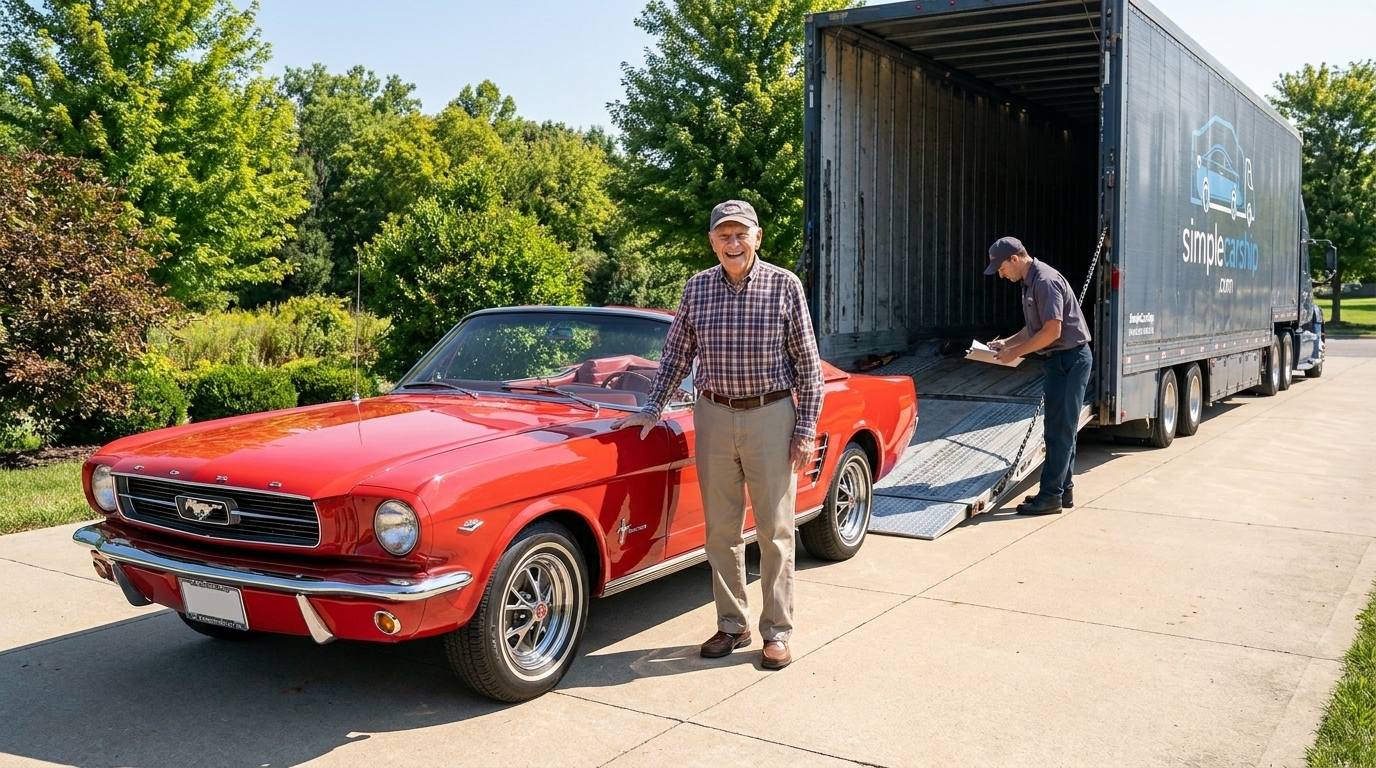
Your car rides on an open or enclosed multi-car hauler—the same rigs that move vehicles for dealerships and auction houses. Once you book, we hand-select a licensed carrier with availability on your dates, they pick up from your driveway or a nearby lot in the Denver or Colorado Springs metro, and deliver door-to-door (or as close as a 70-foot rig can navigate) in Nevada. You’ll get the driver’s contact info before pickup so there’s no mystery about who’s handling your vehicle or when they’ll arrive.
What It Costs to Ship a Car from Colorado to Nevada
Open transport on this route typically runs $795 to $970, depending on pickup and delivery metros, vehicle size, and season. Enclosed transport—fully walls and roof protection—costs $1,275 to $1,550. If you need guaranteed pickup within 24–48 hours, expedited service is available at $1,299 for open transport, locking in a driver immediately instead of waiting for the next available load.
Price moves with a few variables: a compact sedan from Denver to Las Vegas sits at the low end; a lifted truck from Colorado Springs to Reno pushes higher because of weight and the extra northern miles. Summer and early fall see slightly higher demand as people relocate before school starts, but this route doesn’t swing wildly—no snowbird seasonality, no spring-break chaos. You’ll get a firm quote upfront, and that number doesn’t change unless you add stops or services later.
Open vs. Enclosed Transport for the Colorado–Nevada Route
Open transport makes sense for most daily drivers, work trucks, and newer vehicles in normal use. Your car rides exposed to weather and road dust, but carriers run this route year-round without issue—it’s desert and high plains, not coastal salt or hail alleys. You save roughly $500 compared to enclosed, and transit time is identical because both types run the same corridors.
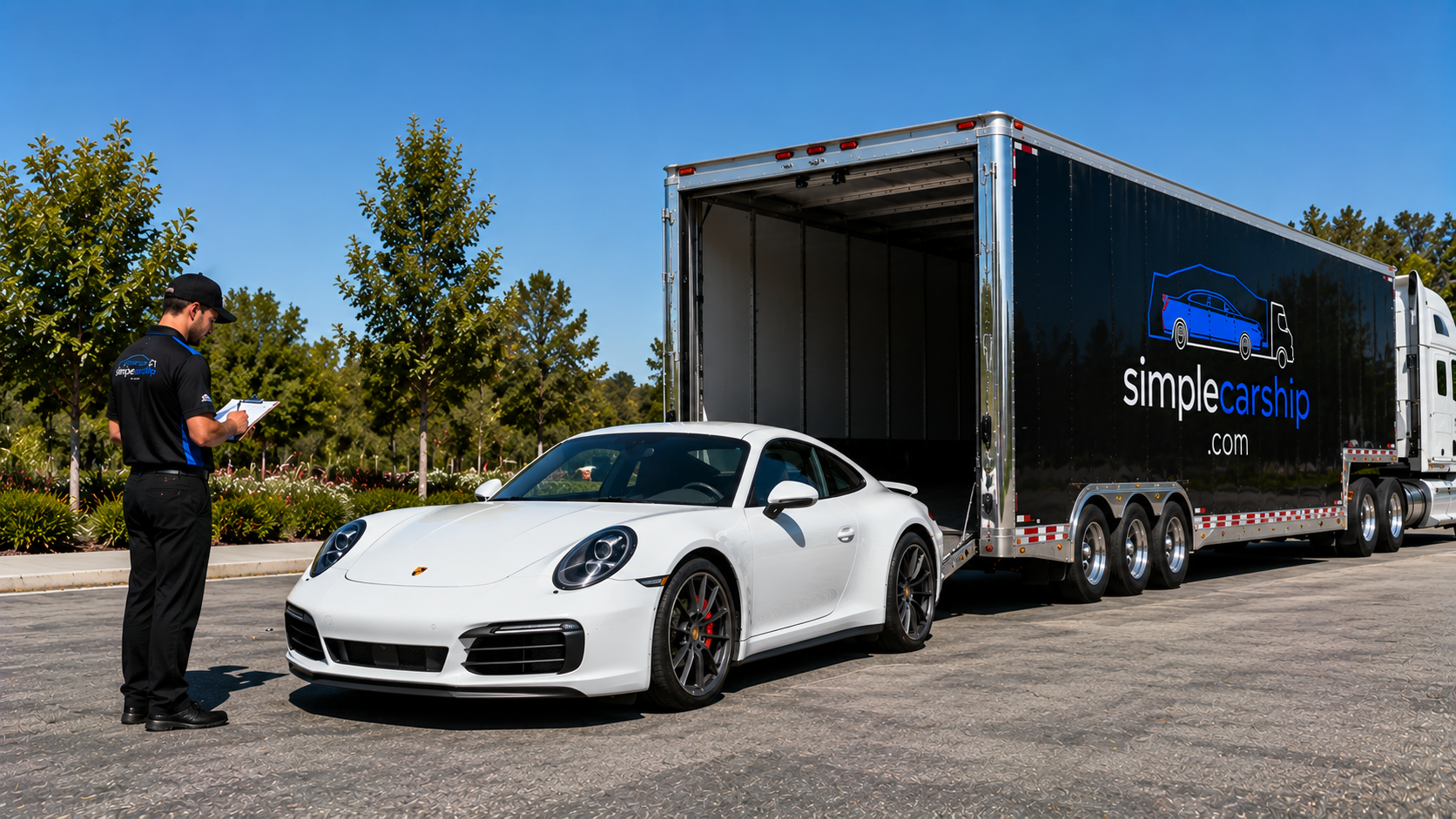
Enclosed is worth the premium if you’re moving a classic, a high-value sports car, a show vehicle, or anything with a custom paint job or low ground clearance. The aluminum or fiberglass shell keeps road grit, sun, and the occasional summer thunderstorm off the finish. Enclosed carriers also load fewer vehicles per trailer (typically two to seven versus eight to ten on open decks), so handling is gentler and scheduling can be more predictable. For a bone-stock Camry heading to a new job in Reno, open is plenty; for a restored ’69 Chevelle going to a collector in Las Vegas, enclosed is the call.
| Feature | Open Transport | Enclosed Transport |
|---|---|---|
| Price (CO–NV) | $795–$970 | $1,275–$1,550 |
| Transit Time | 1–3 days | 1–3 days |
| Protection | Weather-exposed, road dust | Fully enclosed, climate-shielded |
| Best For | Daily drivers, standard vehicles | Classics, luxury, high-value cars |
Pickup in Colorado, Delivery in Nevada
Most Colorado pickups happen in the Denver metro—including suburbs like Aurora, Lakewood, and Littleton—or in Colorado Springs. Carriers run I-25 between the two cities constantly, so scheduling is flexible. If you’re in Boulder, Fort Collins, or even Grand Junction, pickup is still straightforward; the carrier will route through Denver or coordinate a slight detour if the load allows. Let us know your exact ZIP at quote time, and we’ll confirm whether door-to-door works or if you’ll need to meet the driver at a nearby truck-friendly lot.
On the Nevada side, the vast majority of deliveries go to Las Vegas and its sprawling metro, or to Reno-Sparks in the north. Both cities have excellent truck access and experienced drivers who navigate residential streets daily. If your destination is Laughlin, Carson City, or another smaller Nevada town, delivery is still possible—sometimes direct, sometimes with a meet-point a few miles off the main highway. We coordinate all of that before dispatch so there are no surprises on delivery day.
How Simple Car Ship Handles Your Colorado–Nevada Shipment
We don’t operate a marketplace where your quote gets bid down by strangers. Instead, we hand-select a carrier from our vetted network, confirm insurance and authority, and give you their direct contact info before pickup. You’ll know the driver’s name, the truck number, and the ETA—no load-board limbo, no wondering if anyone’s actually coming. Your shipment isn’t a line item; it’s a car you care about, and we treat it that way from quote to delivery.
Communication is real and human. You’ll work with the same rep from quote through delivery, and if something changes—weather in the Rockies, a delivery-window shift—you hear it from us first, in plain language. Clear quotes, real updates, no runaround. That’s the standard, and it’s why customers who ship once with us come back when they need another vehicle moved. Ship your car the simple way, and you’ll see the difference immediately.
Ready to get started? Request your free quote now—firm price, real transit window, zero obligation. We’ll walk you through pickup and delivery details, answer every question, and lock in a carrier the moment you’re ready to book.
Frequently Asked Questions: Colorado to Nevada Car Shipping
- How long does it take to ship a car from Colorado to Nevada?
- Transit time is typically 1 to 3 days for the 750-mile run between Denver or Colorado Springs and Las Vegas or Reno. Most shipments land on the shorter end because carriers run I-70 and I-15 daily, and the route has minimal delays outside of occasional winter weather in the mountain passes west of Denver.
- What does it cost to ship a car from Denver to Las Vegas?
- Open transport from Denver to Las Vegas typically costs between $795 and $970, while enclosed transport runs $1,275 to $1,550. The exact price depends on your vehicle size, specific pickup and delivery addresses, and current carrier availability. Expedited service with guaranteed 24–48 hour pickup is available at $1,299 for open transport.
- Is open or enclosed transport better for the Colorado–Nevada route?
- Open transport works well for most daily drivers and standard vehicles, saving you roughly $500 while delivering in the same 1–3 day window. Enclosed transport is the right choice for classics, luxury cars, or anything with custom paint, low clearance, or high collector value—the shell protects against road dust, sun, and weather across the desert corridor.
- Can a carrier pick up my car in Colorado Springs and deliver to Reno?
- Yes. Carriers regularly service both Colorado Springs and Reno, though Reno runs see slightly less daily traffic than the Denver–Las Vegas lane. Pickup and delivery are still straightforward; transit stays in the 1–3 day range, and door-to-door service works in both metros as long as the street allows a 70-foot trailer to navigate safely.
- Do I need to be present for pickup and delivery?
- You or someone you authorize must be present to hand over keys, sign the inspection report, and release the vehicle at pickup—and again at delivery to accept the car and note its condition. The driver will call or text an hour or two ahead of arrival at both ends so you’re not waiting around all day. The whole process takes about fifteen minutes at each stop.