
How Much Does It Cost to Ship a Car from Florida to Nevada?
Shipping a car from Florida to Nevada typically costs between $2,165 and $2,635 for open transport, or $3,460 to $4,215 for enclosed carriers. The final price depends on your exact pickup and delivery cities, the size and condition of your vehicle, current fuel prices, and carrier availability along this 2,528-mile cross-country route. Unlike typical brokers who hide fees or lowball quotes, we’ll walk you through exactly what moves the price—and what you’re actually paying for.

Get your instant car shipping price
Real quote in seconds — no spam, no runaround.
What Determines the Cost of Shipping from Florida to Nevada
The 2,528-mile distance from Florida to Nevada is the foundation of your quote, but several real factors adjust the final number. Vehicle size matters: a compact sedan sits at the lower end of the $2,165–$2,635 open-transport range, while a full-size SUV or truck pushes toward the upper limit because it takes more space on the carrier and affects weight distribution. Pickup and delivery locations play a major role, too. Shipping from Miami to Las Vegas—both major metro hubs with heavy carrier traffic—costs less than a rural pickup in the Panhandle or a delivery to a small Nevada town off I-80, where carriers charge extra to deviate from their regular lanes.
Seasonality and fuel costs shift pricing week to week. Diesel price swings directly affect what carriers charge, and while Florida-to-Nevada doesn’t see the dramatic seasonal spikes of snowbird routes, summer heat can slow scheduling as drivers manage hours-of-service limits more conservatively across the desert Southwest. Vehicle condition also impacts cost: if your car doesn’t run, carriers need a winch and extra time to load it, typically adding $150–$250 to the base rate. If you need expedited service—guaranteed pickup within 24–48 hours—expect to pay closer to $3,527 for express open transport, roughly 50% above standard rates.
Open vs. Enclosed Transport: Which Makes Sense for This Route
For the Florida-to-Nevada run, open transport is the practical choice for most vehicles. It’s the same method dealerships use to move inventory cross-country, and the $2,165–$2,635 price reflects the high availability of carriers running this corridor between the Southeast and the Southwest. Your car rides exposed to weather, but professional drivers secure it properly and modern open carriers are built to protect against road debris. The 4–6 day transit means limited exposure, and the cost difference—sometimes $1,300 or more compared to enclosed—makes open the default unless your vehicle demands extra protection.
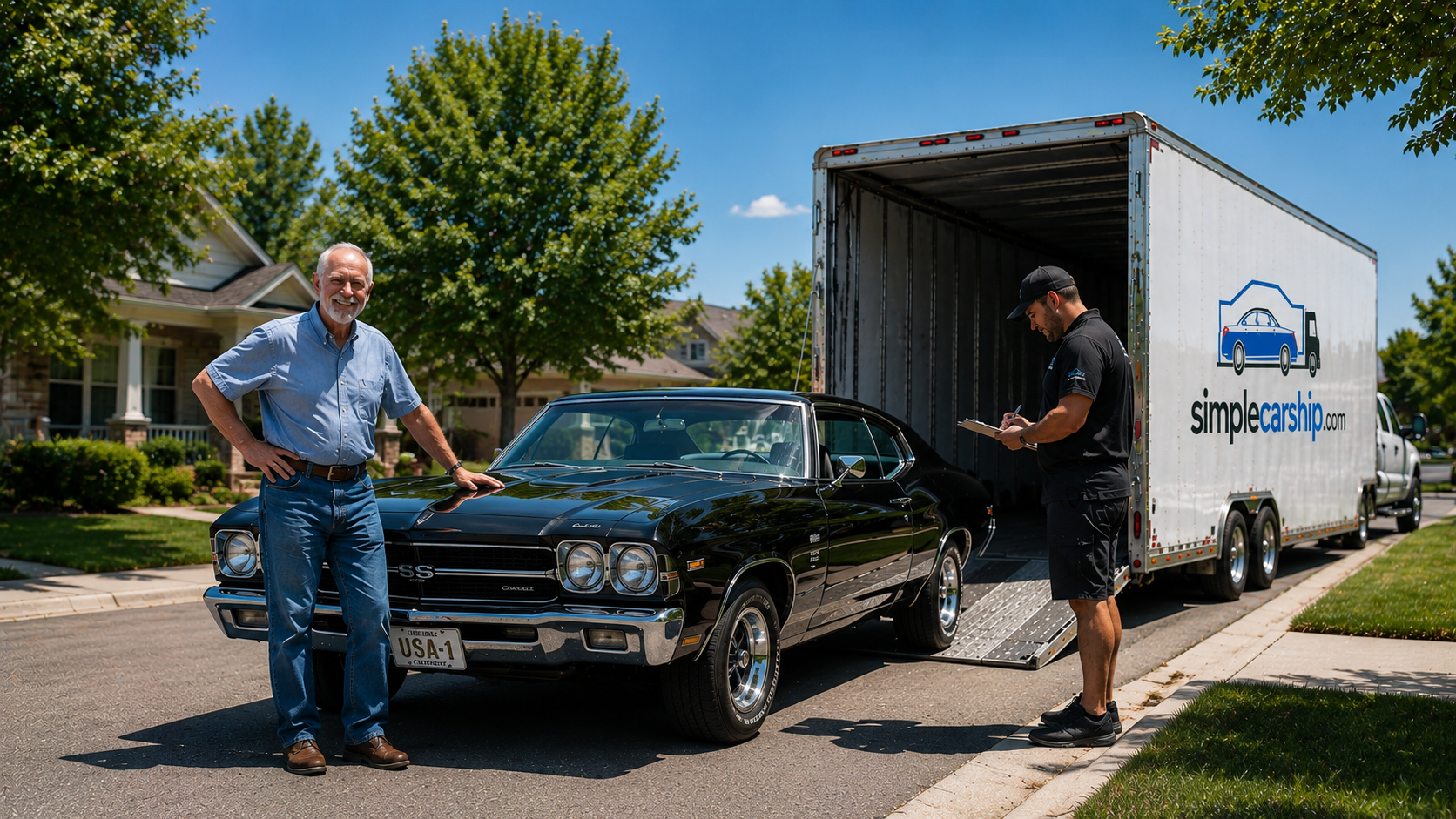
Enclosed transport ($3,460–$4,215) makes sense in specific situations: classic cars, high-value sports cars, luxury vehicles with custom paint, or any car where even minor dust or rock chips matter. Enclosed carriers shield your vehicle in a fully walled trailer, often with climate control and softer tie-down methods. If you’re moving a six-figure collector car or a pristine restoration, the premium is justified. For a daily-driver sedan or a family SUV, open transport handles the Florida-to-Nevada crossing without issue and keeps more money in your pocket.
| Feature | Open Transport | Enclosed Transport |
|---|---|---|
| Florida–Nevada Cost | $2,165–$2,635 | $3,460–$4,215 |
| Transit Time | 4–6 days | 4–7 days |
| Protection Level | Weather-exposed, debris shields | Fully enclosed, climate option |
| Best For | Daily drivers, standard vehicles | Classics, luxury, high-value cars |
Pickup in Florida and Delivery in Nevada: How the Logistics Work
Florida offers some of the easiest pickup logistics in the country. Miami, Orlando, Tampa, and Jacksonville sit on heavily traveled carrier routes, with dozens of trucks moving west every week. If you’re in or near these metros, carriers can often accommodate flexible pickup windows without extra charges. For locations outside the I-4 and I-95 corridors—like the Panhandle, the Keys, or rural Central Florida—expect a possible $75–$150 surcharge as drivers reroute to collect your vehicle. Most carriers prefer terminal-to-terminal service in metro areas, but door-to-door is standard if your street allows a 75-foot trailer to maneuver safely.
On the Nevada side, Las Vegas dominates delivery volume, with Reno a distant second. Las Vegas sees constant inbound traffic from every direction, so scheduling is straightforward and costs stay competitive. Reno serves Northern Nevada well, though fewer carriers run that leg, sometimes adding a day to transit. For rural Nevada towns—Elko, Ely, Pahrump—you’ll likely meet the driver at the nearest truck-accessible junction rather than your driveway, and delivery fees can climb $100–$200. Carriers notify you 24 hours ahead of delivery; you or someone you authorize must be present to inspect and sign for the vehicle.
Transit Time and What to Expect on the Road
The 2,528-mile journey from Florida to Nevada takes 4 to 6 days under normal conditions. Carriers follow a rough path across the Deep South—often I-10 through Tallahassee, Mobile, Houston—then north through West Texas and New Mexico before crossing into Nevada via I-15 or I-40 and US-95. Drivers are federally limited to 11 hours behind the wheel per day, with mandatory rest breaks, so a single driver averages 450–500 miles daily; team-driver trucks can cut a day off that schedule but cost significantly more.
Weather rarely disrupts Florida-to-Nevada routes the way winter can hammer Northern corridors, but summer monsoons in Arizona and New Mexico occasionally cause brief delays. Carrier availability fluctuates: during peak moving season (May–September), you’ll find more trucks but also more competition for space, so booking a week ahead is smart. Off-peak months (October–April) can mean slightly lower prices but longer waits for the next available carrier. If your timeline is firm, communicate that up front—expedited service guarantees faster pickup but, as noted, pushes cost toward $3,527 for open transport.
How Simple Car Ship Handles Florida-to-Nevada Shipments
Ship your car the simple way. We assign a dedicated coordinator to your Florida-to-Nevada shipment—one human who knows your route, your vehicle, and your timeline. No call centers, no robotic ticket systems, no passing you between departments. You’ll receive a clear quote with the real open-transport range ($2,165–$2,635) or enclosed range ($3,460–$4,215) and a plain-English breakdown of what moves the price. We hand-select carriers who run the Southeast-to-Southwest corridor regularly, verify their insurance and FMCSA records, and confirm they have room for your specific vehicle type before assigning the load.
Your shipment isn’t a load number. We check in at pickup, during transit, and before delivery. If a carrier hits weather or a mechanical delay, you hear about it from us first—not when the truck is already a day late. Real communication, no guesswork, no runaround. When the driver arrives in Nevada, you’ll inspect your car using the same condition report signed at pickup in Florida, and any new damage (rare, but possible) gets documented immediately for insurance claims. That’s the process, transparent start to finish, because handing over a $30,000 vehicle to a stranger should never feel like a gamble.
Ready to move your car from Florida to Nevada? Get a clear quote now—real numbers, real transit days, and a real person to answer your questions.
Frequently Asked Questions: Shipping a Car from Florida to Nevada
- How much does it cost to ship a car from Miami to Las Vegas?
- Miami to Las Vegas averages $2,165–$2,635 for open transport and $3,460–$4,215 for enclosed. Both cities sit on high-volume carrier routes, so pricing stays competitive. Larger vehicles or expedited service push toward the upper end; smaller sedans with flexible timing land near the lower range. Fuel prices and seasonal demand cause week-to-week variation within those brackets.
- How long does it take to ship a car 2,528 miles from Florida to Nevada?
- Expect 4 to 6 days for standard service. Carriers average 450–500 miles per day due to federal hours-of-service limits, and the cross-country route includes mandatory rest stops. Team-driver expedited service can shave a day off but costs roughly 50% more. Weather delays are uncommon on this southern route, though summer monsoons occasionally add hours in Arizona or New Mexico.
- Is open transport safe for a 2,500-mile trip from Florida to Nevada?
- Yes. Open carriers move thousands of vehicles cross-country daily using the same methods dealerships rely on. Your car is secured with wheel straps and covered by the carrier’s insurance (minimum $100,000 cargo coverage). Road debris and weather exposure are minimal over 4–6 days, and damage rates remain below 2% industry-wide. For high-value or classic cars, enclosed transport adds a protective shell.
- Can I ship a non-running car from Florida to Nevada, and what does it cost?
- Yes, but expect an additional $150–$250 surcharge for inoperable vehicles. Carriers need a winch to load non-runners, and the process takes extra time at both pickup and delivery. Ensure the car rolls freely and steers; if the wheels are locked or the frame is damaged, specialized equipment may be required, raising the cost further. Disclose non-running status when requesting your quote.
- Do Florida-to-Nevada car shipping prices change by season?
- Seasonal swings are modest on this route compared to snowbird corridors. May through September sees higher demand as families relocate during summer, which can nudge prices up $100–$200 and extend booking lead times. Diesel price fluctuations—common in spring and fall—affect quotes more directly. Winter months (October–April) often bring slightly lower rates but fewer available carriers, so booking ahead remains important.