
Get your instant car shipping price
Real quote in seconds. Enter your details and we’ll show your price instantly.
No spam — we only use this to send your quote and confirm your booking.
Non-Running Vehicle Shipping
Worried no carrier will touch a car that won’t start, or that you’ll book a driver who shows up with no winch and drives off? Stop worrying: a dead car gets shipped nationwide every single day, and the only thing standing between you and a smooth pickup is matching the right equipment to your car’s actual condition. That’s the whole job, and Simple Car Ship does it without the bait-and-switch. Maybe it’s a project car you finally bought, an inherited vehicle parked for years, a flood or accident car headed to a buyer, or a daily driver that died and needs to reach a shop two states over. Whatever it is, we move non-running vehicles with quotes that already factor in the surcharge, carriers vetted for that exact load, and a real person who tells you the truth instead of a teaser rate. Your car, running or not, is more than a line on a load board to us.
What Makes Non-Running Vehicle Shipping Different
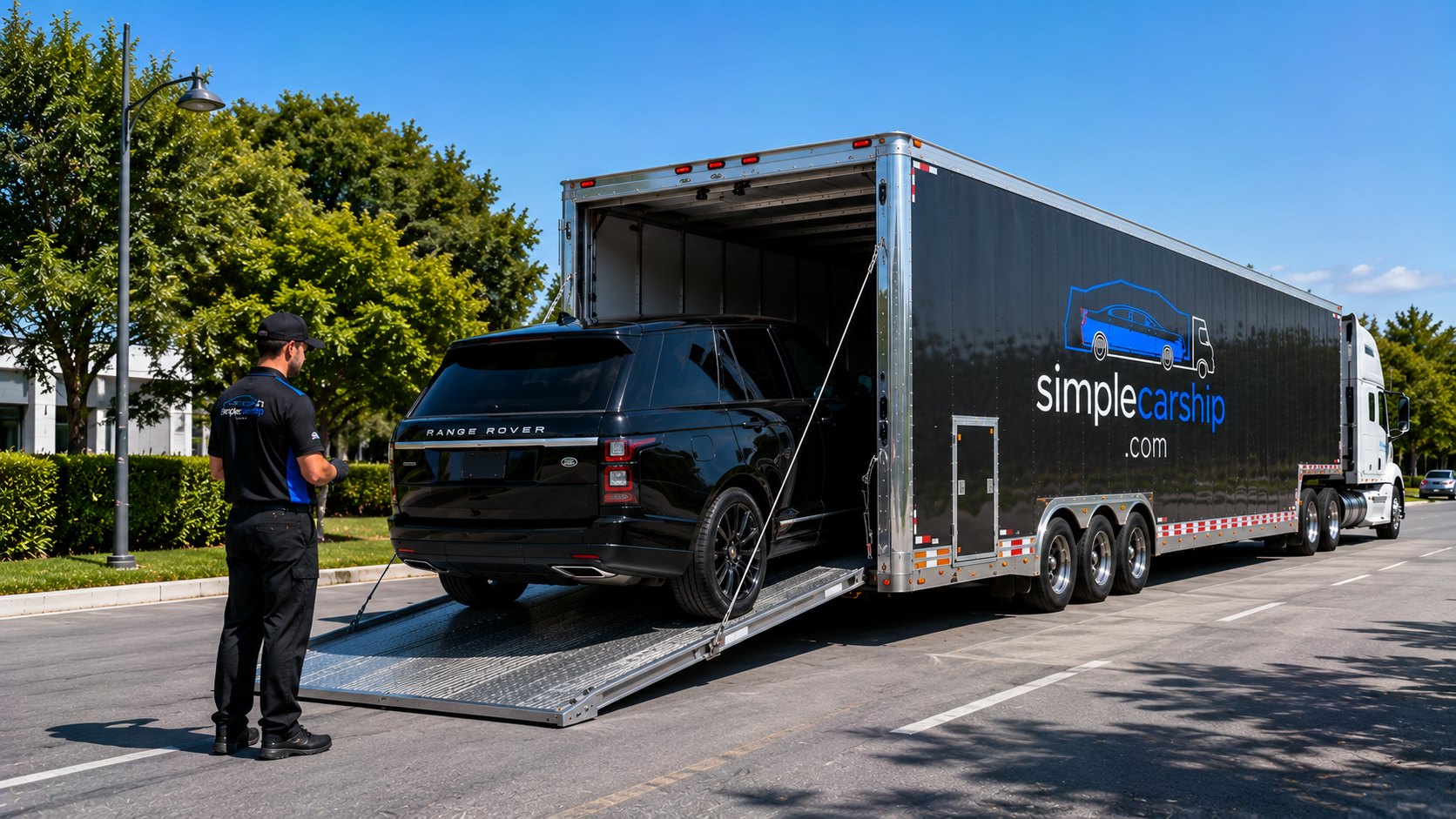
The whole game changes the moment a vehicle can’t drive itself onto a trailer. A running car loads under its own power in a couple of minutes. A non-running vehicle has to be physically pulled, pushed, or lifted aboard, and that takes the right equipment and an honest description of the car’s actual condition. This is where transparency matters most, because the wrong information leads to a no-show driver and a wasted day.
Carriers sort non-running vehicles into clear categories, and the words you use on your quote matter. A vehicle that “rolls, brakes, and steers” but doesn’t start is the easiest kind to move. A car that rolls but can’t steer or brake is harder. A vehicle that won’t roll at all, has seized wheels, is missing a drivetrain, or sits as a flat-on-the-ground shell needs a winch, a forklift, or a flatbed with special rigging. Operability also drives dimensions and weight handling, since a dead car can’t reposition itself on the deck. Be straight about all of it up front. The condition you describe is the condition we quote, and that’s how you avoid a runaround on pickup day.
Value, Insurance, and Why Honesty Protects You
Non-running vehicles span the entire value range, and that range shapes how we ship them. On one end sits a rust-bucket parts car worth a few hundred dollars. On the other sits a numbers-matching classic that doesn’t run yet but is worth six figures the day it’s restored. Both deserve straight answers, but they don’t deserve the same trailer.
Insurance is the piece people forget to ask about, and it’s the piece that protects you. Every carrier we work with carries cargo insurance, and your vehicle is covered in transit. The catch with non-running vehicles is documentation. Because the car can’t be test-driven and may already have damage, a careful condition report at pickup is your friend, not a formality. We photograph and note existing dents, rust, missing parts, and fluid leaks before the car is loaded, so there’s never a question about what happened where. We will never invent or quote you a specific coverage dollar figure over the phone to win your business. We confirm the real cargo coverage on the assigned carrier and make sure it fits your vehicle’s value before you commit. That’s the difference between a clear quote and broker-speak.
Open vs Enclosed for a Non-Running Vehicle
For most non-running vehicles, open transport is the right call. It’s the most available equipment, the most affordable, and it’s perfectly safe for a project car, a salvage vehicle, or a dead daily driver headed to a shop. The deciding factor isn’t whether the car runs, it’s what the car is worth and how exposed it can safely be. Open carriers can winch and secure a non-roller, and that covers the large majority of these moves.
Enclosed transport earns its premium when the non-running vehicle is valuable, rare, or fragile: a barn-find classic, a partially restored collector car, an exotic awaiting an engine, or anything where road grime and weather exposure would set the project back. Enclosed runs roughly 1.5 times the open price as a general rule, and on top of that you add the non-running surcharge described below. For a true parts car, that combined premium rarely makes sense. For a six-figure restoration candidate, it’s cheap insurance.
What a Non-Running Vehicle Actually Costs
Here’s the honest version, with no teaser rates. Shipping a non-running vehicle costs more than shipping a comparable running sedan over the same distance, and the size of that premium depends almost entirely on how the car loads. Everything in vehicle shipping starts from distance and the standard cost-per-mile for an open carrier, and a non-running car adds a surcharge on top of that base.
As a typical, estimated guide: a vehicle that rolls, brakes, and steers but won’t start usually adds about $100 to $200 over a standard sedan rate, because the driver only needs a winch and a few extra minutes. A vehicle that rolls but won’t steer or brake, or needs careful positioning, typically adds about $150 to $350. A true non-roller with seized wheels, a missing drivetrain, or a frame that needs forklift or specialized rigging can add roughly $300 to $600 or more, and on some routes those moves price as a specialty haul. Enclosed adds its own multiple on top. These are estimated ranges, not guaranteed prices.
The reason for the premium is simple and worth understanding. A non-running vehicle slows the loading and unloading of every other car on the trailer, ties up the carrier’s winch, sometimes forces the driver to load it last or first, and occasionally limits which other vehicles can ride alongside it. Drivers price that real time and equipment in. The cost drivers that move your number are the same honest factors as always: the car’s operability category, its size and weight, where the pickup and delivery sit relative to main freight corridors, the season, and whether you need open or enclosed. The only way to pin down your figure is a real quote on your actual vehicle, its condition, and your ZIP codes. No “best price” gimmicks.
Prep Checklist for a Non-Running Vehicle
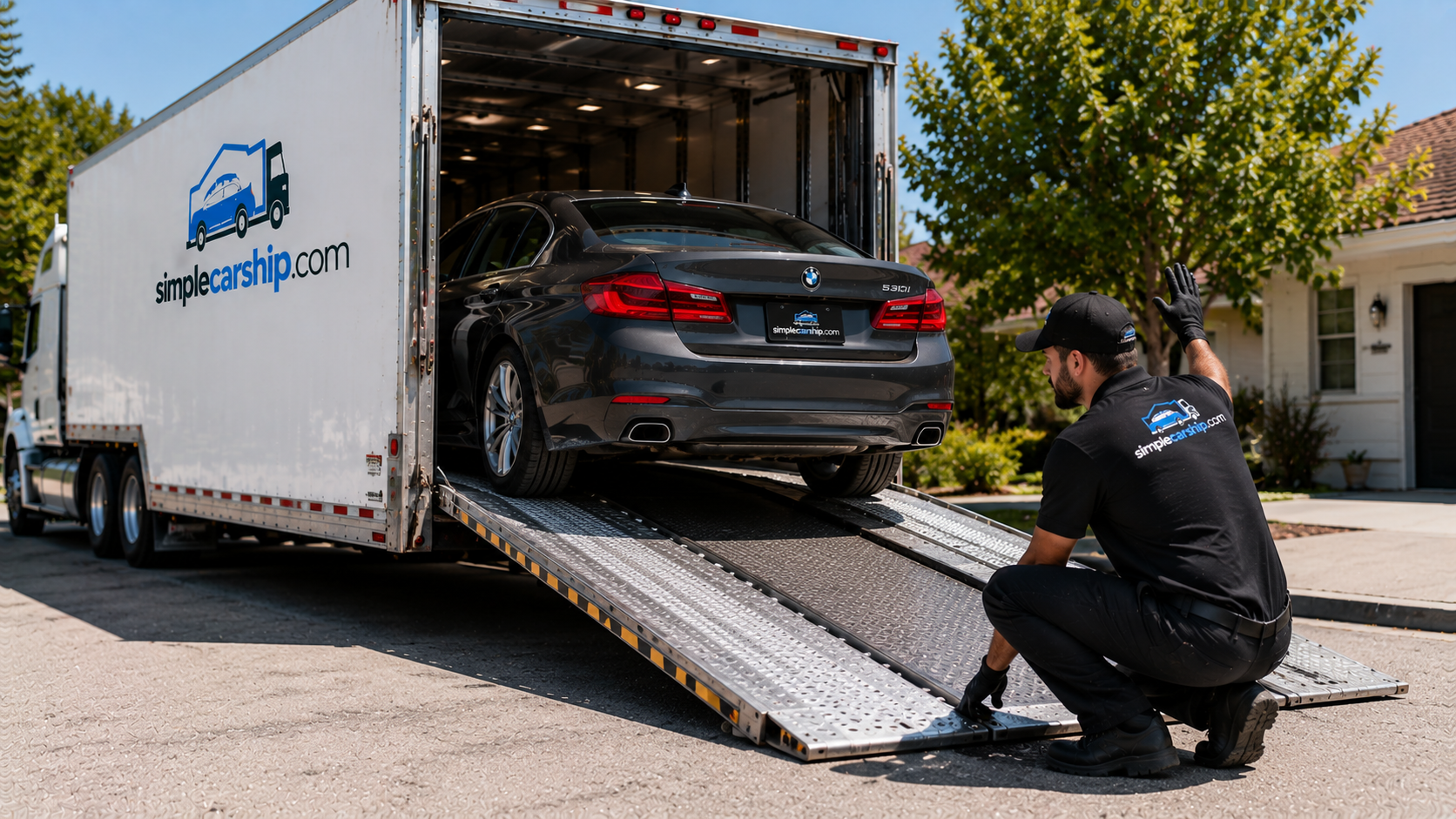
Good prep is what turns a stressful move into a smooth one, and non-running vehicles need a few extra steps a normal car doesn’t. Run through this before pickup day:
- Know and state the exact operability. Does it roll? Does it steer? Do the brakes hold? Is there a key? Tell us the truth, because that single answer determines the right equipment and an accurate quote.
- Make sure the wheels turn and the tires hold air, if at all possible. A car that rolls freely is dramatically easier and cheaper to load than one being dragged.
- Confirm steering isn’t locked and that the car can be put in neutral. If the ignition is gone, let us know so the carrier brings the right rigging.
- Have a key available where one exists, and tell us if none does.
- Clear out personal items and loose parts. Carriers don’t insure household goods, and loose components can shift or go missing in transit.
- Secure or remove loose body panels, bumpers, and trim that could come off during winching or the drive.
- Address leaks. Note any fluid leaks so the car can be positioned on the lower deck and contained appropriately.
- Ensure clear access at both ends. A dead car needs a flat, firm, open spot a winch and trailer can reach, not a tight garage or a soft yard.
- Document the car’s current condition yourself with date-stamped photos, so your record matches the carrier’s pickup inspection.
How Simple Car Ship Handles It
This is the part that’s actually different. When you tell us a vehicle doesn’t run, we don’t shrug and book the cheapest bid on a load board and hope the driver shows up with a winch. We get the real operability details from you, match your car to a hand-selected, insured carrier with the right equipment for that exact condition, and give you a clear estimated quote that already accounts for the non-running surcharge. No bait-and-switch when the driver arrives.
You get the same person on the line whether the car is a $400 parts donor or a $100,000 restoration, from the first quote all the way to delivery. We line up the pickup access, make sure the condition report is shot carefully at both ends, and send you updates instead of leaving you to chase one. If a dead car has scared you off shipping before, or burned you once already, this is how it should have gone the first time: straight numbers, a carrier that actually carries the gear, and a move that happens even when the engine never turns over.
Want to know what your dead car actually costs to move? Get your free quote in about a minute, and the one thing that helps most is being straight about whether it rolls, steers, and brakes, so we match the right rig on the first try. If your project is something special, see how we handle classic and collector car shipping and the added care of luxury and exotic transport. Buying or selling at auction? Our guide to auction and dealer car shipping covers inoperable buys too.
Non-Running Vehicle Shipping FAQ
Can you ship a car that doesn’t run at all?
Yes, in nearly every case. The key is the car’s operability category. A vehicle that rolls, brakes, and steers but won’t start is the easiest and cheapest to move, usually adding about $100 to $200 over a standard sedan rate. A true non-roller with seized wheels or a missing drivetrain needs a winch, forklift, or special rigging and can add roughly $300 to $600 or more. We match the right equipment to your car’s exact condition, so tell us the truth up front.
How much more does it cost to ship a non-running vehicle versus a running car?
It costs more than a comparable running sedan over the same distance, and the premium depends on how the car loads. As an estimated guide, a roll-and-steer non-starter adds about $100 to $200, a car that rolls but won’t steer or brake adds about $150 to $350, and a true non-roller adds roughly $300 to $600 or more. Enclosed transport adds its own multiple of about 1.5 times open on top. These are estimated ranges, not guaranteed prices, and a real quote on your vehicle is the only way to pin the number down.
Why does a non-running vehicle cost extra to ship?
Because it slows everything down and needs special equipment. A dead car can’t drive onto the trailer, so the driver winches, lifts, or rigs it aboard, which ties up the carrier’s gear and adds real loading time. It often must be loaded first or last, and it can limit which other vehicles ride alongside it. Drivers price that time and equipment in, which is why the non-running surcharge ranges from about $100 to $600 or more depending on the car’s operability.
Should I ship my non-running vehicle open or enclosed?
For most non-running vehicles, open transport is the right call. It’s the most available equipment, the most affordable, and perfectly safe for project cars, salvage vehicles, and dead daily drivers. The deciding factor isn’t whether the car runs, it’s what it’s worth. Enclosed transport, which runs about 1.5 times the open price plus the non-running surcharge, makes sense for valuable, rare, or fragile vehicles like barn-find classics or partially restored exotics where weather and road exposure would set the project back.
How do I prepare a non-running vehicle for transport?
Start by stating the exact operability: does it roll, steer, and brake, and is there a key. Make sure the wheels turn and tires hold air if possible, confirm steering isn’t locked and the car shifts to neutral, and remove personal items and loose parts. Secure any loose body panels, note fluid leaks, and ensure a flat, firm, open spot a winch and trailer can reach at both ends. Finally, photograph the car’s current condition yourself so your record matches the carrier’s pickup inspection.
Is my non-running vehicle insured during shipping?
Yes. Every carrier we work with carries cargo insurance and your vehicle is covered in transit. Because a non-running car can’t be test-driven and may already have damage, a careful condition report at pickup protects you, so we photograph and note existing dents, rust, missing parts, and leaks before loading. We won’t quote you a made-up coverage figure to win your business; we confirm the real cargo coverage on the assigned carrier and make sure it fits your vehicle’s value before you commit.