
Ship a Car from Oregon to Missouri
Moving a vehicle across 2,083 miles from the Pacific Northwest to the heart of the Midwest requires a carrier who knows the I-84 and I-70 corridor inside out. Whether you’re relocating from Portland to St. Louis or sending a second vehicle to Kansas City, you need transparent pricing, realistic transit windows, and a team that treats your car like the asset it is—not a commodity.
Ship your car the simple way. Clear quotes. Real communication. No guesswork, no runaround.
Get your instant car shipping price
Real quote in seconds — no spam, no runaround.
How Car Shipping from Oregon to Missouri Works
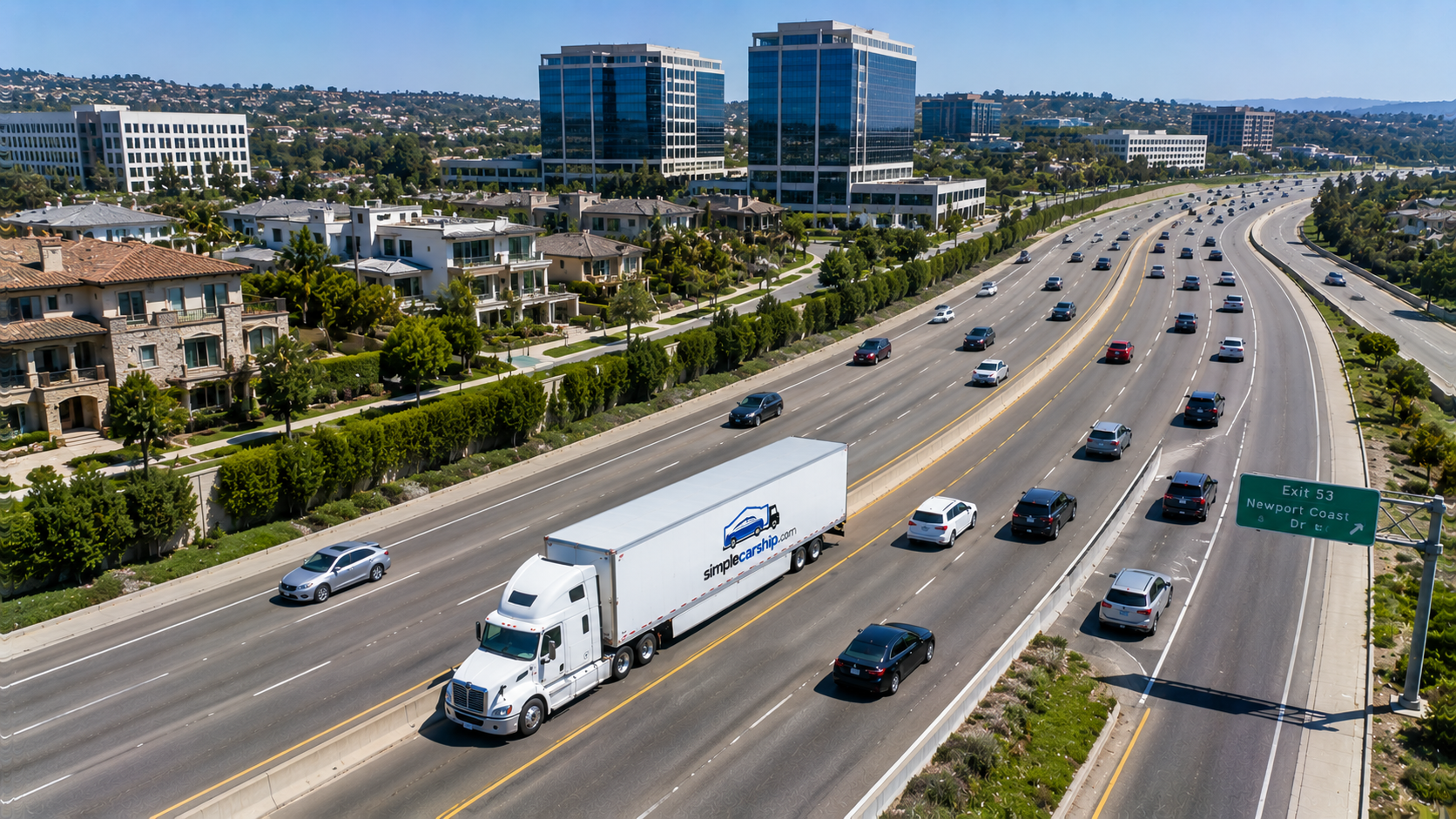
The route from Oregon to Missouri spans 2,083 miles and typically follows I-84 east through Idaho before dropping south to connect with I-80 or I-70 across Wyoming, Nebraska, and into Missouri. Carriers running this corridor usually deliver in 3–5 days, depending on whether you’re first or last on a multi-car load and how quickly the driver clears the Rockies. Most shipments originate in the Portland or Eugene metro areas and deliver to St. Louis or Kansas City, where carrier density is high and scheduling is straightforward.
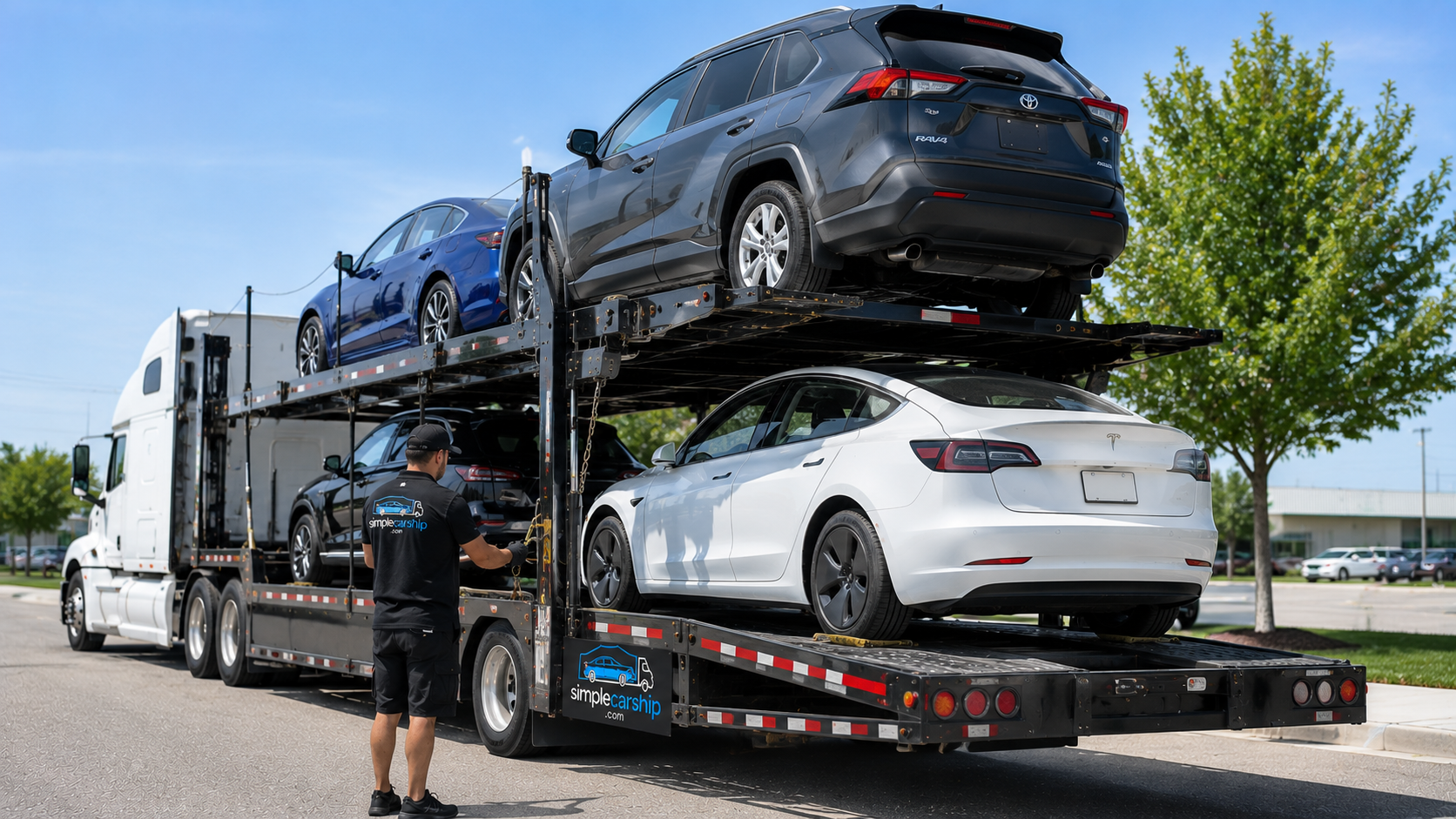
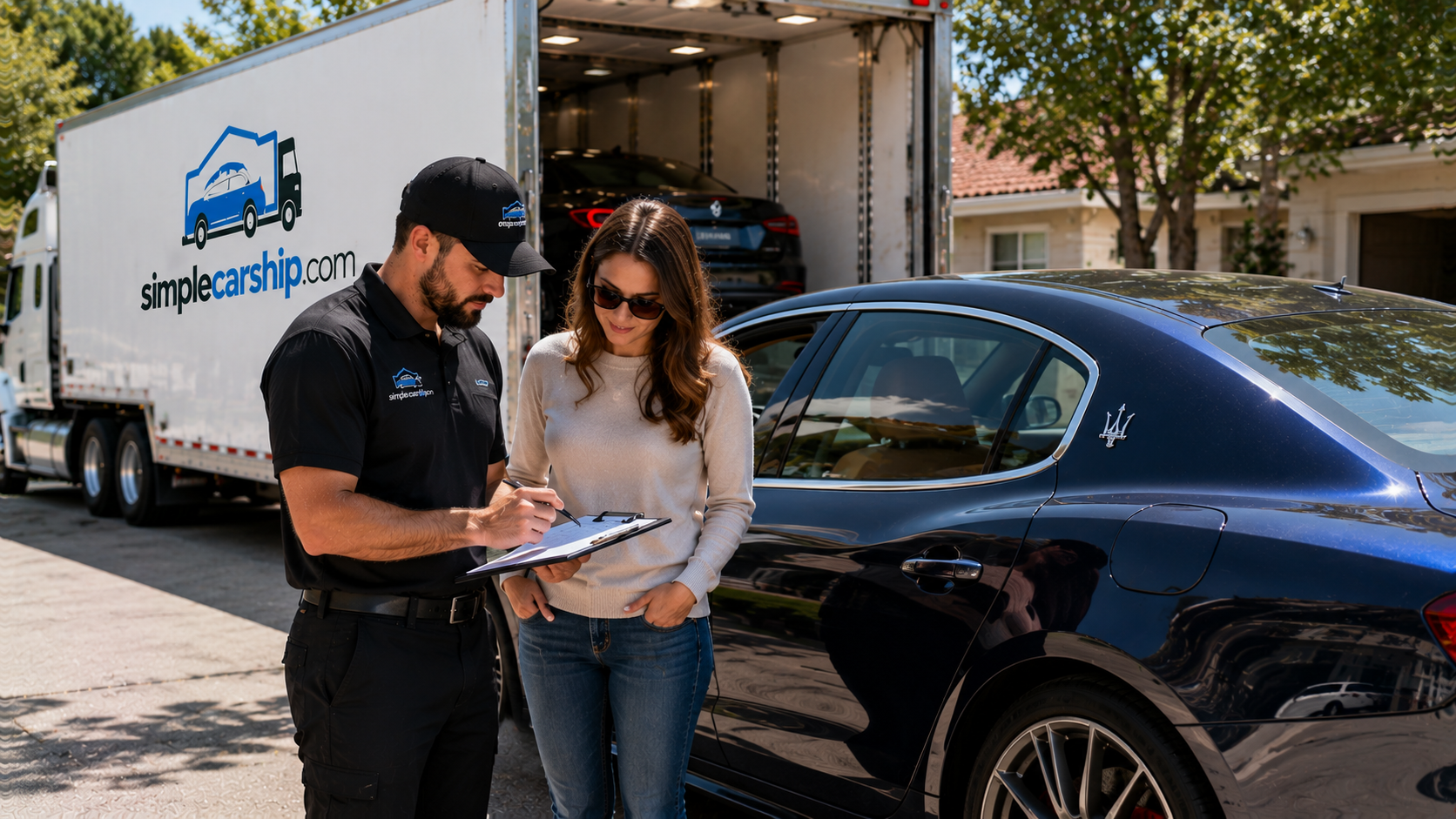
Your driver will call 24 hours before pickup to confirm the location—residential addresses work fine if a full-size trailer can access your street; otherwise, you’ll meet at a nearby lot. At pickup, you’ll walk around the vehicle together, noting every scratch and ding on a condition report both parties sign. The same inspection happens at delivery. Your car rides with 8–10 other vehicles, strapped to a two-level open trailer or enclosed in an aluminum box, depending on the service you choose.
What It Costs to Ship a Car from Oregon to Missouri
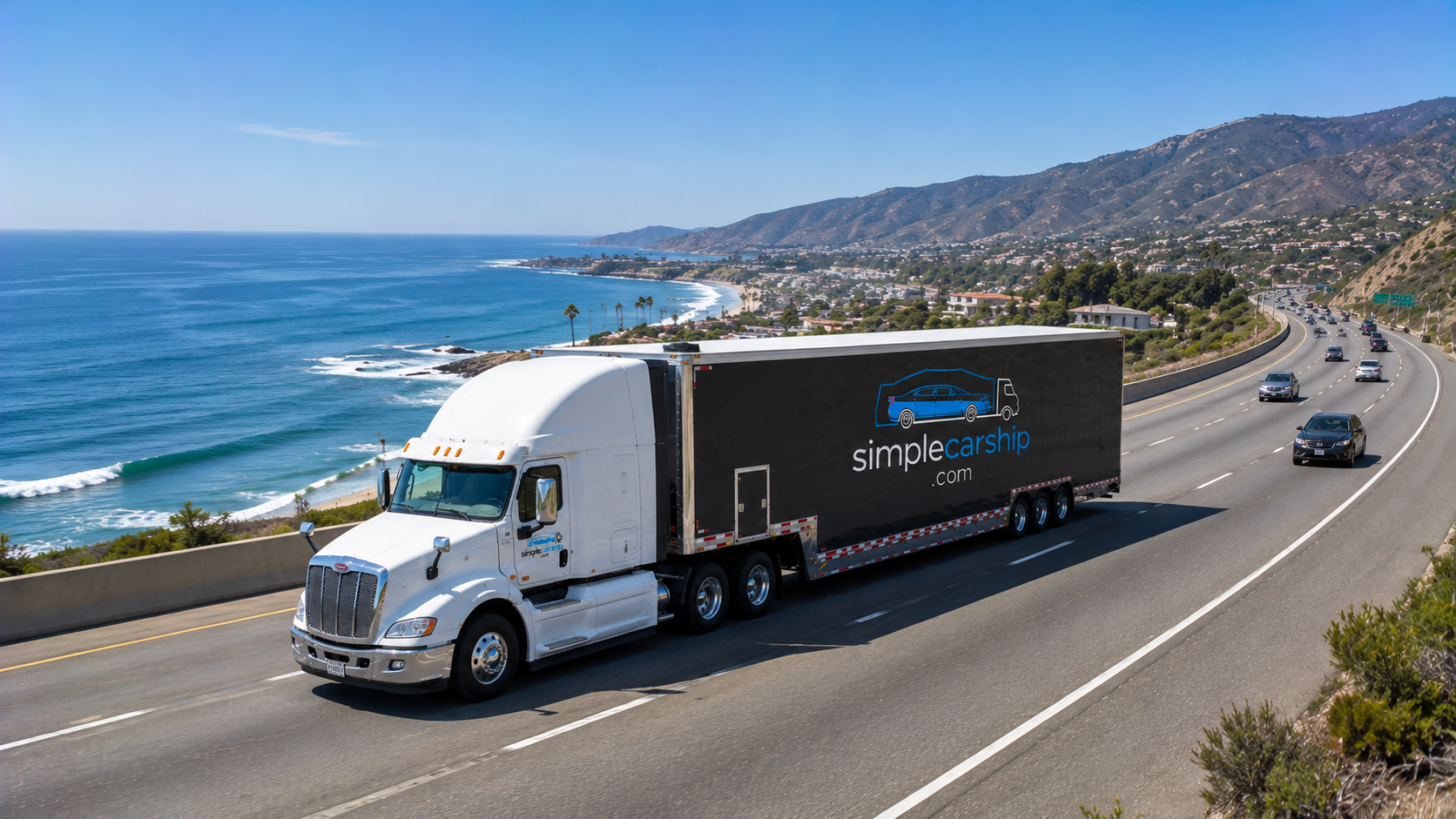
Open transport on this route runs $1,740–$2,120 for a standard sedan or SUV. Enclosed transport—fully shielded from weather and road spray—costs $2,785–$3,390. If you need guaranteed pickup within 24–48 hours, expedited service pushes the open rate to roughly $2,840, though availability depends on real-time carrier placement in your area.
Price swings are driven by vehicle size, carrier competition, and timing. A lifted 4×4 or three-row SUV weighs more and takes up premium deck space, so expect the higher end of the range. Booking two weeks out instead of two days out often saves $150–$250 because dispatchers can slot you into an existing route instead of scrambling for last-minute capacity. Fuel surcharges track the national diesel index; if crude climbs 20 percent, your quote will reflect it.
Open vs. Enclosed Transport for the Oregon–Missouri Corridor
Open transport is the workhorse of cross-country shipping: your car rides on the same double-decker trailers you see on every interstate. It’s exposed to weather—rain, dust, the occasional bug splatter—but mechanically safe. For daily drivers, commuter sedans, or vehicles with average resale value, open is the rational choice and saves you about $1,000 compared to enclosed.
Enclosed makes sense when the vehicle justifies the premium: a restored muscle car, a European luxury sedan, a low-clearance sports car, or anything with a paint-correction job you’d rather not repeat. The aluminum walls block road debris, and the trailer rarely carries more than six cars, so load and unload cycles are gentler. If you’re shipping a collector Porsche or a freshly detailed Tesla from Portland to Kansas City, the extra cost is insurance you’ll actually use.
Pickup in Oregon and Delivery in Missouri
Most Oregon pickups happen in Portland or Eugene, where carrier routes converge before heading east. If you’re outside those metros—Bend, Medford, Ashland—the truck will still come to you, but expect pickup to take an extra day or a slight mileage surcharge since the driver is deviating from the main artery. Residential pickup works if your street allows a 75-foot rig; if not, the driver will suggest a nearby shopping center or park-and-ride.
On the Missouri end, St. Louis and Kansas City anchor the delivery network. Both cities sit on major freight lanes, so scheduling is flexible and carrier competition keeps service sharp. If your destination is Springfield, Columbia, or another secondary market, the truck will route through one of the big metros first, adding half a day to the window. Delivery is curbside unless you arrange terminal pickup, which some customers prefer for schedule control.
Why Simple Car Ship Handles This Route Differently
Your shipment isn’t a load number. We assign every Oregon–Missouri booking to a dedicated coordinator who vets the carrier, tracks the truck, and texts you updates at pickup, in transit, and on delivery day. You’ll never call an 800-number and re-explain your situation to a new voice. The carrier we assign has verifiable authority, active insurance, and a history on this specific corridor—we don’t syndicate your info to a marketplace and let the lowest bidder race to your door.
We also book carrier capacity ahead of demand, so your quote reflects real availability, not bait-and-switch pricing that gets revised after you commit. If weather or a mechanical issue delays your driver, we tell you immediately and propose alternatives. Real human support, from quote to delivery sign-off. That’s how a no-authority-borrowed site earns your trust—one transparent shipment at a time.
| Feature | Open Transport | Enclosed Transport |
|---|---|---|
| Price (OR→MO) | $1,740–$2,120 | $2,785–$3,390 |
| Transit Time | 3–5 days | 3–5 days |
| Protection | Weather-exposed, mechanically safe | Fully enclosed, shields paint & trim |
| Best For | Daily drivers, standard vehicles | Classics, luxury, low-clearance sports cars |
Ready to move your vehicle from Oregon to Missouri with zero runaround? Get a transparent quote in 60 seconds—real numbers, real transit windows, real human follow-through.
Frequently Asked Questions: Oregon to Missouri Car Shipping
- How long does it take to ship a car from Oregon to Missouri?
- Transit averages 3–5 days for the 2,083-mile journey. Pickups in Portland or Eugene connecting to St. Louis or Kansas City usually hit the shorter end of that window because both origin and destination sit on high-traffic carrier lanes with predictable scheduling and minimal deviation.
- What’s the cost difference between open and enclosed transport on this route?
- Open transport costs $1,740–$2,120, while enclosed runs $2,785–$3,390. The $1,000+ premium buys full weather protection and a low-density trailer, making enclosed worthwhile for high-value, classic, or freshly detailed vehicles where paint and trim condition matter most.
- Can a carrier pick up my car outside Portland or Eugene?
- Yes. Carriers serve the entire state, though pickups in Bend, Medford, or coastal towns may add one day to the window and a modest mileage fee since the driver is routing off the I-84 corridor to reach you before continuing east toward Missouri.
- Will my car be insured during the 2,083-mile trip?
- Every licensed carrier holds federal cargo insurance covering your vehicle in transit. Simple Car Ship verifies active coverage before assignment. You’ll receive the carrier’s policy details and MC number at booking, and your personal auto policy may provide secondary coverage depending on your insurer.
- Is winter weather a concern when shipping from Oregon to Missouri?
- The I-84 and I-70 route crosses the Rockies, where snow and ice can slow transit in December through February. Carriers chain up or wait out storms rather than risk a slide. If you’re shipping during winter, add one buffer day to your delivery window and choose enclosed if you want to avoid road-salt exposure.