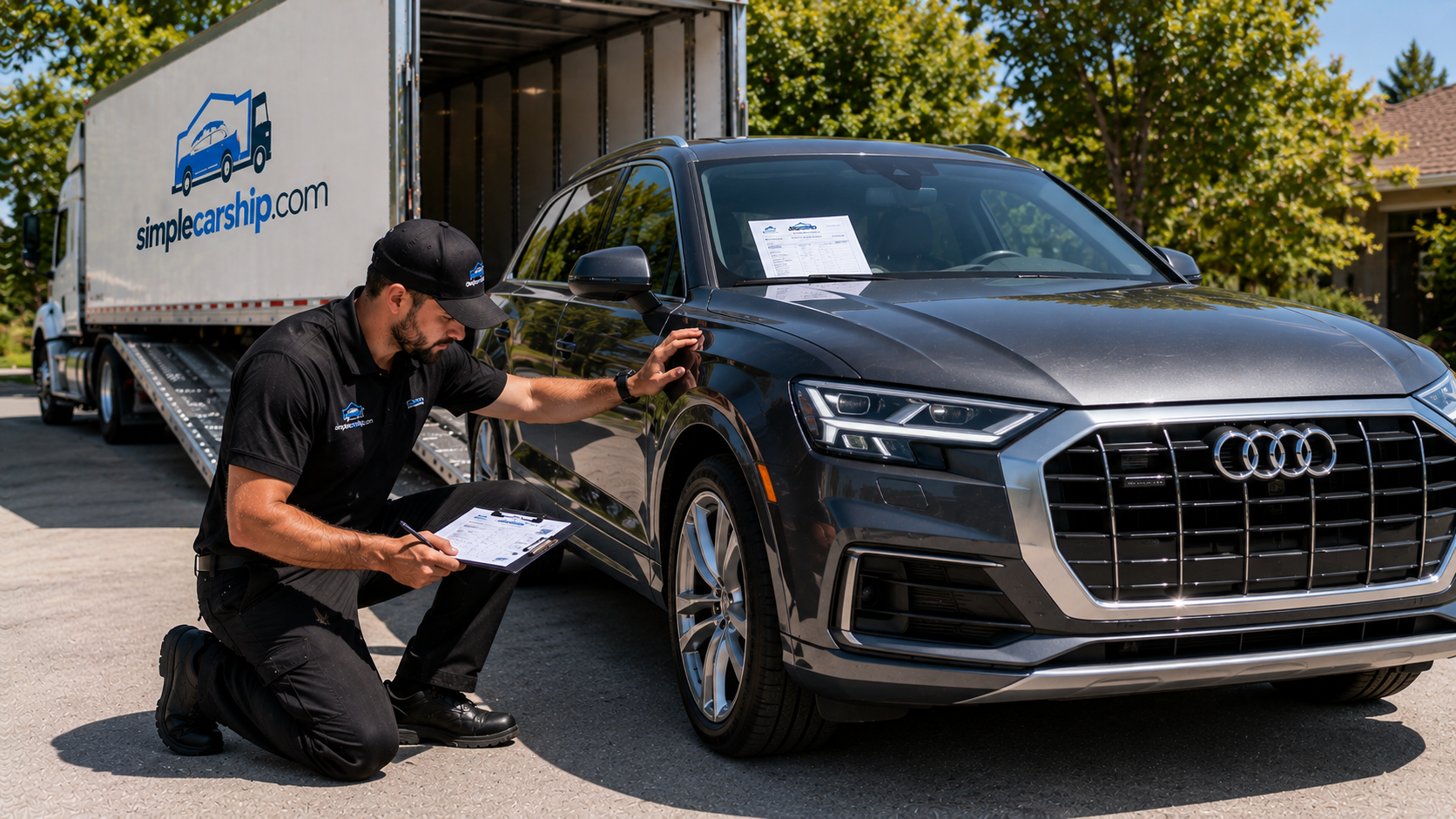
Ship a Car from Ohio to Pennsylvania
Moving a vehicle between Ohio and Pennsylvania is one of the most straightforward car shipping routes in the country. The 471-mile distance connects major metros like Columbus, Cleveland, and Cincinnati with Philadelphia and Pittsburgh, meaning carriers run this corridor constantly. Whether you’re relocating for work, sending a car to a college student, or moving a classic vehicle, you’ll find frequent availability and competitive pricing on this short-haul route.
Ship your car the simple way. Clear quotes. Real communication. No guesswork, no runaround.
Get your instant car shipping price
Real quote in seconds — no spam, no runaround.
How Car Shipping Works Between Ohio and Pennsylvania
The Ohio-to-Pennsylvania route spans roughly 471 miles, depending on your exact pickup and delivery cities. Most shipments move via I-76 through Youngstown or I-80 across the northern corridor, both well-traveled highways with consistent carrier traffic. Transit time is typically 1–3 days door-to-door, though many carriers complete the run in under 48 hours because the distance fits comfortably within a single driver shift. This is a regional haul, not a cross-country trek, so your vehicle spends minimal time in transit and faces fewer handoff points.
Carriers serving this route range from small regional operators running dedicated Ohio–Pennsylvania circuits to larger national fleets passing through on longer hauls. Because the distance is short and demand is steady year-round, you’ll rarely wait more than a few days for pickup once you book. Your car will be inspected at both ends, loaded onto an open or enclosed trailer depending on your choice, and delivered directly to your address or a nearby terminal if your street can’t accommodate a full-size truck.
What It Costs to Ship a Car from Ohio to Pennsylvania
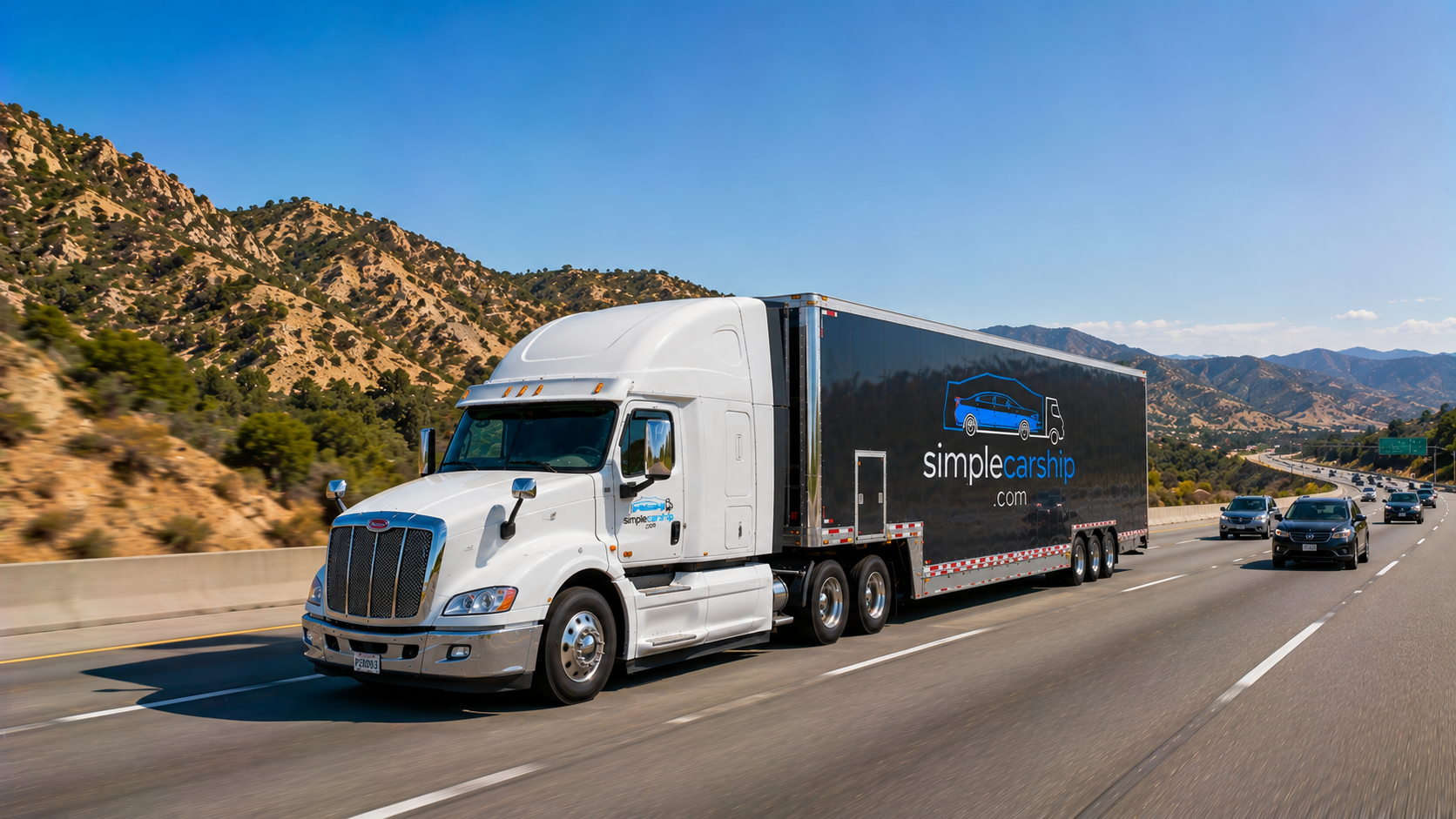
Open transport for this route runs $680–$830 for a standard sedan. Enclosed transport—where your car rides in a fully covered trailer—costs $1,090–$1,325. The short distance keeps base rates low, but final price depends on your exact cities (rural pickups add mileage), vehicle size (trucks and SUVs cost more than compacts), and timing. If you need guaranteed pickup within 24–48 hours, expedited open service is available for around $1,110, though most customers find standard scheduling perfectly adequate for a three-day maximum transit window.
What moves the price? Seasonality plays almost no role here—this isn’t a snowbird route with wild summer-winter swings. Instead, look at pickup and delivery specifics. Shipping from downtown Cleveland to downtown Pittsburgh will cost less than a rural Ohio township to a small Pennsylvania borough, because carriers prefer metro-to-metro runs that don’t require detours. Vehicle condition matters, too: non-running cars require a winch and often add $150–$200 to the quote. Luxury and classic vehicles typically justify enclosed transport despite the higher cost, since the 471 miles of road spray and weather exposure still pose risk to high-value paint and interiors.
Open vs. Enclosed Transport for This Route
Open transport is the default choice for 85% of Ohio–Pennsylvania shipments. Your car rides on the same multi-level trailer you see hauling new vehicles to dealerships—fully exposed but perfectly safe for everyday cars. The 1–3 day transit means limited weather exposure, and the highway routing keeps road debris minimal. For a daily driver, commuter car, or recent-model SUV, open is cost-effective and reliable. You’ll save $400–$500 over enclosed and still receive door-to-door service with full insurance coverage.
Enclosed makes sense when the vehicle’s value outweighs the cost difference. Shipping a restored classic from Cincinnati to a Pennsylvania car show? A Porsche from Columbus to a new owner in Philadelphia? Enclosed trailers shield your car from rain, road salt residue, and the occasional stone kick-up, and they typically carry fewer vehicles, meaning less loading/unloading activity. The premium is noticeable—nearly double the open rate—but for a $60,000 vehicle, the $1,200 enclosed cost is a small fraction of replacement risk. Many collectors and luxury owners consider it non-negotiable, even on short routes.
Pickup and Delivery Across Ohio and Pennsylvania
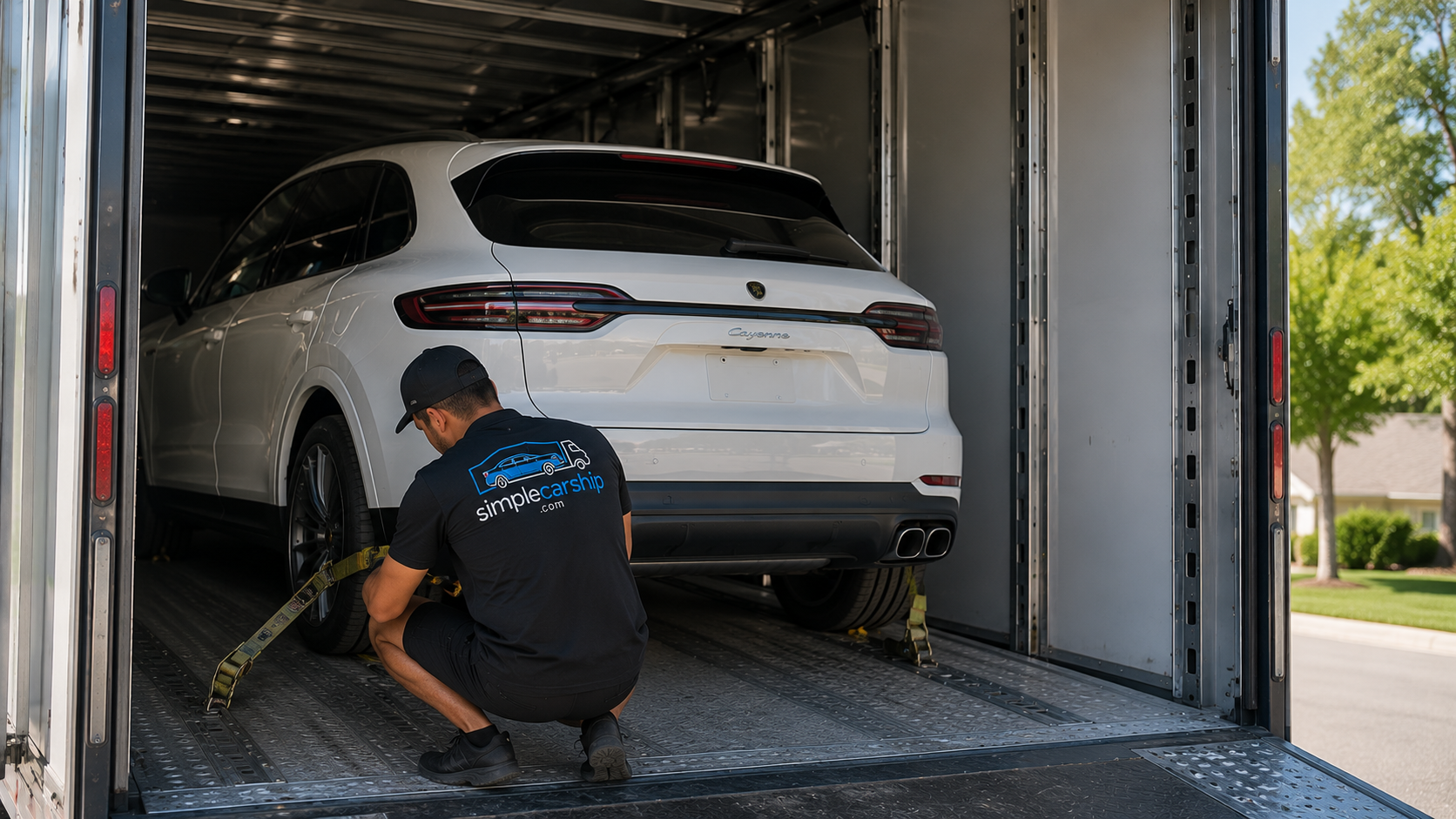
Ohio’s most common pickup metros are Columbus, Cleveland, and Cincinnati—all situated along interstate corridors with heavy carrier flow. If you’re outside these areas, carriers can still reach you, but expect scheduling to take an extra day and possibly a small mileage surcharge if your location requires significant detour. Most drivers will meet you at your home or office; if your street has low clearance, tight turns, or overhanging trees, you may need to meet the truck at a nearby parking lot. A fully loaded open trailer can measure 75 feet long and 13.5 feet high, so residential feasibility varies.
On the Pennsylvania side, Philadelphia and Pittsburgh anchor delivery activity. Both cities see daily carrier arrivals, so last-mile logistics are smooth. Suburban and exurban addresses are almost always accessible; rural deliveries in the Alleghenies or northern tier counties may require a rendezvous point. Delivery windows are typically four-hour blocks, and your driver will call 30–60 minutes out. Inspect your car carefully on arrival, note any new damage on the bill of lading (rare, but documentation matters), and keep your copy for records. Your shipment isn’t a load number—real human support means you’ll have a contact through the entire process.
How Simple Car Ship Handles the Ohio–Pennsylvania Route
We hand-select carriers for this corridor based on track record, not whoever bids lowest. That means your car rides with an insured, experienced driver who knows the I-76 and I-80 routes and understands door-to-door timing expectations for regional hauls. You’ll receive a clear quote upfront—no hidden fees, no surprise fuel surcharges—and a dedicated coordinator who tracks your shipment from pickup to delivery. When you call or text, you reach a real person who knows your vehicle’s current status, not a call center reading generic scripts.
We also build scheduling around your needs. Need the car picked up Monday and delivered by Wednesday for a Thursday work start? We’ll prioritize carriers running express timelines. Flexible on dates and want the lowest rate? We’ll match you with a driver whose existing route aligns with your cities, passing the efficiency savings to you. Transparency is the backbone: you’ll know transit time, insurance coverage limits, and driver contact info before you commit. No guesswork, no runaround—just straightforward service on a straightforward route.
| Feature | Open Transport | Enclosed Transport |
|---|---|---|
| Price Range | $680–$830 | $1,090–$1,325 |
| Transit Time | 1–3 days | 1–3 days |
| Protection | Insured; exposed to weather | Insured; fully covered trailer |
| Best For | Daily drivers, standard vehicles | Classics, luxury, high-value cars |
Ready to move your car? Get a clear, instant quote and see exactly what this route costs for your vehicle and timing. Real numbers, real people, real communication.
Frequently Asked Questions: Ohio to Pennsylvania Car Shipping
How long does it take to ship a car from Ohio to Pennsylvania?
Transit time is 1–3 days for the 471-mile distance. Many carriers complete the run in under 48 hours because the route fits a single driver shift. Pickup scheduling adds 1–3 days depending on your location and carrier availability, so total timeline from booking to delivery is typically 2–6 days.
What’s the cost difference between open and enclosed transport on this route?
Open transport costs $680–$830, while enclosed runs $1,090–$1,325—a premium of roughly $400–$500. The short distance means weather exposure is minimal for open trailers, making open the economical choice for standard vehicles. Enclosed is worth the extra cost for classics, luxury cars, or high-value vehicles where paint and interior protection justify the higher rate.
Can carriers pick up from rural Ohio or deliver to rural Pennsylvania locations?
Yes, though it may add a day to scheduling and a small mileage fee if significant detour is required. Carriers prefer metro-to-metro runs along I-76 and I-80, but most will reach smaller towns. If your street can’t accommodate a 75-foot trailer, you may need to meet the driver at a nearby accessible location like a shopping center or highway rest area.
Do prices change by season for Ohio–Pennsylvania shipping?
No significant seasonal swings exist for this route. Unlike snowbird corridors that see winter demand spikes, Ohio–Pennsylvania volume stays steady year-round. Rates are driven by your exact cities, vehicle size, and timing rather than the calendar. Expect the same $680–$830 open range whether you ship in January or July, barring major fuel price shifts.
What happens if my car is damaged during the 471-mile transit?
All carriers carry cargo insurance; verify coverage limits before booking. Inspect your car carefully at pickup and delivery, noting any pre-existing damage on the bill of lading. If new damage appears, document it with photos and signature, then file a claim immediately. Damage is rare on short routes, but thorough documentation at both ends protects you legally and financially.