
Michigan to Virginia: live carrier pricing
| Open transport (most vehicles) | $940 – $1,145 |
| Enclosed transport | $1,505 – $1,830 |
| Lane distance | 622 miles |
| Typical transit | 1–3 days |
Quoted from our carrier network on September 29, 2026 for a standard operable car, door to door.
Auto transport is a live market, so your exact price depends on vehicle size, timing and current truck availability on this lane.
Ship a Car from Michigan to Virginia
Moving a vehicle from Michigan to Virginia covers 622 miles of interstate corridor connecting the Great Lakes industrial heartland to the Mid-Atlantic coast. Whether you’re relocating from Detroit to Richmond, sending a college car to Virginia Beach, or moving a classic between Grand Rapids and the Shenandoah Valley, this route sees steady carrier traffic year-round. Ship your car the simple way: transparent pricing, real communication, and drivers who treat your vehicle like the asset it is.
We don’t shuffle you between call centers or bury the details in fine print. You’ll know the cost, the timeline, and exactly how your car gets from pickup to delivery—no guesswork, no runaround.
Get your instant car shipping price
Real quote in seconds. Enter your details and we’ll show your price instantly.
No spam — we only use this to send your quote and confirm your booking.
How Car Shipping Works on the Michigan–Virginia Route
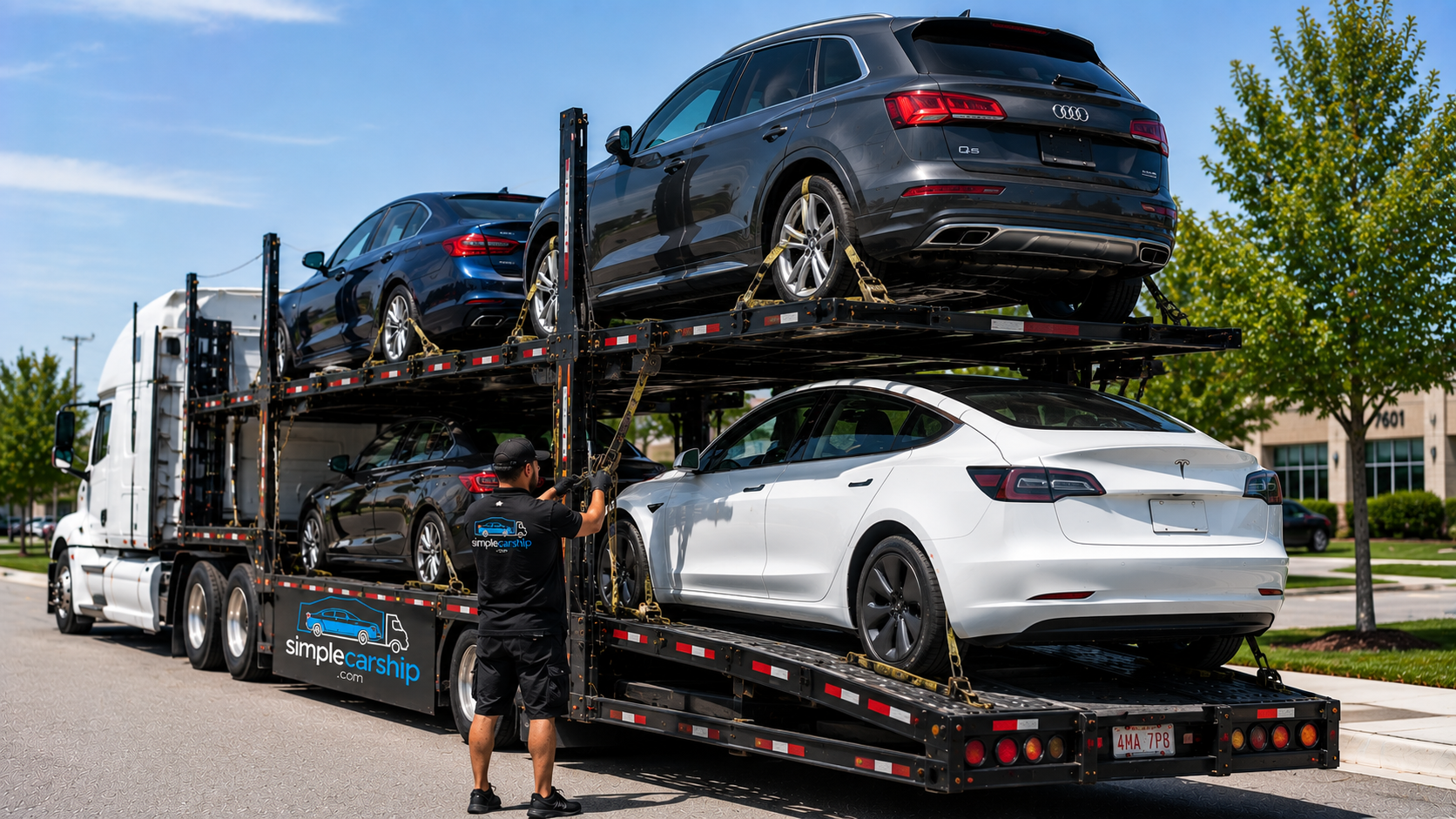
The 622-mile run from Michigan to Virginia typically takes 1–3 days in transit, depending on whether your carrier is running dedicated or consolidating two or three vehicles along I-75 and I-64. Most pickups happen in the Detroit metro or Grand Rapids, while deliveries cluster around Richmond and Virginia Beach. Carriers favor this route because it’s a straight shot down major interstates with reliable truck stops and no mountain passes to slow progress.
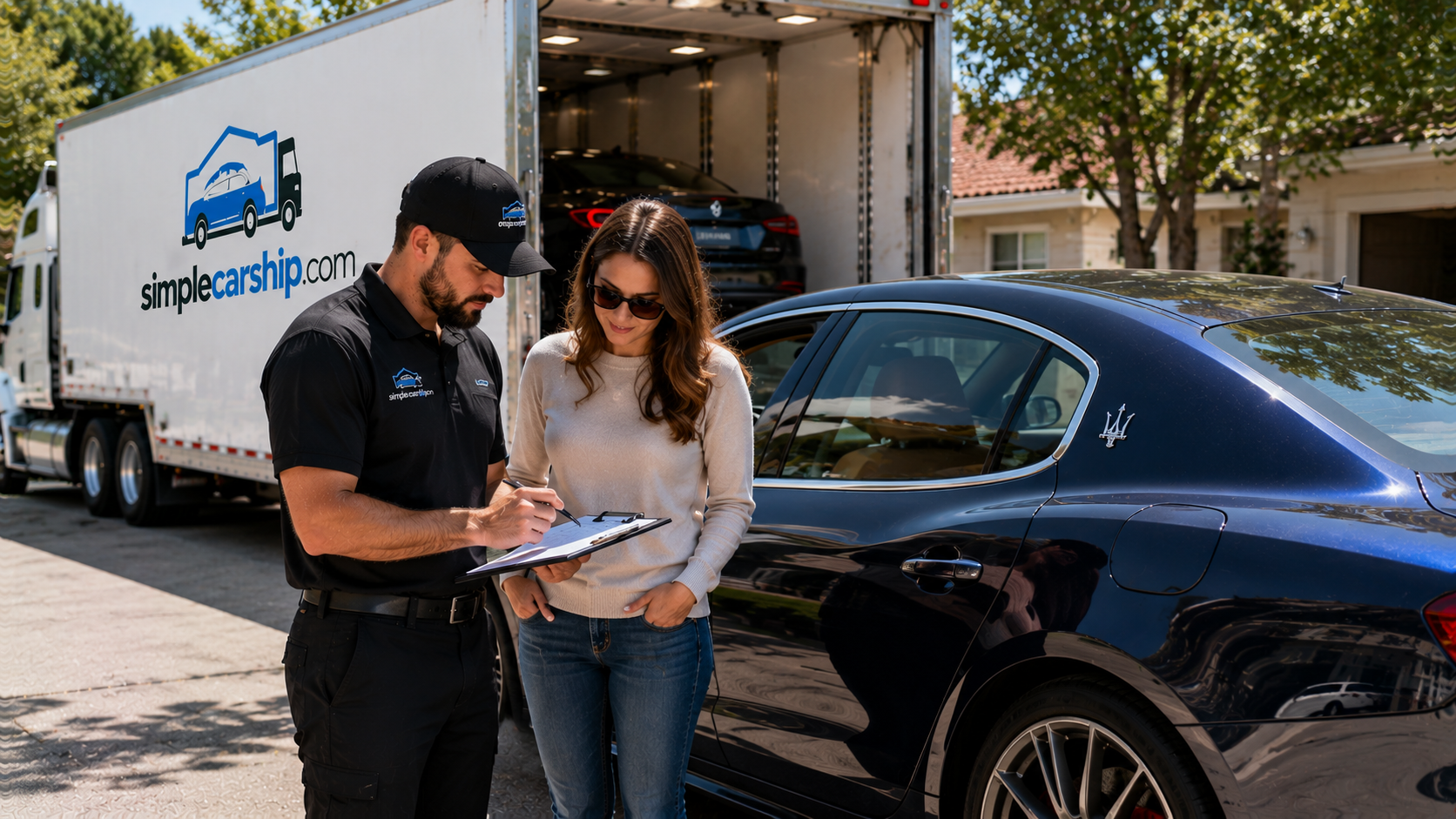
Once you lock your dates, the carrier collects your car at an agreed location—your driveway if access permits, or a nearby lot if the truck can’t navigate your street. You hand over the keys, sign the bill of lading noting any existing damage, and the driver secures the vehicle on the trailer. At delivery, you meet the truck in Virginia, inspect the car with the driver, and sign off. Real human support means you have a direct contact number for questions at every step, not a ticket system that disappears into a queue.
What It Costs to Ship from Michigan to Virginia
Open-carrier transport on this route runs $960–$1,170, the workhorse choice for sedans, SUVs, and trucks in everyday driving condition. Enclosed transport—steel or soft-sided trailers that shield your car from road spray and weather—costs $1,540–$1,875, typical for European sports cars, restored classics, or luxury vehicles where paint protection justifies the premium. If you need guaranteed pickup within 24–48 hours, expedited open service is available at $1,569, locking down a driver immediately instead of waiting for the next consolidated load.
Price varies with vehicle size (a Suburban costs more than a Civic because it occupies more deck space), season (summer moving peaks nudge rates up slightly), and exact pickup ZIP codes. Rural addresses twenty miles off the interstate may add a deviation fee; metro Detroit and Grand Rapids see the tightest competition among carriers, which keeps rates honest. We quote the real number up front—no bait-and-switch deposits, no hidden fuel surcharges tacked on at delivery.
Open vs. Enclosed: Which Makes Sense for This Route
Open transport moves the vast majority of Michigan-to-Virginia vehicles because I-75 and I-64 are well-maintained, high-speed corridors with minimal gravel exposure. Your car rides on the same multi-level trailers that deliver new inventory to dealerships—fully insured, securely strapped, exposed to the same weather it would see on a long highway drive. For daily drivers, commuter cars, and even well-kept pickups, open is the rational choice and saves you five hundred to seven hundred dollars.
Enclosed makes sense when the vehicle’s value or condition demands extra protection: a `67 Mustang with fresh paint, a Tesla Model S Plaid, a Porsche 911 GT3, or any car where rock chips and road grime represent real financial loss. Enclosed traages carry two to four vehicles in a fully walled trailer, often with lift gates for low-clearance exotics. Delivery times are similar—1–3 days—but scheduling can take an extra day or two because enclosed carriers run fewer trucks on any given route.
| Feature | Open Carrier | Enclosed Carrier |
|---|---|---|
| Price (MI→VA) | $960–$1,170 | $1,540–$1,875 |
| Transit Time | 1–3 days | 1–3 days |
| Protection Level | Weather-exposed, fully insured | Fully enclosed, premium insurance |
| Best For | Daily drivers, SUVs, trucks | Classics, luxury, exotic, low-clearance |
Pickup in Michigan, Delivery in Virginia
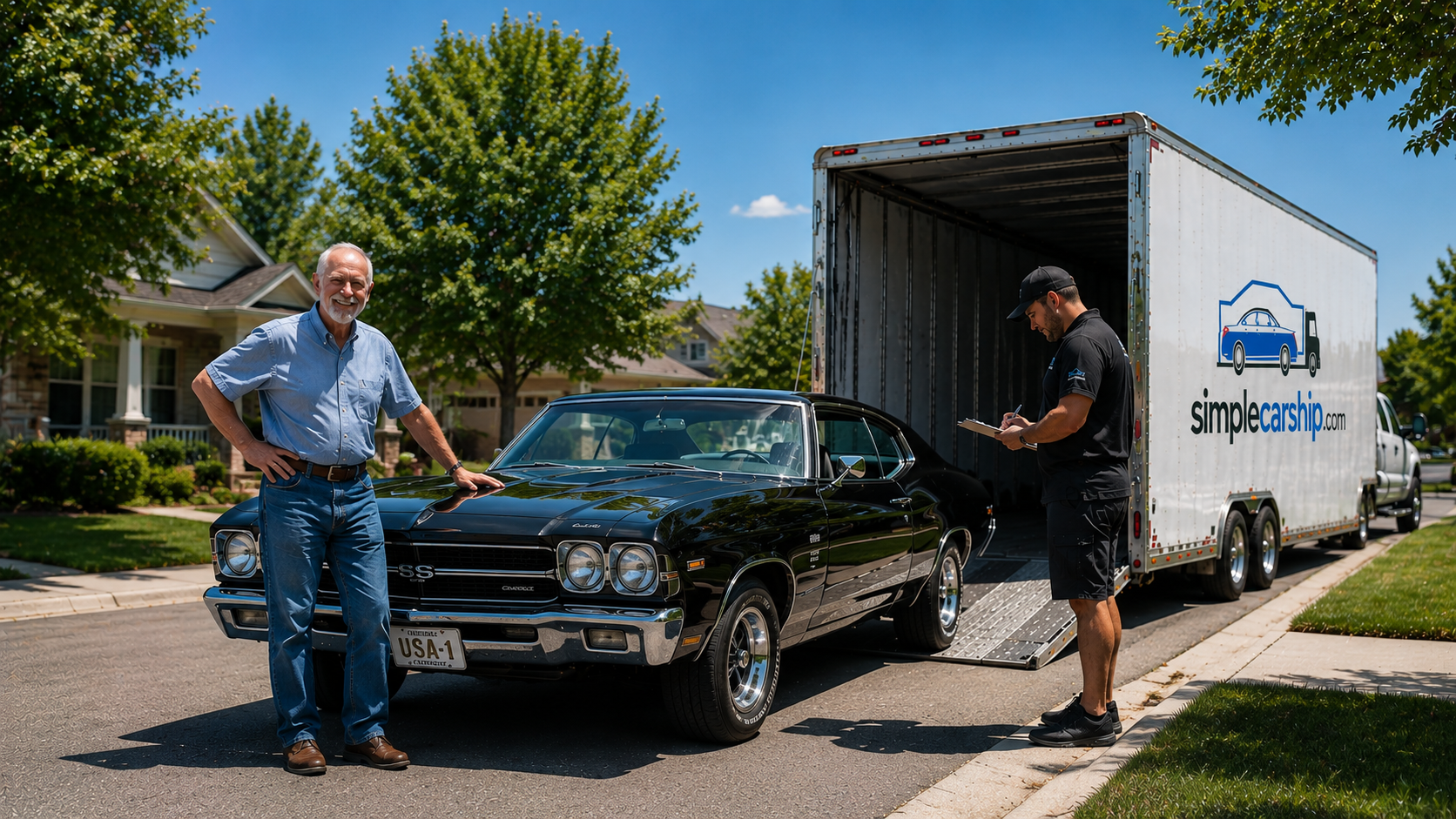
In Michigan, most shipments originate in Detroit’s sprawling metro—Dearborn, Warren, Livonia, Ann Arbor—or in Grand Rapids and its western suburbs. Carriers running this route prefer commercial loading zones or residential streets wide enough for a seventy-foot tractor-trailer, but if your driveway sits on a cul-de-sac or behind low-hanging branches, the driver will arrange a nearby shopping-center meet. Flexibility is built in; your shipment isn’t a load number, and we coordinate the details that make pickup smooth.
On the Virginia end, Richmond and Virginia Beach anchor delivery traffic, with frequent stops in Norfolk, Chesapeake, and the I-64 corridor through Hampton Roads. If you’re delivering to Charlottesville, Roanoke, or the Shenandoah Valley, expect the driver to call a day ahead to confirm timing—secondary markets add a few hours but rarely a full extra day. Inspect the car carefully at delivery, note any new damage on the bill of lading before you sign, and keep a copy for your records. Carriers know their insurance hinges on clean handoffs, so drivers take this step seriously.
How Simple Car Ship Handles Your Michigan–Virginia Move
We hand-select carriers with active insurance, clean FMCSA records, and a track record on Midwest-to-Atlantic routes. You’re not dropped into a dispatch board where the lowest bidder wins; we match your car with a driver who has the right equipment, runs the route regularly, and communicates like a professional. Clear quotes mean the price we give you is the price you pay—no re-negotiation at pickup, no calls demanding more money before delivery.
From the moment you reserve your spot, you have a direct contact who tracks your shipment, answers your questions in plain English, and steps in if weather or a mechanical delay shifts the schedule. That’s the difference between a broker churning load boards and a company that treats six hundred twenty-two miles like the responsibility it is. When your car rolls off the trailer in Virginia, you’ll know exactly why transparent process beats the runaround every time.
Ready to move your vehicle from Michigan to Virginia the simple way? Get a clear quote in sixty seconds—no phone tag, no pressure, just the real numbers and a plan that works.

Frequently Asked Questions: Michigan to Virginia Car Shipping
- How long does it take to ship a car from Michigan to Virginia?
- Transit takes 1–3 days for the 622-mile journey, depending on whether the carrier runs a dedicated or consolidated load. Pickups in Detroit or Grand Rapids and deliveries to Richmond or Virginia Beach move fastest. Scheduling—booking to pickup—adds one to five days depending on season and trailer type, with open carriers generally available sooner than enclosed.
- What’s the cost difference between open and enclosed transport on this route?
- Open transport costs $960–$1,170, ideal for everyday vehicles. Enclosed transport runs $1,540–$1,875, adding weather protection and premium insurance for classics, luxury cars, or high-value vehicles. The $600–$700 premium buys a fully walled trailer and white-glove handling. Expedited open service at $1,569 guarantees faster pickup when timing is urgent.
- Can a carrier pick up my car in rural Michigan and deliver to a small Virginia town?
- Yes, but rural pickups or deliveries more than fifteen miles off I-75 or I-64 may incur a deviation fee or require a meet-point at a nearby truck-accessible location. Carriers prefer metro Detroit, Grand Rapids, Richmond, and Virginia Beach for efficiency, but drivers regularly serve outlying areas with advance coordination and flexible scheduling to accommodate narrow roads or limited turnaround space.
- Is my car insured during the Michigan-to-Virginia shipment?
- Every carrier we work with carries active cargo insurance and federal operating authority, covering your vehicle from pickup to delivery. The bill of lading documents condition at both ends, and any transit damage is claimed through the carrier’s policy. You should verify your personal auto policy excludes transport—most do—and photograph your car before the driver loads it for your own records.
- When is the best time to ship a car from Michigan to Virginia?
- Carrier availability is strong year-round on this 622-mile I-75/I-64 corridor, with no significant snowbird or college-move surge like Sun Belt routes. Summer sees modest demand from relocations, but winter weather rarely delays transit because both states maintain interstates aggressively. Book one to two weeks ahead for routine moves, three to five days for expedited service, and you’ll have no trouble securing a quality carrier.