South Carolina to California: live carrier pricing
| Open transport (most vehicles) | $1,645 – $2,005 |
| Enclosed transport | $2,635 – $3,205 |
| Lane distance | 2,485 miles |
| Typical transit | 4–6 days |
Quoted from our carrier network on September 29, 2026 for a standard operable car, door to door.
Auto transport is a live market, so your exact price depends on vehicle size, timing and current truck availability on this lane.
How Long Does It Take to Ship a Car from South Carolina to California?
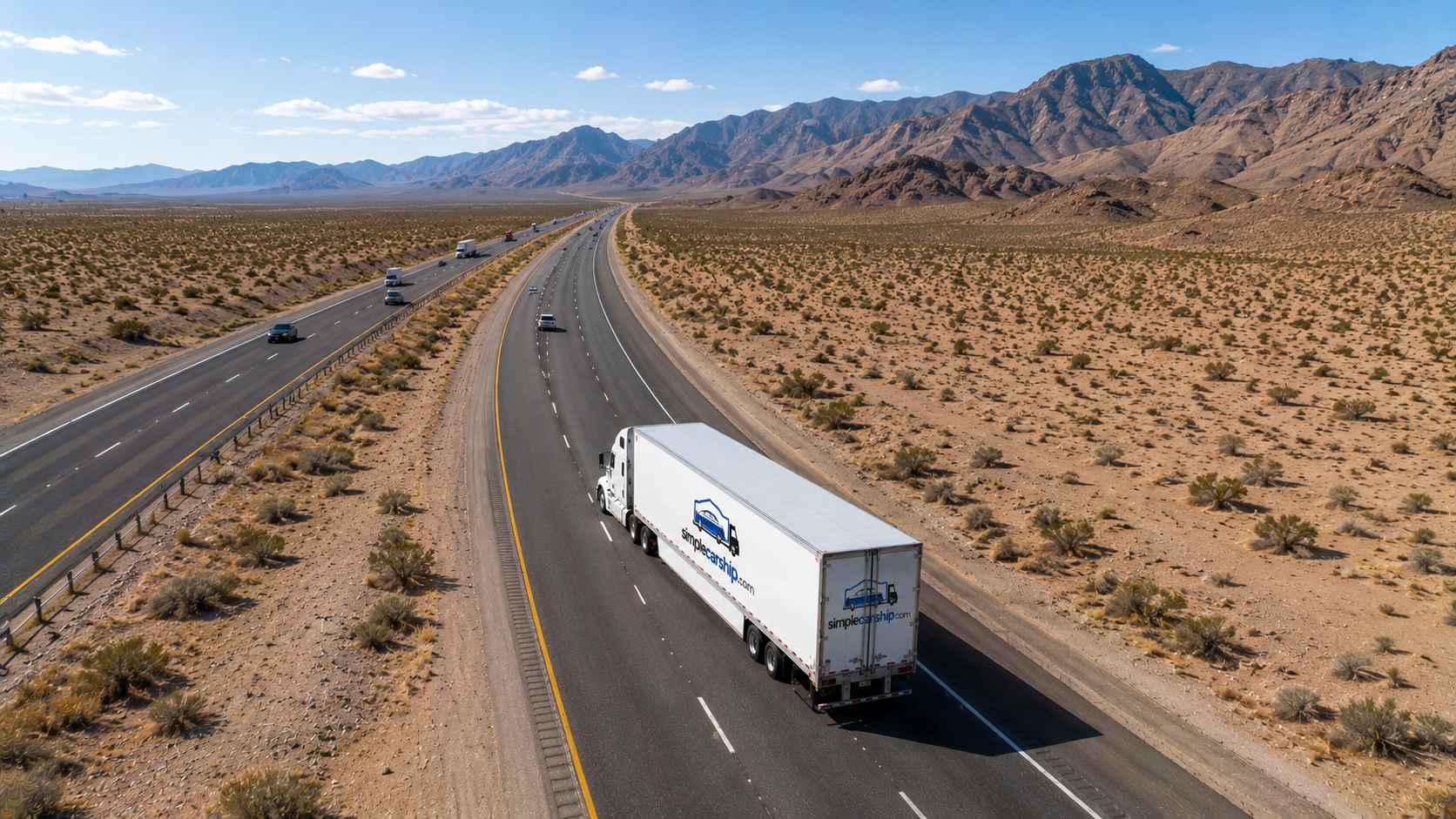
Shipping a car from South Carolina to California typically takes 4–6 days in transit once a carrier picks up your vehicle. The 2,485-mile cross-country journey follows major interstates through the South and Southwest, with timing influenced by route efficiency, weather, and carrier schedules. Most customers see their vehicle delivered within a week of booking.
Understanding the timeline helps you plan logistics at both ends—whether you’re relocating for work, sending a vehicle to family, or moving a second car across the country. Here’s exactly what to expect when shipping from the Palmetto State to the Golden State.
Get your instant car shipping price
Real quote in seconds. Enter your details and we’ll show your price instantly.
No spam — we only use this to send your quote and confirm your booking.
The Day-by-Day Timeline: What Happens After You Book
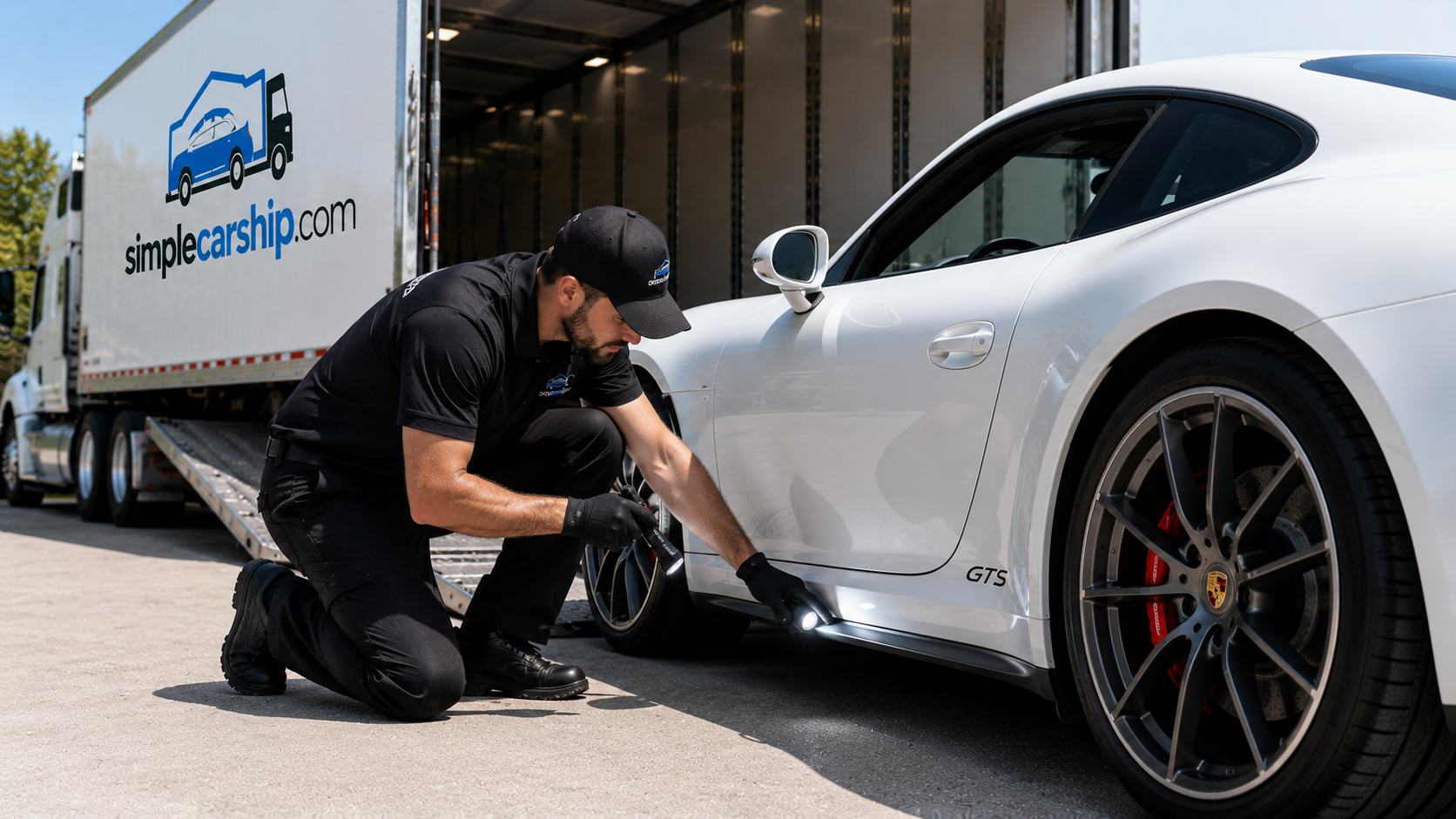
Once you confirm your reservation, carrier dispatch typically occurs within 1–3 business days. During this window, we match your shipment with a qualified carrier running the South Carolina–California corridor. You’ll receive the driver’s contact information and an estimated pickup window—usually a 24–48 hour span. On pickup day, the driver inspects your vehicle, documents its condition on a bill of lading (you keep a copy), then loads it onto the transport trailer.
Transit itself takes 4–6 days for the 2,485-mile haul. Carriers average 400–500 miles per day, factoring in mandatory rest breaks, fuel stops, and DOT hours-of-service regulations. Multi-vehicle haulers may make 1–2 intermediate drops if other customers share portions of the route, but South Carolina–California is a high-demand lane with frequent direct runs. You’ll receive progress updates as the truck moves west, and most drivers call 4–6 hours before final delivery to coordinate the handoff.
What Affects Transit Speed on This Route
The 2,485-mile distance is the baseline, but real-world timing varies. Pickup location matters: Charleston and Columbia sit near I-26 and I-20, both major carrier corridors, so trucks access these metros easily. Rural Upstate or Lowcountry pickups may add a day if the carrier needs to detour off the main arteries. On the California end, Los Angeles and San Diego deliveries are fastest due to high freight volume, while Sacramento or Bay Area drops can add 6–12 hours depending on traffic and the carrier’s other commitments.
Seasonality plays a smaller role on this route than snow-belt lanes, but summer heat through Arizona and Southern California can slow convoys slightly, and wildfire-season road closures (typically August–October) occasionally force reroutes. Carrier type also matters: a truck running dedicated South Carolina–California loads moves faster than one making zigzag pickups across multiple states. When you book, ask whether your carrier is running a direct or multi-stop route—it’s the single biggest timeline variable you can control.
Express vs. Standard Shipping: Paying for Speed
Standard open transport at $1,945–$2,365 delivers within the 4–6 day window and meets most customers’ needs. Expedited service—priced around $3,170—guarantees pickup within 24–48 hours and prioritizes your vehicle for direct routing, often shaving 1–2 days off transit. It’s worth the premium if you’re coordinating a tight relocation timeline, flying one-way and need the car immediately, or shipping a time-sensitive vehicle like a race car before an event.
Enclosed transport ($3,110–$3,785) doesn’t necessarily move faster, but because enclosed carriers haul fewer vehicles (6–7 vs. 8–10 on open trailers), they often run more direct routes with fewer intermediate stops. For high-value, classic, or luxury vehicles making the cross-country trip, the combination of full protection and streamlined routing justifies the cost. Standard service still reliably hits the 4–6 day mark for most shipments; express is insurance against scheduling risk, not a fundamentally faster method.
Pickup and Delivery Logistics Across 2,485 Miles
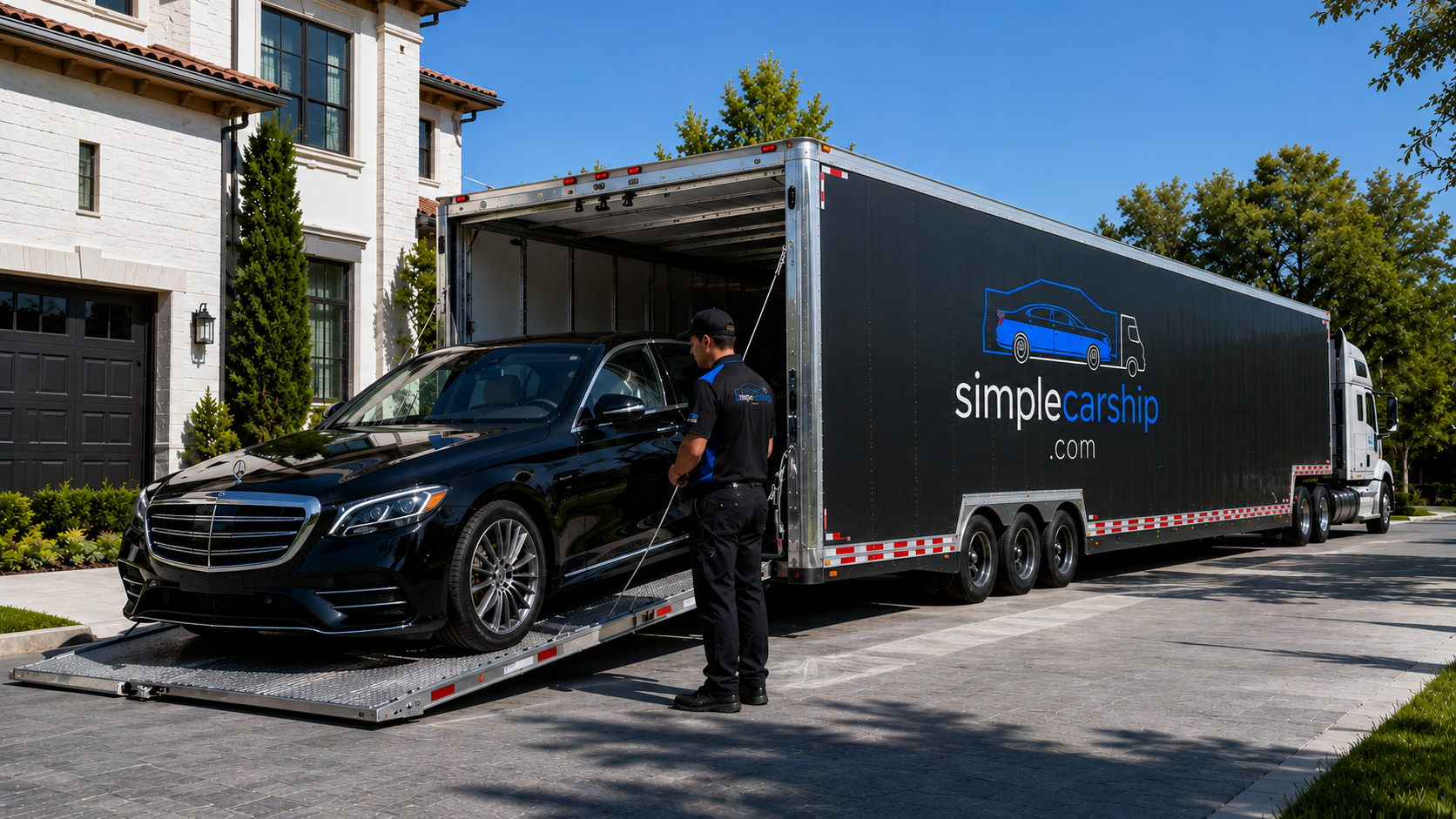
Carriers prefer accessible locations near major roads. In South Carolina, Charleston (I-26 corridor) and Columbia (I-20/I-77 junction) offer the easiest pickup windows. If you’re in Greenville, Myrtle Beach, or Hilton Head, expect the same timeline but confirm the driver can navigate your street—tight residential areas or gated communities sometimes require meeting at a nearby parking lot. The driver will walk around your vehicle with you, noting existing damage on the bill of lading; take photos on your phone as backup.
California delivery works similarly. Los Angeles, San Diego, San Francisco, and Sacramento are daily destinations for cross-country carriers, so scheduling is straightforward. Coastal or mountain communities (Big Sur, Tahoe, Palm Springs) may require meeting the truck at a lower-elevation or highway-adjacent spot if the trailer can’t navigate narrow or steep local roads. Confirm the delivery address during booking, and leave a backup contact in case you’re unavailable when the driver arrives. Most carriers offer a 1–2 hour courtesy call before final delivery, giving you time to reach the location.
How Simple Car Ship Manages the Timeline
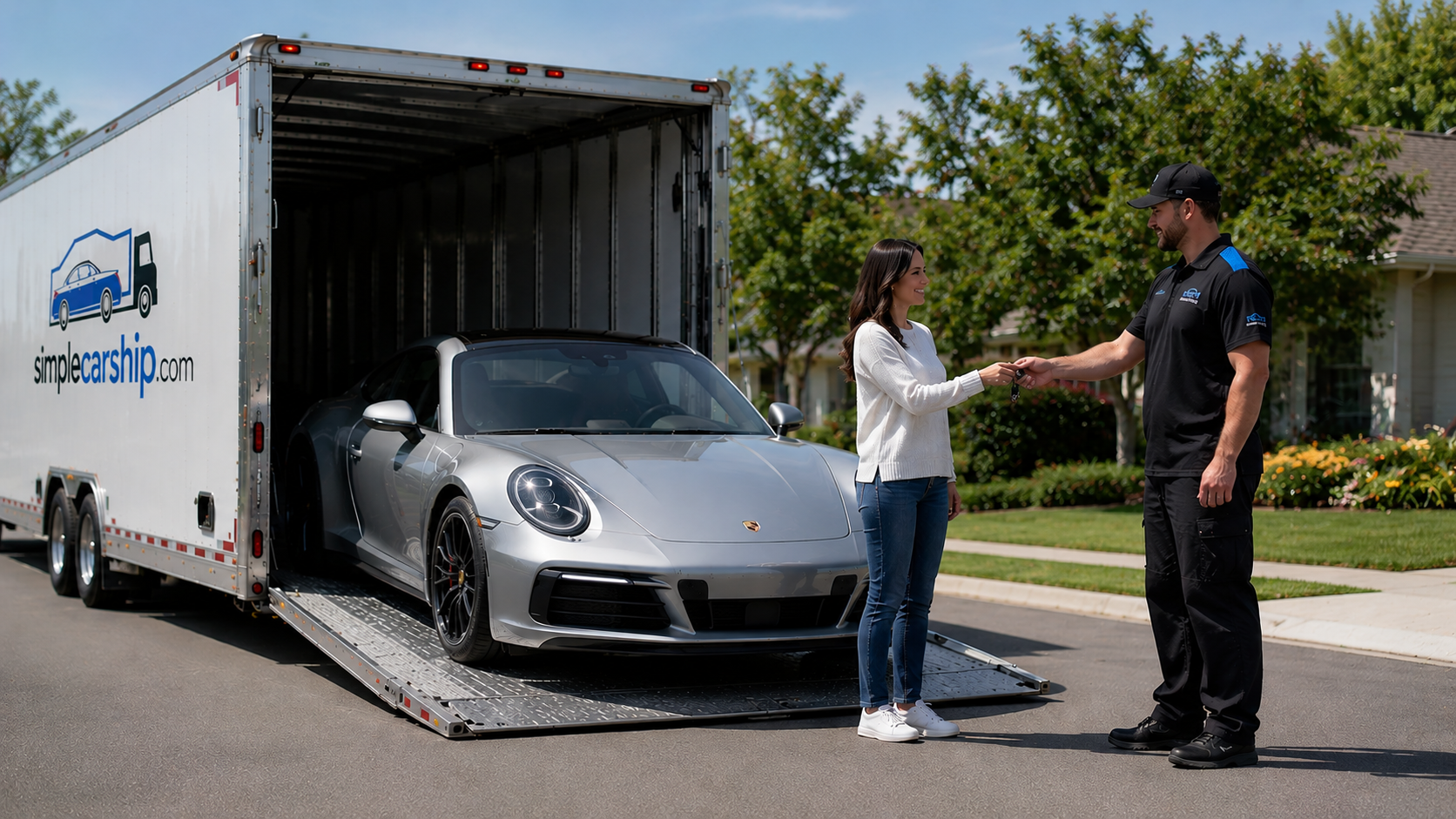
Your shipment isn’t a load number shuffled through a dispatch board. We hand-select carriers with proven performance on the South Carolina–California lane, prioritizing those with real-time tracking and strong communication habits. You’ll receive the driver’s direct cell number at pickup—no calling a 1-800 line and waiting on hold. If weather, traffic, or a mechanical issue affects the schedule, you hear about it from the person behind the wheel, not a scripted call center.
We also build realistic expectations upfront. Some brokers quote 3–4 days to win the booking, then blame “carrier delays” when it takes six. The 4–6 day window for 2,485 miles reflects actual road conditions, DOT rules, and how this industry operates. Clear quotes, real communication, no guesswork, no runaround—that’s how we’ve earned trust on long-haul routes like this one. Ready to get your vehicle moving? Request a quote and we’ll map out your specific timeline.
| Service | Transit Time | Price Range | Best For |
|---|---|---|---|
| Standard Open | 4–6 days | $1,945–$2,365 | Daily drivers, reliable sedans/SUVs, flexible schedules |
| Expedited Open | 3–5 days | ~$3,170 | Tight relocation timelines, one-way moves, time-sensitive shipments |
| Enclosed Transport | 4–6 days | $3,110–$3,785 | Luxury, classic, exotic vehicles; full weather/road-debris protection |
Frequently Asked Questions: South Carolina–California Shipping Timeline
Can a carrier pick up my car today and deliver it in 3 days?
Same-day pickup is rare unless a truck happens to be in your area with an open slot. Even with expedited service at approximately $3,170, realistic transit for 2,485 miles is 3–5 days due to DOT hours-of-service limits and fuel/rest stops. Standard service reliably delivers in 4–6 days, and that timeline begins once the carrier actually loads your vehicle.
Why does the quote say 4–6 days if the distance is only 2,485 miles?
Carriers average 400–500 road miles per day, not because they drive slowly, but because federal regulations cap driving hours, and multi-car haulers often make intermediate pickups or deliveries. A straight highway drive might take 40 hours, but real-world logistics—loading, inspections, rest breaks, and urban traffic in LA or San Diego—extend the timeline to the 4–6 day range for reliability.
Will my car arrive faster if I choose enclosed transport?
Enclosed trailers don’t travel faster, but they often run more direct routes because they carry fewer vehicles—6–7 vs. 8–10 on open trailers. This can eliminate a day of intermediate stops. The 4–6 day estimate still applies for both open and enclosed on the South Carolina–California route, though enclosed carriers sometimes cluster at the shorter end of that window due to streamlined scheduling.
What if I need my car in California by a specific date?
Book 7–10 days before your target delivery date to allow 1–3 days for carrier dispatch plus 4–6 days transit. If that’s not possible, expedited service can compress dispatch to 24–48 hours and prioritize direct routing, though weather or road closures can still cause delays. We’ll never guarantee an exact date—no honest broker can—but we communicate realistic arrival windows based on live carrier availability.
Do carriers drive through the night, or does nighttime add to the transit time?
Teams of two drivers can run near-continuously, with one sleeping in the cab sleeper berth while the other drives, which keeps the truck moving and can hit the 4-day floor for 2,485 miles. Solo drivers must take 10-hour rest breaks per DOT rules, which stretches transit toward 5–6 days. Most South Carolina–California shipments use solo drivers due to cost, so expect the mid-range timeline unless you specifically pay for team expedite.