Oregon to Virginia: live carrier pricing
| Open transport (most vehicles) | $1,975 – $2,405 |
| Enclosed transport | $3,160 – $3,845 |
| Lane distance | 2,867 miles |
| Typical transit | 5–7 days |
Quoted from our carrier network on September 29, 2026 for a standard operable car, door to door.
Auto transport is a live market, so your exact price depends on vehicle size, timing and current truck availability on this lane.
How Long Does It Take to Ship a Car from Oregon to Virginia?
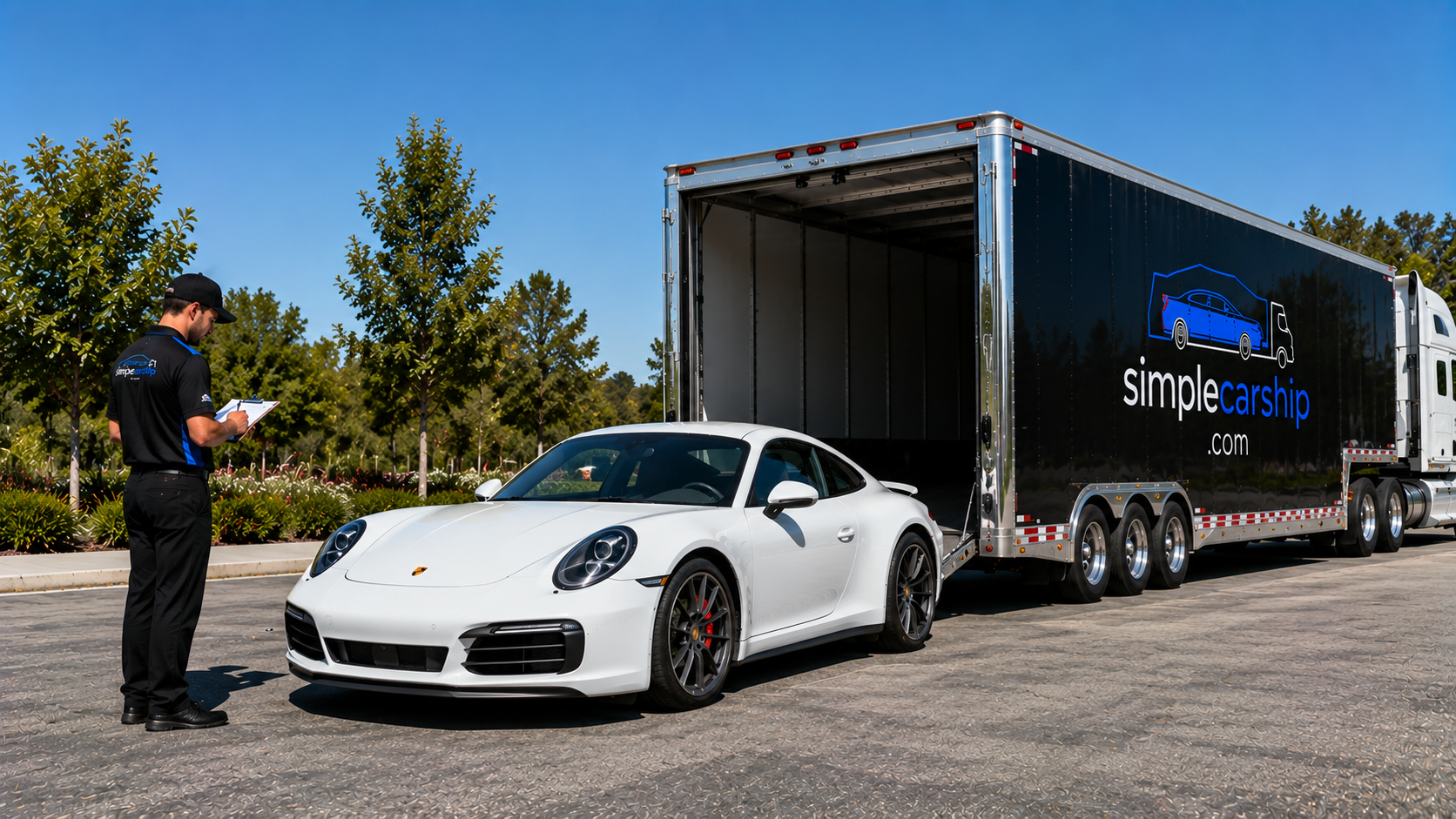
Cross-country car shipping from Oregon to Virginia takes 5–7 days in transit once your vehicle is loaded onto a carrier. The full timeline—from booking to delivery—typically spans 7–10 days, accounting for carrier assignment (1–3 days) and the 2,867-mile journey across interstates. Understanding each phase helps you plan pickup and arrival with confidence, whether you’re relocating for work, sending a vehicle to family, or moving a classic car you can’t drive cross-country.
Ship your car the simple way. Clear communication at every step, real human support, and hand-selected carriers who treat your shipment like it matters—not just another load number.
Get your instant car shipping price
Real quote in seconds. Enter your details and we’ll show your price instantly.
No spam — we only use this to send your quote and confirm your booking.
The Day-by-Day Timeline: What Happens When You Ship from Oregon to Virginia
After you book, the first 1–3 days are spent matching your vehicle with a qualified carrier running the Oregon-to-Virginia corridor. Carriers typically pick up from Portland or Eugene and deliver to Richmond or Virginia Beach, though door-to-door service reaches most metro-accessible addresses. Once a carrier is assigned, you’ll receive their direct contact information, pickup window (usually a 24–48 hour range), and estimated delivery date.
The 5–7 day transit window begins when your car is loaded. Drivers cover roughly 450–500 miles per day, adhering to FMCSA hours-of-service regulations that mandate rest breaks. Your vehicle rides I-84 east through Idaho, merges onto I-80 across Wyoming and Nebraska, then shifts to I-76/I-70 through Colorado and into the Midwest before connecting to I-64 or I-81 into Virginia. Weather, DOT inspections, and mandatory driver rest stops influence exact timing, but carriers update you as they progress across time zones.
What Affects Transit Time on This 2,867-Mile Route
Distance is the primary driver—2,867 miles requires a minimum five days even under ideal conditions. Open carriers running this route often consolidate 6–9 vehicles per load, meaning strategic stops to drop off other cars in intermediate cities (Salt Lake City, Denver, Kansas City) can add half a day. Enclosed carriers, which typically haul fewer vehicles and serve higher-value shipments, sometimes complete the route in 5 days flat when running dedicated coast-to-coast loads.
Seasonality plays a smaller role on this particular route compared to snowbird corridors, but winter weather in the Rockies (November–March) or across Wyoming’s high plains can delay transit by 12–24 hours if carriers pause for road closures or whiteout conditions. Summer is the busiest season for cross-country moves, so booking 10–14 days ahead secures faster carrier assignment. If you need guaranteed pickup within 24–48 hours and 5-day transit, expedited service runs approximately $3,335 for open transport—roughly 34% more than standard rates—and prioritizes your vehicle on a direct-route carrier.
How Much It Costs and What You Get for Your Money
Standard open transport from Oregon to Virginia runs $2,045–$2,490, averaging about $0.75 per mile. That rate includes full carrier insurance (minimum $100,000 cargo coverage per FMCSA requirements), door-to-door or terminal service depending on your location’s truck accessibility, and real-time tracking once your car is loaded. Prices rise during peak summer months (June–August) when college students, military families, and corporate relocations saturate capacity, and drop slightly in late winter when demand softens.
Enclosed transport costs $3,270–$3,985 for the same route, reflecting the specialized equipment, smaller load capacity (2–4 vehicles vs. 7–9), and enhanced protection. Enclosed makes sense for collectors shipping vintage vehicles, luxury cars with custom paint, or anyone moving a high-value asset where road debris, weather exposure, and prying eyes are unacceptable risks. The same 5–7 day timeline applies, though enclosed carriers often run slightly faster because they serve a premium market that values speed.
Pickup in Oregon and Delivery in Virginia: How It Actually Works
Most Oregon pickups occur in the Portland metro (including Beaverton, Gresham, and Hillsboro) or Eugene, where carrier traffic is concentrated and truck access is straightforward. If you’re in rural areas—coastal towns, eastern Oregon—you may drive your vehicle to the nearest metro or arrange a meeting point along I-5 or I-84. Carriers call 24 hours before arrival to confirm the window; you’ll walk around the car together, document existing condition on a Bill of Lading, hand over one set of keys, and leave it with a quarter tank of fuel (safety regulation).
On the Virginia side, deliveries to Richmond and Virginia Beach are seamless, with carriers navigating urban areas daily. If you’re in Charlottesville, Norfolk, or the I-81 corridor, expect similar door-to-door service. The driver calls 12–24 hours out with a delivery appointment; you inspect the vehicle against the original Bill of Lading, note any new damage (rare but documented immediately if present), sign off, and take possession. No guesswork, no runaround—you have the driver’s cell from day one, so questions get answered in real time.
Open vs. Enclosed for the Oregon–Virginia Corridor
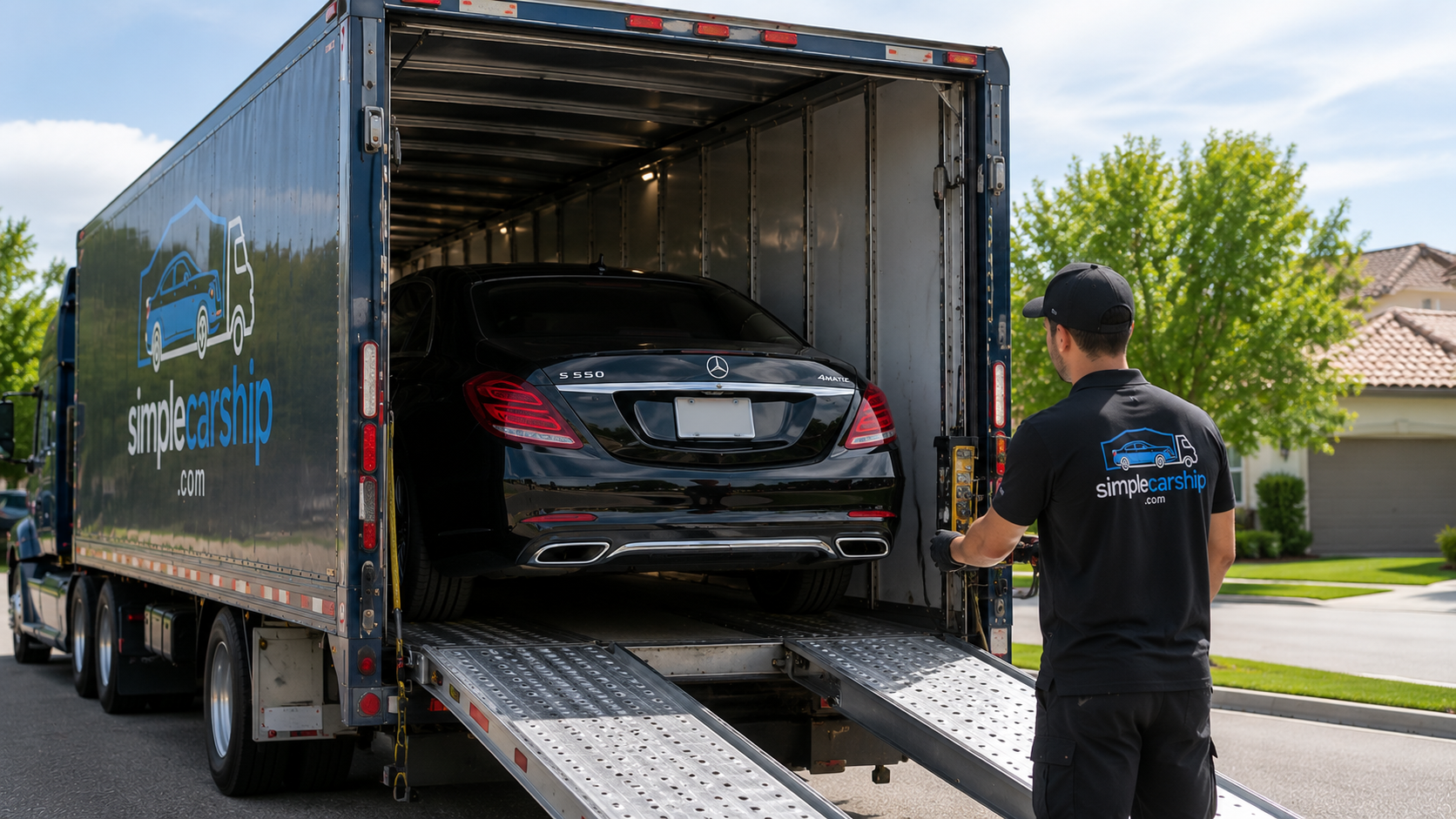
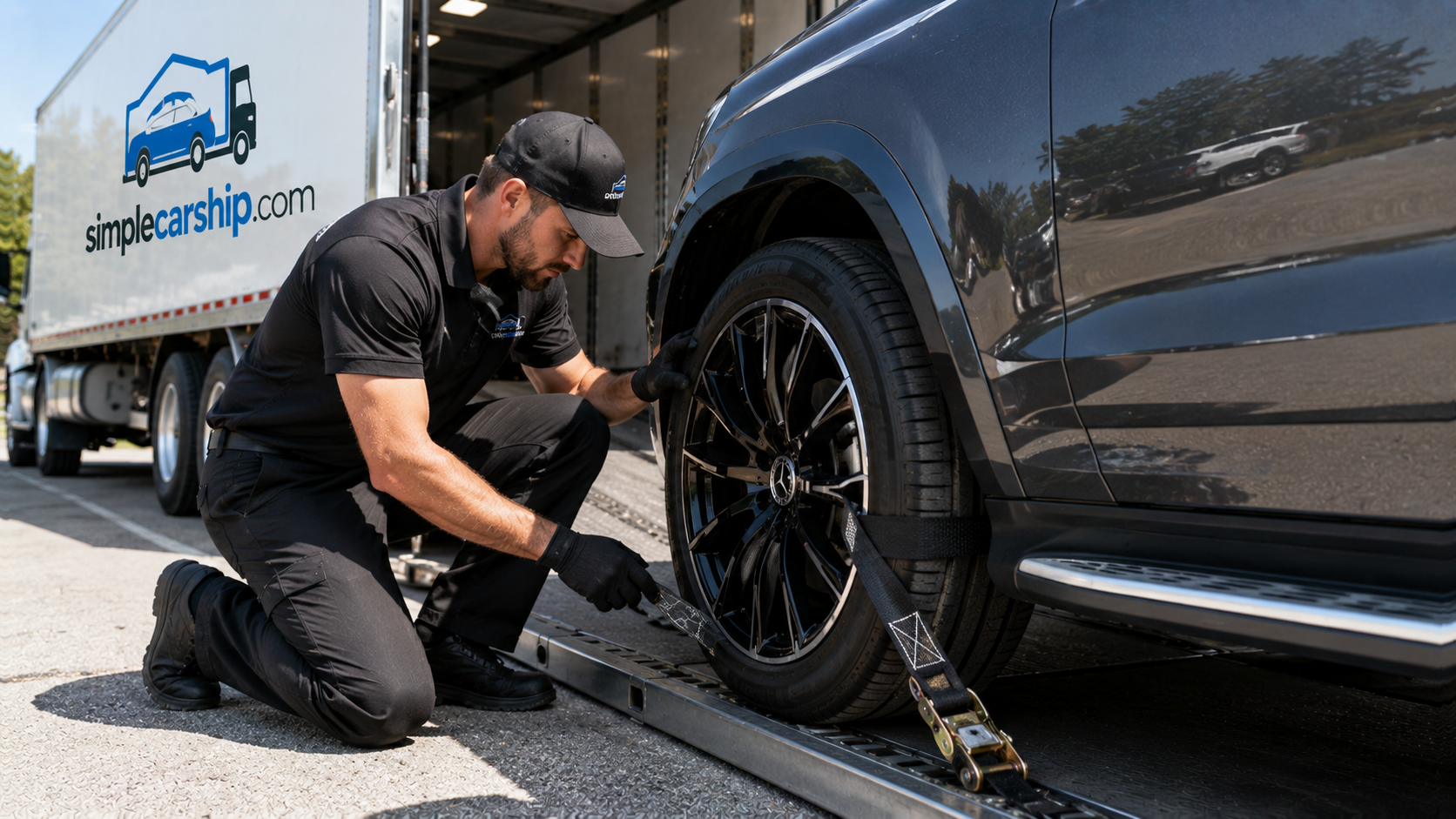
Open transport is the workhorse of cross-country shipping, moving 90% of vehicles nationwide with a proven safety record. Your car is visible, exposed to weather and road spray, but fully insured and secured with wheel straps and ratchet ties. For daily drivers, sedans, trucks, and SUVs in normal condition, open carriers deliver outstanding value. The $2,045–$2,490 range reflects high competition on this route, and the 5–7 day timeline is reliable year-round.
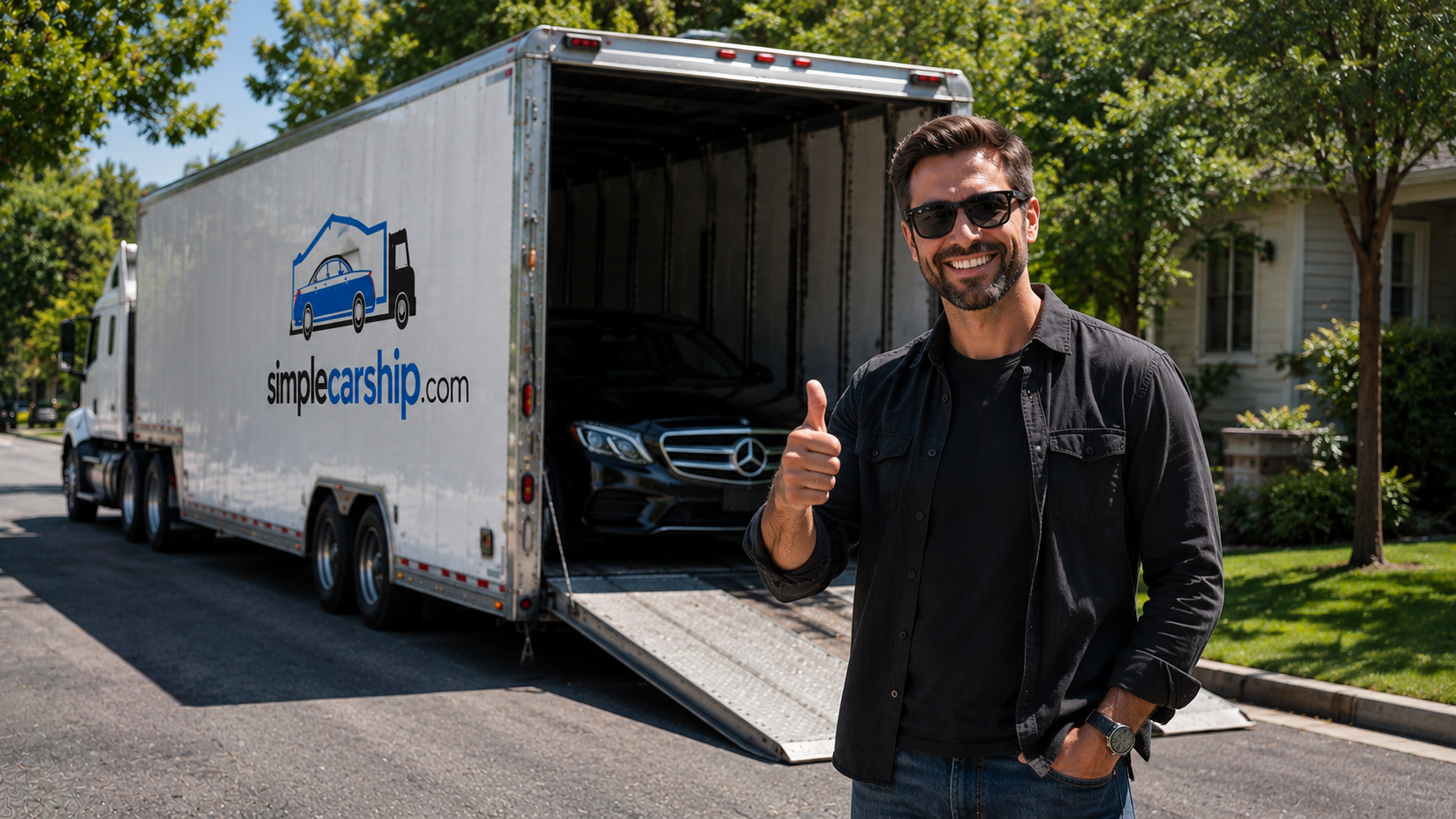
Enclosed transport shields your vehicle inside a hard-sided trailer, eliminating exposure to rain, hail, road salt, and debris. It’s the standard for classic cars, exotics, luxury sedans, and recently restored projects where a single rock chip or dust intrusion represents real financial loss. At $3,270–$3,985, you’re paying roughly 60% more, but you’re also buying peace of mind and white-glove handling. Both options use the same interstate highways and adhere to the same 5–7 day schedule, so your decision hinges on vehicle value and risk tolerance, not speed.
| Factor | Open Transport | Enclosed Transport |
|---|---|---|
| Price (OR–VA) | $2,045–$2,490 | $3,270–$3,985 |
| Transit Time | 5–7 days | 5–7 days |
| Protection | Insured, weather-exposed | Fully enclosed, climate-shielded |
| Best For | Daily drivers, standard vehicles | Classics, luxury, high-value cars |
How Simple Car Ship Handles Your Oregon-to-Virginia Shipment
Your shipment isn’t a load number passed between dispatch desks. We assign one logistics coordinator to your move from quote to delivery, so you have a single point of contact who knows your timeline, your vehicle, and your concerns. Within 24 hours of booking, we match you with a carrier from our vetted network—drivers who run the Oregon–Virginia lane regularly, carry proper FMCSA authority, and maintain the cargo insurance levels we require. You receive their name, MC number, phone number, and truck number before pickup, and you’re welcome to call them directly once your car is loaded.
We don’t play pricing games or bait-and-switch with low quotes that balloon at pickup. The rate we quote—whether $2,045 for open or $3,270 for enclosed—is the rate you pay, locked in writing. If your delivery address in Richmond or Virginia Beach requires a smaller truck due to narrow streets or HOA restrictions, we coordinate that ahead of time so there are no surprises. And if weather or a mechanical issue delays your carrier, we proactively reach out with updates and contingency options, because real communication means you’re never left guessing where your $30,000 asset is sitting.
Ready to book your Oregon-to-Virginia shipment with a team that treats it like it matters? Get a clear, honest quote in 60 seconds—no runaround, no fine print, just transparent pricing and a timeline you can count on.
Frequently Asked Questions: Oregon to Virginia Car Shipping
Exactly how long will my car be on the road between Oregon and Virginia?
Once loaded onto the carrier, your vehicle will be in transit for 5–7 days covering the 2,867-mile route via I-84, I-80, and I-64/I-81. Total timeline from booking to delivery is typically 7–10 days, accounting for 1–3 days of carrier assignment before pickup. Expedited service guarantees 5-day transit for $3,335.
Can I track my car while it’s being transported across the country?
Yes. Once your vehicle is loaded, you receive the driver’s direct cell number and truck identifier. Most carriers on this route provide location updates every 24–48 hours, and you’re welcome to call anytime for real-time positioning. We also stay in contact with the carrier and relay updates proactively if delays occur.
What’s the price difference between open and enclosed transport for this route?
Open transport costs $2,045–$2,490, while enclosed runs $3,270–$3,985—roughly 60% more. Both options follow the same 5–7 day timeline and use insured, licensed carriers. Enclosed is worth the premium for classic cars, luxury vehicles, or anything where weather exposure and road debris pose unacceptable risks to value or finish.
Will the carrier pick up and deliver directly to my home addresses in Portland and Richmond?
In most cases, yes. Portland, Eugene, Richmond, and Virginia Beach all offer straightforward truck access for door-to-door service. If your specific street has low-hanging trees, narrow turns, or HOA restrictions on commercial vehicles, the carrier may ask to meet you at a nearby open lot. We coordinate those details during booking so there are no day-of surprises.
How much notice do I need to give to book a shipment from Oregon to Virginia?
Booking 7–10 days ahead ensures smooth carrier assignment and your preferred pickup window. During peak summer months (June–August), 10–14 days is safer due to high demand on cross-country routes. If you need pickup within 24–48 hours, expedited service is available for $3,335 and prioritizes immediate dispatch with a 5-day transit guarantee.