Oregon to Colorado: live carrier pricing
| Open transport (most vehicles) | $1,560 – $1,895 |
| Enclosed transport | $2,490 – $3,035 |
| Lane distance | 1,243 miles |
| Typical transit | 2–4 days |
Quoted from our carrier network on September 29, 2026 for a standard operable car, door to door.
Auto transport is a live market, so your exact price depends on vehicle size, timing and current truck availability on this lane.
How Long Does It Take to Ship a Car from Oregon to Colorado?
Shipping a car from Oregon to Colorado typically takes 2–4 days in transit once your vehicle is picked up by the carrier. The 1,243-mile route from major metros like Portland and Eugene to Denver and Colorado Springs is a well-traveled corridor with reliable carrier availability. Most customers see their vehicle delivered within a week of booking, including the 1–2 days it takes to assign a driver and schedule pickup.
Understanding the timeline helps you plan around work, travel, or a move. Here’s exactly what to expect when you ship your car the simple way—no runarounds, no vague “we’ll call you” promises.
Get your instant car shipping price
Real quote in seconds. Enter your details and we’ll show your price instantly.
No spam — we only use this to send your quote and confirm your booking.
The Day-by-Day Timeline: What Happens When
Once you confirm your order with Simple Car Ship, we begin matching your vehicle with a qualified carrier on the Oregon-to-Colorado lane. This assignment process usually takes 24–48 hours, though during peak moving season (May through September) it can stretch to 72 hours. You’ll receive the driver’s name, truck number, and direct phone line before pickup—real communication, not a black box.
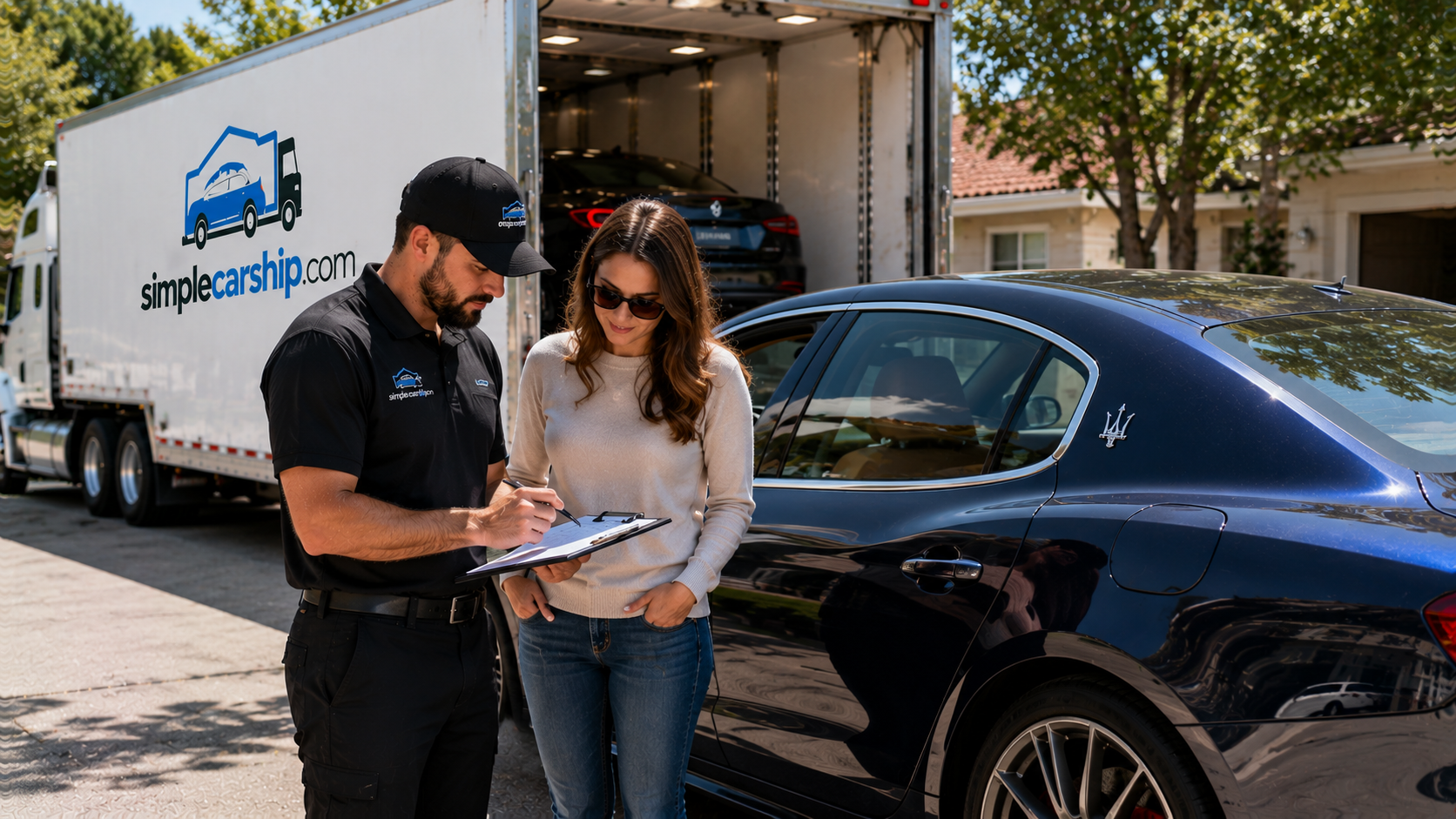
Pickup happens within the window you choose (typically a 2–3 day span). The driver inspects your car with you, notes existing condition on the Bill of Lading, loads it, and begins the drive. From Portland to Denver, the 1,243 miles break down into roughly two full driving days for most carriers, though some make it in under 48 hours if traffic through Idaho and Wyoming cooperates. Colorado Springs deliveries add a few hours. If weather closes mountain passes or delays inspection at weigh stations, count on the upper end of the 2–4 day range.
What Affects Your Oregon-to-Colorado Transit Time
Carrier type matters. A dedicated small carrier running a hotshot trailer can often complete the route in two days flat, while a larger ten-car hauler making multiple stops in Boise, Twin Falls, and Cheyenne will trend toward four days. Open transport—the standard for 85% of shipments—moves faster because drivers have more flexibility in routing and don’t need to coordinate enclosed-trailer logistics.
Season plays a smaller role on this route than on, say, Midwest-to-Florida runs, but winter storms in the Rockies or across southern Wyoming can add 12–24 hours if I-80 or I-25 closes temporarily. If you’re shipping November through March, build in an extra day of cushion. Pickup location also shifts the clock: Eugene sits 110 miles south of Portland, so if your car is in Eugene and delivery is in Colorado Springs, expect the longer end of the range.
Express service is available if you need guaranteed pickup within 24 hours and the fastest possible transit. For this route, expedited open transport runs around $1,931—roughly 34% more than standard open. It’s overkill for most relocations but makes sense if you’ve landed in Denver for a new job and need your car by a hard start date.
Standard vs. Expedited: Comparing Your Options
| Service Level | Pickup Window | Transit Time | Typical Cost |
|---|---|---|---|
| Standard Open | 1–3 days | 2–4 days | $1,185–$1,440 |
| Standard Enclosed | 2–4 days | 3–5 days | $1,895–$2,305 |
| Expedited Open | 24 hours | 2–3 days | ~$1,931 |
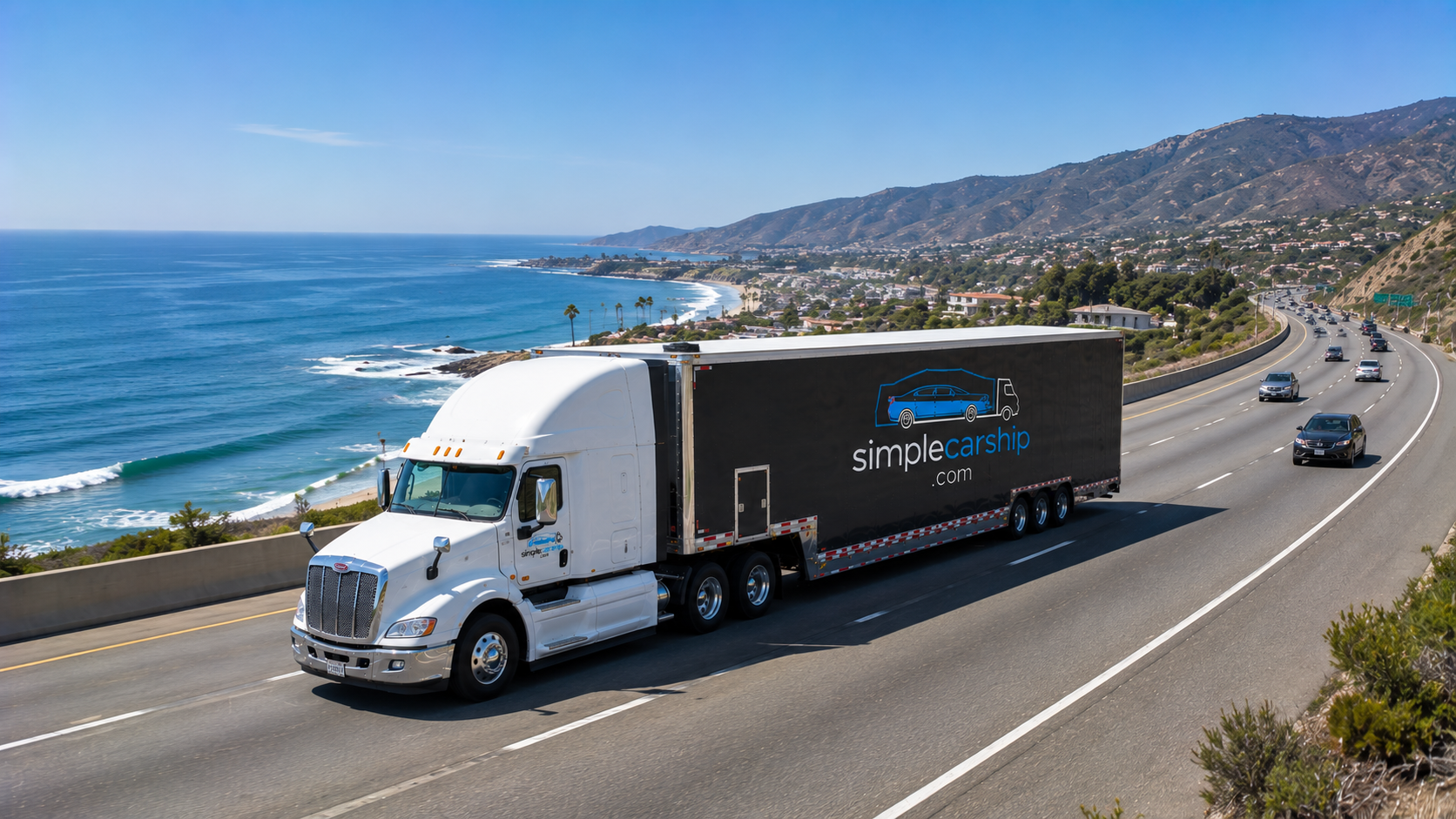
Enclosed transport adds a day on average because fewer carriers run enclosed trailers, and they often consolidate loads to justify the equipment cost. If you’re shipping a Tesla Model S or a restored Porsche 911, the extra day is worth the weather protection and reduced road-grime exposure across 1,200+ miles of high-desert and mountain driving.
Scheduling Pickup and Delivery in Oregon and Colorado
Most Oregon pickups happen in the Portland metro (including Beaverton, Hillsboro, and Gresham) or Eugene. Carriers run I-5 daily, so availability is strong. If you’re in Bend, the Coast, or rural southern Oregon, expect an extra day for the driver to route off the main corridor—or plan to meet the truck in Portland or Eugene to keep the timeline tight. We coordinate that before dispatch so there are no surprises.
On the Colorado end, Denver is the state’s logistics hub, and Colorado Springs sits just 70 miles south on I-25, so both cities see daily carrier traffic. Deliveries to Boulder, Fort Collins, or suburbs like Aurora and Lakewood happen on the same schedule as Denver proper. If your destination is Aspen, Grand Junction, or another mountain town, the driver will typically deliver to the nearest Front Range city (often Denver), and you’ll arrange final-mile transport or pick up the car yourself. Mountain-town delivery is possible but adds 1–2 days and $150–$300 depending on distance and winter road conditions.
How Simple Car Ship Keeps Your Oregon-to-Colorado Move on Track
We hand-select carriers with strong performance records on Western routes. You’re not a load number cycled through a call center; you’re working with a small team that knows the Portland-to-Denver lane inside out. Once your car is assigned, you get the driver’s contact info directly—call or text them to confirm timing, ask about the route, or check in during transit. That transparency is rare in this industry, and it’s how we’ve built trust without a multi-million-dollar ad budget.
We also monitor your shipment from pickup to delivery. If a delay pops up—weather, a mechanical issue, a missed connection—you hear about it from us before you have to chase anyone down. Clear quotes, real communication, no guesswork. Your shipment moves on your timeline, and if life changes and you need to adjust pickup or delivery by a day, we make it happen whenever possible. Rigid systems break; human judgment flexes.
Ready to get your car from Oregon to Colorado without the stress? Get a clear quote now—it takes two minutes, and you’ll see real numbers for your exact pickup and delivery cities, not a range so wide it’s meaningless.
Frequently Asked Questions: Oregon to Colorado Car Shipping
How long after I book does pickup actually happen?
Pickup typically occurs 1–3 days after you confirm your order. We assign a carrier within 24–48 hours, and the driver schedules pickup during your chosen window. During peak summer months, assignment can take up to 72 hours, but we keep you updated every step of the way so you’re never guessing.
Can I get my car delivered faster than the standard 2–4 days?
Yes. Expedited service guarantees pickup within 24 hours and prioritizes your vehicle for the fastest available carrier, usually delivering in 2–3 days. For the Oregon-to-Colorado route, expedited open transport costs around $1,931. It’s ideal if you have a hard deadline, like a job start date or a scheduled flight out of Denver.
Does winter weather delay shipments on this route?
Occasionally. Heavy snow can temporarily close I-80 through Wyoming or I-25 in northern Colorado, adding 12–24 hours if the carrier has to wait out a storm or reroute. These delays are infrequent but more common November through March. We monitor forecasts and notify you immediately if weather impacts your delivery window.
What if I need to ship from Eugene instead of Portland—does that change the timeline?
It can add a few hours, since Eugene is 110 miles south of Portland on I-5. Most carriers pick up in Eugene without issue, but if the driver is already loaded and routing through Portland, you may see an extra half-day. We account for this during scheduling so your total timeline stays within the 2–4 day transit range once pickup occurs.
How much does enclosed transport add to the delivery time?
Enclosed carriers on the Oregon-Colorado route typically take 3–5 days in transit, about one day longer than open transport. Fewer enclosed trailers run this lane, and drivers often wait to consolidate a full load before departing. If you’re shipping a high-value or classic vehicle and weather protection matters, the extra day is a worthwhile trade-off.
Understanding Costs for This 1,243-Mile Route
Standard open transport from Oregon to Colorado runs $1,185 to $1,440, depending on your exact pickup and delivery cities, the time of year, and current carrier availability. Portland to Denver sits at the lower end; Eugene to Colorado Springs trends higher because of the added miles and slightly less frequent carrier service to the Springs. Enclosed transport costs $1,895 to $2,305 for the same route—roughly 60% more than open, reflecting the specialized equipment and added protection.
What moves the price? Fuel costs, carrier demand, and your vehicle’s size and weight. A Honda Civic ships for less than a Chevy Suburban because the Suburban takes up more trailer space and adds weight. If you book during the summer moving rush (June through August), expect quotes near the high end of the range; late fall and winter see softer pricing as fewer people relocate. We price every route individually using live carrier data, so your quote reflects real market conditions, not a generic algorithm or a bait number designed to get your phone number and upsell you later.
For context, this route costs less per mile than shorter hauls—carriers prefer longer runs because they’re more efficient. Divide $1,440 by 1,243 miles and you’re paying roughly $1.16 per mile, compared to $1.50+ per mile on a 500-mile trip. Distance works in your favor here, and the West Coast-to-Rockies corridor sees enough volume that competition keeps prices reasonable. If you’re also considering shipping a car from Oregon to Texas or California to Colorado, compare transit times and costs to see which logistics make sense for your move.
Open vs. Enclosed: Which Makes Sense for Oregon to Colorado?
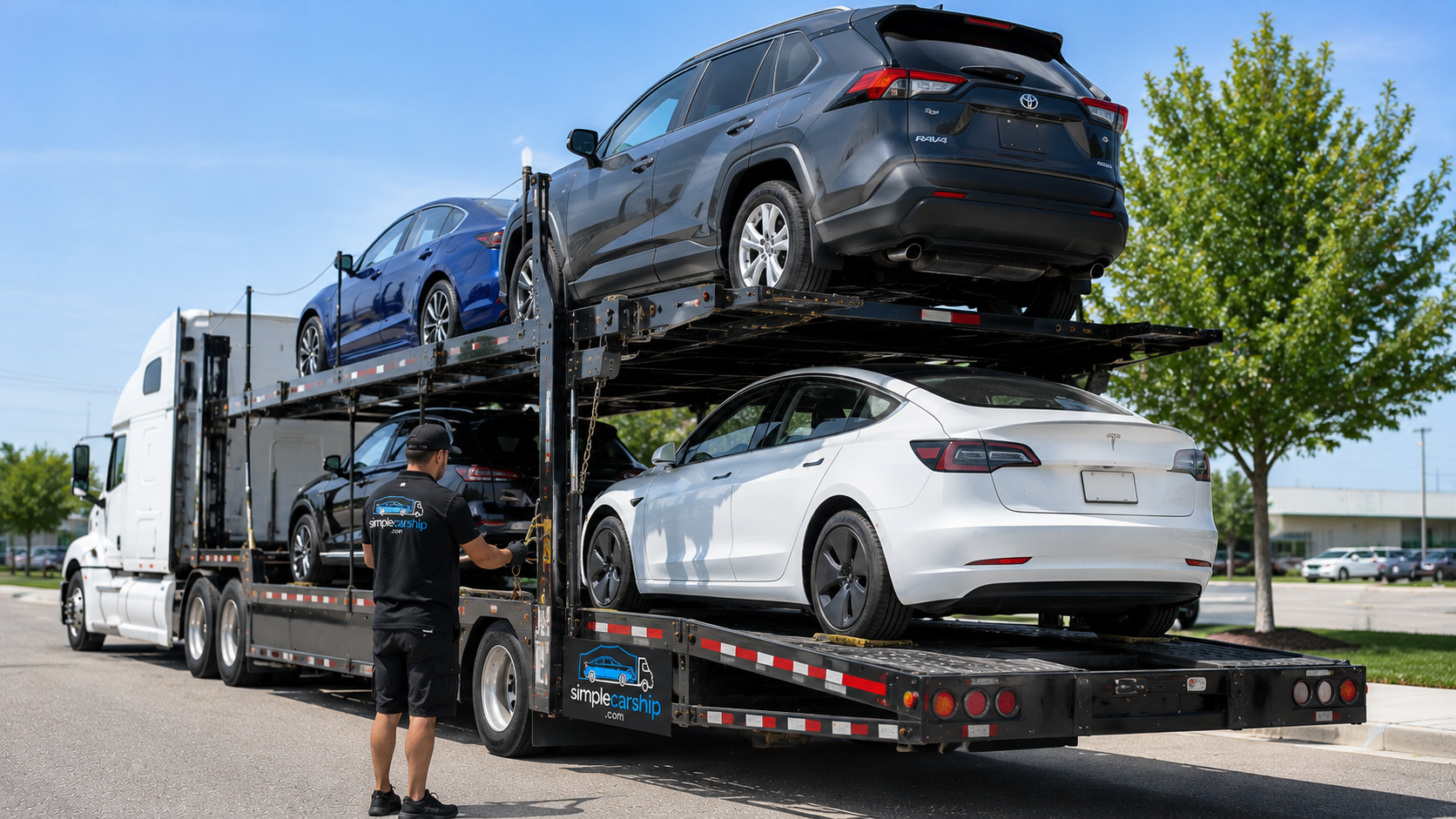
Open transport is the default for most sedans, SUVs, and trucks. Your car rides on a multi-level carrier exposed to weather and road spray, the same way it would if you drove it yourself. Across 1,243 miles of high-desert Interstate and mountain grades, that means dust, possible rain, and the occasional bug splatter—all cosmetic and easily washed off. If your vehicle is a daily driver or a lease return, open transport is the practical, cost-effective choice and keeps your timeline as tight as possible.
Enclosed transport makes sense if you’re moving a classic car, a luxury vehicle, or anything with custom paint, low ground clearance, or collector value. The fully enclosed trailer shields your car from road debris, weather, and prying eyes at truck stops. Shipping a vintage Mustang, a Lamborghini, or a freshly restored Land Cruiser? Enclosed is worth the premium. For most relocations, though—job moves, college, military PCS—open gets the job done without the extra cost or wait time. If you’re transporting a classic car, read more about our enclosed-transport process and how we match you with carriers who specialize in high-value vehicles.