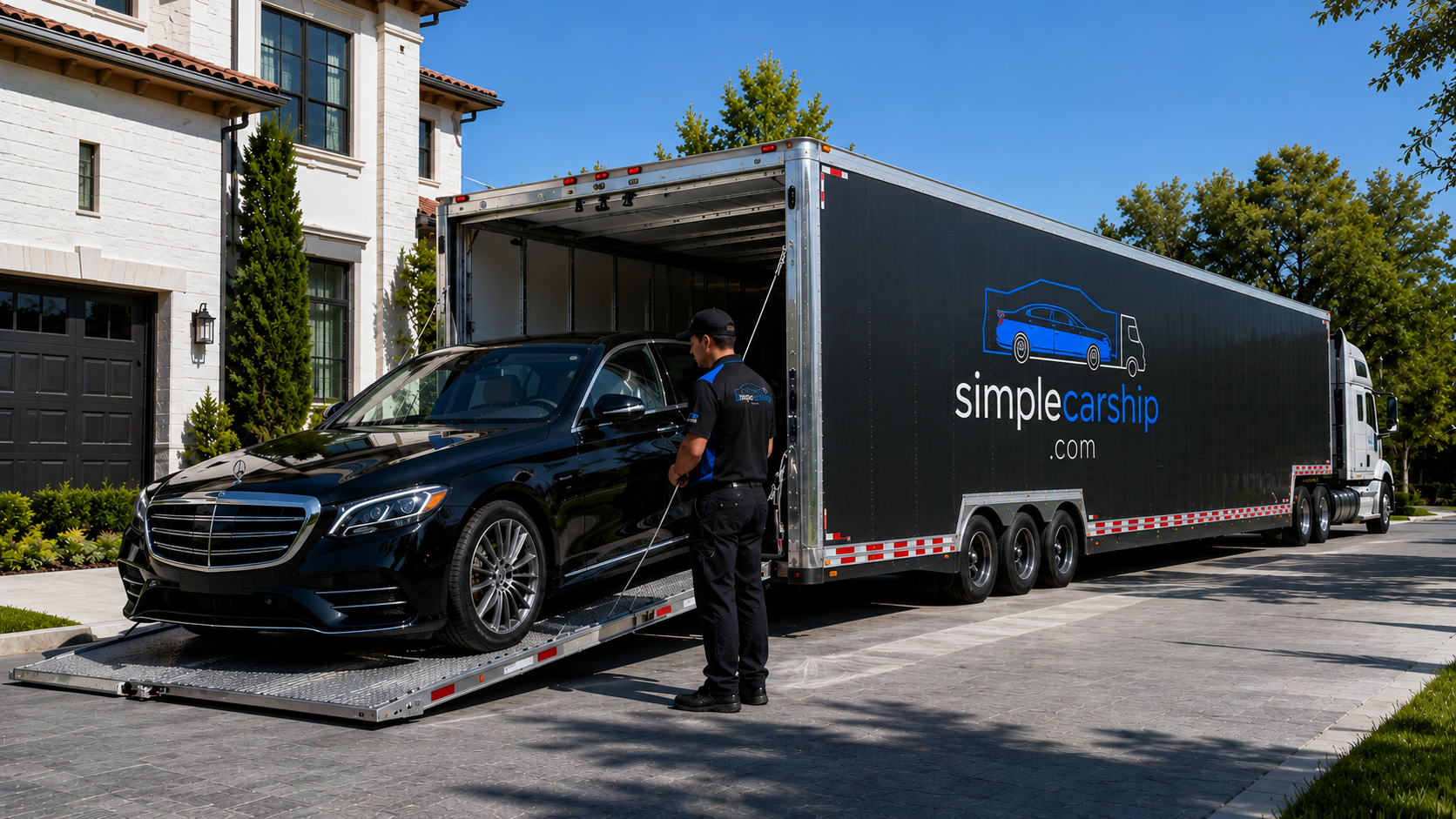
How Long Does It Take to Ship a Car from Michigan to Washington?
Shipping a car from Michigan to Washington typically takes 4–6 days in transit once a carrier picks up your vehicle. The full timeline—from booking to delivery—usually spans 7–10 days, including the pickup window. Across 2,351 miles of cross-country highways, your vehicle moves through the Midwest, Northern Plains, and Cascade foothills on one of the nation’s longest east-west corridors.
Understanding the day-by-day process helps you plan around work, travel, and the logistics of being without your car. Here’s exactly what happens at each stage, the factors that speed up or slow down delivery, and how to choose the service level that matches your schedule.
Get your instant car shipping price
Real quote in seconds — no spam, no runaround.
The Day-by-Day Timeline: Michigan Pickup to Washington Delivery
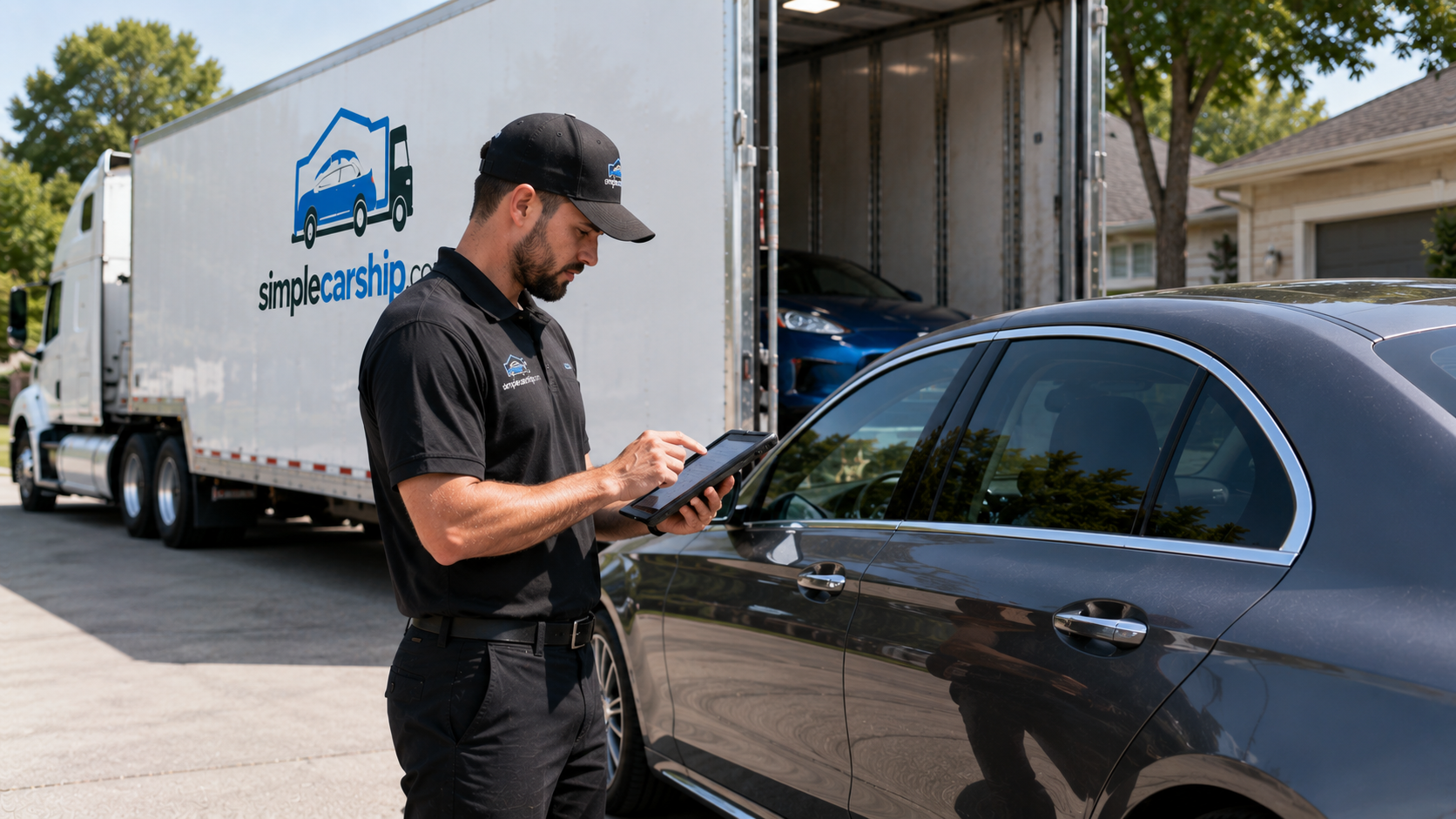
Once you book, carriers typically need 1–3 business days to dispatch a truck to your pickup location in Detroit, Grand Rapids, or surrounding areas. This window depends on route density—Michigan to Washington is a well-traveled lane, so most shipments match with a carrier within 48 hours. Your driver will call 24 hours before arrival to confirm the pickup time, inspect the vehicle with you, and load it onto the trailer.
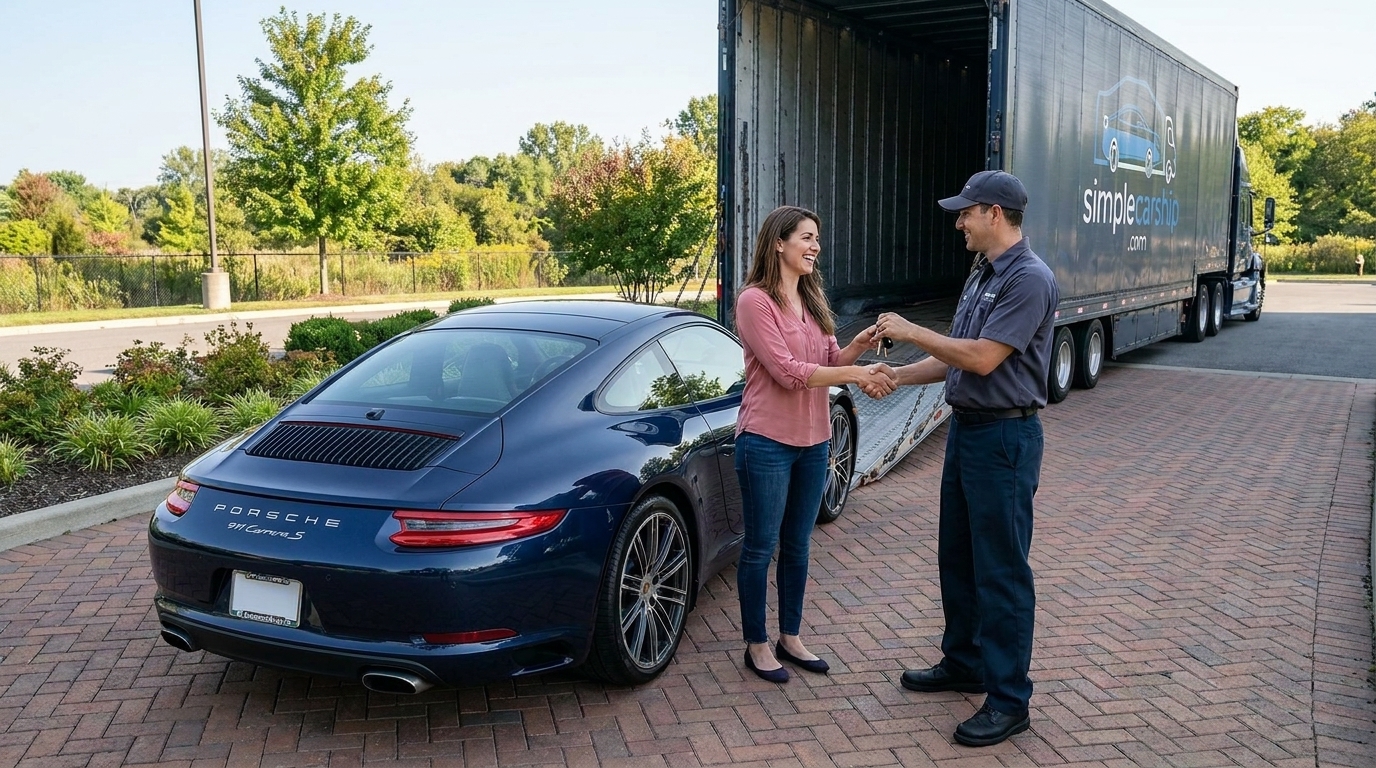
Transit itself takes 4–6 days for the 2,351-mile journey. Drivers cover roughly 450–500 miles per day, adhering to DOT hours-of-service rules that mandate rest breaks. The route follows I-90 west through Chicago, across South Dakota and Montana, then over Snoqualmie Pass into the Seattle-Tacoma metro. Weather in mountain passes, particularly in winter or early spring, can add 12–24 hours; summer and fall typically see the fastest crossings. Upon arrival in Washington, your driver schedules delivery the same way—calling ahead, meeting you at the address, and completing a final walk-around inspection before you sign off.
What Affects Your Michigan–Washington Shipping Speed
Three variables control how quickly your car moves: service tier, pickup flexibility, and season. Standard open transport on the 4–6 day timeline costs $2,060–$2,505. If you need guaranteed faster delivery, expedited service prioritizes your vehicle for dispatch within 24 hours and direct routing, cutting total time to as little as 5–6 days door-to-door; expect to pay around $3,357 for that speed. The difference isn’t in how fast the truck drives—it’s in how quickly a carrier is assigned and whether the route allows minimal intermediate stops.
Flexibility at pickup shaves time. If you can meet the carrier at a main arterial in Detroit or near the I-96/US-131 interchange in Grand Rapids rather than a rural driveway 40 minutes off-route, dispatch happens faster and drivers don’t lose half a day on detours. On the Washington end, Seattle and Tacoma are primary delivery hubs; Spokane and Bellingham see slightly longer windows as drivers must cross additional mountain terrain or backtrack from I-5.
Winter (December–February) and early spring (March) warrant an extra day in your planning buffer. Snoqualmie Pass and Montana’s I-90 corridor close or slow to chain-control during storms. Carriers build in weather delays rather than risk unsafe crossings, so a 4-day summer trip can stretch to 6–7 days in January. If you’re moving for a job start date or selling a vehicle on a fixed deadline, book 10–12 days out during snow season; 8–9 days is safe in summer and fall.
Cost and Service Options for the Michigan–Washington Route
Open-carrier transport—your car rides on an open trailer exposed to weather and road spray—runs $2,060–$2,505 for this route. That’s the industry standard for daily drivers, commuter cars, and vehicles under $40,000 in value. Enclosed transport, which cocoons your car in a fully sided trailer, costs $3,295–$4,010. The premium buys protection from rain, hail, and road debris across six states, plus lower-capacity trailers (6–7 cars instead of 9–10) that mean fewer loading and unloading stops and marginally faster transit.
Price fluctuates with fuel, season, and carrier availability. Summer (June–August) sees highest demand as families relocate and college students move; you’ll hit the upper end of the range or slightly above. Late fall and winter drop prices 8–12 percent as volume slows, though weather delays become more common. The 2,351-mile distance is the largest cost driver—fuel alone accounts for $900–$1,100 of your quote at current diesel rates, and driver wages for a multi-day cross-country run add another significant layer.
Pickup in Michigan and Delivery in Washington: Metro Details
Most Michigan pickups happen in the Detroit metro (including suburbs like Livonia, Dearborn, and Ann Arbor) or Grand Rapids and its I-96 corridor. These cities sit on major east-west trucking arteries, so carriers running Seattle-bound routes pass through daily. If you’re in the Upper Peninsula, Traverse City, or Kalamazoo, expect an additional half-day for the carrier to route in; some brokers add $100–$150 for remote-area pickup, though we include reasonable deviations in the base quote.
On the Washington side, Seattle and Tacoma dominate delivery volume. The I-5 spine from Everett south through Olympia sees daily carrier traffic. Spokane deliveries require carriers to cross the state on I-90 after entering Washington, adding 4–6 hours and occasionally a $75–$100 surcharge depending on whether the driver has a return load lined up. Bellingham, the San Juan Islands ferry terminals, and rural areas in the Cascades or Olympic Peninsula may need a meet-point arrangement at a truck-accessible location rather than true door-to-door service.
How Simple Car Ship Manages Your Michigan–Washington Shipment
We assign a dedicated coordinator the moment you book. You get a direct phone line and email—no ticket queues, no chatbot loops. Your coordinator vets every carrier for active FMCSA authority, current cargo insurance (minimum $100,000 per load), and track record on long-haul routes. We don’t dispatch your car to the lowest bidder; we hand-select the truck based on equipment type, delivery history in Washington, and real-time location so your 4–6 day window is credible, not hopeful.
Communication is the difference between confidence and anxiety. You’ll receive the driver’s name and cell number before pickup, tracking check-ins at major waypoints (typically Chicago, Billings, and Spokane), and proactive updates if weather or a DOT inspection creates delay. Your car isn’t a load number cycled through a dispatch board—it’s a specific vehicle we’re moving on a specific timeline, and we treat your planning needs accordingly. When the truck is four hours out from Seattle, you get the call so you’re ready, not scrambling.
| Feature | Open Transport | Enclosed Transport | Expedited Open |
|---|---|---|---|
| Price Range | $2,060–$2,505 | $3,295–$4,010 | ~$3,357 |
| Transit Time | 4–6 days | 4–6 days | 5–6 days total (faster dispatch) |
| Best For | Daily drivers, modern sedans/SUVs | Luxury, classic, high-value vehicles | Tight deadlines, job relocations |
| Weather Protection | Minimal (road spray, rain exposure) | Full enclosure, no exposure | Minimal (road spray, rain exposure) |
Ready to get your car moving from Michigan to Washington on a timeline that works? Get a clear, committed quote—real numbers, real transit days, and a coordinator who’ll walk you through every mile of the route.
Frequently Asked Questions: Michigan to Washington Car Shipping
Can I get my car from Detroit to Seattle in under 5 days?
Yes, with expedited service. Standard transit is 4–6 days, but expedited dispatch (around $3,357) assigns a carrier within 24 hours and prioritizes direct routing. Total door-to-door time typically lands at 5–6 days if pickup happens immediately and weather cooperates. Summer and fall offer the best odds; winter weather over mountain passes can extend even expedited shipments by a day.
What slows down a Michigan–Washington car shipment in winter?
Snoqualmie Pass on I-90 in Washington and Montana’s high plains are the main choke points. Chain requirements, road closures, and reduced speeds during snow events can add 12–24 hours to the 4–6 day window. Carriers won’t risk unsafe crossings, so December through March shipments should budget an extra day. Booking 10–12 days before your Washington delivery deadline provides a safe cushion.
Do carriers drive straight through, or does my car sit overnight?
Drivers follow federal hours-of-service rules: 11 hours driving per 14-hour window, then a mandatory 10-hour rest break. Over 2,351 miles, expect the truck to stop overnight twice—often near Billings, Montana, and Spokane, Washington. Your car remains locked on the trailer in a truck stop or carrier yard during rest periods; it doesn’t sit unattended on a street.
Is enclosed transport faster than open for this route?
No, transit time is the same 4–6 days. Enclosed trailers carry fewer vehicles (6–7 versus 9–10), so you may see one less loading stop, but the mileage and driver hours remain identical. The $3,295–$4,010 enclosed price buys weather protection and reduced exposure, not speed. If timeline is your priority, choose expedited open rather than standard enclosed.
How much notice do I need to ship a car from Michigan to Washington?
Plan for 7–10 days total in summer and fall: 1–3 days to assign a carrier, 4–6 days in transit. Winter shipments benefit from 10–14 days to accommodate weather delays and slightly longer dispatch windows. If you’re on a fixed deadline—closing on a house, starting a job—book two weeks out. Last-minute expedited service can shrink the window, but availability isn’t guaranteed during peak season.