
Washington to North Carolina: live carrier pricing
| Open transport (most vehicles) | $2,005 – $2,440 |
| Enclosed transport | $3,205 – $3,905 |
| Lane distance | 2,823 miles |
| Typical transit | 5–7 days |
Quoted from our carrier network on September 29, 2026 for a standard operable car, door to door.
Auto transport is a live market, so your exact price depends on vehicle size, timing and current truck availability on this lane.
How Much Does It Cost to Ship a Car from Washington to North Carolina?
Shipping a car from Washington to North Carolina typically costs between $1,760 and $2,145 for open transport, while enclosed carriers run $2,820 to $3,430. The 2,823-mile cross-country route connecting the Pacific Northwest to the Southeast takes 5–7 days, and your final price depends on trailer type, vehicle size, seasonal demand, and exact pickup and delivery locations.
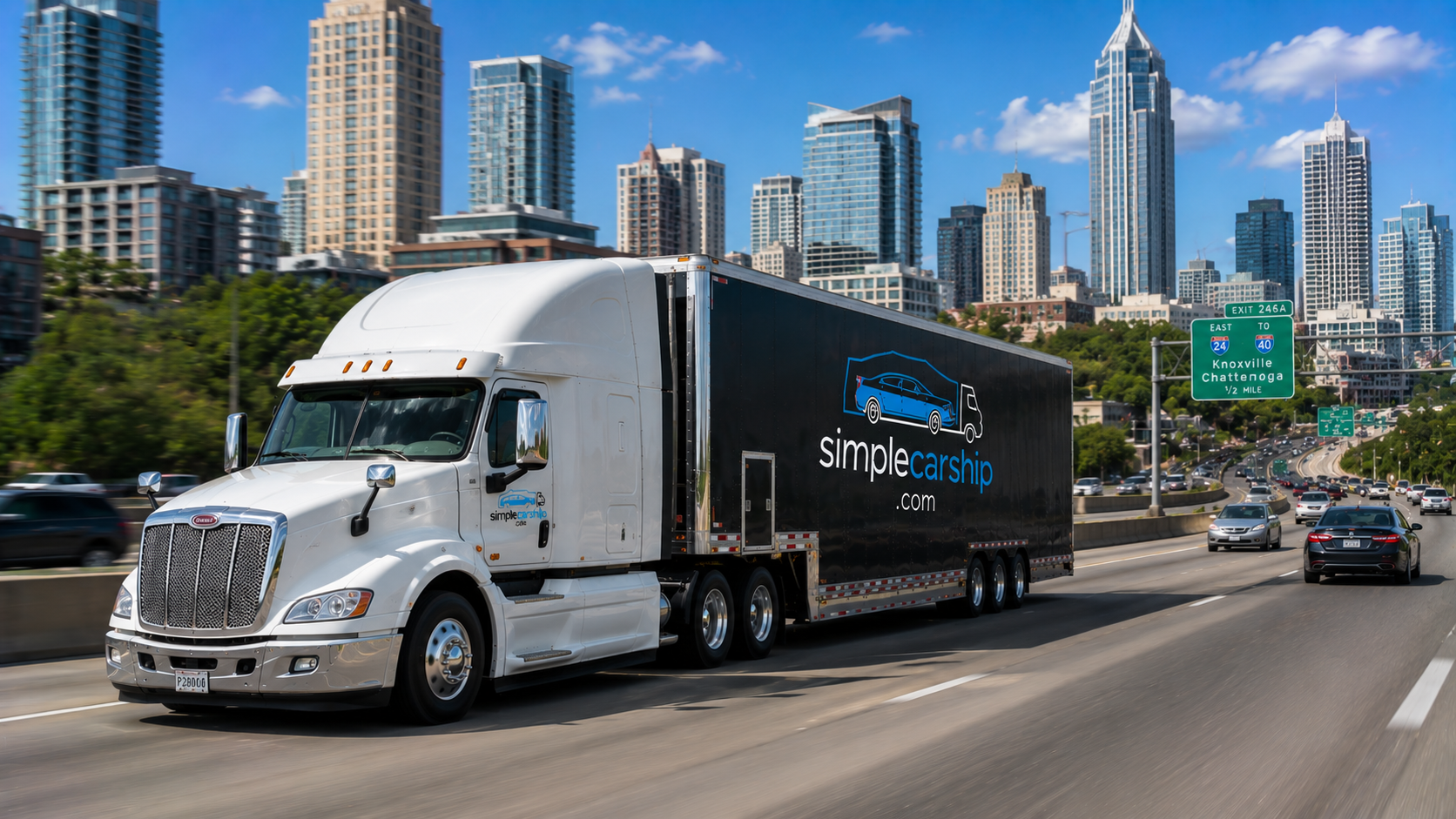
Get your instant car shipping price
Real quote in seconds. Enter your details and we’ll show your price instantly.
No spam — we only use this to send your quote and confirm your booking.
What Moves the Price on This Route
Distance is the foundation—at 2,823 miles, Washington to North Carolina is a full coast-to-coast haul—but the number on your quote shifts based on real logistics. Open auto transport is the industry standard and costs less because carriers can stack multiple vehicles on a double-deck trailer. Enclosed trailers protect your car from weather and road debris but carry fewer vehicles per load, driving the per-car cost higher. Vehicle size matters too: a compact sedan fits easily and costs less to ship than a full-size truck or SUV, which takes more deck space and adds weight.
Pickup and delivery metro areas also influence cost. Seattle and Tacoma are major freight hubs with high carrier traffic, so finding a truck is straightforward. Charlotte and Raleigh anchor North Carolina’s industrial corridor along I-85 and I-40, making them equally accessible. If you’re shipping to or from a rural town an hour outside these metros, expect a modest surcharge for the extra miles. Seasonal demand plays a role nationwide—summer months see higher volume as families relocate—but this route doesn’t face the extreme swings that snowbird corridors do. If you need guaranteed pickup within 48 hours, expedited service runs around $2,873 and bumps your shipment to the front of the dispatch queue.
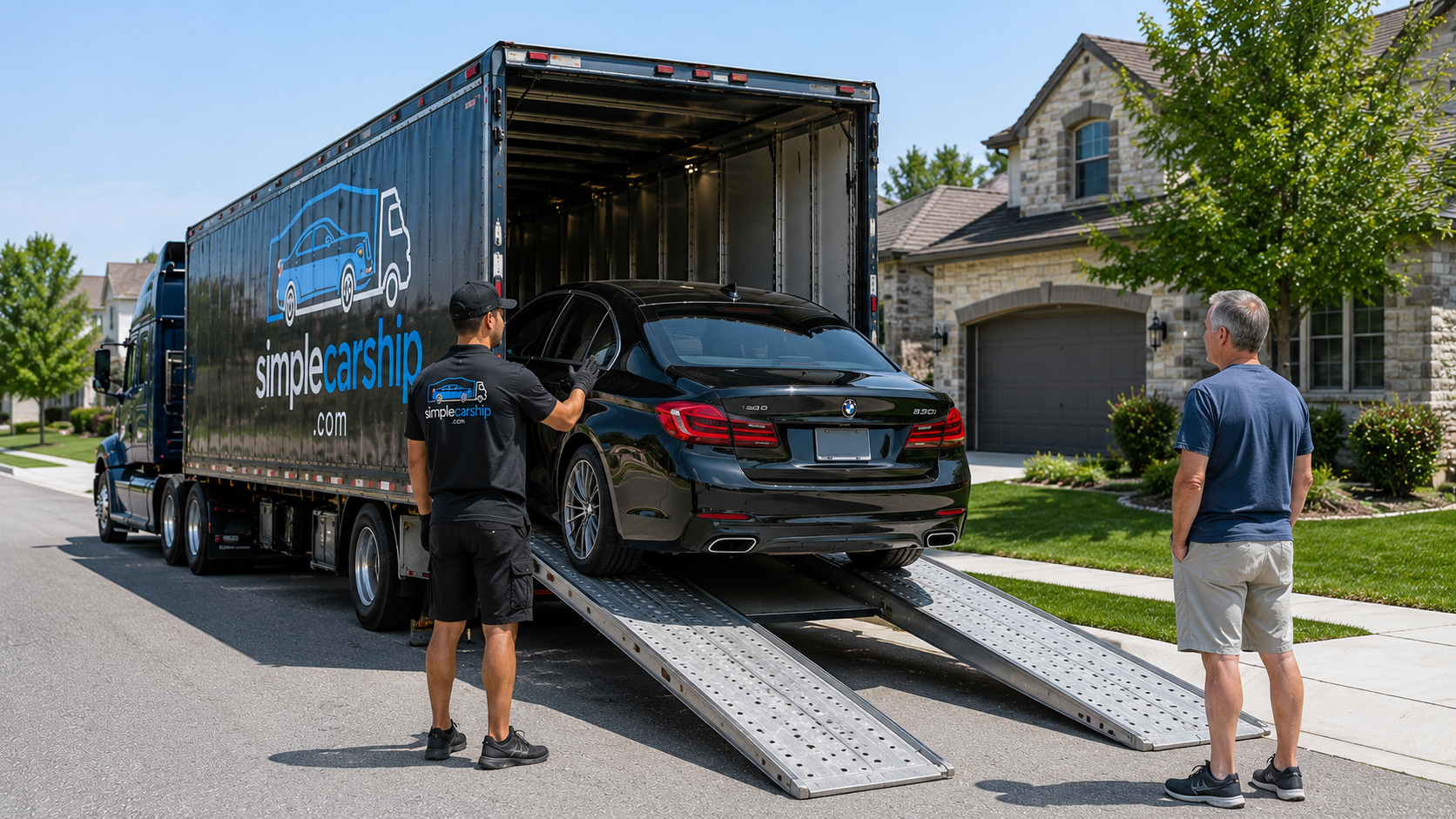
Open vs Enclosed Transport: Which Makes Sense for Washington to North Carolina
Most cars traveling this route go open. It’s reliable, cost-effective, and the same method dealerships use to move inventory cross-country. Your vehicle is fully insured during transit, and carriers secure it with wheel straps and soft ties. Open trailers do expose your car to weather—rain, dust, road spray—but modern vehicles are built to handle it, and a post-delivery wash takes care of cosmetic residue. For daily drivers, commuter cars, and recent-model sedans or SUVs, open transport is the practical choice and saves you over a thousand dollars compared to enclosed.
Enclosed makes sense when the vehicle justifies the premium. If you’re moving a restored classic, a luxury European sedan, a low-clearance sports car, or anything with custom paint, the hard-sided trailer is worth it. Enclosed carriers also shield your car from road salt and grime in winter and from stone chips on high-traffic interstates. The service includes white-glove handling: smaller loads, experienced drivers, and climate-controlled trailers on some carriers. For a collector car or high-value lease return, the $2,820–$3,430 enclosed range is affordable peace of mind over 2,800 miles.
| Feature | Open Transport | Enclosed Transport |
|---|---|---|
| Price (WA–NC) | $1,760–$2,145 | $2,820–$3,430 |
| Transit Time | 5–7 days | 5–7 days |
| Protection | Insured; weather exposure | Hard-sided; full enclosure |
| Best For | Daily drivers, standard vehicles | Classics, luxury, high-value cars |
How the Washington to North Carolina Route Works
This shipment crosses seven states and three time zones, threading through the northern tier or central corridor depending on carrier routing. Most trucks run I-90 east through Idaho and Montana, then pick up I-94 or drop south through Wyoming and Nebraska to I-80, eventually connecting to I-70 or I-40 eastbound. The route passes through the Rockies, the Great Plains, and the Appalachian foothills before delivery in North Carolina’s Piedmont region. Carriers know the route well—it’s a high-volume lane—and dispatch is typically quick from Seattle-Tacoma, one of the West Coast’s busiest freight origins.
Transit time is 5 to 7 days dock-to-dock. That window accounts for required driver rest breaks (DOT limits truckers to 11 hours of drive time per 14-hour shift), fueling stops, and the possibility of weather delays crossing mountain passes in winter or thunderstorms on the Plains. Your car won’t sit idle for days—the truck is moving—but cross-country logistics are measured in highway hours, not air miles. Once your carrier is assigned, you’ll get a phone call with a pickup window (usually a 24-hour span) and another call a day out from delivery in Charlotte, Raleigh, or your specified North Carolina address.
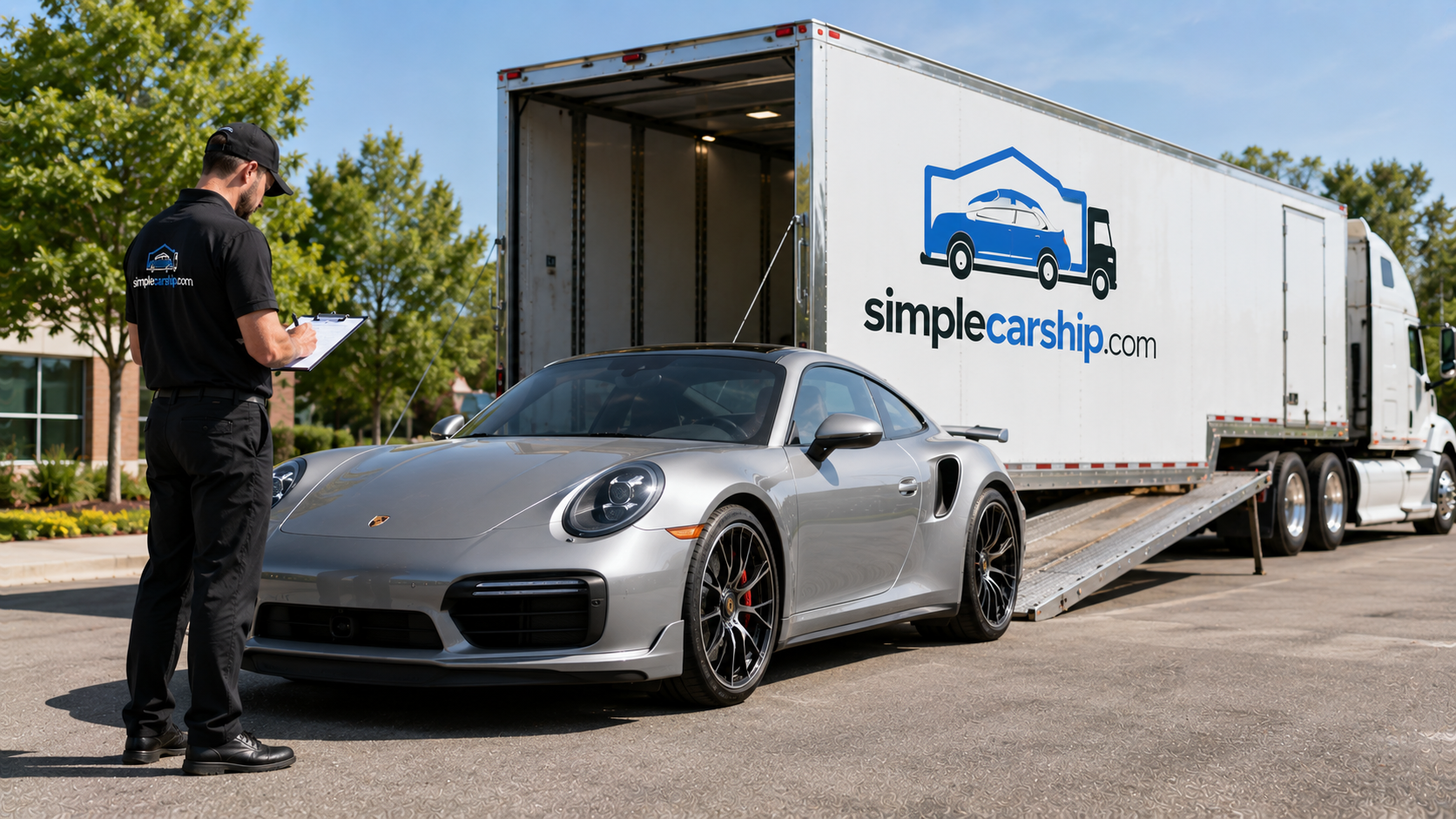
Pickup in Washington, Delivery in North Carolina
Seattle and Tacoma dominate Washington pickup volume. Both metros sit on I-5, the West Coast’s main north–south artery, and connect directly to I-90 eastbound. Carriers run these areas daily, so scheduling is flexible and pickup fees are standard. If you’re in Spokane, Bellingham, or Olympia, carriers can usually accommodate with minimal repositioning cost—Spokane is right on I-90, and the others are within an hour of the main corridor. For more remote locations in the Cascades or Olympic Peninsula, expect a small drive-out fee and potentially an extra day for scheduling.
On the North Carolina end, Charlotte and Raleigh anchor delivery. Charlotte is the state’s largest metro and a major crossroads for I-85 and I-77; Raleigh sits at the intersection of I-40 and I-95. Both cities see constant carrier traffic, so final-mile delivery is straightforward and usually happens within the quoted window. If your destination is Greensboro, Durham, Wilmington, or Asheville, carriers handle those routes regularly as well. Rural mountain towns in the western part of the state may require a meet-point—your driver will coordinate a nearby truck-accessible location, often a shopping center or rest area, for handoff. Door-to-door service is standard where the truck can physically access your address; otherwise, your driver will work out the details in advance.
How Simple Car Ship Handles This Route
Ship your car the simple way. You submit one quote request with your vehicle details and preferred dates; we come back with a clear, all-in price—no hidden fees, no bait-and-switch. Once you book, a real person (not a ticket number) walks you through inspection, pickup scheduling, and delivery coordination. We work with hand-selected carriers who run the Washington–North Carolina lane regularly, all of them fully insured and DOT-compliant. Your shipment isn’t a load number bouncing through a broker queue; it’s a single cross-country move with a driver who knows the route and a support team you can call or text if anything changes.
Clear quotes. Real communication. No guesswork, no runaround. We’ll tell you if your pickup date is tight, if weather might add a day, or if your delivery address requires a meet-point—before you book, not after. You get a dedicated portal with live tracking, carrier contact info, and milestone updates. When your car arrives in North Carolina, you’ll do a walk-around inspection with the driver, note the condition (same as when it left Washington), sign the bill of lading, and you’re done. If you’re ready for a quote, the form takes two minutes and you’ll hear back from a human within the hour during business days.
Frequently Asked Questions: Washington to North Carolina Auto Transport
How much does it cost to ship a car from Washington to North Carolina?
Open transport typically runs $1,760–$2,145 for the 2,823-mile route, while enclosed carriers cost $2,820–$3,430. Prices vary with vehicle size, trailer type, and pickup/delivery locations. Seattle and Tacoma to Charlotte or Raleigh are high-traffic lanes, so base rates stay competitive year-round.
How long does it take to ship a car from WA to NC?
Transit time is 5–7 days from pickup to delivery. Carriers cross the Rockies, Great Plains, and Appalachians, logging roughly 500–600 highway miles per day under DOT hours-of-service rules. Weather or routing adjustments can add a day, but most shipments deliver within the window.
Is my car insured during the 2,800-mile trip?
Yes. Every licensed carrier holds cargo insurance that covers your vehicle in transit, typically $100,000–$250,000 per load for open transport and higher limits for enclosed. You’ll receive the carrier’s insurance certificate and policy details before pickup. Damage is rare, but any issues are documented at delivery and filed immediately.
Can I ship personal items inside my car?
Carriers allow up to 100 pounds in the trunk or rear cargo area, kept below window level. Items must be secured and not visible—loose belongings shift during transit and aren’t covered by cargo insurance. Do not pack valuables, documents, or anything irreplaceable. Most drivers will refuse overloaded vehicles at pickup.
What’s the difference between standard and expedited service on this route?
Standard service costs $1,760–$2,145 open and delivers in 5–7 days with flexible pickup scheduling. Expedited service runs approximately $2,873 and guarantees pickup within 48 hours, prioritizing your car on the next available truck. Delivery time remains similar—trucks can’t legally drive faster—but dispatch is immediate.