Washington to Georgia: live carrier pricing
| Open transport (most vehicles) | $1,930 – $2,350 |
| Enclosed transport | $3,085 – $3,755 |
| Lane distance | 2,643 miles |
| Typical transit | 4–6 days |
Quoted from our carrier network on September 29, 2026 for a standard operable car, door to door.
Auto transport is a live market, so your exact price depends on vehicle size, timing and current truck availability on this lane.
How Much Does It Cost to Ship a Car from Washington to Georgia?
Shipping a car across the 2,643 miles from Washington to Georgia typically costs between $1,650 and $2,010 for open transport, or $2,645 to $3,220 for enclosed protection. The final price depends on your vehicle size, the exact pickup and delivery locations, current fuel costs, and how quickly you need it delivered. Unlike most brokers who bury the numbers, we’ll walk you through exactly what moves the price and what you’ll actually pay.
Get your instant car shipping price
Real quote in seconds. Enter your details and we’ll show your price instantly.
No spam — we only use this to send your quote and confirm your booking.
What You’ll Pay to Ship from Washington to Georgia
Open transport—where your car rides on the same multi-level carriers you see on highways—runs $1,650 to $2,010 for this cross-country route. That’s the choice for about 85% of shipments, and it’s perfectly safe for daily drivers, commuter vehicles, and most sedans or SUVs. Enclosed transport, which wraps your car in a covered trailer away from weather and road debris, costs $2,645 to $3,220. That premium buys peace of mind for luxury vehicles, classics, or anything you’d rather not expose to 2,600+ miles of open-air travel.
Price isn’t random. Larger vehicles—think three-row SUVs or trucks—cost more because they occupy premium deck space. Remote pickups outside Seattle or Tacoma, or deliveries beyond metro Atlanta and Savannah, add mileage and difficulty. Fuel surcharges shift with diesel prices, and seasonal demand (summer moving season, winter snowbird traffic) tightens carrier availability. If you need guaranteed pickup within 24–48 hours, expedited service runs around $2,694 for open transport, roughly 34% above standard rates. Rush fees buy priority dispatch, not faster trucks—the 2,643-mile journey still takes four to six days.
Open vs. Enclosed Transport for the Washington–Georgia Route
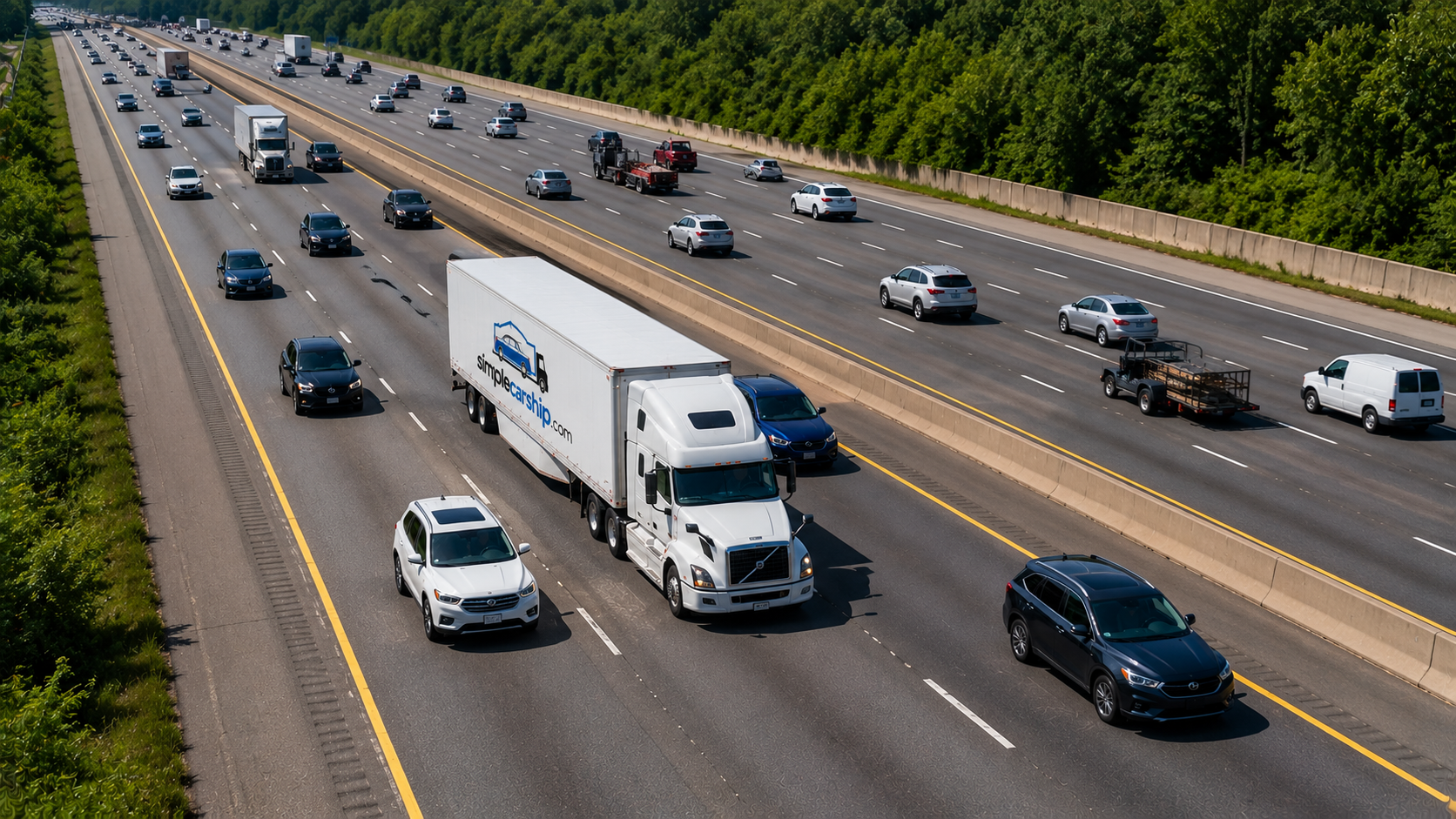
Most Washington-to-Georgia shipments travel open. The route is heavily trafficked by commercial carriers running I-90 to I-84, then south through Utah, Denver, and across to I-20 into Georgia. Your car shares the trailer with five to nine others, exposed to weather but secured with wheel straps and regular driver inspections. It’s the same method dealerships use to move inventory coast to coast. Rain, dust, and wind are part of the deal, but damage rates sit below 1% industry-wide when you use vetted carriers.
Enclosed makes sense for high-value or irreplaceable vehicles. If you’re relocating a Tesla Model S, a restored Mustang, or anything worth north of $60,000, the $1,000–$1,200 premium eliminates rock chips, bird strikes, and road salt exposure. Enclosed trailers carry two to four cars max, with soft ties and climate monitoring. Capacity is tighter—fewer trucks run enclosed routes—so book a week ahead if your timeline allows. For a 2015 Toyota Camry or Honda CR-V, open transport is the rational choice and exactly what we’d recommend.
| Feature | Open Transport | Enclosed Transport |
|---|---|---|
| Price (WA–GA) | $1,650–$2,010 | $2,645–$3,220 |
| Transit Time | 4–6 days | 4–6 days |
| Protection | Weather-exposed, secure tie-downs | Fully enclosed, climate-shielded |
| Best For | Daily drivers, sedans, standard SUVs | Luxury, classic, exotic, or high-value vehicles |
How Washington-to-Georgia Car Shipping Works
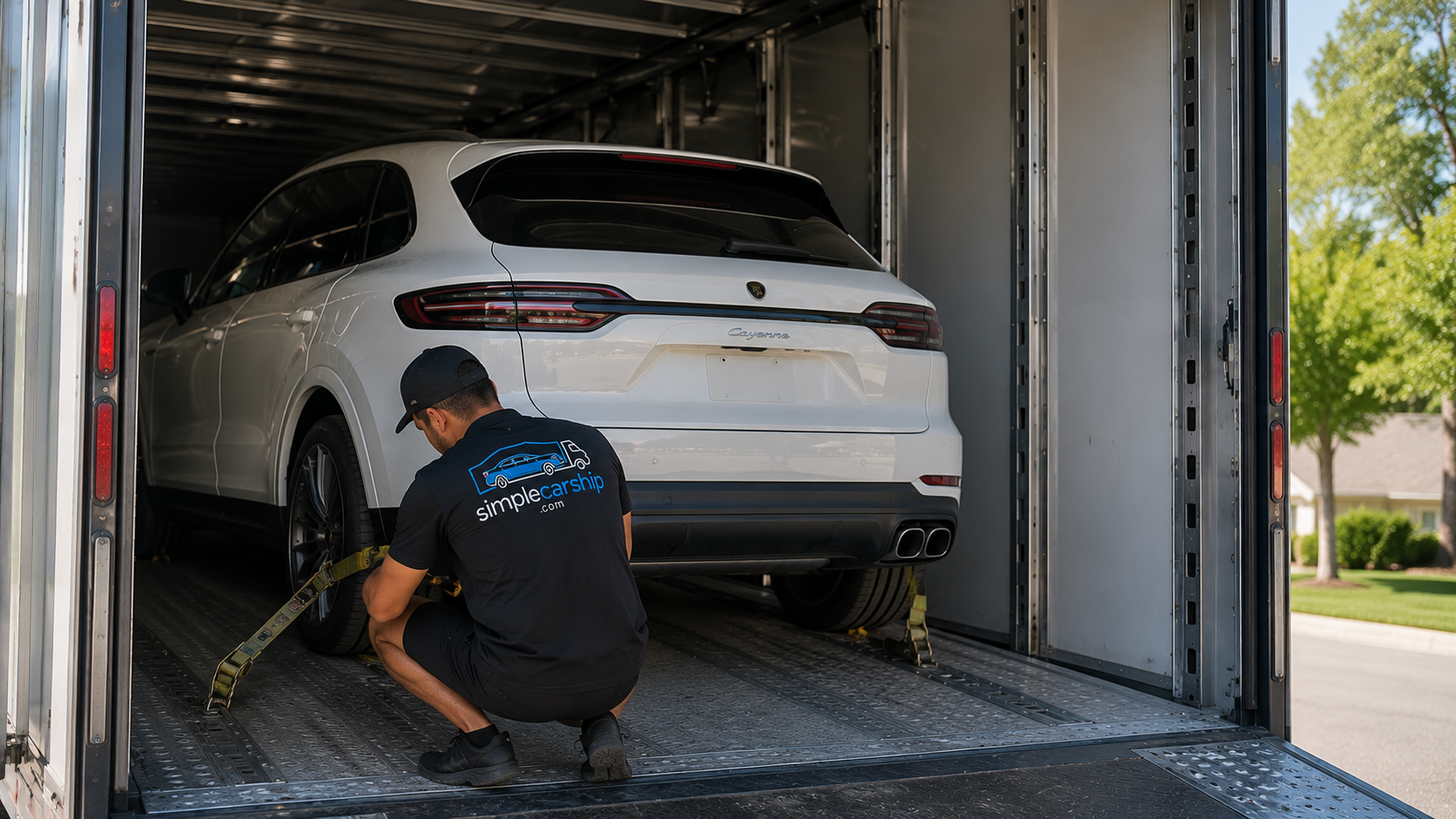
Once you request a quote and approve the price, we assign a driver and send you the carrier’s name, truck number, DOT credentials, and insurance certificate—usually within 12 to 72 hours depending on your flexibility. Pickup happens in Seattle, Tacoma, or surrounding areas; the driver calls an hour out, inspects your car with you, notes existing scratches or dents on a condition report (you both sign it), then loads and secures the vehicle. You hand over one set of keys, keep the other set and a copy of the report.
The truck rolls east on I-90 through Spokane, dips southeast across Idaho and into Utah, picks up I-80 or I-84 depending on load configuration, then angles south through Denver or across to I-70, eventually connecting to I-20 for the run into Georgia. Total distance is 2,643 miles; transit takes four to six days under normal conditions. Drivers stop every 400–500 miles for fuel, federally mandated rest breaks, and quick inspections. You’ll get a call 24 hours before delivery to confirm the drop-off window in Atlanta, Savannah, or your destination metro. Final inspection, signature, pay the driver any COD balance, and you’re done.
Pickup and Delivery Logistics Across Two Coasts
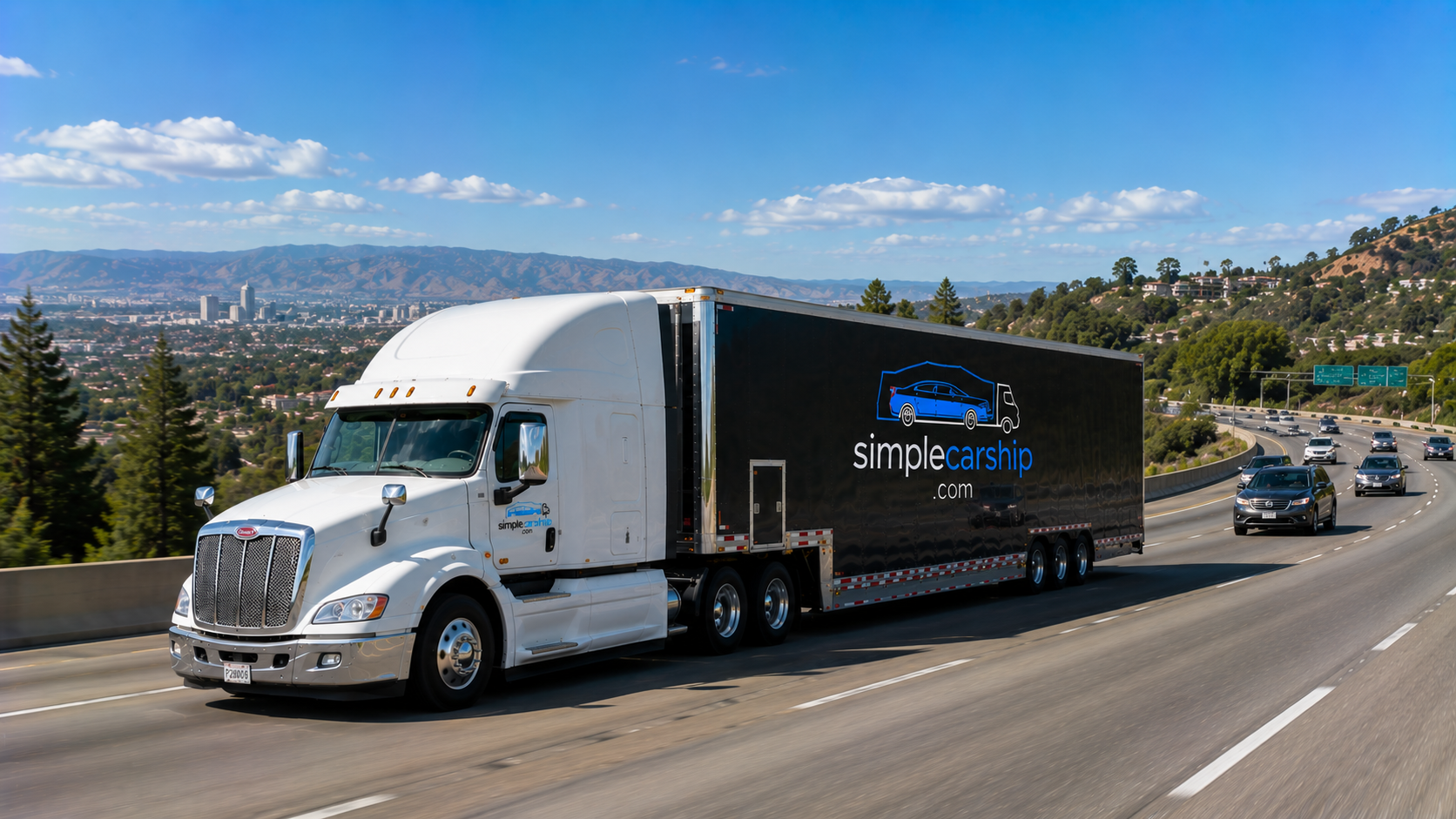
Seattle and Tacoma anchor Washington pickup volume, sitting on I-5 and I-90—the two main commercial corridors. Carriers run these routes daily, so dispatch is fast and competitive pricing follows. If you’re in Spokane, Bellingham, or Olympia, expect an extra $75–$150 for the repositioning leg; rural Olympic Peninsula or San Juan Islands require a meet-point near a highway, since 75-foot car carriers don’t navigate narrow island roads.
On the Georgia end, Atlanta dominates delivery traffic—I-85, I-75, and I-20 converge there, making it a natural hub. Savannah pulls coastal volume, especially for customers continuing south to Florida. Carriers will deliver to suburban driveways and business parks if the street allows a semi turn radius; downtown high-rises or gated communities with low clearance often require a nearby meet-point (shopping center, park-and-ride). Door-to-door means as close as a 75-foot truck can legally and safely reach, not valet curbside drop. Confirm access details when you book to avoid surprise fees or re-routing delays.
Why Simple Car Ship for a 2,600-Mile Haul
Your shipment isn’t a load number. We assign one logistics coordinator who books your carrier, tracks the truck, and answers calls without transferring you to three departments. You’ll get the driver’s direct contact info before pickup—no middleman runaround when you want an ETA update. We vet every carrier for active FMCSA authority, current $750,000+ cargo insurance, and customer feedback scores; we don’t dispatch to the cheapest bid if the track record is sketchy.
Clear quotes, real communication, no guesswork. The price we quote is the price you pay unless you change pickup dates or add oversized-vehicle specs we didn’t know about. No bait-and-switch deposit schemes, no “market adjustment” calls after you commit. We’ve routed hundreds of Washington–Georgia shipments; we know the fuel stops, the weather delays in Wyoming winter, the tight delivery windows in Atlanta metro traffic. Ship your car the simple way: honest pricing, human support, and carriers who treat your vehicle like it matters—because to you, it does.
Ready to get a firm quote with real numbers? Request your free estimate now—we’ll show you exact pricing for your vehicle, your dates, and your pickup and delivery cities, usually within an hour.
Frequently Asked Questions: Shipping a Car from Washington to Georgia
How long does it take to ship a car from Washington to Georgia?
Transit takes four to six days for the 2,643-mile journey. Drivers cover roughly 450–550 miles per day, pausing for federally mandated rest breaks and fuel stops. Weather delays in mountain passes or unexpected road closures can add a day, so plan a cushion if you have a hard deadline.
Is my car insured during the Washington-to-Georgia trip?
Yes. Every carrier we dispatch holds at least $750,000 in cargo liability coverage, and you’ll receive a copy of the certificate before pickup. This covers damage caused by driver negligence or accidents during transit. Your personal auto policy remains secondary; check your own coverage for any deductible gaps or exclusions.
Can I put personal items in the car when shipping from Washington to Georgia?
Most carriers allow up to 100 pounds in the trunk, below window level, since cargo insurance doesn’t cover personal belongings. Keep valuables, electronics, and documents with you. Overloading the vehicle changes weight distribution and can void insurance or trigger surcharges; drivers will inspect before loading and may refuse excess items.
What’s the cheapest time of year to ship a car from Washington to Georgia?
Late fall and early spring see the softest demand and lowest prices on this route. Summer moving season (June–August) and winter snowbird migration (November–January) tighten carrier capacity, pushing rates up 10–20 percent. Booking two weeks ahead during off-peak months often saves $100–$200 compared to last-minute summer requests.
Do I need to be present for pickup and delivery?
Yes, or an authorized adult over 18 with your written permission. You’ll sign the condition report at pickup in Washington and again at delivery in Georgia, verifying the car’s state before and after transit. This signature process protects both you and the carrier; without it, damage claims become nearly impossible to adjudicate.