
Texas to Louisiana: live carrier pricing
| Open transport (most vehicles) | $545 – $665 |
| Enclosed transport | $875 – $1,065 |
| Lane distance | 344 miles |
| Typical transit | 1–3 days |
Quoted from our carrier network on September 29, 2026 for a standard operable car, door to door.
Auto transport is a live market, so your exact price depends on vehicle size, timing and current truck availability on this lane.
How Much Does It Cost to Ship a Car from Texas to Louisiana?
Shipping a car from Texas to Louisiana typically costs between $555 and $680 for open transport, or $890 to $1,085 for enclosed carriers. The price you’ll pay depends on your exact pickup and delivery cities, the size and condition of your vehicle, and how quickly you need it moved. At 344 miles, this is one of the shorter interstate routes in the South—but short doesn’t always mean cheap when carrier availability and metro density come into play.
Ship your car the simple way. Clear quotes. Real communication. No guesswork, no runaround.
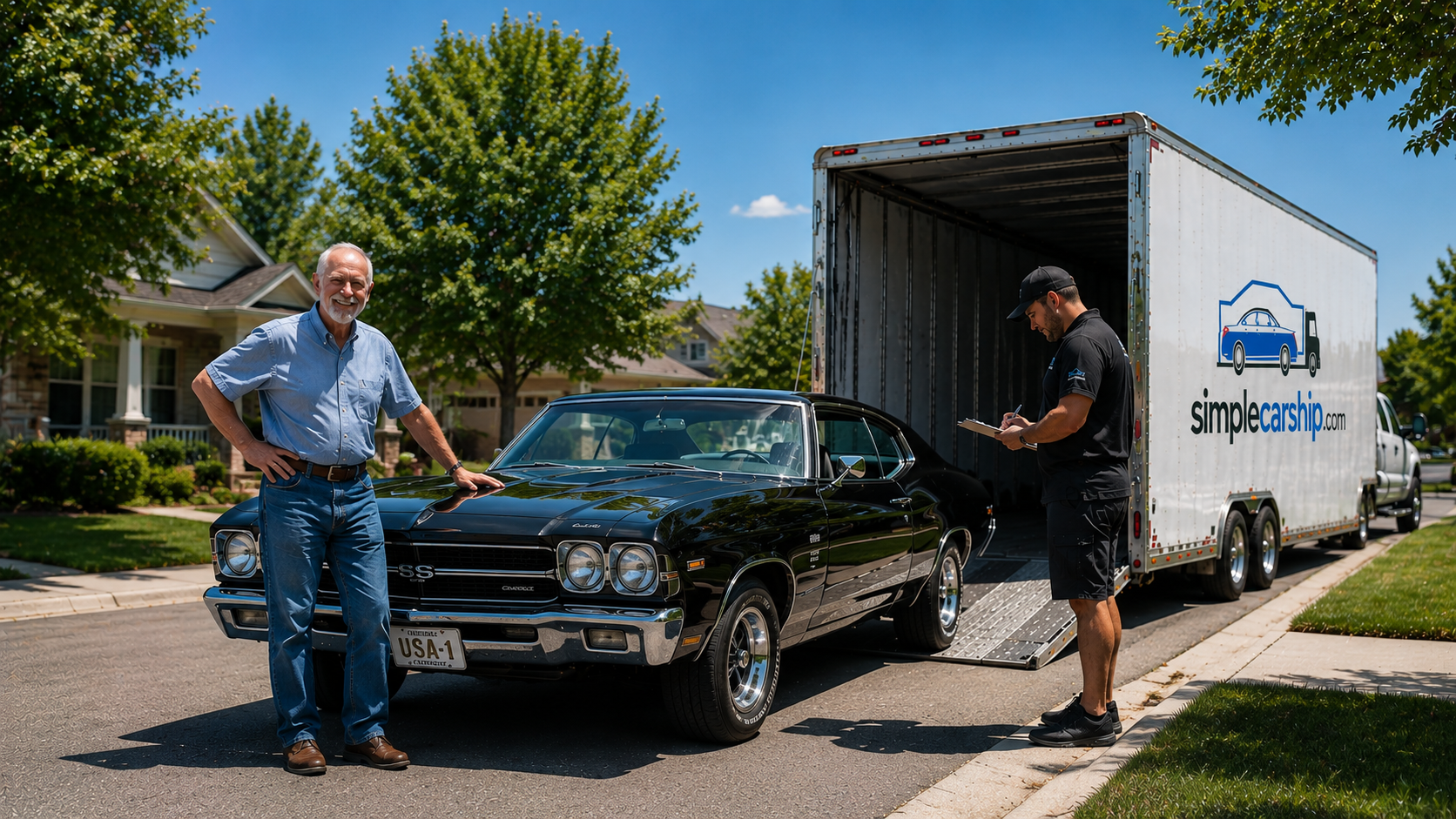
Get your instant car shipping price
Real quote in seconds — no spam, no runaround.
What Moves the Price on the Texas–Louisiana Route
Distance is only part of the equation. Because this route connects major metros like Houston, Dallas, and Austin to New Orleans, Baton Rouge, and Shreveport, carrier availability is strong—but urban pickup and delivery fees can add $50 to $150 depending on where your car sits. A sedan picked up in suburban San Antonio and delivered to downtown New Orleans will usually land at the lower end of the range; a lifted truck collected from rural East Texas and dropped in Metairie will cost more. Vehicle size, weight, and whether it runs all shift the final number.
Timing matters, too. If you need your car moved within 48 hours, expect to pay the express rate—around $908 for expedited open transport. Standard scheduling, where you give the carrier a three-to-five-day pickup window, keeps costs in the baseline range. Enclosed transport doubles the floor price because you’re reserving space in a much smaller trailer and paying for full weather and road-debris protection across those 344 miles.
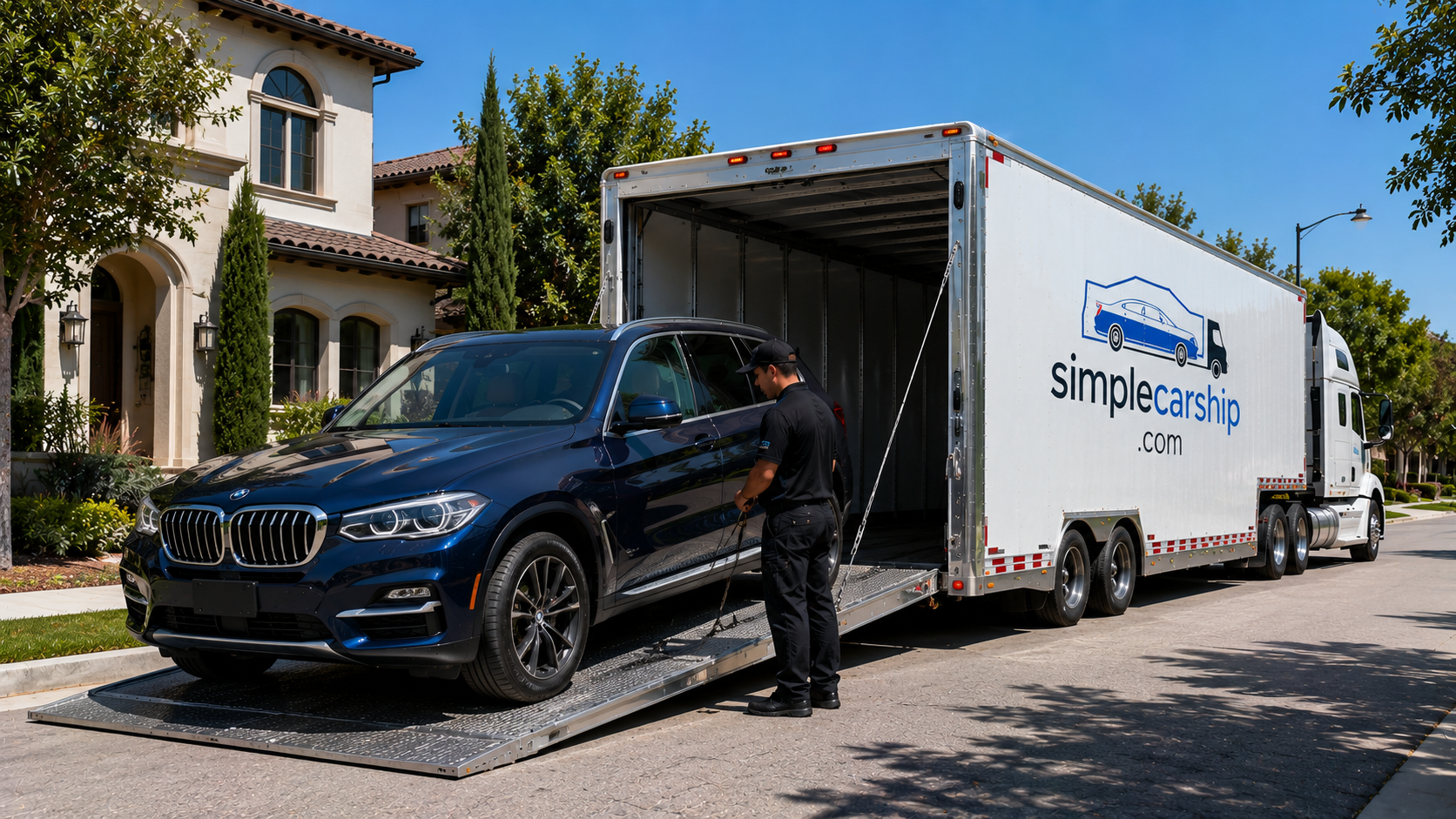
Open vs. Enclosed: Which Makes Sense for a 344-Mile Haul
Most everyday vehicles—commuter sedans, SUVs, work trucks—move open. The trailers are everywhere, transit is fast (one to three days), and the $555–$680 range fits the budget for a short interstate move. Your car rides exposed to weather, but on a route this brief the risk is minimal. Open carriers handle the overwhelming majority of Texas-to-Louisiana shipments, and delays are rare when both states share I-10 and I-20 corridors with heavy commercial traffic.
Enclosed makes sense when the vehicle’s value or condition justifies the premium. Classic cars, European sports cars, recently restored trucks, or anything with custom paint should ride in a hard-sided or soft-sided enclosed trailer. You’ll pay $890 to $1,085, but the car arrives exactly as it left—no road salt, no tire spray, no unexpected chips. Collectors moving vehicles between Houston and New Orleans or Dallas and Baton Rouge consistently choose enclosed, even on short routes, because the replacement cost of cosmetic damage far exceeds the transport upcharge.
| Feature | Open Transport | Enclosed Transport |
|---|---|---|
| Price (TX–LA) | $555–$680 | $890–$1,085 |
| Transit Time | 1–3 days | 1–3 days |
| Protection | Standard (weather exposed) | Full enclosure, climate controlled available |
| Best For | Daily drivers, SUVs, trucks | Classics, luxury, high-value vehicles |
How the Texas-to-Louisiana Route Actually Works
Your car is collected from your driveway, office, or a nearby truck-stop staging area in one of the major Texas metros—Houston, Dallas, Austin, or San Antonio—and delivered to New Orleans, Baton Rouge, Shreveport, or another Louisiana city. The carrier calls 24 hours before pickup to confirm the window, performs a joint walk-around inspection with you, then loads the vehicle. Transit time averages one to three days for the 344-mile run, often completing overnight if the carrier is running a dedicated Gulf Coast loop.
Because both states sit on the I-10 and I-20 freight corridors, carriers move between them constantly. That means you’re not waiting a week for a truck to fill; most shipments dispatch within two to four days of booking. Delivery works the same way—advance notice, inspection, sign-off. If you’re moving between less-common city pairs (say, Beaumont to Lafayette), expect an extra day and possibly a slight price bump, but the process stays identical.
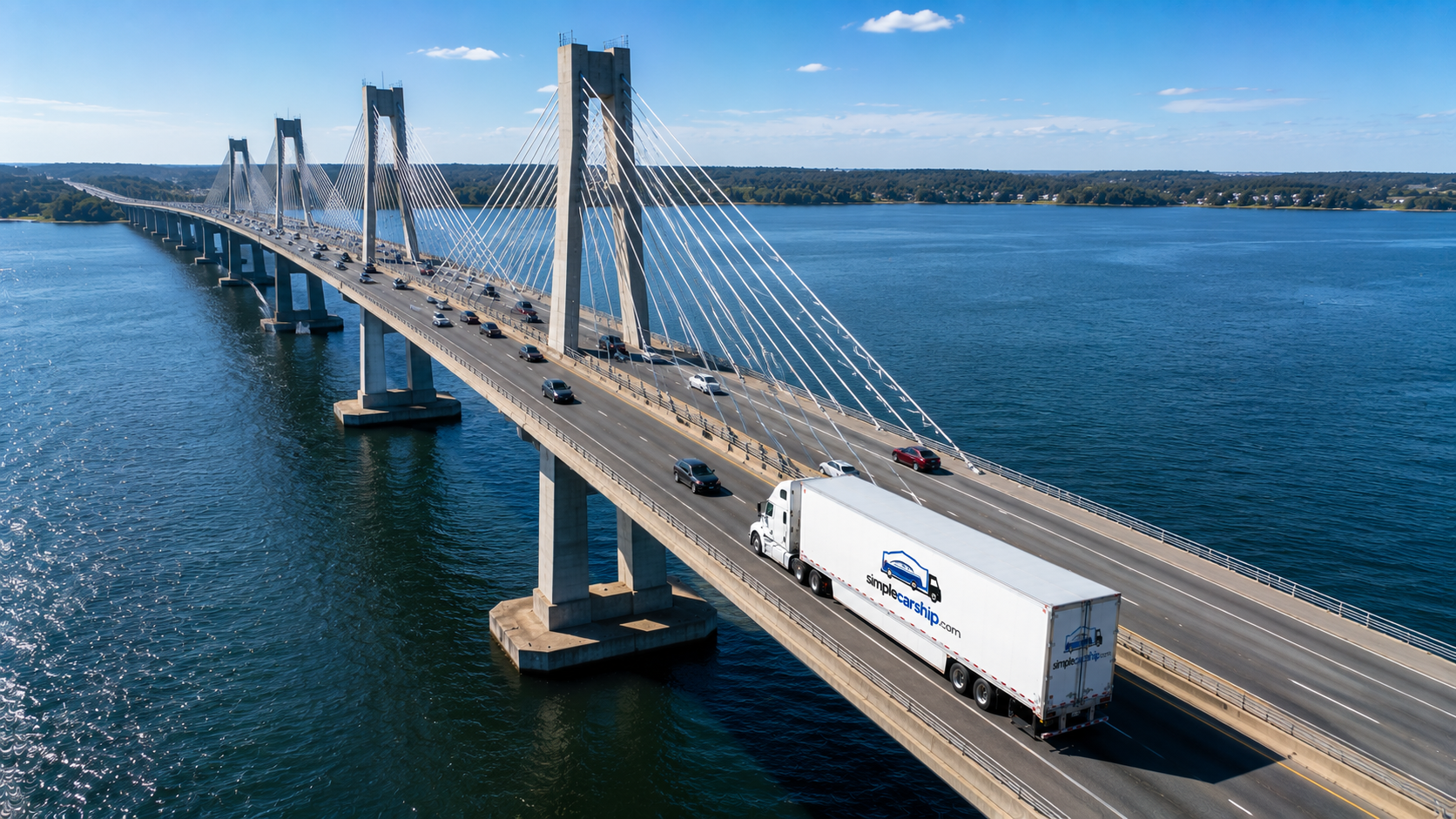
Pickup and Delivery Across Texas and Louisiana
In Texas, the four major metros—Houston, Dallas, Austin, San Antonio—account for the vast majority of pickups. Carriers service these cities daily, and terminal-to-terminal options exist if door-to-door isn’t feasible. Smaller cities like Beaumont, Tyler, or Corpus Christi are reachable but may add $50–$75 and an extra day. If your vehicle is in rural West Texas, you’ll likely need to meet the carrier at the nearest Interstate exchange or pay a rural-access fee.
Louisiana delivery centers on New Orleans, Baton Rouge, and Shreveport. New Orleans sees the highest volume due to port traffic and tourism, so scheduling is flexible. Baton Rouge and Shreveport are equally accessible via I-10 and I-20. Smaller towns—Lake Charles, Monroe, Houma—are on-network but may require the carrier to coordinate with a local driver for final delivery. Always confirm your exact address during booking; “greater New Orleans” can mean anything from the French Quarter to Slidell, and access rules vary.
How Simple Car Ship Handles This Route
Your shipment isn’t a load number. When you book Texas to Louisiana with us, you get a dedicated coordinator who knows the route, knows which carriers run it cleanly, and who calls you with updates—not canned email templates. We hand-select insured, verified carriers who specialize in Gulf Coast runs, and we negotiate the rate before you pay a dollar. You see the full price, the pickup window, and the driver’s contact information up front.
Real human support means when the carrier is thirty minutes out, or when weather delays I-10 and your delivery shifts by four hours, you hear it from us first. We’ve moved thousands of vehicles on this corridor—sedans for Louisiana State students returning home to Houston, classic cars heading to Baton Rouge restoration shops, work trucks for oilfield crews relocating between San Antonio and Shreveport. We know the route’s quirks, and we know how to keep your vehicle on schedule without the runaround.
Ready to move your car? Get a clear, honest quote in two minutes. No sales calls, no pressure, no fine print.
Frequently Asked Questions: Texas to Louisiana Car Shipping
- How long does it take to ship a car from Texas to Louisiana?
- Transit takes one to three days for the 344-mile route. Most shipments on the Houston–New Orleans or Dallas–Baton Rouge corridors complete within 24 to 48 hours because carriers run these Interstate loops continuously. Pickup typically happens within two to four days of booking, so total door-to-door time averages four to seven days under standard scheduling.
- Can I put personal items in the car during transport?
- Carriers allow up to 100 pounds of personal belongings in the trunk or rear cargo area, below the window line, at no extra charge. Items must be secured and not visible from outside. Anything beyond 100 pounds may incur a fee or be rejected at pickup. Carriers’ insurance does not cover personal belongings—only the vehicle itself—so don’t pack valuables or irreplaceable items.
- Why does enclosed transport cost $300–$400 more for such a short route?
- Enclosed trailers carry four to six vehicles instead of the eight to ten on an open carrier, so the per-unit cost is higher even on short hauls. You’re paying for dedicated space, full protection from weather and road debris, and often white-glove handling. For a 344-mile route, the premium reflects scarcity and specialization, not distance—enclosed capacity between Texas and Louisiana is limited compared to open.
- What if my pickup city in Texas or delivery city in Louisiana isn’t listed?
- Carriers service the entire I-10, I-20, I-45, and I-30 corridors, so most Texas and Louisiana cities are reachable. Smaller or rural locations may add $50 to $100 and extend transit by one day. During booking, provide your exact ZIP code; the coordinator will confirm whether door-to-door service is available or if you’ll meet the carrier at a nearby truck stop or Interstate exchange.
- Is insurance included in the $555–$1,085 price range?
- Yes. Every carrier we work with carries minimum $750,000 cargo insurance as required by federal law, and that coverage is active from pickup to delivery at no separate charge. The policy covers vehicle damage caused by carrier negligence, accident, or loading errors. You will sign a condition report at both pickup and delivery; file any claims within 24 hours of final inspection for fastest processing.