Pennsylvania to Virginia: live carrier pricing
| Open transport (most vehicles) | $590 – $715 |
| Enclosed transport | $940 – $1,145 |
| Lane distance | 246 miles |
| Typical transit | 1–3 days |
Quoted from our carrier network on September 29, 2026 for a standard operable car, door to door.
Auto transport is a live market, so your exact price depends on vehicle size, timing and current truck availability on this lane.
How Much Does It Cost to Ship a Car from Pennsylvania to Virginia?
Shipping a car from Pennsylvania to Virginia typically costs between $590 and $715 for open transport, or $940 to $1,145 for enclosed carriers. The 246-mile route connecting major metros like Philadelphia and Pittsburgh to Richmond and Virginia Beach is one of the shorter interstate runs on the East Coast, which keeps pricing competitive. What you’ll actually pay depends on your vehicle type, the specific pickup and delivery addresses, current carrier availability, and whether you choose standard or expedited service.
Because this is a well-traveled corridor with steady demand, carriers move between Pennsylvania and Virginia regularly, making scheduling straightforward and transit times quick—usually one to three days door-to-door.
Get your instant car shipping price
Real quote in seconds. Enter your details and we’ll show your price instantly.
No spam — we only use this to send your quote and confirm your booking.
What Moves the Price on This Route
The baseline cost reflects a standard sedan shipped open on a multi-car carrier between accessible metro areas. Several factors push the price up or down. Larger vehicles—trucks, SUVs, or anything with significant ground clearance—take up more carrier space and add $80 to $150 to the quote. If your pickup or delivery point is rural or outside the Philadelphia-Pittsburgh-Richmond-Virginia Beach network, carriers may charge a repositioning fee, typically $50 to $100 per leg, to cover the detour off their primary lanes.
Timing matters, too. If you need guaranteed pickup within 24 to 48 hours, expedited service runs around $959 for open transport—a worthwhile premium when you’re coordinating a lease return, a job relocation, or a sale closing date. Seasonal swings are minimal on this route; it’s not a snowbird corridor, so you won’t see the dramatic winter price spikes common on Florida or Arizona runs. Enclosed transport commands a premium because the carrier hauls fewer vehicles per load and offers full protection from weather and road debris—essential for high-value, classic, or freshly detailed cars.
Open vs. Enclosed Transport for Pennsylvania to Virginia
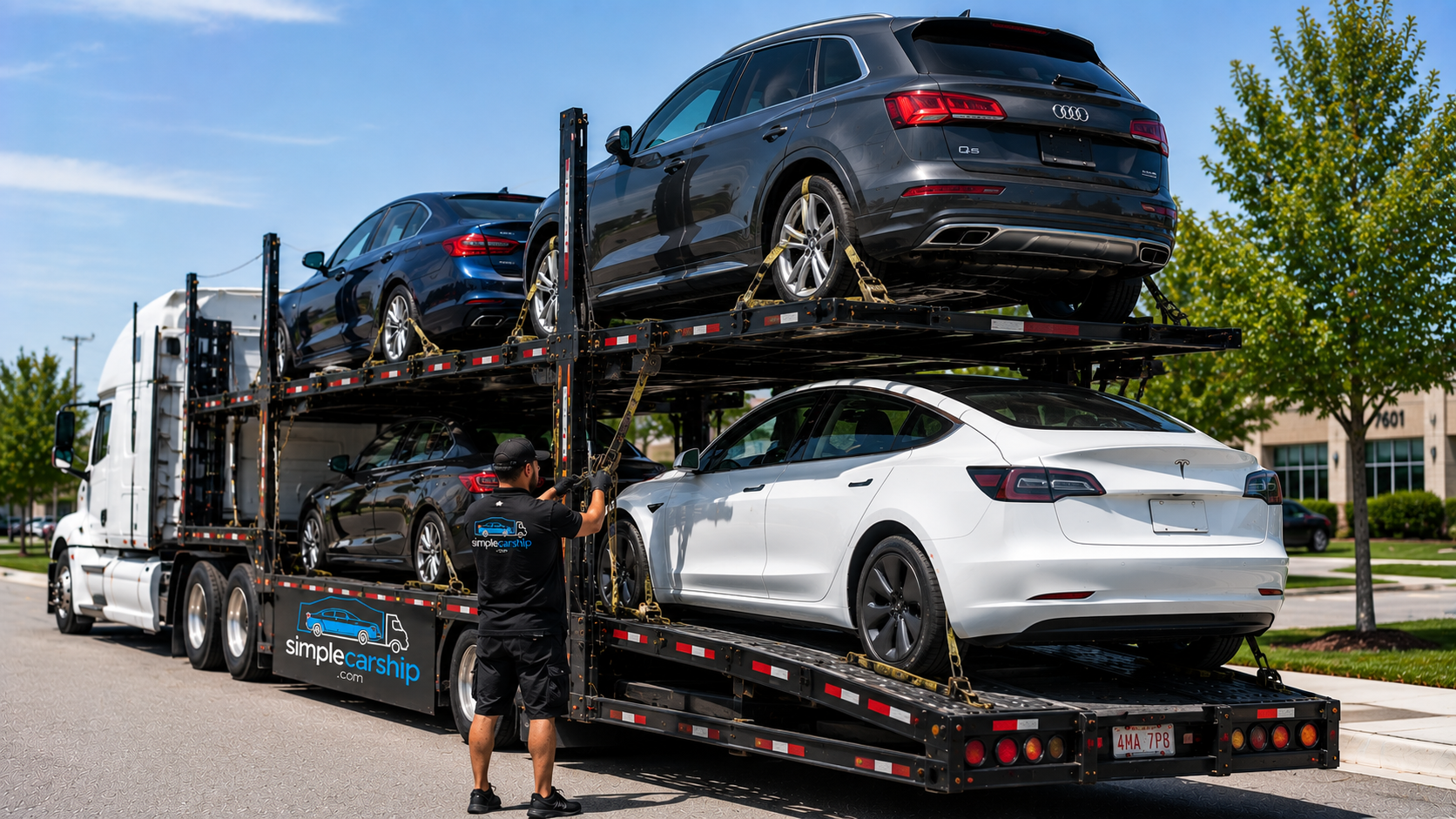
Open auto transport is the industry workhorse: your car rides on a multi-level carrier alongside five to nine other vehicles, exposed to the elements but securely strapped and insured. For the 246 miles between Pennsylvania and Virginia, open is the default choice—it’s reliable, affordable, and perfectly safe for daily drivers, commuter cars, and family SUVs. The $590–$715 range reflects strong carrier competition and high lane density, meaning you’ll often see multiple dispatch options within a day or two of your requested pickup window.
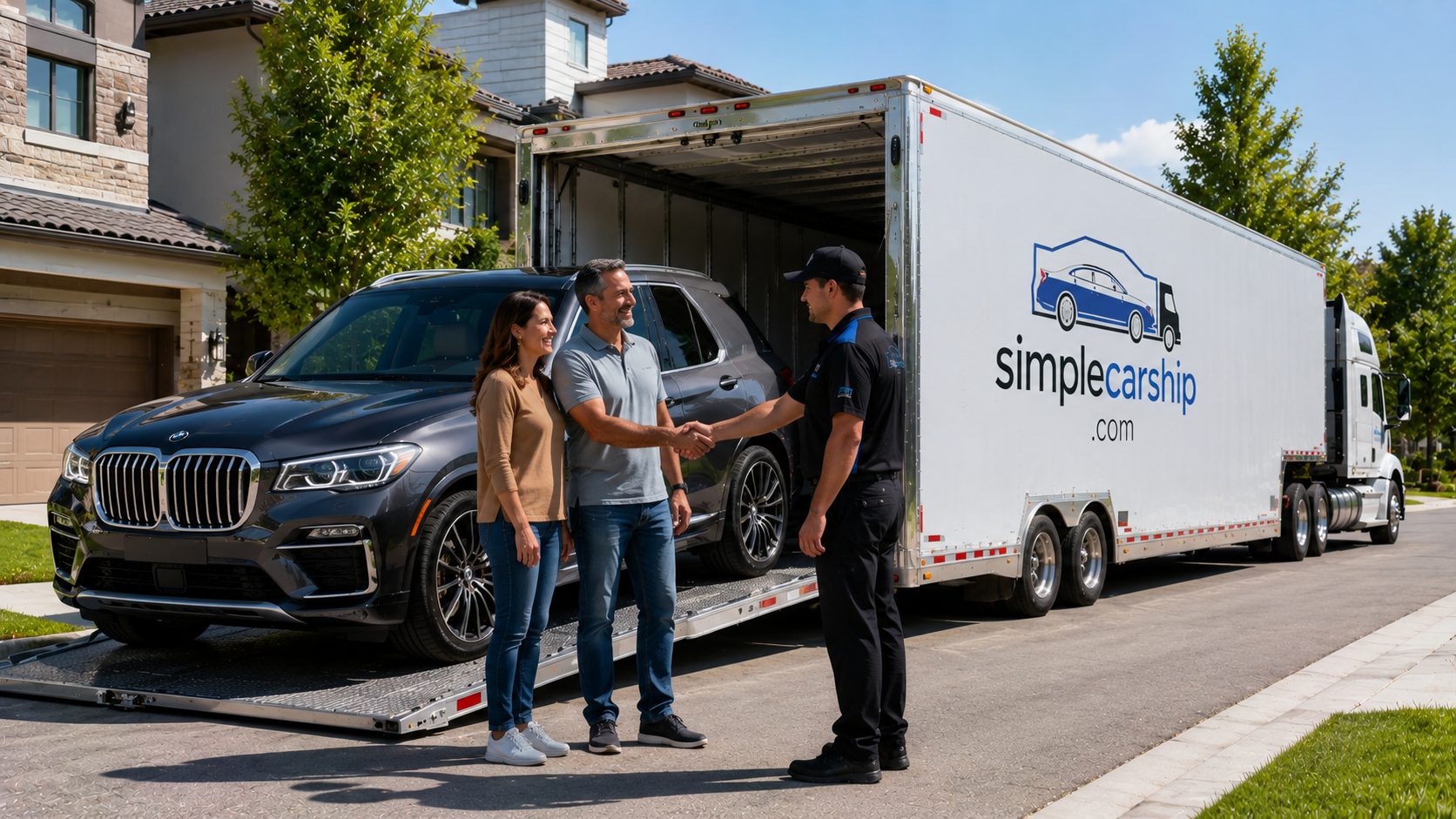
Enclosed makes sense when the vehicle’s value—monetary or sentimental—justifies the extra cost. Classic Camaros leaving a Pittsburgh garage, luxury sedans moving from a Philadelphia dealer to a Virginia Beach buyer, or freshly restored vintage trucks all benefit from the added protection. The enclosed trailer shields paint, trim, and glass from interstate grit, and because fewer cars share the load, handling is gentler. On a short route like this, the $940–$1,145 enclosed rate buys peace of mind without the budget shock you’d see on cross-country hauls.
How the 246-Mile Route Works in Practice
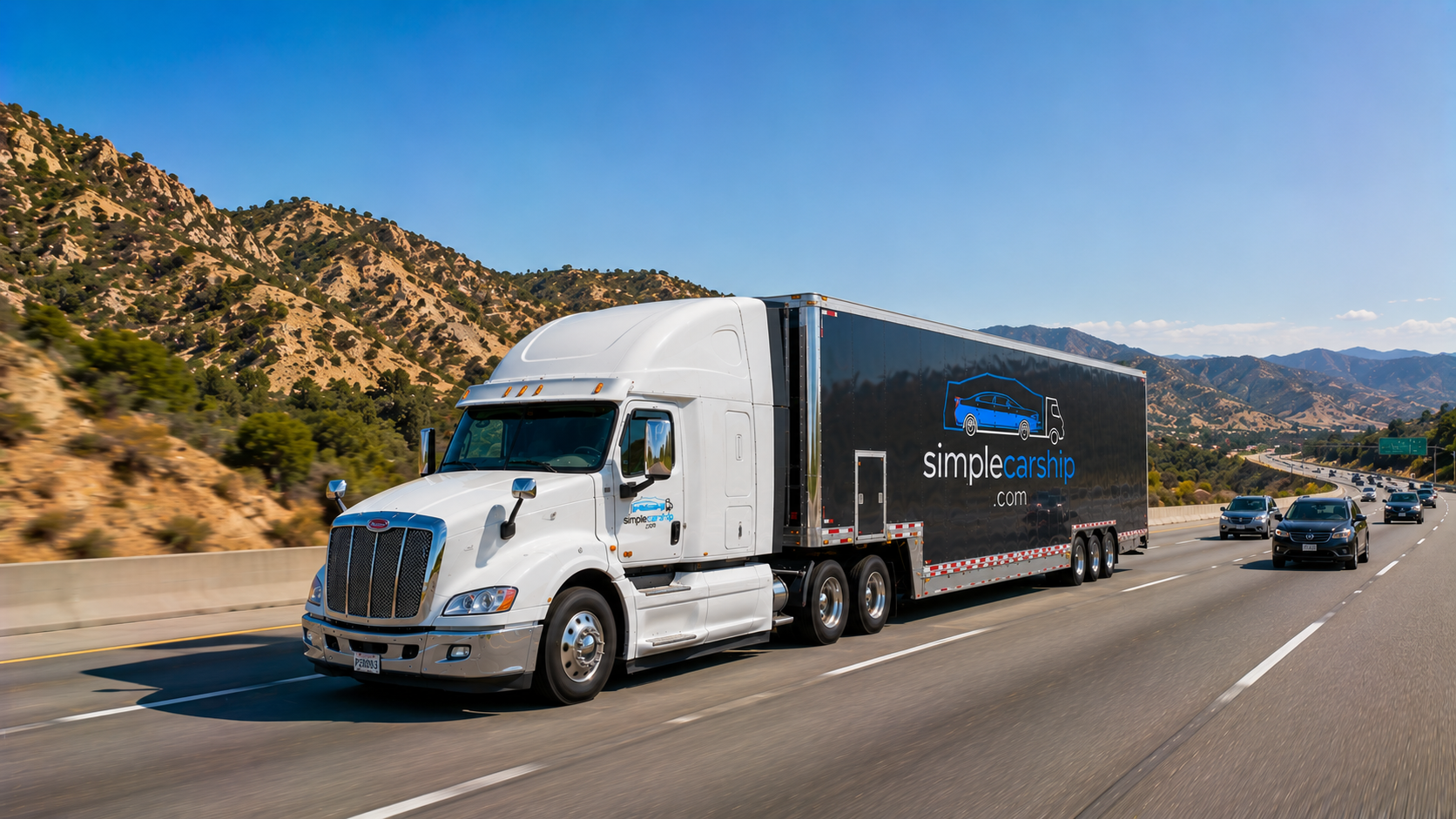
Pennsylvania to Virginia is a quick run by auto-transport standards. Carriers typically complete the trip in one to three days, depending on how many other pickups and deliveries are on the same load. A direct Philadelphia-to-Richmond move might finish in under 24 hours if your car is the only stop; a Pittsburgh-to-Virginia Beach shipment with intermediate drops in Harrisburg or Roanoke will stretch closer to the three-day mark. Either way, transit is faster and simpler than most interstate routes because the entire corridor sits along I-95, I-81, and I-64—major trucking arteries with no mountain passes, ferry crossings, or permit-restricted zones.
Pickup scheduling is flexible. Most carriers offer a window rather than a fixed appointment: you’ll get a call 12 to 24 hours before arrival, and the driver will work within a span of a few hours. Philadelphia and Pittsburgh see daily carrier traffic, so booking even a few days out is usually seamless. Richmond and Virginia Beach are equally well-served. If you’re outside these metros—say, State College, Altoona, Charlottesville, or Norfolk—expect the driver to coordinate a meet point at a nearby truck-friendly lot or main road rather than attempting a residential cul-de-sac with a 75-foot rig.
What Simple Car Ship Does Differently
We’re a federally licensed broker, but we don’t operate like the high-volume call centers that treat your BMW or F-150 as load number 8 of 47 on a Tuesday spreadsheet. When you request a quote for Pennsylvania to Virginia, a real person—not an algorithm—reviews your vehicle details, checks current carrier availability on the corridor, and builds a price that reflects actual market conditions, not a bait number designed to get your deposit. You’ll receive a clear breakdown: base transport, any applicable fees for size or location, and the protection level included in the carrier’s policy.
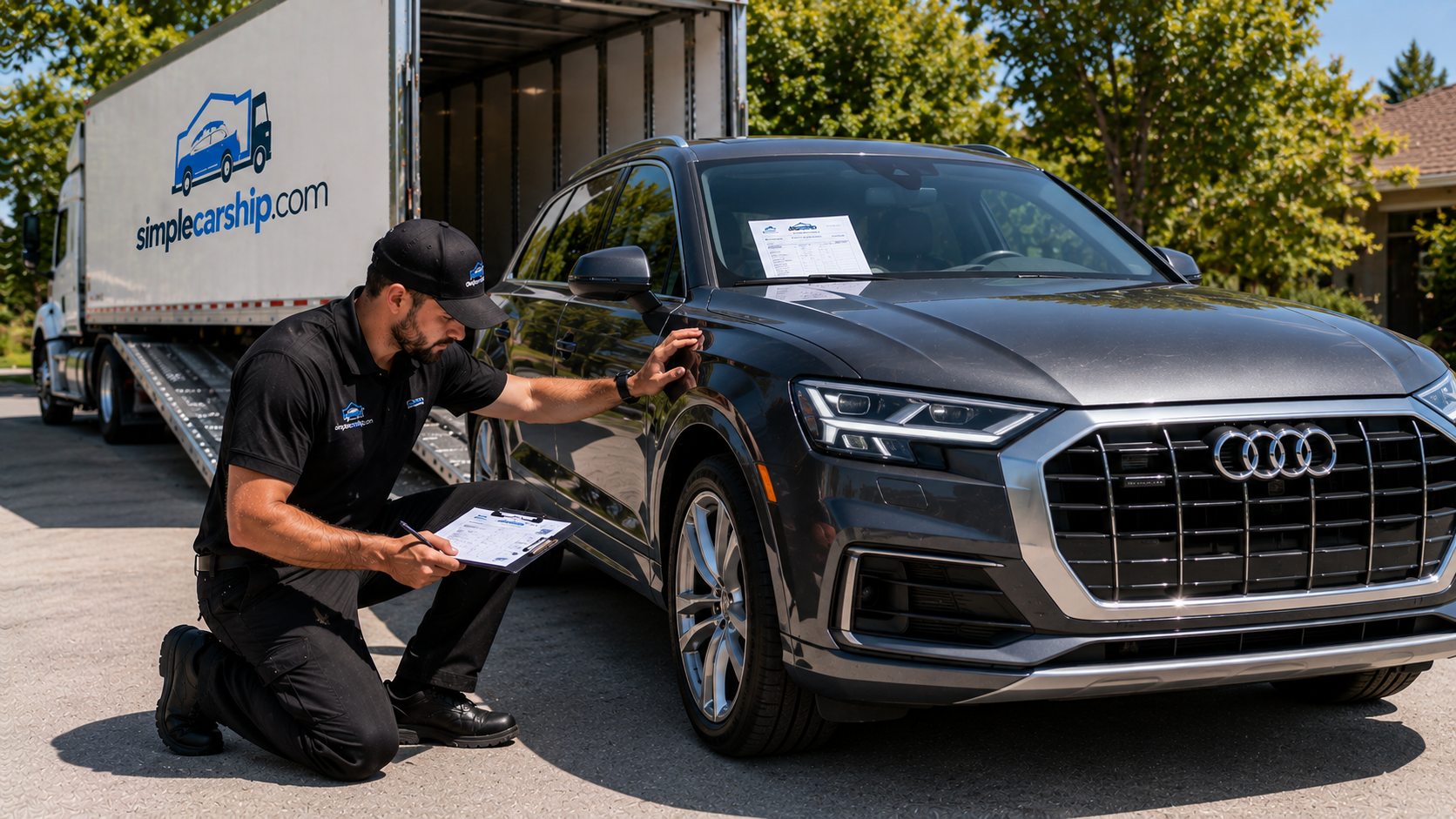
Once you book, we hand-select a carrier from our network of insured, FMCSA-registered motor coaches. You’ll get the driver’s name, truck number, insurance certificate, and direct phone line before pickup. No surprises, no day-of scrambles, no game of telephone through a dispatcher you’ve never spoken to. If weather, a breakdown, or a route delay changes the schedule, we call you first—and we work the problem until it’s solved. Your shipment moves on your timeline, not when a load board happens to fill.
Timing Your Shipment and Booking Strategy
Because Pennsylvania-Virginia isn’t a seasonal route, you won’t face the February price surges seen on snowbird lanes or the summer spike common on college-town circuits. Demand stays steady year-round, with a slight uptick in May and September when lease cycles and military PCS moves cluster. Booking five to seven days ahead gives you the widest carrier selection and the lowest price; last-minute requests—72 hours or less—shrink the driver pool and may push you toward expedited service at the $959 rate if standard scheduling can’t meet your need.
If your dates are firm—a closing, a flight, a start date—communicate that up front. We’ll prioritize carriers with guaranteed pickup windows and build buffer into the delivery estimate. If you have flexibility, mention it; sometimes a driver leaving Pittsburgh on Thursday instead of Tuesday saves you fifty dollars, and a one-day shift barely registers when transit is already this short. Weather is rarely an issue on this route—no Rocky Mountain closures, no desert monsoons—but winter ice storms in the Appalachians can delay I-81 traffic by half a day. We monitor conditions and reroute or reschedule proactively when forecasts turn ugly.
| Feature | Open Transport | Enclosed Transport |
|---|---|---|
| Price Range | $590–$715 | $940–$1,145 |
| Transit Time | 1–3 days | 1–3 days |
| Protection | Insured, weather-exposed | Fully enclosed, climate-shielded |
| Best For | Daily drivers, standard vehicles | Luxury, classic, high-value cars |
Ready to Get a Real Quote?
No runaround, no bait-and-switch, no pressure. Tell us your vehicle details, your Pennsylvania pickup location, and your Virginia destination. We’ll send you a transparent quote with the real price, real transit window, and the protection that’s actually included. If the numbers work, we’ll assign a vetted carrier and keep you in the loop from first call to final delivery. Get your quote now—it takes two minutes, and you’ll know exactly what this move costs before you commit a dollar.
Frequently Asked Questions
- What’s the typical cost to ship a car from Philadelphia to Richmond?
- For a standard sedan on an open carrier, expect $590 to $715. Enclosed transport for the same 246-mile route runs $940 to $1,145. Larger vehicles like trucks or SUVs add $80 to $150, and rural pickups or deliveries may incur a $50 to $100 repositioning fee per leg if you’re outside the main metro corridors.
- How long does it take to ship a car from Pittsburgh to Virginia Beach?
- Transit typically takes one to three days. A direct load with no intermediate stops can complete in under 24 hours, while a multi-car carrier making pickups in Harrisburg or deliveries in Richmond may stretch to three days. Carriers call 12 to 24 hours before arrival to confirm the final window.
- Is open transport safe for this short route?
- Absolutely. Open carriers handle the vast majority of Pennsylvania-to-Virginia shipments without incident. Your car is insured under the carrier’s policy, securely strapped, and travels on major interstates like I-95 and I-81. For daily drivers and standard vehicles, open transport is both safe and cost-effective at $590 to $715.
- When should I choose enclosed transport instead of open?
- Choose enclosed if your vehicle is a classic, luxury, exotic, or freshly restored car where paint protection and climate control justify the $940 to $1,145 premium. Enclosed trailers shield your car from weather, road debris, and prying eyes, and because they carry fewer vehicles, handling is gentler throughout the 246-mile journey.
- Can I get guaranteed pickup within 48 hours?
- Yes. Expedited service on the Pennsylvania-to-Virginia route costs around $959 for open transport and prioritizes your vehicle for the next available carrier with a guaranteed pickup window. Standard booking typically schedules within five to seven days, but expedited is there when you’re coordinating tight timelines like lease returns or closing dates.