
How Much Does It Cost to Ship a Car from Pennsylvania to North Carolina?
Shipping a car from Pennsylvania to North Carolina typically costs between $715 and $870 for open transport, or $1,145 to $1,390 if you choose enclosed. The 546-mile route connecting cities like Philadelphia and Pittsburgh to Charlotte and Raleigh usually takes 1–3 days, and your final price depends on your vehicle type, trailer availability, and exactly where you’re picking up and delivering.
Here’s what actually moves the number—and how to ship your car the simple way.
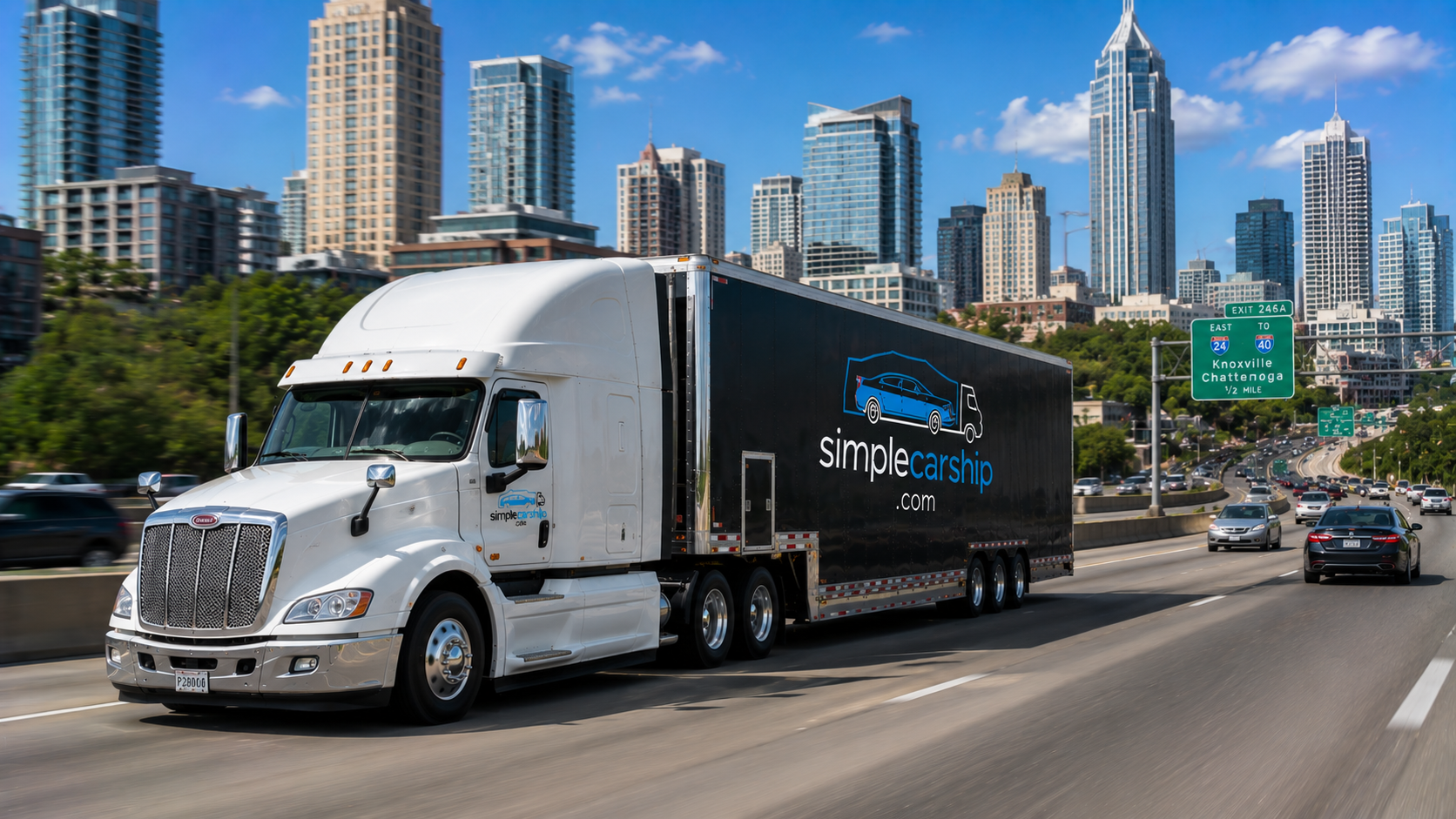
Get your instant car shipping price
Real quote in seconds — no spam, no runaround.
What You’ll Pay to Ship from Pennsylvania to North Carolina
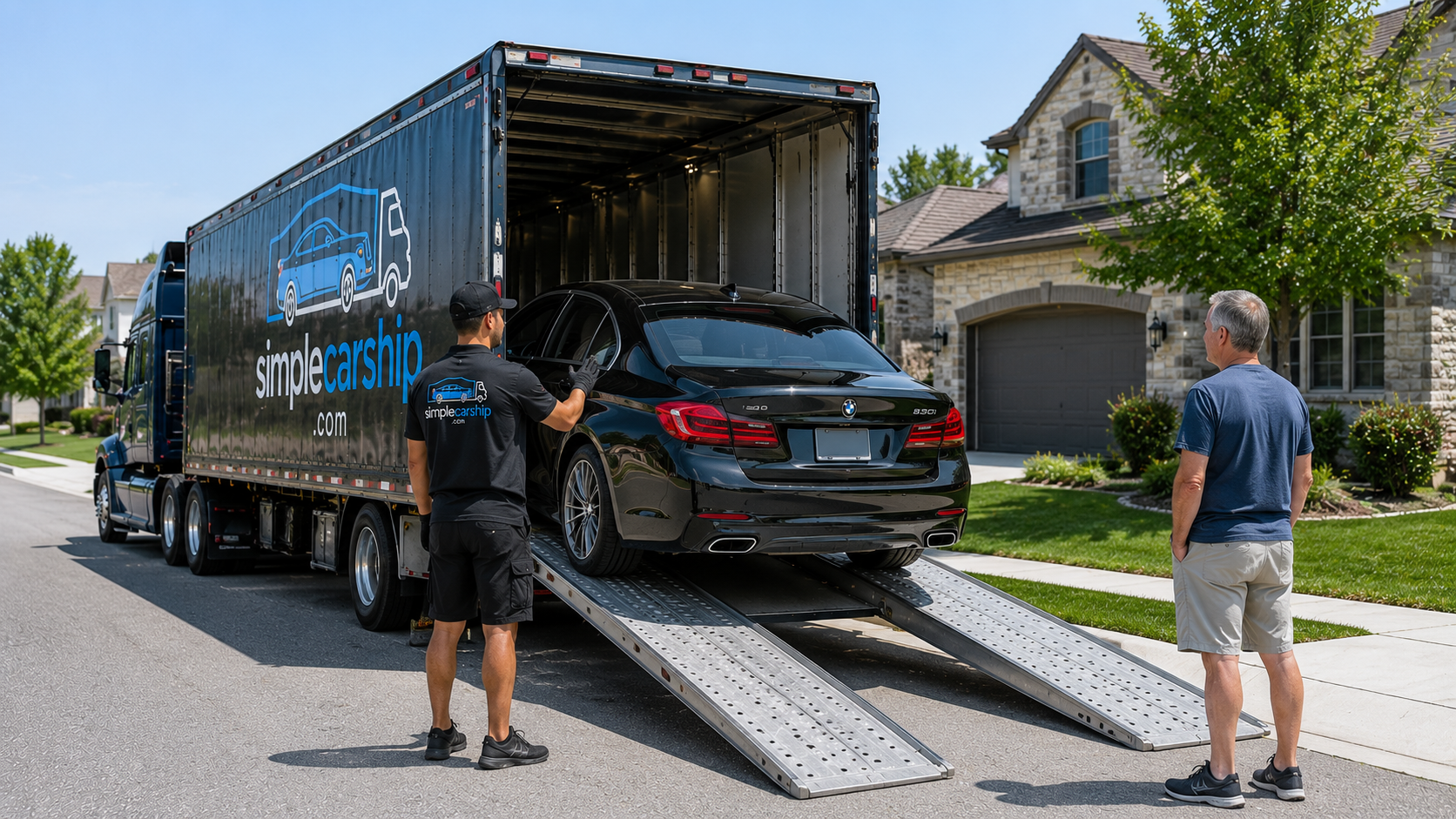
Open auto transport on this route runs $715–$870 for most sedans and SUVs. That’s the industry standard: your car rides on an open double-decker trailer alongside seven to nine other vehicles. It’s exposed to weather and road dust, but it’s safe, insured, and how dealerships move inventory every day. Enclosed transport—fully walled trailers that shield classics, luxury vehicles, and low-clearance sports cars—costs $1,145–$1,390. If timing matters more than budget, expedited open service pushes the price to around $1,164 and prioritizes your pickup window.
Distance is the foundation: at 546 miles, Pennsylvania to North Carolina sits in the sweet spot where cost-per-mile is reasonable and transit time is short. But the final quote shifts based on your specific pickup city (Philadelphia metro rates differ slightly from rural Allegheny County), your vehicle’s size and running condition, current fuel prices, and carrier availability that week. A lifted four-wheel-drive truck costs more than a compact sedan because it takes more trailer real estate. A non-running vehicle requires a winch and often adds $150–$200. Pickup or delivery outside Philadelphia, Pittsburgh, Charlotte, or Raleigh—especially to rural zip codes—can add $75–$150 because carriers prefer dense metro routes where they can load and unload multiple vehicles efficiently.
Open vs Enclosed Transport: Which Makes Sense for This Route
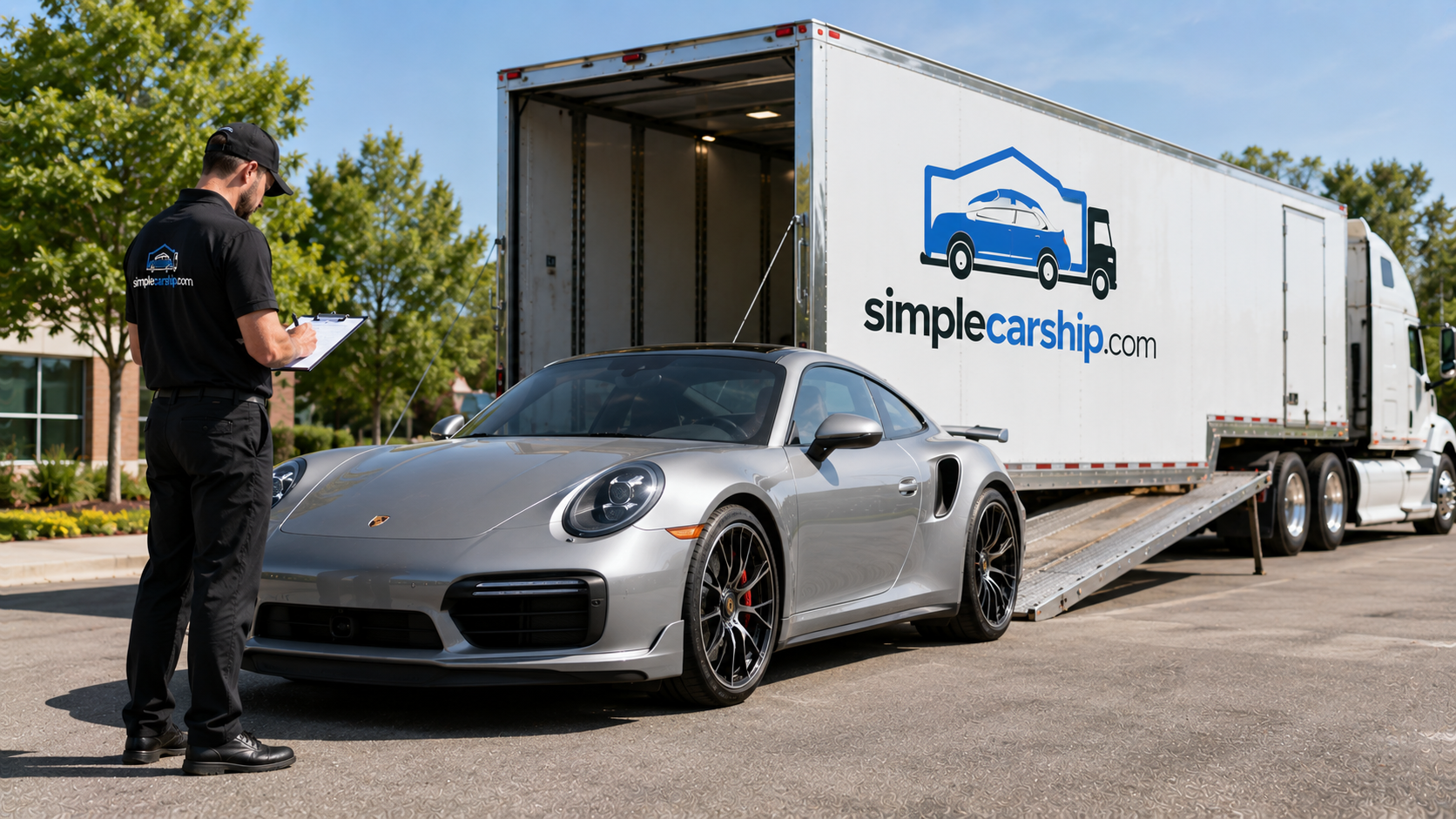
Open transport is the straightforward choice for daily drivers, recent-model SUVs, and trucks. The 546-mile haul is short enough that weather exposure is minimal—maybe one overnight—and your vehicle is fully insured in transit. Enclosed makes sense if you’re moving a Porsche 911, a restored ’69 Camaro, a Tesla Model S Plaid, or any vehicle where paint condition, collectible value, or ground clearance matters. Enclosed trailers carry two to seven cars max, which means fewer stops, faster delivery, and zero road spray.
For this route specifically, enclosed is popular with retirees relocating from the Philadelphia suburbs to the Carolina coast and bringing a cherished vehicle they don’t want to see road-salted or stone-chipped. Open is the pragmatic pick for college moves, job relocations, and anyone shipping a reliable commuter who just needs it there intact and on time.
| Factor | Open Transport | Enclosed Transport |
|---|---|---|
| Price Range | $715–$870 | $1,145–$1,390 |
| Transit Time | 1–3 days | 1–3 days |
| Protection Level | Weather-exposed, fully insured | Fully enclosed, premium insurance |
| Best For | Daily drivers, SUVs, trucks | Classics, luxury, low-clearance sports cars |
How the Pennsylvania–North Carolina Route Actually Works
Most carriers run I-81 south through Harrisburg and the Shenandoah Valley, then pick up I-77 or I-85 into Charlotte, or swing east on I-40 toward Raleigh. The 546-mile corridor is heavily trafficked by auto haulers serving the Northeast-to-Southeast lane, so trailer availability is strong year-round and you’ll typically see pickup within two to four days of booking. Transit itself is fast: many shipments deliver in one to two days, though we quote up to three to account for multi-stop routes and weather.
Pickup in the Philadelphia or Pittsburgh metro areas is straightforward—carriers prefer terminal locations or large parking lots, but residential pickup works if your street accommodates a seventy-foot rig. In North Carolina, Charlotte and Raleigh are primary drop zones with dense delivery schedules; if you’re heading to Asheville, the Outer Banks, or Wilmington, expect a slight upcharge and one extra day as the carrier routes off the main interstate. Your driver will call 24 hours ahead to confirm the window, walk around your vehicle with you to document condition, and hand you a signed bill of lading. At delivery, you’ll do the same inspection in reverse.
Timing, Scheduling, and What to Expect
Book five to seven days ahead if your dates are flexible; book two weeks out if you need a specific delivery window. Because this is a mid-distance route with high carrier volume, last-minute shipments (two to three days’ notice) are often feasible, though you’ll pay closer to the top of the range or may need to accept a one-day variance in pickup. Once your car is loaded, transit is quick—546 miles means your vehicle arrives in North Carolina within one to three days, often on the shorter end.
There’s no meaningful seasonality on this route. You won’t see the snowbird winter spikes that hit Florida-bound lanes, and summer moves (college, relocations) are steady but manageable. Winter weather in Pennsylvania—especially January and February—can delay pickup by a day if a snowstorm closes I-81, but it’s rare and carriers communicate proactively. If you’re coordinating a home closing or job start date, build in a two-day buffer and you’ll be covered.
How Simple Car Ship Handles Your Pennsylvania–North Carolina Shipment
We don’t post your car on a load board and disappear. When you request a quote, you’ll talk to a real person who knows this route, can explain why your pickup zip might cost $50 more than the metro average, and will walk you through open versus enclosed with zero pressure. Once you book, we hand-select the carrier—we’ve built relationships with owner-operators and small fleets who run the I-81/I-77 corridor weekly, maintain their equipment, and actually answer their phone. You’ll have a dedicated contact here and the driver’s direct number. No guesswork, no runaround.
Your shipment isn’t a load number. It’s your car, and we treat it that way. Clear quotes, real communication, and follow-through from pickup to delivery. That’s how we do Pennsylvania to North Carolina, and every other route we run.
Ready to move your car? Get a clear quote in two minutes—or call us if you’d rather talk through the details first.
Frequently Asked Questions: Shipping a Car from Pennsylvania to North Carolina
What’s the typical cost to ship a car from Pennsylvania to North Carolina?
Open transport costs $715–$870 for the 546-mile route; enclosed runs $1,145–$1,390. Your quote depends on pickup and delivery cities, vehicle size, and current carrier availability. Expedited service is available for around $1,164 if you need guaranteed faster pickup.
How long does it take to ship a car from Pennsylvania to North Carolina?
Transit time is one to three days once your car is loaded. Pickup typically happens two to four days after booking if you’re in Philadelphia, Pittsburgh, Charlotte, or Raleigh metro areas. Rural locations may add one day to the schedule.
Is open or enclosed transport better for this route?
Open transport works for most daily drivers and costs $715–$870. Enclosed—at $1,145–$1,390—is worth it for luxury cars, classics, or low-clearance sports cars. The 546-mile distance is short, so weather exposure on open trailers is minimal and both options deliver in the same timeframe.
Can I ship a car that doesn’t run from Pennsylvania to North Carolina?
Yes. Non-running vehicles require a winch to load and unload, which typically adds $150–$200 to the base quote of $715–$870. Let us know when you book so we assign a carrier equipped for inoperable cars on this route.
Do prices change depending on where in Pennsylvania or North Carolina I’m shipping?
Yes. Philadelphia and Pittsburgh to Charlotte or Raleigh hit the lowest rates because carriers run those lanes constantly. Rural pickups or deliveries—say, State College to Asheville—can add $75–$150 and one extra day since they’re off the primary I-81/I-77 corridor.