How Much Does It Cost to Ship a Car from Oregon to South Carolina?
Shipping a car from Oregon to South Carolina costs between $1,800 and $2,190 for open transport, or $2,880 to $3,505 for enclosed carriers across the 2,901-mile route. The final price depends on your vehicle type, the season you ship, current fuel costs, and whether you need flexible or tight pickup windows. Unlike vague broker estimates, these ranges reflect real carrier rates for this specific cross-country corridor.
Ship your car the simple way—with clear quotes, real communication, and no runaround. Here’s what moves the price and what you’ll actually pay to move your vehicle from the Pacific Northwest to the Palmetto State.
Get your instant car shipping price
Real quote in seconds — no spam, no runaround.
What Determines the Cost to Ship a Car from Oregon to South Carolina
Distance is the foundation: at 2,901 miles, this is one of the longest domestic routes, and fuel alone accounts for a significant share of your quote. But mileage is only the starting point. Vehicle size and weight matter—shipping a compact sedan runs cheaper than a three-row SUV because carriers price by deck space and axle load. Enclosed transport costs 60–65% more than open because fewer trucks run enclosed trailers, and those that do carry half the capacity of a standard open carrier.
Timing plays a quieter role on this route than on snowbird corridors, but it still shifts rates by $150–250. Summer and early fall see steadier truck availability between Portland and the Southeast, while mid-winter can tighten capacity when carriers prioritize higher-margin routes. If you need your car on a fixed date, expect to pay closer to the top of the range—or consider expedited service at $2,936 for guaranteed pickup within 48 hours. Flexibility saves money; a five-day pickup window often lands you near the lower end of the open-transport range.
Open vs. Enclosed Transport: Which Makes Sense for Oregon–South Carolina
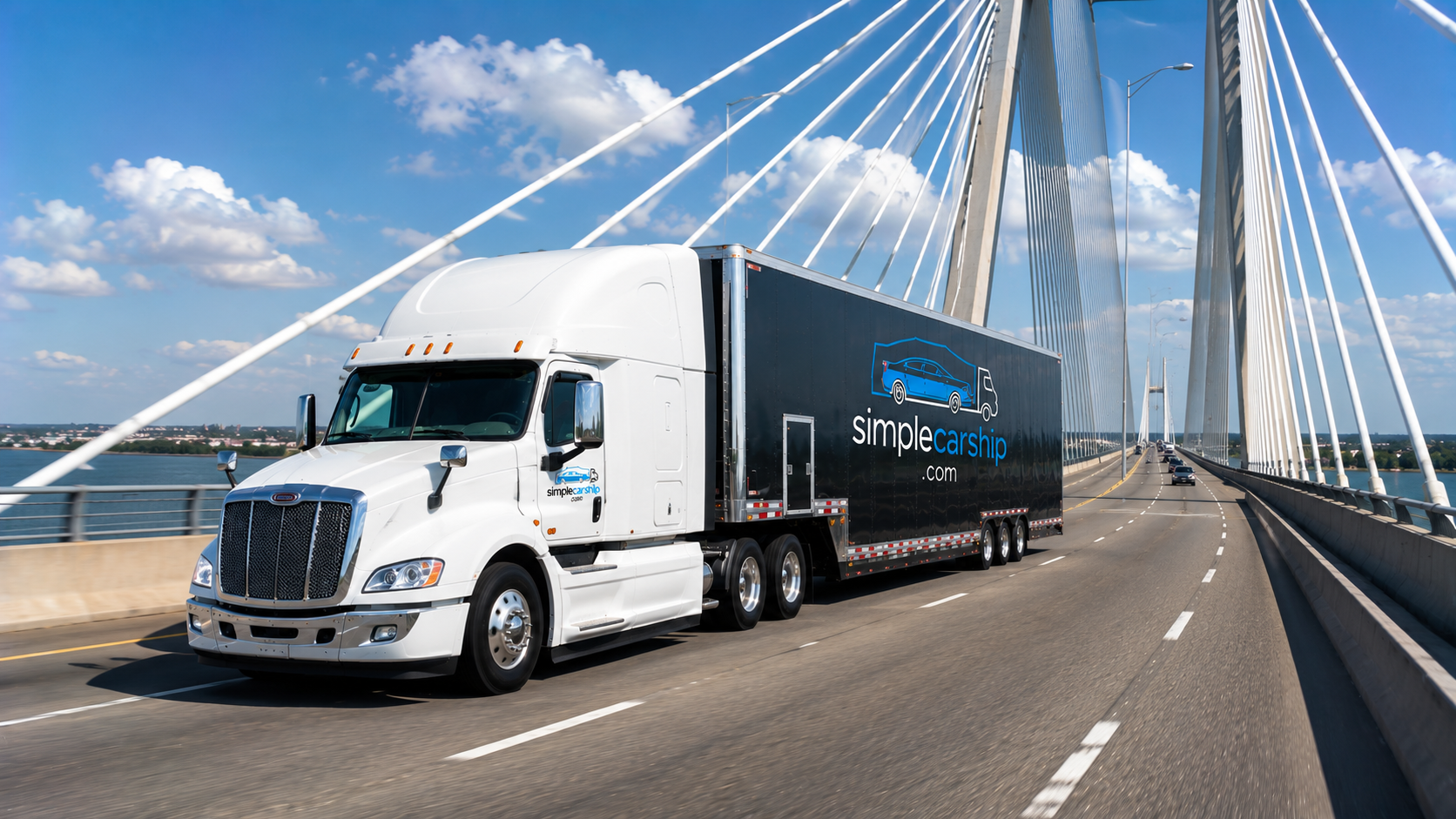
Most vehicles moving from Oregon to South Carolina travel on open carriers—the same multi-car trailers you see on the interstate. Open transport is safe, economical, and used for the majority of cross-country shipments, including new cars traveling from factory to dealer. Your car rides exposed to weather and road dust, but carriers secure every vehicle with wheel straps and conduct pre- and post-trip inspections. For daily drivers, commuter cars, and modern SUVs, open is the smart default.
Enclosed transport makes sense when the vehicle’s value or condition justifies the premium. Classic cars, low-clearance exotics, recently restored projects, and high-end luxury models belong in enclosed trailers, especially on a route this long. The hard-sided trailer shields your car from rain, road debris, and sun for nearly 3,000 miles. If your vehicle is worth more than $60,000 or carries sentimental value beyond the price tag, the $1,000–1,300 upcharge buys meaningful peace of mind.
| Feature | Open Transport | Enclosed Transport |
|---|---|---|
| Price (OR–SC) | $1,800–$2,190 | $2,880–$3,505 |
| Transit Time | 5–7 days | 5–7 days |
| Protection | Secure, weather-exposed | Fully enclosed, climate-shielded |
| Best For | Daily drivers, modern vehicles | Classics, luxury, exotic, restored |
How the Oregon to South Carolina Route Works
Carriers typically pick up in the Portland and Eugene metro areas, then travel east on I-84 through the Columbia River Gorge before dropping south across Idaho, Utah, and into the central corridor. From there, the route splits—some trucks run I-70 through Denver and Kansas City, others take I-80 through Wyoming and Nebraska, converging again near St. Louis or Nashville. The final leg follows I-40 or I-26 into South Carolina, delivering to Charleston, Columbia, and surrounding cities.
Transit takes 5 to 7 days under normal conditions. Carriers don’t drive straight through; federal hours-of-service rules limit drivers to 11 hours behind the wheel per day, and multi-car loads mean strategic stops for pickup and delivery along the way. Weather in the Rockies or the Appalachians can add a day during winter, but most shipments on this route arrive on schedule. Real human support means you’ll get proactive updates if anything shifts—your shipment isn’t a load number on a dispatch board.
Pickup and Delivery: What to Expect in Oregon and South Carolina
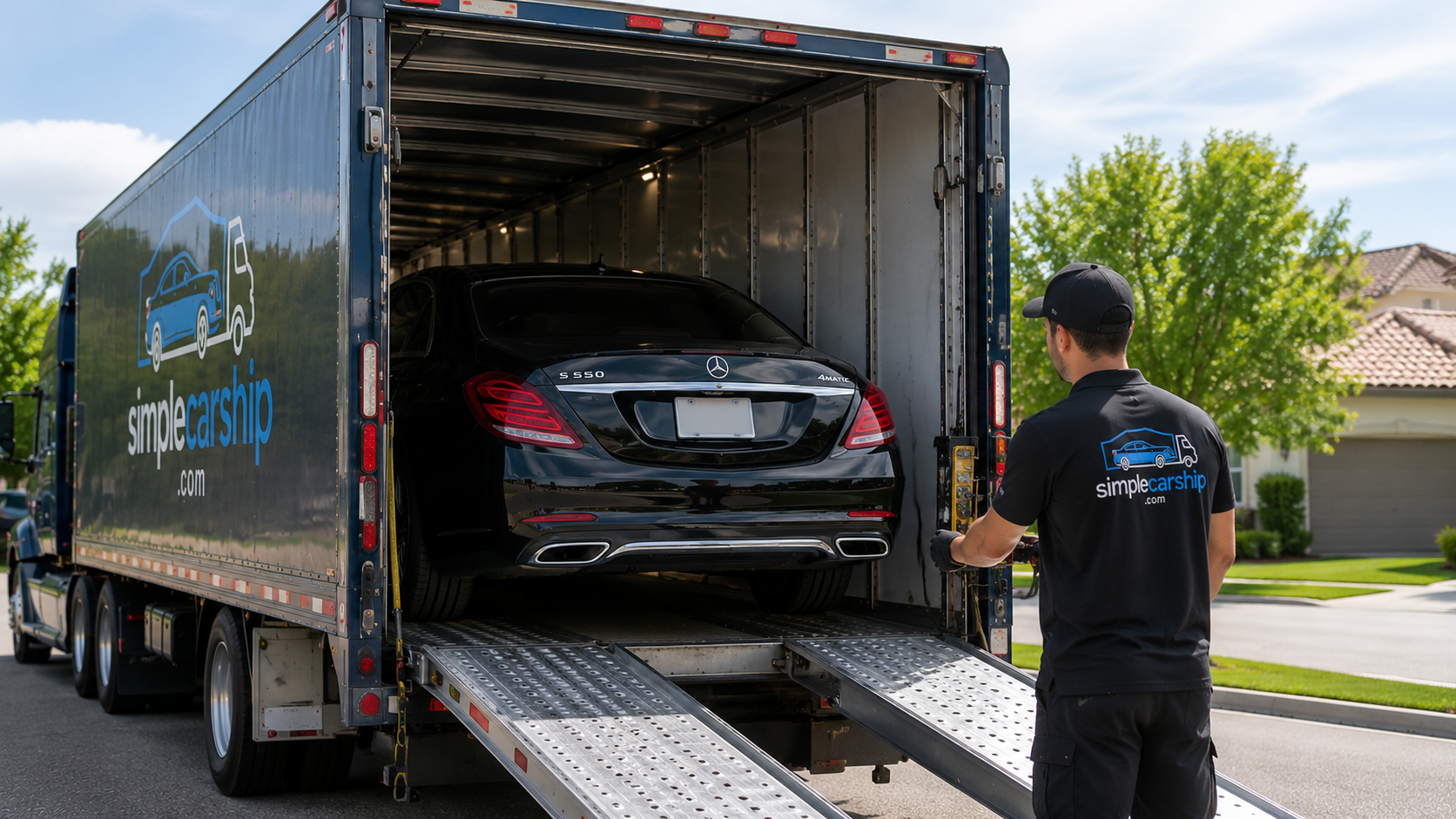
Most carriers can reach your door in Portland, Eugene, and nearby suburbs, but rural pickups west of the Cascades or in the Coast Range sometimes require a meet-point at a nearby truck-friendly location. If you’re outside metro areas, your driver will coordinate a convenient spot—often a shopping center parking lot or freeway interchange—within 20–30 miles. The same applies on the South Carolina side: Charleston and Columbia offer door-to-door service in most neighborhoods, while Lowcountry islands or Upstate foothill properties may need a short meet.
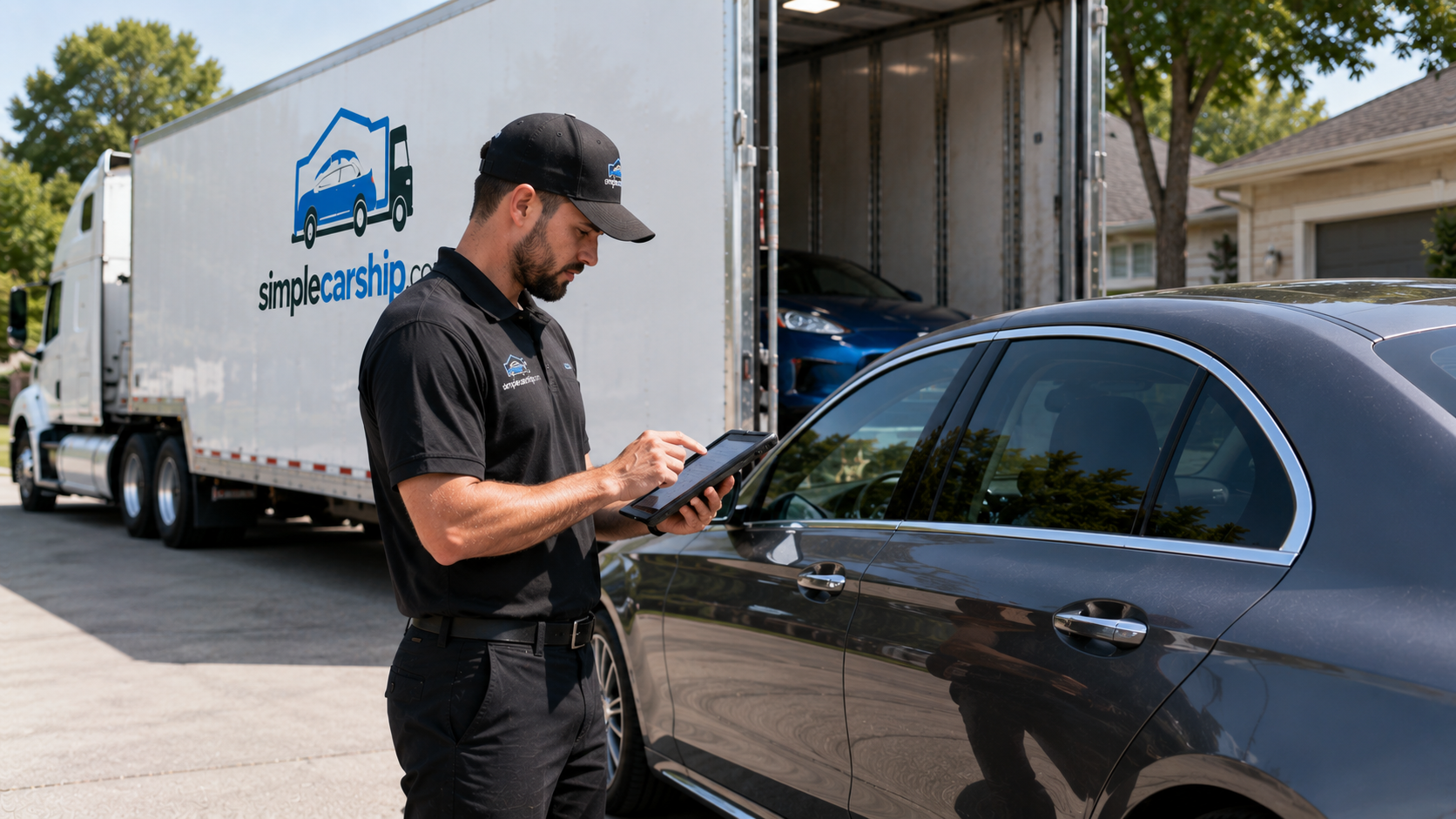
Inspection happens twice—once at pickup, once at delivery. Walk around the car with the driver, note any existing damage on the bill of lading, and snap a few photos on your phone. When your car arrives in South Carolina, repeat the process before you sign. Carriers hold comprehensive cargo insurance (typically $100,000–250,000 per load), but documentation is your safety net if a claim ever becomes necessary. Clear quotes, real communication, no guesswork—that starts with honest paperwork at both ends.
How Simple Car Ship Handles Your Oregon to South Carolina Shipment
We don’t operate a call center in Manila or a boiler room in Florida. When you request a quote, a U.S.-based transport coordinator reviews your route, checks current carrier availability on the Oregon–South Carolina lane, and builds a price using real market rates—not a teaser number that gets revised after you commit. Once you book, that same coordinator hand-selects a carrier with a solid safety record, proper insurance, and available deck space on your timeline.
You’ll get the driver’s contact info 24 hours before pickup, and you can call or text us any time during transit. No ticket queues, no outsourced chat bots. If weather slows the drive through the Rockies or the driver runs ahead of schedule in Tennessee, we’ll let you know before you have to ask. For longer routes like this one, communication is half the service—and we take it seriously. Ready to move your car? Get a free, no-pressure quote and see the Simple Car Ship difference.
Frequently Asked Questions: Shipping a Car from Oregon to South Carolina
- How much does it cost to ship a car from Oregon to South Carolina?
- Open transport costs $1,800 to $2,190 for the 2,901-mile route, while enclosed carriers charge $2,880 to $3,505. Final price depends on vehicle size, season, fuel costs, and how flexible your pickup window is. Expedited service runs around $2,936 for guaranteed 48-hour dispatch.
- How long does shipping take from Oregon to South Carolina?
- Expect 5 to 7 days in transit. Carriers follow federal hours-of-service limits and make strategic stops for other pickups and deliveries. Winter weather in the Rockies or Appalachians can add a day, but most shipments arrive on schedule with proactive driver communication throughout.
- Should I choose open or enclosed transport for this route?
- Open transport works for most daily drivers and modern vehicles—it’s safe, economical, and accounts for the majority of cross-country shipments. Enclosed makes sense for classics, exotics, luxury cars, or anything you’d hesitate to park outside during a 3,000-mile road trip. The protection premium runs about $1,000–1,300.
- Can carriers pick up outside Portland or Eugene?
- Yes, but rural locations west of the Cascades or along the coast may require a meet-point at a truck-accessible spot within 20–30 miles. Your driver will coordinate a convenient location—often a shopping center or freeway interchange. Door-to-door service works smoothly in metro areas and most suburbs.
- What affects the price besides distance?
- Vehicle size and weight, transport type (open vs. enclosed), season, fuel prices, and pickup flexibility all shift the quote. Larger SUVs cost more than sedans; summer and fall offer better availability than mid-winter; and a five-day window saves money compared to a fixed-date booking or expedited dispatch.