North Carolina to Washington: live carrier pricing
| Open transport (most vehicles) | $2,230 – $2,715 |
| Enclosed transport | $3,565 – $4,340 |
| Lane distance | 2,799 miles |
| Typical transit | 5–7 days |
Quoted from our carrier network on September 29, 2026 for a standard operable car, door to door.
Auto transport is a live market, so your exact price depends on vehicle size, timing and current truck availability on this lane.
How Much Does It Cost to Ship a Car from North Carolina to Washington?
Shipping a car from North Carolina to Washington costs between $2,265 and $2,760 for open transport, or $3,625 to $4,415 for enclosed. The 2,799-mile cross-country haul takes 5–7 days, and your final price depends on trailer type, vehicle size, pickup flexibility, and season. Here’s exactly what you’ll pay—and why.
Get your instant car shipping price
Real quote in seconds. Enter your details and we’ll show your price instantly.
No spam — we only use this to send your quote and confirm your booking.
What You’ll Pay to Ship a Car Across 2,799 Miles
Open transport—cars ride on an open multi-level carrier—runs $2,265 to $2,760 for the North Carolina to Washington corridor. It’s the same method dealerships use to move inventory, and it handles the route safely and economically. Enclosed transport, where your vehicle rides alone in a covered trailer, costs $3,625 to $4,415. That premium buys full weather protection and privacy, which matters for collectors, luxury vehicles, or anyone moving a high-value car through mountain passes and unpredictable Pacific Northwest weather.
Price swings inside those ranges come down to four levers: your vehicle’s dimensions (a Suburban costs more than a Civic because it takes more deck space), your pickup and delivery addresses (metro Charlotte or Raleigh to Seattle is cheaper than a rural-to-rural move that requires smaller trucks), how flexible you are on dates (tight deadlines shrink the carrier pool and raise bids), and time of year (summer moves more cars, so rates edge up; late fall and winter see softer pricing). If you need guaranteed pickup within 48 hours, expedited open service costs $3,695—faster carrier assignment, tighter schedule, premium lane priority.
Open vs. Enclosed: Which Makes Sense for This Route
Most North Carolina-to-Washington shipments move open. The route crosses I-40 west through Tennessee, picks up I-84 or I-90 through the Rockies, and drops into the Puget Sound basin—major trucking corridors with daily carrier runs. Open trailers hold 7–10 cars, so capacity is steady and prices stay competitive. Your car sits exposed to road spray and weather, but carriers tie down and inspect at every fuel stop. Sedans, SUVs, daily drivers, and even project cars that already have a few chips ship open without issue.
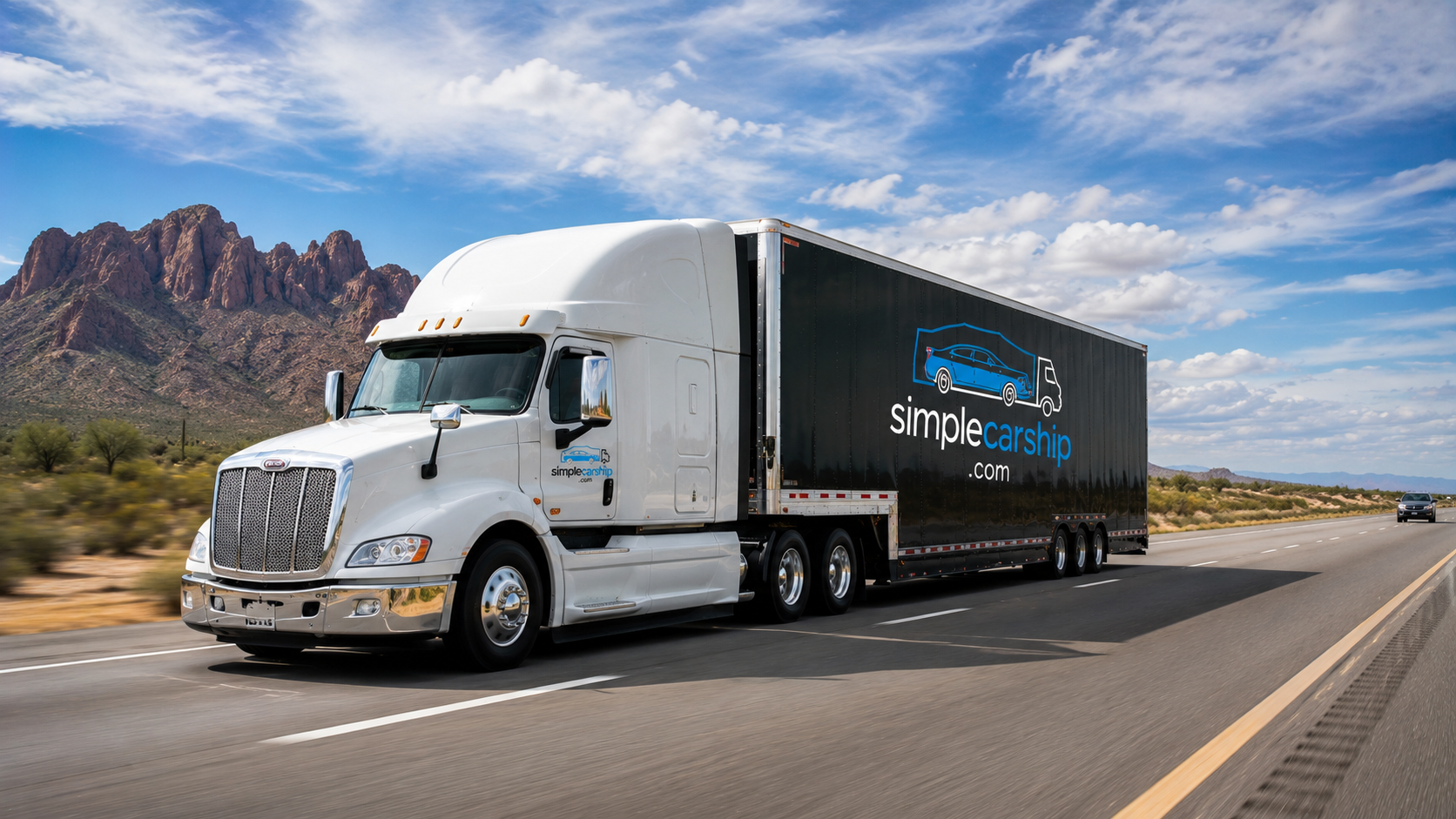
Enclosed makes sense in three scenarios: you’re moving a classic, exotic, or luxury vehicle where a single rock chip costs hundreds to repair; you’re shipping a show car or recent restoration that can’t tolerate any road grime; or you simply want absolute peace of mind over 2,800 miles. Enclosed traages run 2–4 cars max, so availability is tighter and you’ll pay 60% more. For a numbers comparison, a base Camry might cost $2,400 open; a pristine ’67 Mustang or Tesla Model S Plaid you’d probably spend the $4,000 enclosed to avoid any cosmetic risk crossing five states and two mountain ranges.
| Feature | Open Transport | Enclosed Transport |
|---|---|---|
| Price (NC–WA) | $2,265–$2,760 | $3,625–$4,415 |
| Transit Time | 5–7 days | 5–7 days |
| Protection | Tie-downs, road exposure | Fully enclosed, climate-stable |
| Best For | Daily drivers, SUVs, most sedans | Classics, luxury, exotics, show cars |
How the Route Works: Charlotte or Raleigh to Seattle and Tacoma
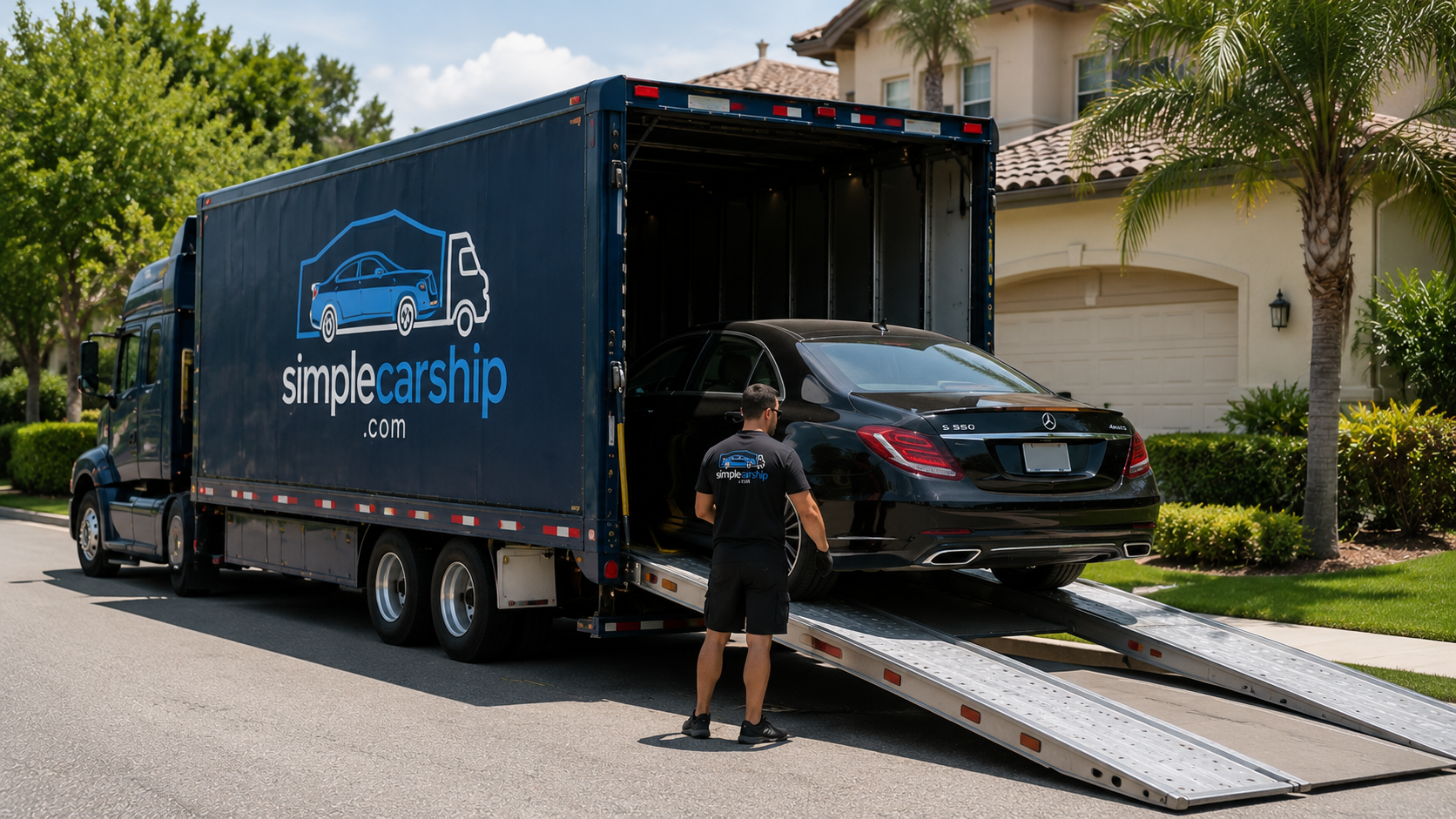
Carriers typically pick up in Charlotte or Raleigh—the state’s two largest metros and the densest truck zones. If you’re outside those areas (Asheville, Greensboro, Wilmington), the driver will either route through or you’ll meet at a nearby truck-friendly lot; rural pickups add $75–150 because the carrier runs a smaller truck off the main line. On the Washington side, Seattle and Tacoma anchor delivery. Both cities sit on I-5 with direct connections to the transcontinental corridors, so scheduling is straightforward and costs stay inside the baseline range.
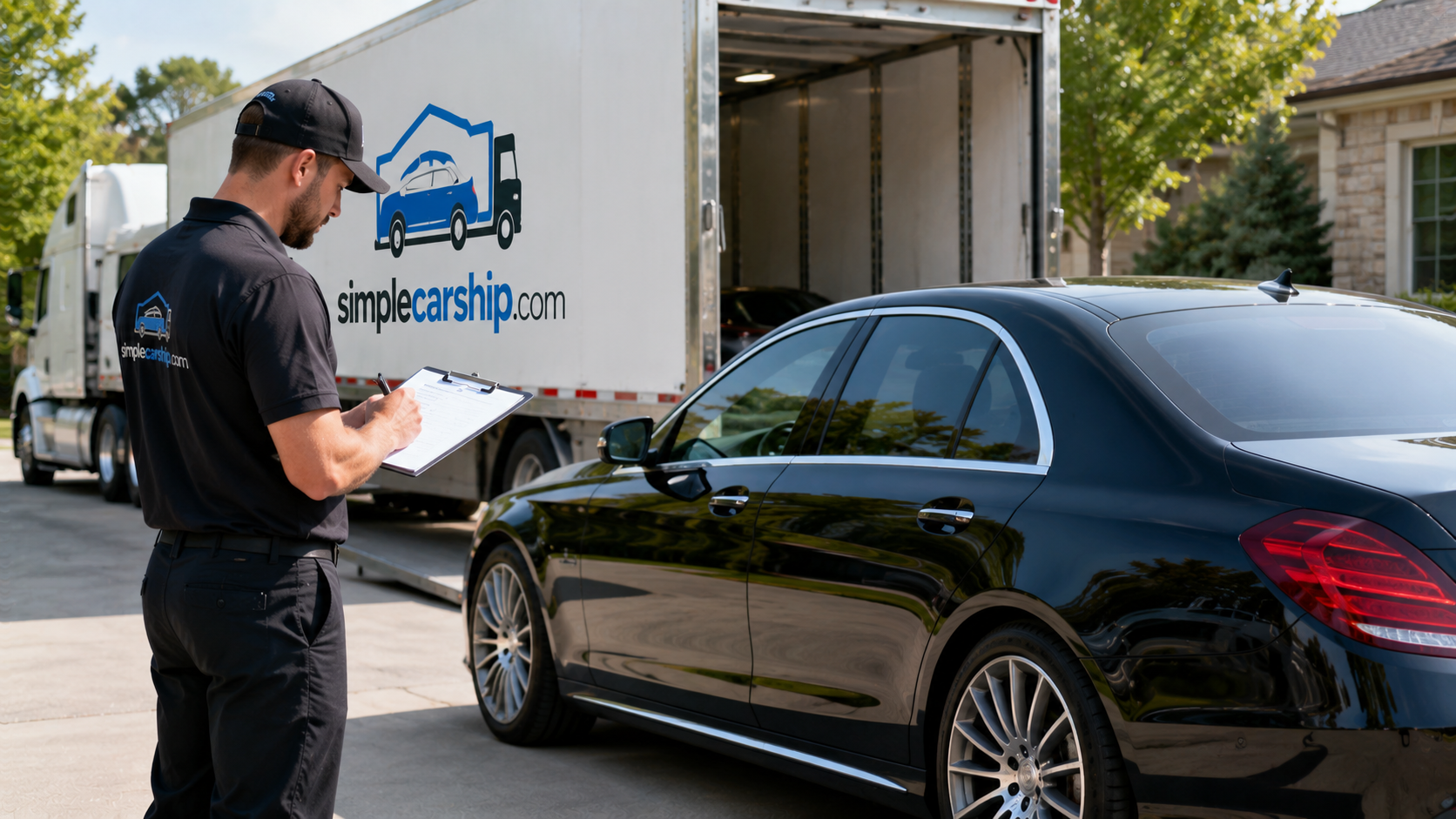
The 2,799-mile journey breaks into three legs: piedmont North Carolina to the Mississippi, plains and Rockies (I-80 or I-90 depending on weather and carrier route), and the Cascade descent into Puget Sound. Drivers log 500–600 miles per day under DOT hours-of-service rules, stop for fuel and inspections, and coordinate delivery windows as they approach Seattle. You’ll get 24-hour notice before pickup and again before delivery—enough time to hand over keys, do a walkaround, and sign the bill of lading at each end.
Timing: What Five to Seven Days Really Means
Transit time is dock-to-dock—the span between the driver loading your car in North Carolina and unloading it in Washington. Five days is typical when the carrier runs a direct interstate shot with minimal stops; seven days accounts for weather holds in the mountains, an extra delivery farther up the route, or weekend DOT rest rules. Booking to pickup adds another 1–4 days depending on how quickly a carrier confirms your load, so budget a total of 6–11 days calendar time from the day you reserve to the day your car arrives.
There’s no meaningful seasonal surge on this route—it’s steady year-round. You’ll see slightly softer rates in November and February (post-holiday, pre-spring lulls) and a modest summer bump when college students and military families move, but nothing like the snowbird Florida spikes. If you have hard move-in dates or a cross-country drive you’re trying to avoid, book 7–10 days ahead for standard service or choose the $3,695 expedited option for 48-hour guaranteed pickup and priority lane assignment.
How Simple Car Ship Handles North Carolina to Washington
We built Simple Car Ship because the broker runaround—vague quotes, disappearing reps, surprise fees—makes a stressful move worse. You’ll get a clear quote with the real range ($2,265–$2,760 open, $3,625–$4,415 enclosed), a named coordinator who walks you through inspection and paperwork, and a hand-selected carrier with current FMCSA authority and cargo coverage. No load-board roulette, no bait-and-switch pricing.
Your shipment isn’t a tracking number. We monitor pickup and delivery windows, flag weather or route delays before they become surprises, and stay available by phone or text through delivery sign-off. If you’re moving a classic car or need white-glove enclosed service, we’ll match you with a vetted enclosed specialist who runs the Seattle lane regularly. If you’re coordinating a corporate relocation or military PCS, we’ll sync timing with your travel schedule. Ship your car the simple way: clear quotes, real communication, no guesswork.
Ready to move your car from North Carolina to Washington? Get your free quote now—accurate pricing, real transit windows, and a team that picks up the phone.
Frequently Asked Questions: North Carolina to Washington Auto Transport
How much does it cost to ship a car from North Carolina to Washington?
Open transport costs $2,265–$2,760 for the 2,799-mile route; enclosed runs $3,625–$4,415. Final price depends on your vehicle size, pickup and delivery locations (metro Charlotte or Raleigh to Seattle is baseline; rural adds $75–150), trailer type, and how flexible your schedule is. Expedited open service with 48-hour guaranteed pickup costs $3,695.
How long does shipping take from North Carolina to Washington?
Transit time is 5–7 days dock-to-dock once the carrier loads your vehicle. Booking to pickup adds 1–4 days depending on carrier availability, so total calendar time runs 6–11 days. Expedited service guarantees pickup within 48 hours and prioritizes your load for the faster end of the range.
Should I choose open or enclosed transport for this distance?
Open transport is safe and cost-effective for daily drivers, SUVs, and most sedans—it’s the same method dealerships use. Enclosed makes sense for classics, luxury vehicles, exotics, or any car where you want zero road exposure over 2,800 miles and two mountain ranges. The enclosed premium is roughly 60 percent higher.
What cities do carriers pick up and deliver in?
Charlotte and Raleigh are the primary North Carolina pickup metros; Seattle and Tacoma anchor Washington delivery. If you’re outside those zones, the carrier will route through or arrange a meet point at a truck-friendly lot. Rural or off-corridor addresses typically add $75–150 due to smaller truck requirements.
Can I put personal items in the car during transport?
Carriers allow up to 100 pounds in the trunk or rear cargo area, below the window line, because their insurance covers the vehicle only—not contents. Loose items, valuables, and anything visible through windows should travel with you. Overloading can shift weight and create liability issues at weigh stations.