North Carolina to Virginia: live carrier pricing
| Open transport (most vehicles) | $785 – $955 |
| Enclosed transport | $1,255 – $1,530 |
| Lane distance | 295 miles |
| Typical transit | 1–3 days |
Quoted from our carrier network on September 29, 2026 for a standard operable car, door to door.
Auto transport is a live market, so your exact price depends on vehicle size, timing and current truck availability on this lane.
How Much Does It Cost to Ship a Car from North Carolina to Virginia?
Shipping a car from North Carolina to Virginia typically costs between $800 and $970 for open transport, or $1,275 to $1,555 for enclosed service. The short 295-mile journey between states means you’re looking at one of the more affordable regional routes on the East Coast, with transit times of just 1–3 days. What you pay depends on your vehicle type, the season, how flexible your schedule is, and whether you need the extra protection of an enclosed carrier.
Get your instant car shipping price
Real quote in seconds. Enter your details and we’ll show your price instantly.
No spam — we only use this to send your quote and confirm your booking.
What Moves the Price on This Route
Distance is the foundation—at 295 miles, this is a short haul—but it’s not the only factor. Vehicle size matters: a compact sedan ships for less than a full-size truck or SUV because carriers price by weight and deck space. Timing plays a role, too. If you need your car picked up tomorrow, expect to pay a premium; flexible windows let carriers consolidate loads and pass savings to you. Season affects availability more than price here, since this isn’t a snowbird corridor, but summer tends to see slightly higher demand as students move between universities in the Research Triangle and Northern Virginia.
Open transport dominates this route because the distance is short, weather is generally mild, and most customers prioritize cost over maximum protection. Enclosed carriers cost roughly 60% more, which makes sense for classic cars, luxury vehicles, or anything you wouldn’t want exposed to road spray for a day or two. If you’re moving a daily driver, open is the practical choice. If you’re relocating a restored muscle car or a Tesla fresh from delivery, enclosed is worth the difference. Express service—guaranteed pickup within 24–48 hours—runs about $1,301 for open transport, a useful option if you’ve already landed in Virginia and need your car to start work Monday.
How Car Shipping Works Between North Carolina and Virginia
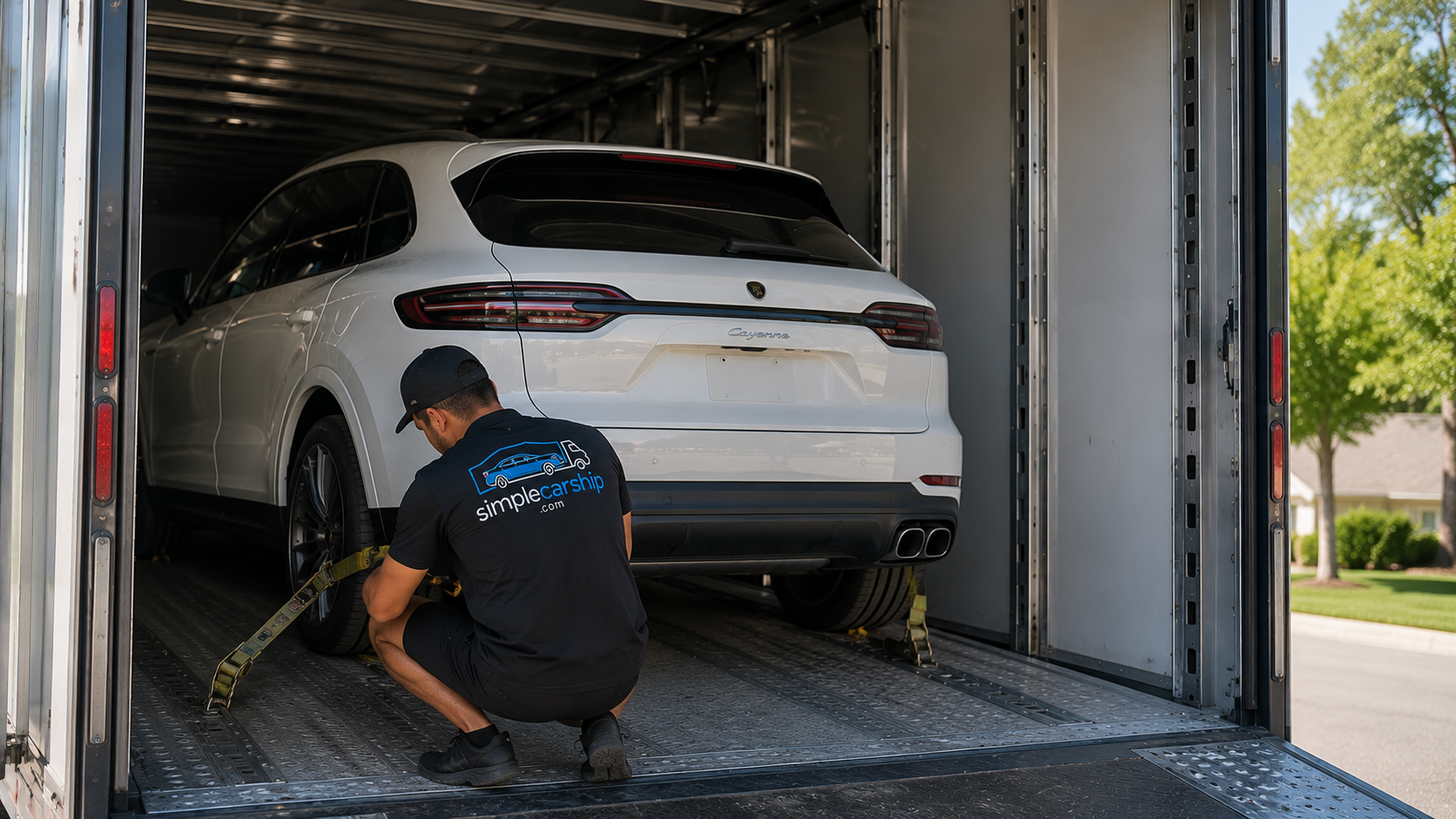
Most shipments originate in Charlotte or Raleigh and deliver to Richmond or Virginia Beach, though carriers serve the entire I-85 and I-95 corridors. You’ll schedule a pickup window—usually a two- to three-day span—and the carrier will call an hour or so before arrival. Pickup happens at your home, office, or any accessible location with room for a large truck; some urban or narrow-street addresses require meeting at a nearby lot. The driver will inspect your car with you, noting existing damage on a bill of lading, then load it onto the trailer. One to three days later, the same process happens in reverse at your Virginia destination.
You don’t need to drain the tank or disconnect the battery, but you do need to remove personal items (they’re not insured) and leave about a quarter tank of fuel. Toll transponders should come out, and anything hanging from the mirror needs to be stowed. The carrier’s insurance covers vehicle damage in transit—typically $100,000 minimum cargo coverage for reputable operators—but it won’t cover your laptop left in the back seat. Walk around the car with the driver at both ends, and take photos before loading if you want peace of mind.
Open vs. Enclosed: Which Makes Sense for a Short Regional Move
Open transport is how 90% of vehicles move on this route, and for good reason: the trip is short, the roads are good, and you’ll save $400 to $600. Your car rides on the same kind of multi-level trailer that delivers new vehicles to dealerships. It’s exposed to weather and road debris, but carriers don’t run in dangerous conditions, and a little highway dust washes off. If you’re shipping a work truck, a family SUV, or a sedan you drive daily, open is the straightforward choice.
Enclosed makes sense when the vehicle’s value—financial or sentimental—justifies the premium. A collector Corvette, a six-figure European sedan, a custom build, or a show car all belong in an enclosed trailer. You’re paying for walls, a roof, and often single-level loading, which means no fluid drips from a car above yours and no stone chips at highway speed. For the North Carolina–Virginia run, enclosed inventory is plentiful because the I-95 corridor sees steady enclosed traffic up and down the Eastern Seaboard; you won’t struggle to find a carrier, and the short distance keeps the upcharge reasonable compared to cross-country enclosed moves.
| Feature | Open Transport | Enclosed Transport |
|---|---|---|
| Price Range | $800–$970 | $1,275–$1,555 |
| Transit Time | 1–3 days | 1–3 days |
| Protection Level | Standard (weather-exposed) | Full enclosure, climate-controlled option |
| Best For | Daily drivers, work vehicles, standard sedans/SUVs | Classics, luxury, exotic, high-value vehicles |
Pickup and Delivery Logistics in North Carolina and Virginia
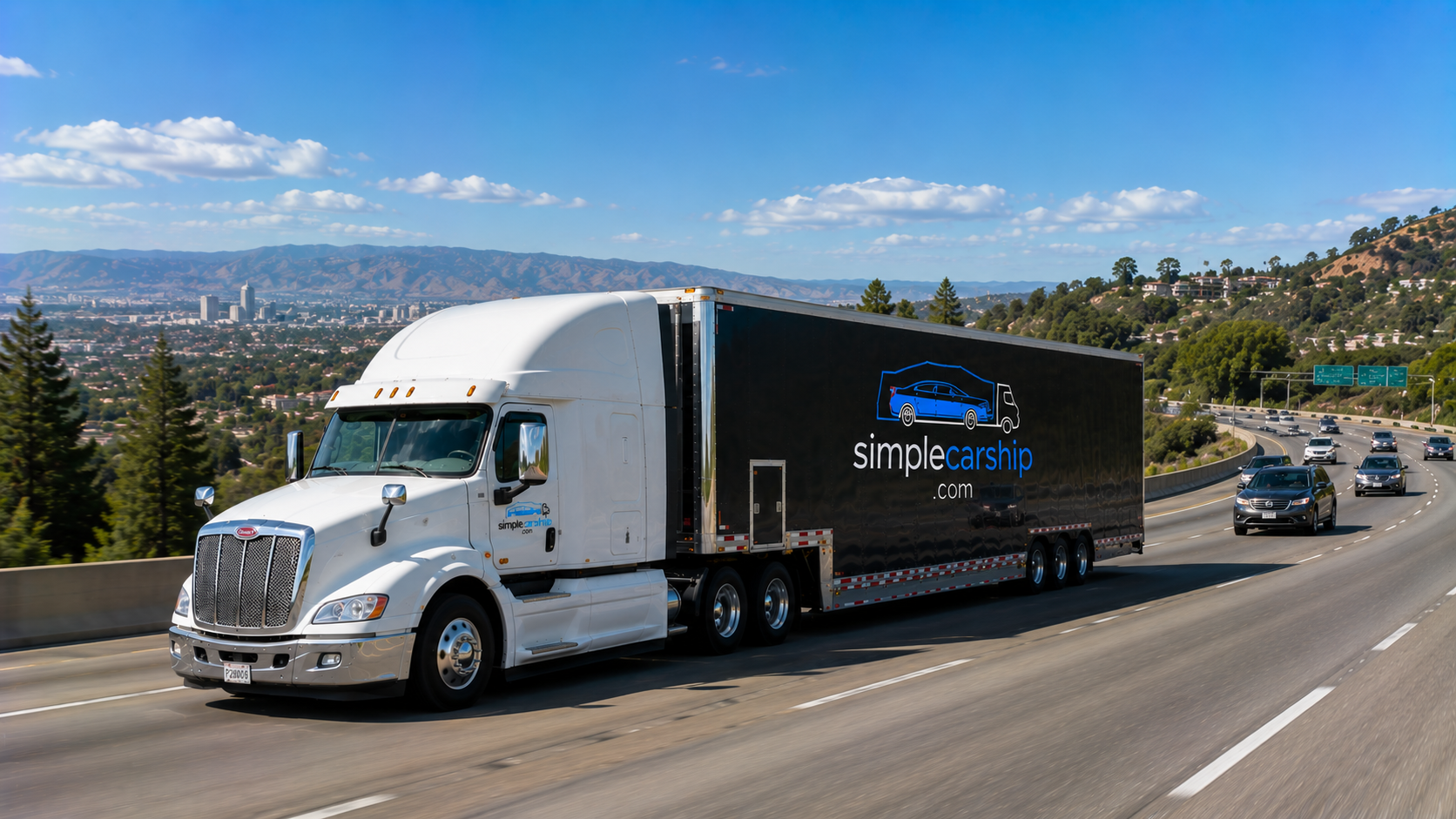
Charlotte and Raleigh anchor North Carolina pickup volume, but carriers also run regular routes through Greensboro, Durham, and Winston-Salem. If you’re outside a metro core—say, in the Outer Banks or the mountains near Asheville—you may need to meet the truck at a agreed-upon intersection or parking lot, since 75-foot car haulers can’t navigate every driveway or beach access road. Most of the time, though, residential and office pickup works fine; just make sure there’s clearance overhead (low-hanging branches are a problem) and enough street width for maneuvering.
On the Virginia end, Richmond and Virginia Beach see the highest delivery density, with Norfolk, Chesapeake, and the Northern Virginia suburbs (Arlington, Alexandria, Fairfax) close behind. Door-to-door service is standard in these areas. If you’re delivering to a military base—common given Virginia’s concentration of Navy and Army installations—you’ll typically meet the driver at the visitor gate, since commercial carriers can’t clear base security without pre-authorization that takes days. Plan that detail in advance, and it’s a non-issue. Delivery windows work the same way as pickup: the driver calls when they’re an hour out, you meet them, inspect the vehicle together, sign off, and you’re done.
How Simple Car Ship Handles Your North Carolina–Virginia Move
We don’t operate like the typical broker that posts your load to a dozen carriers and hopes someone bites. When you request a quote, you talk to a real person who knows the route, knows current carrier availability on the I-85/I-95 lanes, and can tell you honestly what’s realistic for your timeline. We hand-select carriers we’ve worked with before—companies with clean safety records, current insurance, and a track record of showing up on time and communicating along the way. Your shipment isn’t a load number in a dispatch queue; it’s a car you care about, and we treat it that way.
You’ll get a clear quote with no surprise fees, a dedicated contact who answers when you call, and proactive updates from pickup through delivery. If the carrier’s running an hour late, you’ll know before you’re standing in your driveway wondering where they are. If weather or a mechanical issue causes a delay—rare on a one- to three-day route, but it happens—we let you know immediately and tell you what we’re doing about it. Ship your car the simple way: real communication, no runaround, no guesswork. Get a free quote now and we’ll walk you through the options that make sense for your vehicle and schedule.
Frequently Asked Questions: North Carolina to Virginia Car Shipping
- How much does it cost to ship a car from North Carolina to Virginia?
- Open transport typically runs $800–$970 for the 295-mile trip, while enclosed service costs $1,275–$1,555. The final price depends on your vehicle’s size, your pickup and delivery locations, and how much scheduling flexibility you offer the carrier. Larger SUVs and trucks cost more than compact sedans.
- How long does it take to ship a car between these two states?
- Transit time is 1–3 days for both open and enclosed transport. Most shipments complete in one or two days because the route is short and runs along major interstates. Pickup scheduling adds a few days on the front end, so plan for five to seven days total from booking to delivery in your driveway.
- Is my car insured during transport from North Carolina to Virginia?
- Yes. Licensed carriers must carry at least $750,000 in liability coverage and typically $100,000 or more in cargo insurance. This covers damage that occurs in transit. Your personal auto policy may also provide secondary coverage, so check with your insurer. Take photos before loading for your records.
- Can I put personal items in the car during shipping?
- Carriers discourage it, and most prohibit items entirely, because personal belongings aren’t covered by cargo insurance and add weight. If you must pack something, keep it under 100 pounds, store it in the trunk, and understand it’s at your own risk. Never leave valuables, documents, or anything irreplaceable inside the vehicle.
- Do I need to be present for pickup and delivery?
- Yes, or you can designate someone over 18 to act on your behalf. The driver will conduct a joint inspection, document the vehicle’s condition on a bill of lading, and have you sign. The same process repeats at delivery. This protects both you and the carrier in case a dispute arises later.