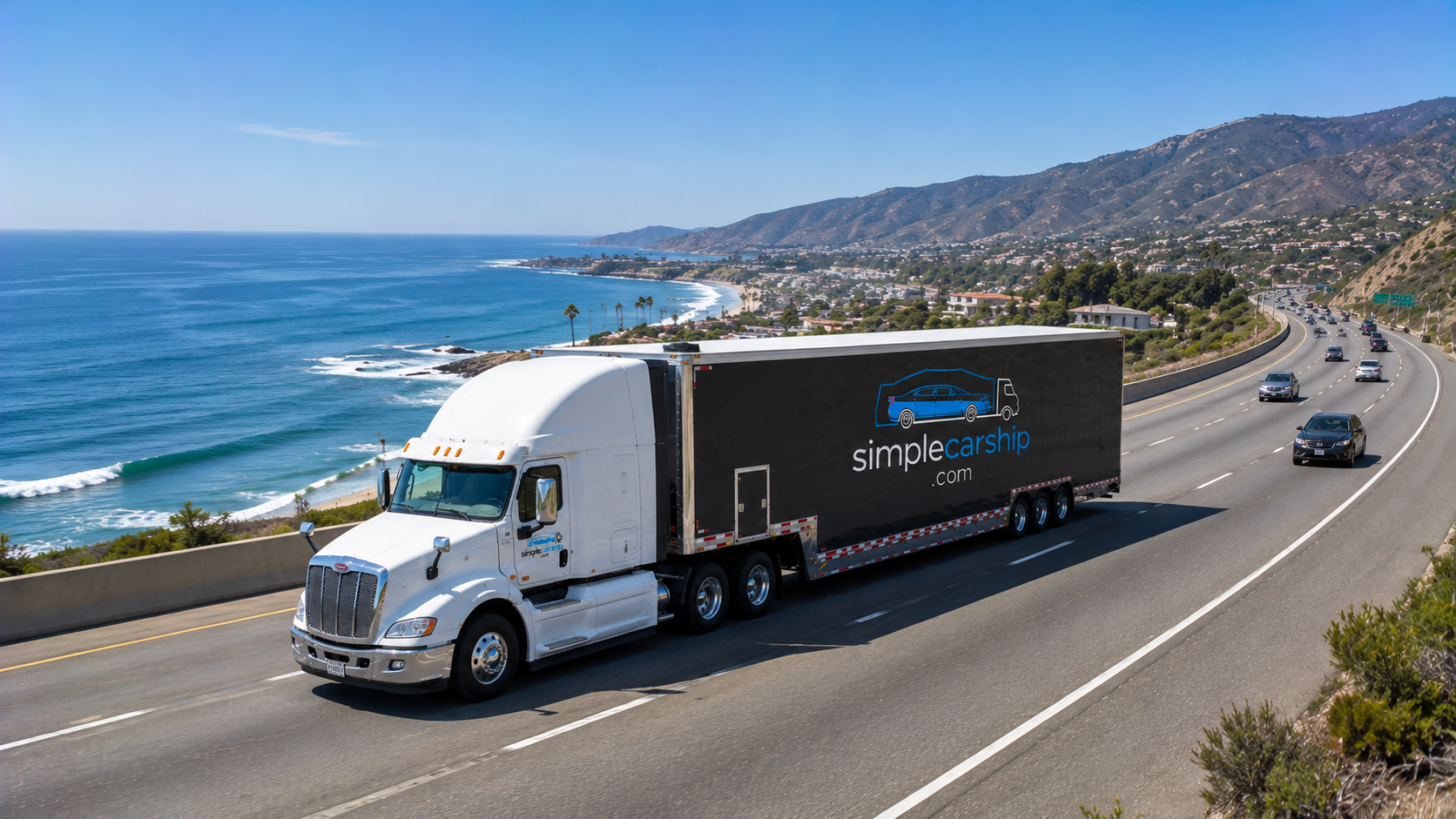
How Much Does It Cost to Ship a Car from New York to Washington?
Shipping a car from New York to Washington typically costs between $2,130 and $2,590 for open transport, or $3,405 to $4,145 for enclosed carriers. The 2,854-mile cross-country journey takes 5–7 days, and your final price depends on vehicle size, trailer type, season, and pickup flexibility. Here’s what moves the number—and how to ship your car the simple way.
Get your instant car shipping price
Real quote in seconds — no spam, no runaround.
What It Costs to Ship from New York to Washington
Open transport—the most common choice—runs $2,130 to $2,590 for standard sedans and SUVs on this route. Enclosed trailers, which shield your vehicle from weather and road debris inside a covered hauler, cost $3,405 to $4,145. If you need guaranteed pickup within 24–48 hours, expedited open service is available at around $3,470, though most customers find standard scheduling works fine for the 5- to 7-day transit window.
Several factors shift the price within those ranges. Larger vehicles—trucks, three-row SUVs—take more deck space and weigh more, so carriers charge a premium. Flexible pickup dates let dispatchers consolidate loads efficiently, often saving you $150 to $300. Delivering to a major metro like Seattle or Tacoma costs less than routing a truck to a rural address in eastern Washington, where the carrier may need to detour. Seasonal demand also matters: summer and early fall see higher volume as students relocate and families move, which can nudge prices upward by 10–15 percent.
Open vs Enclosed Transport for the New York–Washington Route
Open carriers move about 90 percent of vehicles nationwide, and for good reason: they’re safe, reliable, and cost-effective for daily drivers. Your car rides on a double-decker trailer alongside seven to nine others, exposed to weather but secured with wheel straps and chains. Across 2,854 miles you’ll cross interstate highways in excellent condition—I-80, I-90, I-84—so road-spray and dust are minimal. Most sedans, trucks, and SUVs arrive exactly as loaded.
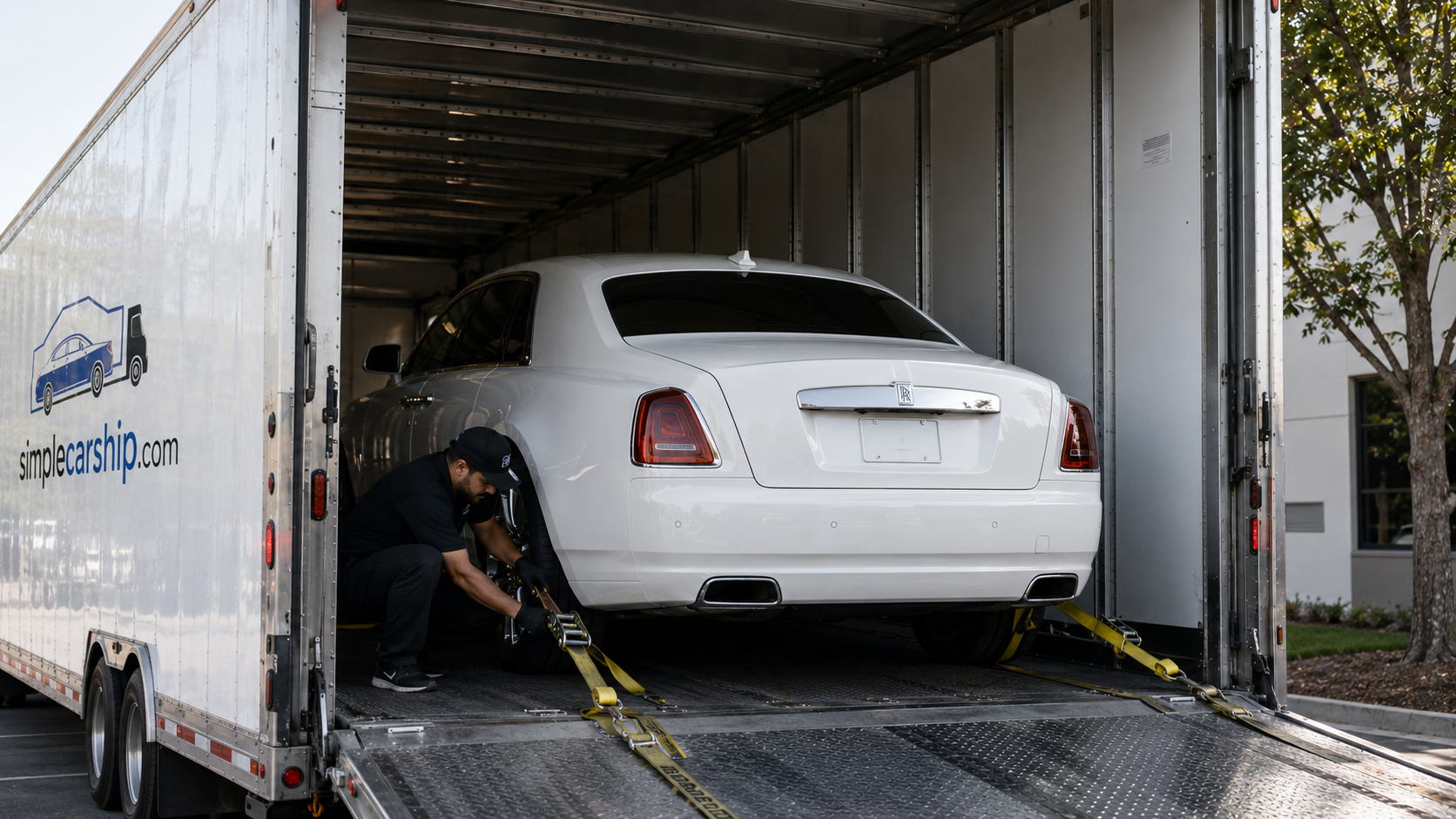
Enclosed transport makes sense when the vehicle justifies the premium. Classic cars, exotics, luxury models, or anything with custom paint benefits from full enclosure. The trailer holds fewer vehicles—usually two to six—and protects against rain, hail, and road grit. If you’re moving a Tesla Model S, a restored Mustang, or a high-mileage lease you want returned in pristine condition, the extra $1,200 to $1,600 buys real peace of mind. For a 2015 Honda Accord, open is almost always the right call.
| Feature | Open Transport | Enclosed Transport |
|---|---|---|
| Price (NY–WA) | $2,130–$2,590 | $3,405–$4,145 |
| Transit Time | 5–7 days | 5–7 days |
| Protection | Secured, weather-exposed | Fully enclosed, climate-safe |
| Best For | Daily drivers, standard vehicles | Classics, luxury, high-value cars |
Pickup in New York and Delivery in Washington
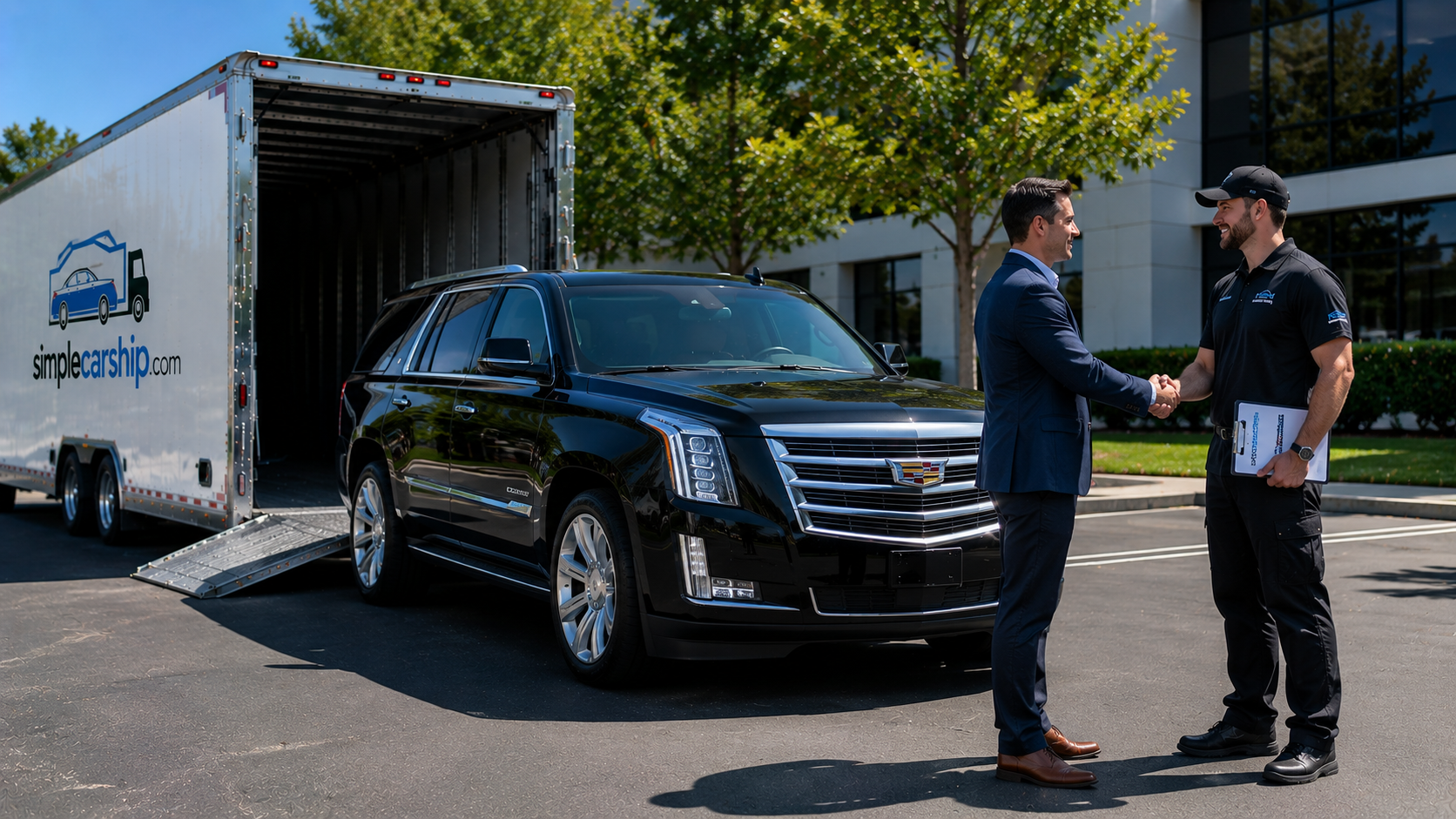
Carriers run regular routes through New York City, Long Island, and Buffalo, so pickup scheduling is straightforward. If you’re in Manhattan or Brooklyn, expect to meet the truck at a nearby accessible street or parking lot—full-size car carriers can’t navigate narrow city blocks or underground garages. Long Island and Buffalo customers usually enjoy door-to-door service, provided the street allows a 75-foot rig to maneuver. Your driver will call 24 hours ahead to confirm the window and walk-around inspection.
On the Washington side, Seattle and Tacoma see steady carrier traffic, which keeps prices competitive and transit predictable. Delivery works the same way: the driver contacts you a day out, you meet the truck, and you inspect the vehicle together before signing the bill of lading. If you’re outside the major metros—Spokane, Bellingham, Olympia—the carrier may ask you to meet at a nearby truck stop or shopping-center lot. That’s normal and saves you money, since the driver avoids a long rural detour that would otherwise inflate your quote.
Transit Time and When to Book
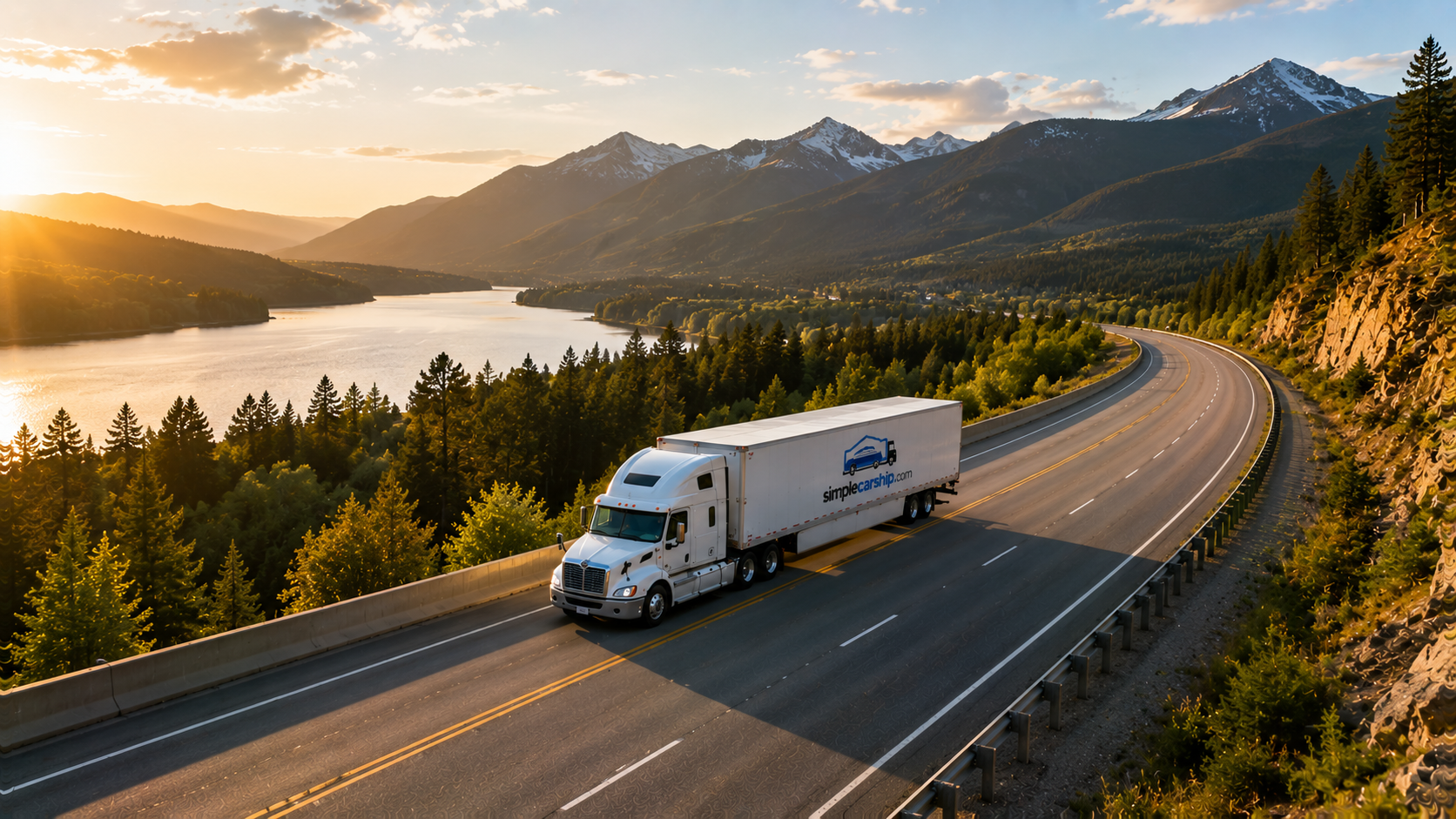
The 2,854-mile haul from New York to Washington takes 5 to 7 days under normal conditions. Drivers cover 400 to 500 miles per day—federal hours-of-service rules cap daily driving—and the route follows well-maintained interstates with minimal weather disruption outside of winter. Most carriers depart within two to five days of your order, depending on how quickly they can consolidate a full load heading west. If you need faster service, expedited dispatch guarantees pickup within 24 to 48 hours for about $3,470, useful when coordinating a cross-country move or tight dealership delivery.
Book at least one to two weeks ahead when possible. That gives dispatchers time to match your vehicle with a carrier already planning a westbound run, which keeps costs down. Last-minute orders—24 to 72 hours out—are doable but may cost 15 to 25 percent more, since the broker has to pull a truck off another route or incentivize a driver to adjust schedule. Summer months and holiday weekends see the highest demand, so spring and fall often deliver slightly lower quotes and faster carrier assignment.
How Simple Car Ship Handles New York to Washington
We assign every shipment a dedicated coordinator who vets the carrier, tracks the truck, and answers your texts and calls—no ticket queues, no offshore call centers. You’ll get the driver’s direct number before pickup so you can coordinate on your terms. Your shipment isn’t a load number shuffled between dispatch desks; it’s your car, and we treat it that way. Clear quotes upfront, real communication throughout, no runaround.
When you request a quote, we pull current lane rates for the New York–Washington corridor, check carrier availability, and send you a firm number within an hour. No bait-and-switch, no hidden fuel surcharges discovered at delivery. Once you book, we hand-pick a carrier based on insurance, safety scores, and route history—no auto-assign algorithms dumping your Audi on the cheapest bid. You’ll receive pickup and delivery estimates, tracking updates, and a final call when the driver is an hour out. Ship your car the simple way: honest pricing, human support, no guesswork.
Ready to move your car from New York to Washington? Get a clear, honest quote in 60 seconds—no phone call required, no pressure, just the real number and the next steps.
Frequently Asked Questions
How much does it cost to ship a car from New York to Washington?
Open transport costs $2,130 to $2,590 for the 2,854-mile route, while enclosed trailers run $3,405 to $4,145. Final price depends on vehicle size, pickup flexibility, and season. Expedited service is available at approximately $3,470 if you need guaranteed pickup within 24 to 48 hours.
How long does it take to ship a car from New York to Washington?
Transit typically takes 5 to 7 days once the carrier picks up your vehicle. Drivers cover 400 to 500 miles per day on this 2,854-mile cross-country route, following I-80, I-90, and I-84. Pickup usually occurs within two to five days of booking, depending on carrier consolidation schedules.
Should I choose open or enclosed transport for New York to Washington?
Open transport works well for daily drivers and standard vehicles, costing $2,130 to $2,590. Enclosed makes sense for classics, luxury cars, or high-value vehicles where the $3,405 to $4,145 premium buys full weather protection and lower exposure to road debris across the 2,854-mile journey.
Can carriers pick up in New York City or deliver to Seattle?
Yes. Carriers serve New York City, Long Island, and Buffalo regularly, though Manhattan pickups often require meeting the truck at an accessible street location. Seattle and Tacoma see steady traffic, enabling door-to-door delivery in most neighborhoods. Rural Washington addresses may require meeting at a nearby truck stop.
When should I book my New York to Washington car shipment?
Book one to two weeks ahead for the best rates and carrier selection. Dispatchers can consolidate your vehicle with others on westbound routes, lowering costs. Last-minute orders within 24 to 72 hours are possible but typically cost 15 to 25 percent more due to expedited scheduling and load adjustments.