New Jersey to Oregon: live carrier pricing
| Open transport (most vehicles) | $2,535 – $3,085 |
| Enclosed transport | $4,055 – $4,935 |
| Lane distance | 2,901 miles |
| Typical transit | 5–7 days |
Quoted from our carrier network on September 29, 2026 for a standard operable car, door to door.
Auto transport is a live market, so your exact price depends on vehicle size, timing and current truck availability on this lane.
How Much Does It Cost to Ship a Car from New Jersey to Oregon?
Shipping a car from New Jersey to Oregon typically costs between $1,980 and $2,410 for open transport, or $3,165 to $3,855 for enclosed transport across the 2,901-mile route. The final price depends on your vehicle type, the trailer style you choose, seasonal demand, and how flexible you can be with pickup timing. Here’s exactly what moves the number—and what you’ll actually pay.
Get your instant car shipping price
Real quote in seconds. Enter your details and we’ll show your price instantly.
No spam — we only use this to send your quote and confirm your booking.
What You’ll Pay to Ship from New Jersey to Oregon
For standard open-carrier service—the method most people use—budget $1,980 to $2,410 for a sedan or small SUV. Larger vehicles (full-size trucks, three-row SUVs) add $150–$250 to the quote because they occupy more deck space and add weight. Enclosed transport, which shields your car inside a covered trailer, runs $3,165 to $3,855 and makes sense for collector cars, luxury vehicles, or anything you’d rather not expose to 2,900 miles of road spray and weather.
If you need guaranteed pickup within 24–48 hours, expedited service costs around $3,227 for open transport. That premium buys you a reserved spot on the next available truck, but most customers save that for emergency relocations or tight move-in deadlines. Flexible timing—giving the carrier a three-to-five-day pickup window—keeps the price in the standard range and usually gets your car on a truck just as fast during normal seasons.
How the Cross-Country Route Works
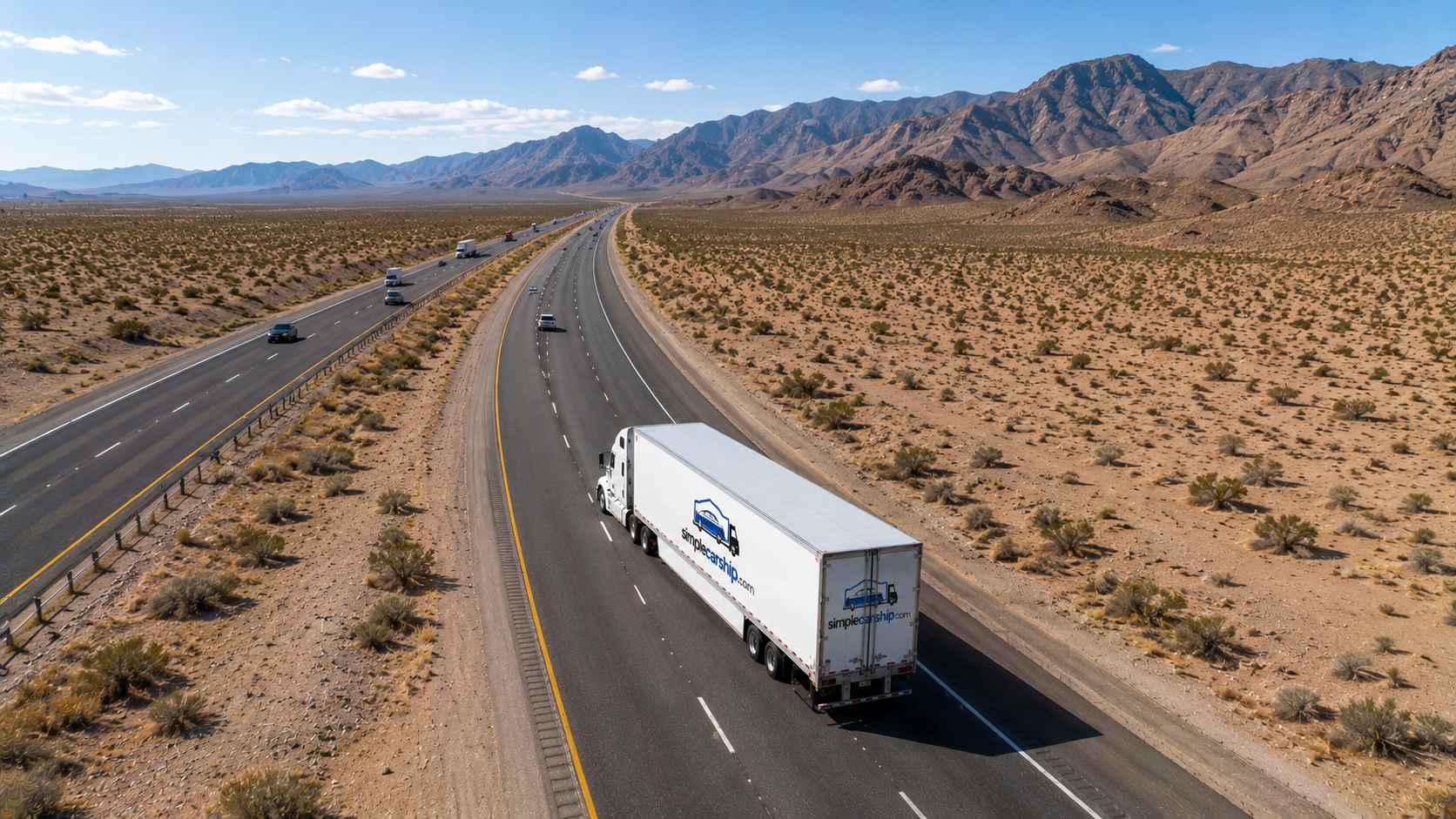
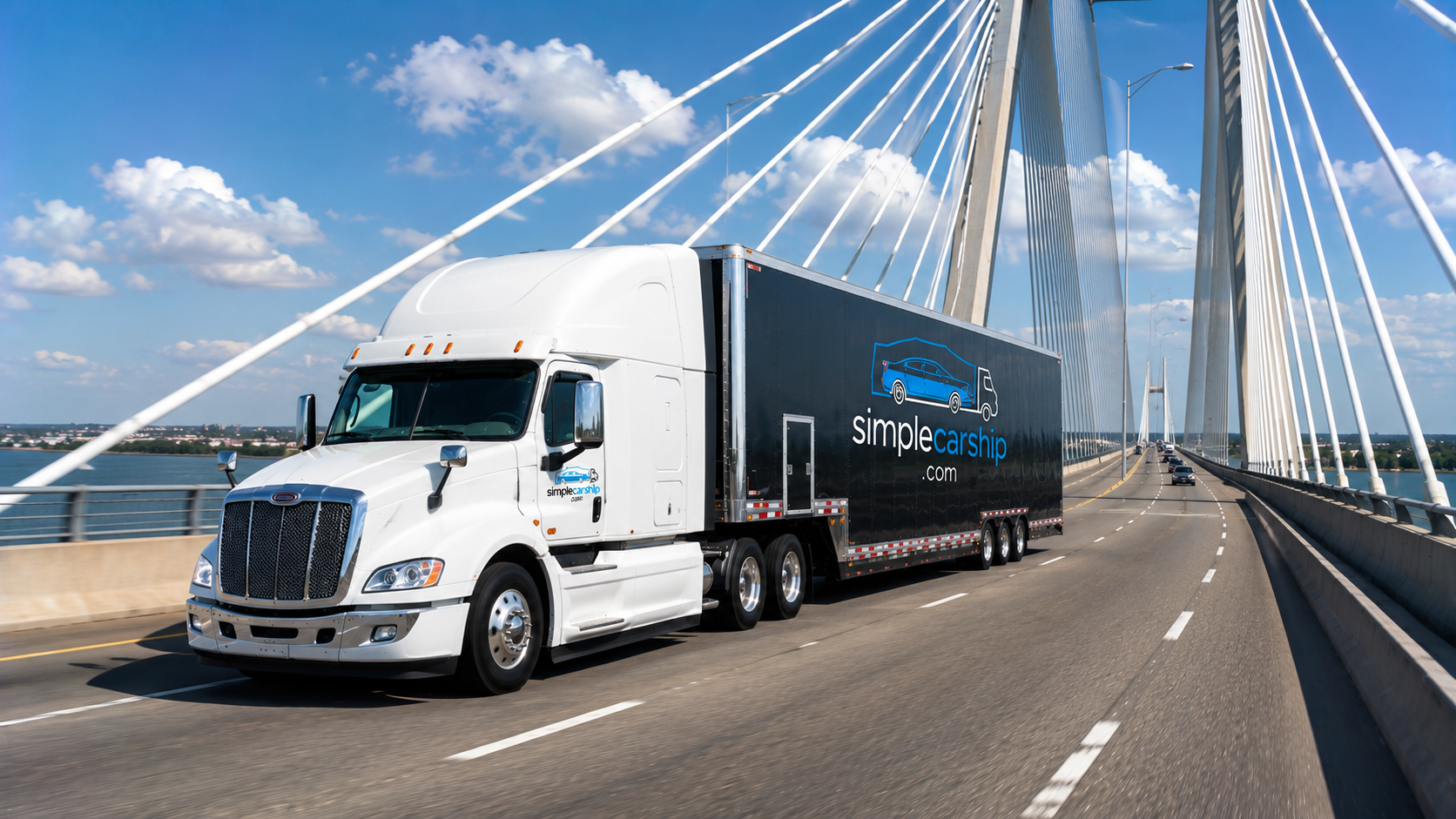
Carriers running New Jersey to Oregon typically pick up in the Newark and Jersey City metro areas, then head west through Pennsylvania, across the Midwest, and up through Idaho before delivering to Portland or Eugene. The 2,901-mile haul takes five to seven days in transit once your vehicle is loaded. That window accounts for mandatory driver rest breaks, fuel stops, and any other vehicles sharing the truck that get dropped off along the I-80 and I-84 corridors.
Most auto transporters consolidate multiple cars onto a single carrier to keep costs efficient, so your pickup date will depend on the carrier filling the remaining deck spots headed west. During high-volume months—summer moves and fall college terms—trucks fill faster. If you’re shipping from a smaller town outside the Newark metro, expect the driver to meet you at a nearby truck-accessible location rather than navigating residential streets with a 75-foot rig.
Open vs. Enclosed: Which Makes Sense for This Route
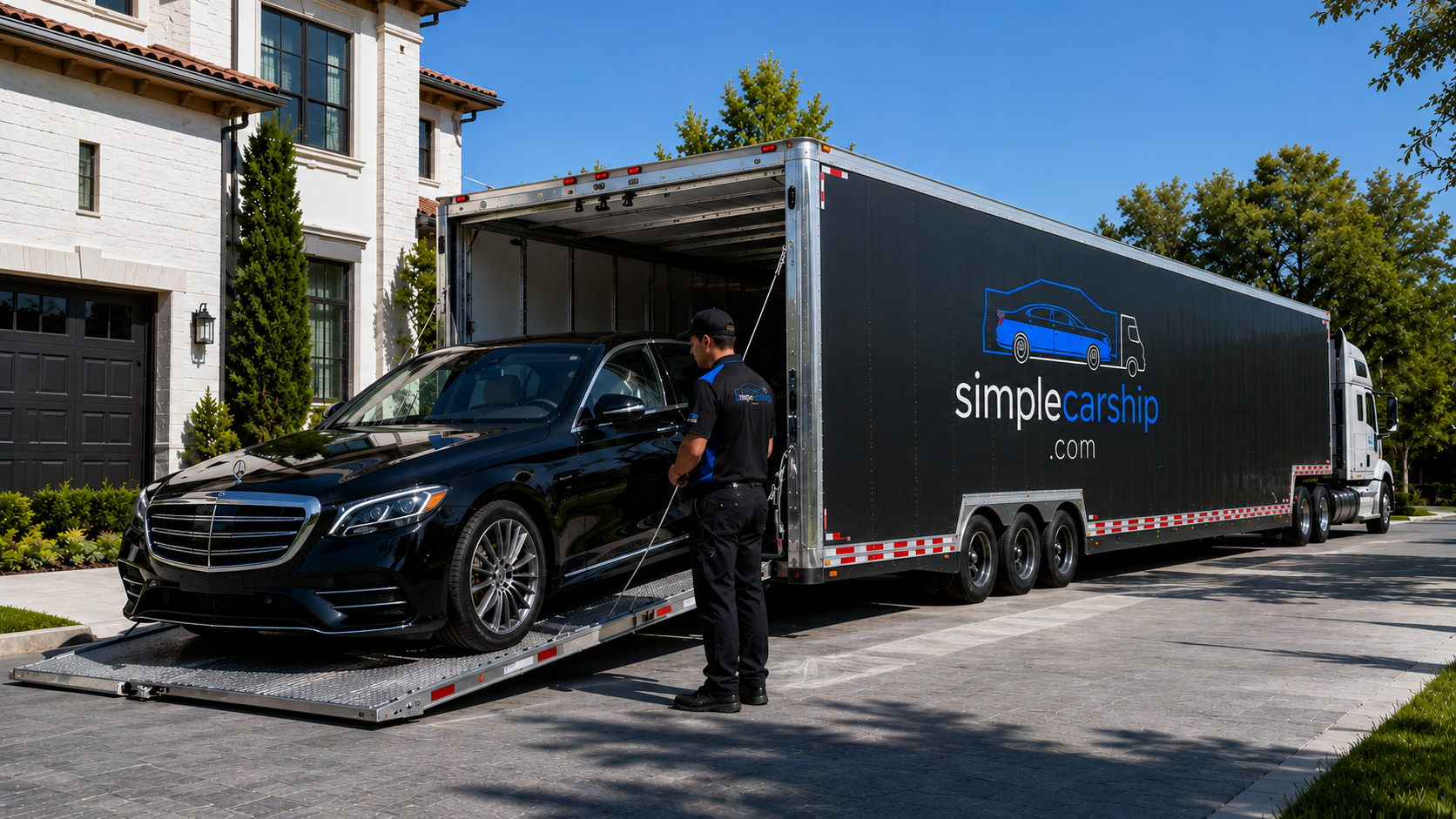
Open transport is the workhorse of the industry and handles 90% of cross-country shipments, including dealership transfers and fleet vehicles. Your car rides on an exposed two-level trailer—the same rigs you see on the highway every day. It’s completely safe for daily drivers, and the savings over enclosed service ($1,185 to $1,445) let you put that money toward your move or your new place in the Pacific Northwest.
Enclosed transport is worth the premium when the vehicle itself justifies it: classics, exotics, recent high-end purchases, or anything with custom paint you’d rather not risk. The enclosed trailer shields your car from weather, road debris, and prying eyes at truck stops. For a stock commuter sedan or family SUV making the Jersey-to-Oregon run, open is the pragmatic choice. For a restored muscle car or a six-figure luxury vehicle, the enclosed cost is small relative to the asset you’re protecting.
| Feature | Open Transport | Enclosed Transport |
|---|---|---|
| Price (NJ→OR) | $1,980–$2,410 | $3,165–$3,855 |
| Transit Time | 5–7 days | 5–7 days |
| Protection Level | Weather/road exposure | Fully enclosed trailer |
| Best For | Daily drivers, standard vehicles | Classics, luxury, high-value cars |
Pickup in New Jersey, Delivery in Oregon
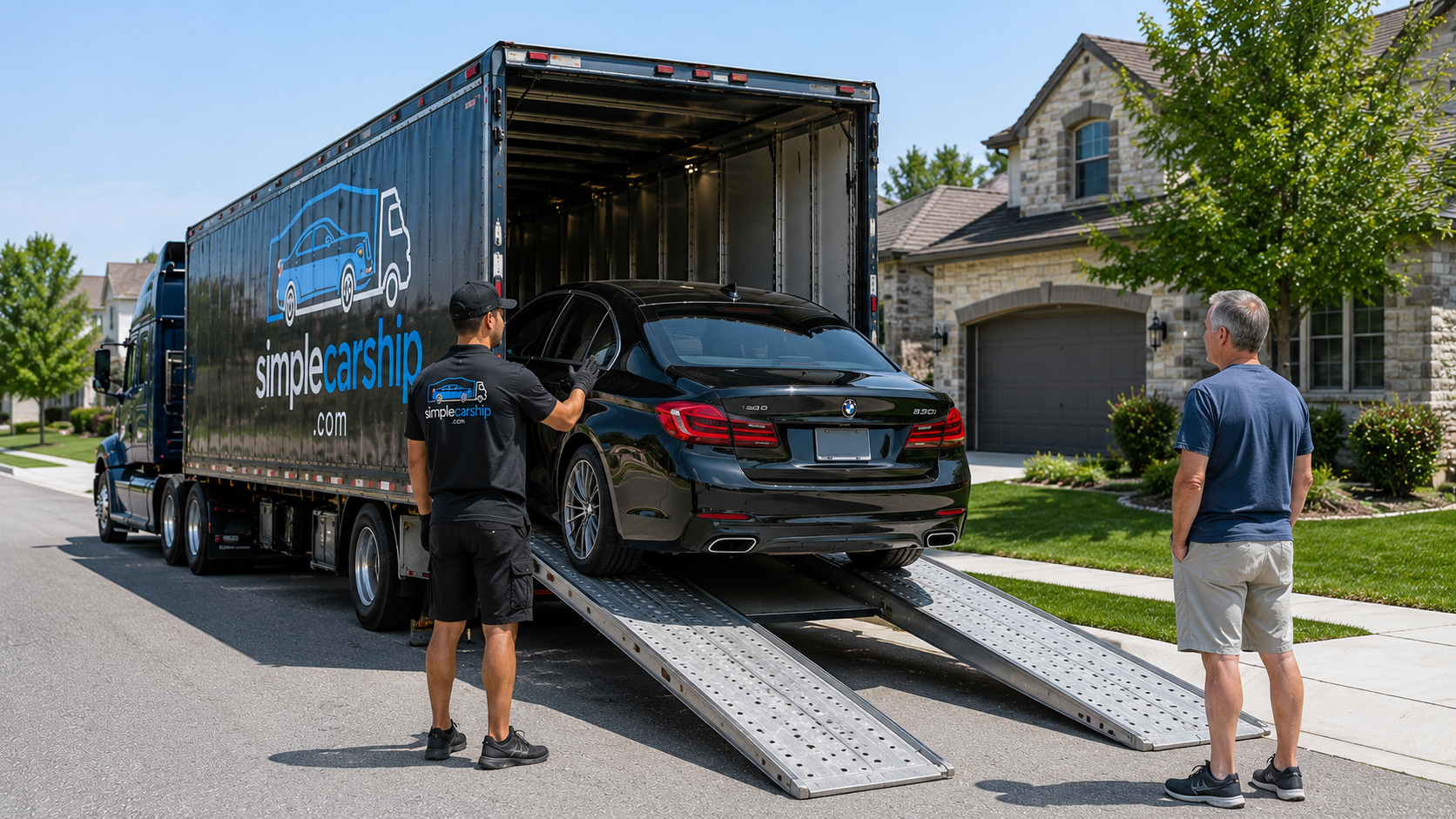
Carriers service the dense Newark and Jersey City corridor daily, so scheduling pickup is straightforward. You’ll do a walk-around inspection with the driver, note any existing damage on the Bill of Lading, hand over one key, and get a copy of the signed paperwork and the carrier’s insurance certificate. If you’re in a suburban or rural part of New Jersey, the dispatcher will arrange a nearby meeting point—usually a shopping center or park-and-ride lot—where the truck can safely load your vehicle.
On the Oregon end, delivery concentrates around Portland and Eugene, the state’s two largest metros and the natural endpoints for I-84 and I-5 traffic. If you’re headed to Bend, Medford, or the coast, the driver will often meet you partway or deliver to the nearest major hub, and you’ll drive the final leg yourself. Confirm the delivery metro when you book so there are no surprises. The carrier will call 12–24 hours before arrival so you can be present for the final inspection and sign-off.
How Simple Car Ship Handles the Jersey-to-Oregon Run
We broker this route by hand-selecting carriers with strong safety records and consistent cross-country availability. You’ll get a firm quote that reflects real market rates—no bait-and-switch “deposit now, real price later” games. Once you book, we assign a dedicated coordinator who tracks your shipment from pickup to delivery and answers calls and texts during business hours. Your shipment isn’t a load number in a dispatch queue; it’s a car you trust us to move 2,900 miles.
We don’t contract with fly-by-night operators or carriers who consistently miss windows. Every transporter in our network carries the federally required $750,000–$1,000,000 cargo insurance, and we verify active FMCSA authority before assigning your vehicle. That vetting process—and our willingness to tell you “no” if the price or timing doesn’t work—is how we keep the process transparent and the surprises to zero. Get a clear quote for your New Jersey to Oregon shipment here.
Frequently Asked Questions: New Jersey to Oregon Car Shipping
How long does it take to ship a car from New Jersey to Oregon?
Transit takes five to seven days once your vehicle is loaded onto the carrier. The 2,901-mile route follows I-80 west through Pennsylvania and the Midwest, then I-84 into Oregon. Pickup scheduling adds one to three days depending on carrier availability and your flexibility with the window.
Is open transport safe for the cross-country distance from New Jersey to Oregon?
Yes. Open carriers move hundreds of thousands of vehicles cross-country every year, including new dealer inventory worth tens of millions. Your car is secured with wheel straps and travels on the same professional rigs you see on the highway daily. Road grime and weather exposure are cosmetic only and wash off easily.
Why does enclosed transport cost $1,200 to $1,400 more for this route?
Enclosed trailers carry fewer vehicles—typically two to six cars instead of eight to ten—and demand for enclosed service is higher relative to available trucks. That scarcity drives the premium. The cost reflects real market economics, not arbitrary markup, and makes sense when you’re shipping a high-value or collector vehicle across 2,900 miles.
Can I put personal items inside the car during the New Jersey to Oregon shipment?
Carriers allow up to 100 pounds in the trunk or rear cargo area, below window level, but personal belongings aren’t covered by the carrier’s cargo insurance. FMCSA regulations prohibit hauling household goods on auto transporters, so keep items light—tools, floor mats, a spare tire—and nothing valuable or irreplaceable.
What’s the best time of year to ship a car from New Jersey to Oregon?
Carrier availability stays consistent year-round on this high-traffic east-west route. Spring and summer see slightly higher volume due to moving season, but winter weather in the Midwest or mountain passes can occasionally add a day to transit. Booking two weeks ahead gives you the widest carrier selection and avoids any last-minute expedite fees.