How Much Does It Cost to Ship a Car from New Jersey to Nevada?
Shipping a car from New Jersey to Nevada typically costs between $1,565 and $1,905 for open transport, or $2,505 to $3,050 for enclosed. The 2,527-mile cross-country haul takes 4–6 days, and your final price depends on trailer type, your vehicle’s size and condition, seasonal demand, and how flexible you are with pickup timing. Here’s what moves the number—and what to expect when you’re planning this route.
Get your instant car shipping price
Real quote in seconds — no spam, no runaround.
What You’ll Pay to Ship from New Jersey to Nevada
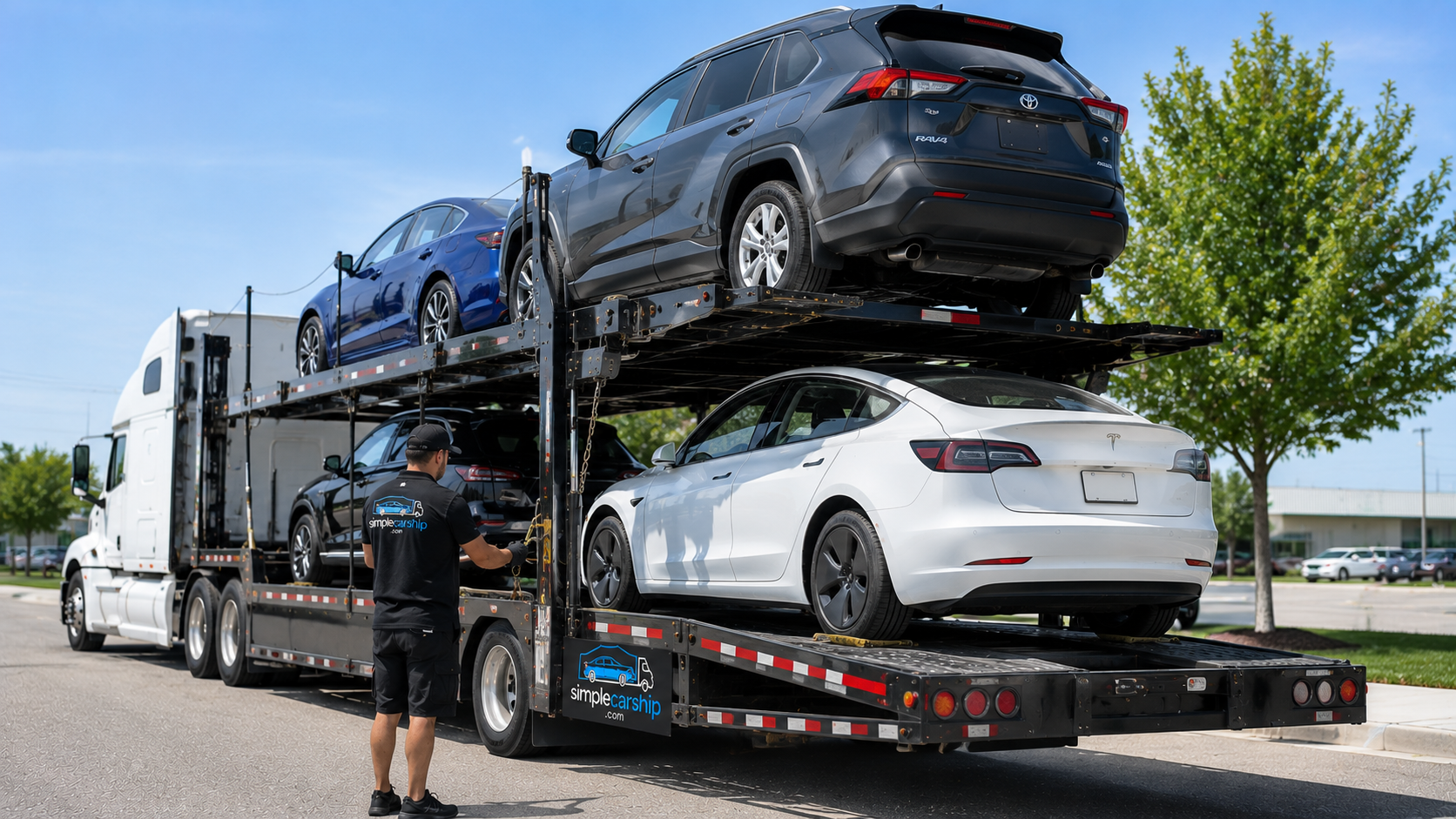
For a standard sedan on an open carrier, budget $1,565–$1,905. That’s the workhorse option—your car rides on a multi-vehicle trailer exposed to weather, just like every car driving cross-country anyway. If you’re moving a high-value vehicle, a classic, or something you want shielded from road spray and sun, enclosed transport runs $2,505–$3,050. Enclosed costs roughly 60% more, but you’re buying walls, a roof, and often single-level loading with fewer vehicles per trailer.
The price swings inside those ranges for a few concrete reasons. A lifted truck or three-row SUV takes up more deck space than a compact, so carriers charge a weight and size premium—often $150–$250 extra. If your car doesn’t run, the carrier needs a winch and extra labor; add another $150–$200. Pickup and delivery zip codes matter too: a suburb of Newark ships cheaper than a rural town an hour west, because the carrier can slot you into an existing route. Flexible pickup windows (3–5 days) beat “I need it Tuesday” every time; tight dates shrink the carrier pool and raise bids. If speed is non-negotiable, expedited service runs about $2,552 for priority dispatch and tighter delivery windows.
Open vs. Enclosed: Which Makes Sense for This Route
Open transport is the default for New Jersey–Nevada, and for good reason—it’s safe, efficient, and costs 40% less. Your vehicle is secured on an open-air trailer, the same kind that delivers cars to dealerships nationwide. Weather exposure is minimal risk on a 4–6 day transit; modern carriers use soft straps and wheel chocks, and damage claims are rare (under 1% industry-wide). Choose open unless your car has collector plates, a custom paint job, or a value north of $75,000.
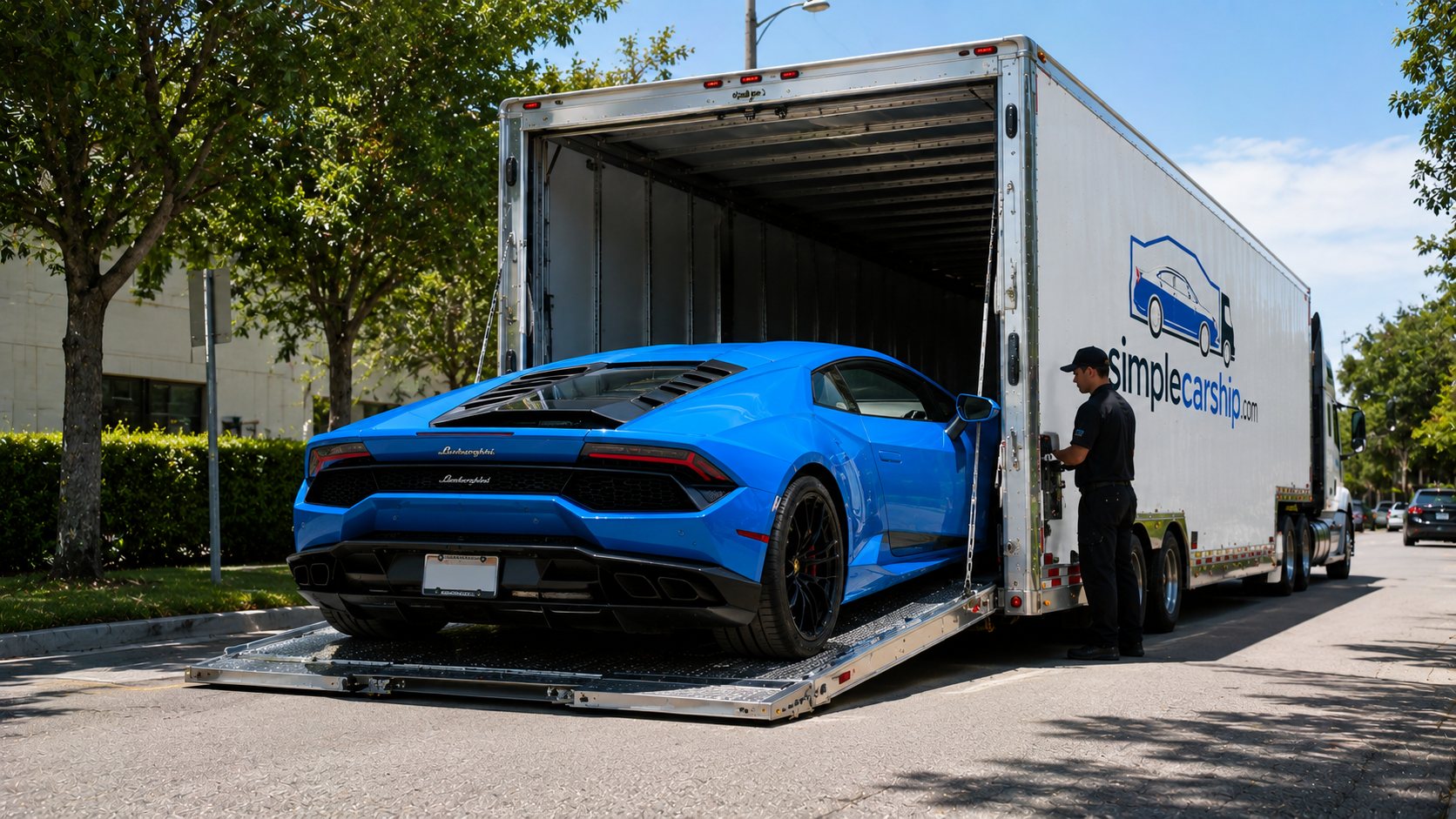
Enclosed makes sense for luxury sedans, exotic sports cars, vintage muscle, or any vehicle where a single door ding costs four figures to repair. The trailer is fully walled, often climate-controlled, and limited to 2–6 cars instead of 8–10. You’re also buying white-glove service—drivers trained on high-value loads, slower loading, sometimes air-ride suspension. For a Tesla Model S or a resto-mod Porsche 911 headed to Las Vegas, the extra $940–$1,145 is cheap insurance.
Pickup in New Jersey, Delivery in Nevada
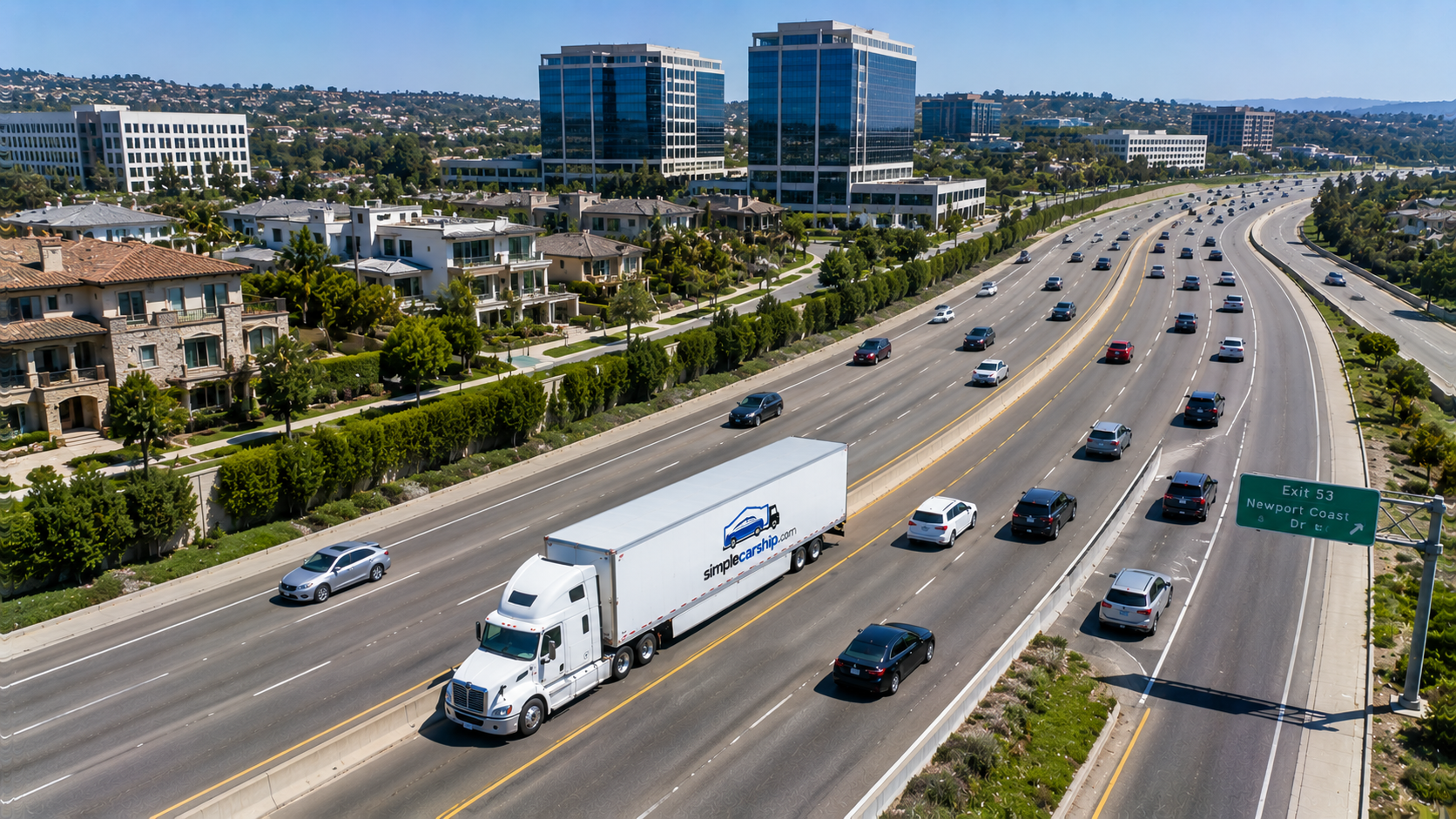
Most New Jersey pickups cluster around Newark and Jersey City, where I-95, I-80, and the Turnpike create natural carrier lanes heading west. If you’re in Bergen, Essex, Hudson, or Union counties, you’re in the freight sweet spot—carriers run these arteries daily, so dispatch is faster and pricing is competitive. Farther south near Trenton or into the Pine Barrens, expect minor route deviation fees or a meet-point at a truck-friendly plaza. Carriers avoid tight residential streets and low-clearance neighborhoods; if your driveway can’t fit a 75-foot rig, you’ll arrange a nearby shopping center or park-and-ride.
On the Nevada end, Las Vegas dominates delivery volume—it’s a major metro with easy freeway access and a steady stream of inbound vehicles from relocations, second homes, and online car purchases. Reno is the second hub, especially for Northern California overflow. Both cities offer door-to-door service to most ZIP codes; outlying areas like Elko, Pahrump, or rural Lyon County may require a meet-point or incur a $75–$150 delivery surcharge. Communicate your exact addresses up front so the broker can confirm trailer accessibility before dispatch.
Timing: How Long New Jersey to Nevada Takes
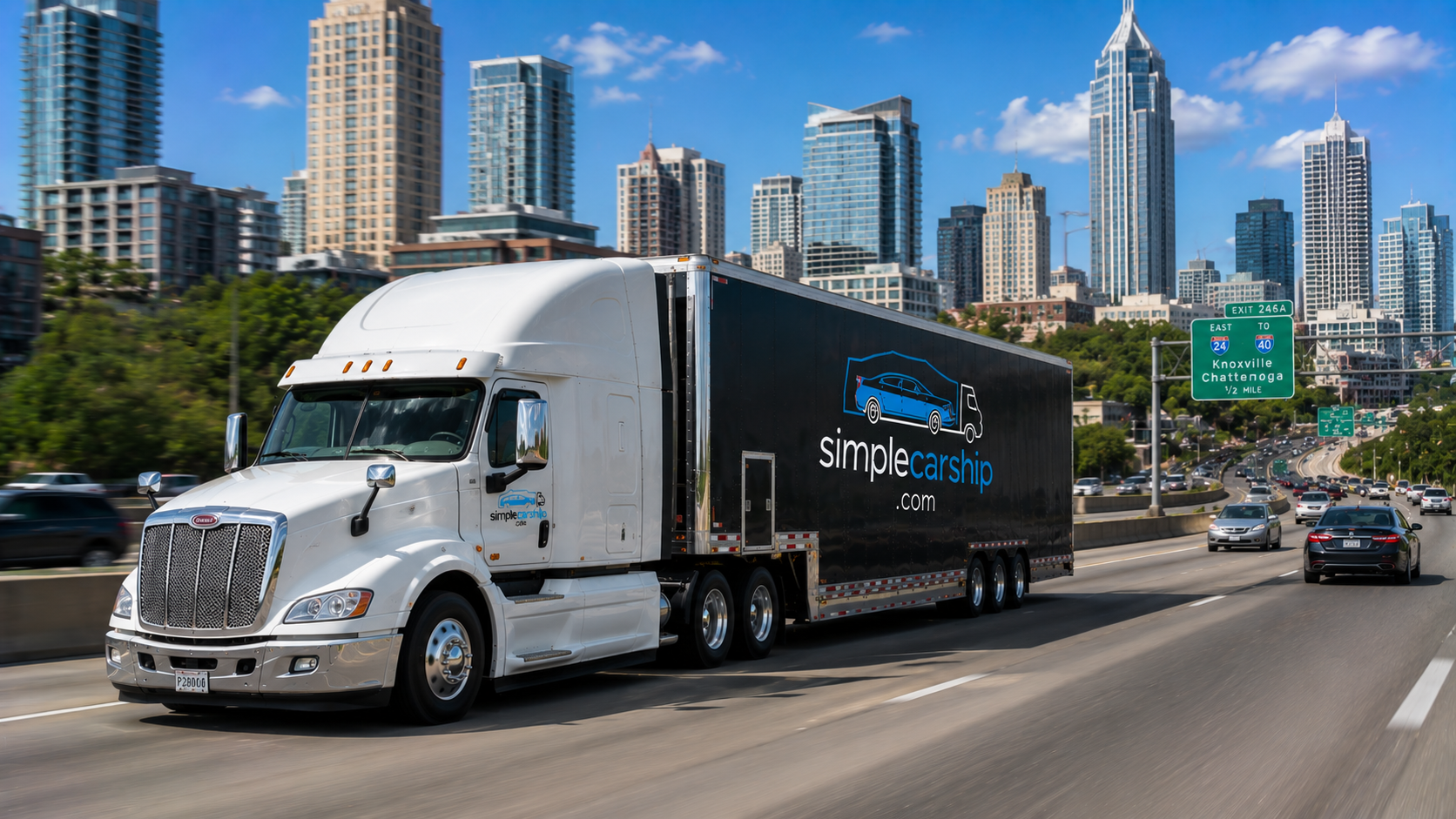
Transit averages 4–6 days for the 2,527-mile run. Day one is usually pickup and local positioning; days two through five are highway miles across Pennsylvania, Ohio, Indiana, Illinois, Iowa, Nebraska, Wyoming, and Utah before dropping into Nevada. Drivers log 500–600 miles per day under DOT hours-of-service rules, with mandatory rest breaks. Weather rarely disrupts this route outside of winter—summer and fall are smooth sailing, while January and February can add a half-day if the Rockies or Sierra passes see snow closures.
If you need guaranteed pickup on a specific date, say so when you book. Standard dispatch windows are 1–5 days; tighter windows cost more because the broker has fewer carriers to choose from. Once your car is loaded, most drivers update you at state lines or fuel stops. Professional outfits share GPS check-ins or at minimum a phone call halfway through. Avoid brokers who go silent after pickup—communication is how you know your $30,000 asset is in good hands.
How Simple Car Ship Handles New Jersey–Nevada
We don’t post your load on a board and wait for the lowest bid. Instead, we match your shipment with a carrier we’ve vetted—insurance verified, safety scores checked, and proven on long-haul cross-country routes. You’ll get a clear quote that reflects real market pricing for the week you’re shipping, not a bait number that jumps at booking. Once you confirm, we assign a coordinator who stays with your shipment from pickup to delivery, so you’re never handed off to a call center or left guessing where your car is somewhere in Nebraska.
Your shipment isn’t a load number. It’s your daily driver heading to a new job in Reno, or the weekend Corvette you just bought sight-unseen from a Parsippany dealer. We treat it that way—real human support, no runaround, and carriers who understand that a scratch or a no-show costs you time and money. Ship your car the simple way: clear quotes, real communication, and a process designed around the person handing over the keys.
| Feature | Open Transport | Enclosed Transport |
|---|---|---|
| Price (NJ–NV) | $1,565–$1,905 | $2,505–$3,050 |
| Transit Time | 4–6 days | 4–6 days |
| Protection | Weather-exposed, fully insured | Enclosed trailer, premium coverage |
| Best For | Daily drivers, sedans, SUVs | Luxury, classic, exotic vehicles |
Ready to ship your car from New Jersey to Nevada?
Get a transparent quote in two minutes—no phone tag, no fake urgency, just the real number and a coordinator who’ll walk you through every mile. Start your quote now.
Frequently Asked Questions: New Jersey to Nevada Car Shipping
How much does it cost to ship a car from New Jersey to Nevada?
Open transport costs $1,565–$1,905, while enclosed transport runs $2,505–$3,050 for the 2,527-mile route. Your final price depends on vehicle size, operability, trailer type, and pickup flexibility. Larger SUVs and non-running cars add $150–$250 to the base quote.
How long does shipping from New Jersey to Nevada take?
Transit takes 4–6 days covering 2,527 miles. Drivers average 500–600 miles daily under federal hours-of-service rules. Weather delays are rare except winter storms in Wyoming or Utah passes, which may add half a day in January or February.
Should I choose open or enclosed transport for this route?
Open is sufficient for daily drivers and standard sedans—it’s safe, insured, and costs 40% less. Enclosed is worth the premium for luxury, classic, or exotic vehicles where protection from road debris and weather justifies the extra $940–$1,145.
Can you pick up anywhere in New Jersey and deliver anywhere in Nevada?
Most Newark, Jersey City, and northern New Jersey addresses offer door-to-door service. In Nevada, Las Vegas and Reno have full coverage; rural areas like Elko or Pahrump may require a meet-point or $75–$150 delivery fee due to trailer size restrictions.
What if I need my car delivered faster than six days?
Expedited service costs about $2,552 and prioritizes your vehicle for next-available dispatch with tighter delivery windows. It doesn’t break DOT driving limits, but cuts wait time by assigning a dedicated driver and skipping multi-stop route optimization used in standard transport.