New Jersey to Louisiana: live carrier pricing
| Open transport (most vehicles) | $1,465 – $1,785 |
| Enclosed transport | $2,345 – $2,855 |
| Lane distance | 1,291 miles |
| Typical transit | 2–4 days |
Quoted from our carrier network on September 29, 2026 for a standard operable car, door to door.
Auto transport is a live market, so your exact price depends on vehicle size, timing and current truck availability on this lane.
How Much Does It Cost to Ship a Car from New Jersey to Louisiana?
Shipping a car from New Jersey to Louisiana costs between $905 and $1,100 for open transport, or $1,445 to $1,760 for enclosed service across the 1,291-mile route. The final price depends on your vehicle type, the exact pickup and delivery cities, current carrier availability, and whether you need expedited service. Understanding what moves the number helps you plan accurately and avoid surprises.
Get your instant car shipping price
Real quote in seconds — no spam, no runaround.
What You’ll Pay to Ship from New Jersey to Louisiana
Open transport—the method that moves 90% of vehicles nationwide—runs $905 to $1,100 for the New Jersey–Louisiana corridor. Your car rides on a multi-level carrier alongside other vehicles, exposed to weather but fully insured. Enclosed transport, where your vehicle travels inside a covered trailer, costs $1,445 to $1,760 and makes sense for luxury cars, classics, or anything with a custom paint job you’d rather not risk.
Several factors push your quote toward the higher or lower end of these ranges. Larger vehicles—trucks, SUVs, or anything that weighs more or takes up extra carrier space—cost more to ship. Pickup or delivery in rural areas outside Newark or New Orleans adds mileage and time, which raises the price. Seasonal demand matters too: summer and early fall see heavier volume as students move and families relocate, tightening carrier availability. If you need your car to arrive within a specific two-day window, expedited service costs around $1,472 for open transport, reflecting the premium carriers charge to prioritize your load and skip other stops.
Open vs. Enclosed: Which Makes Sense for This Route
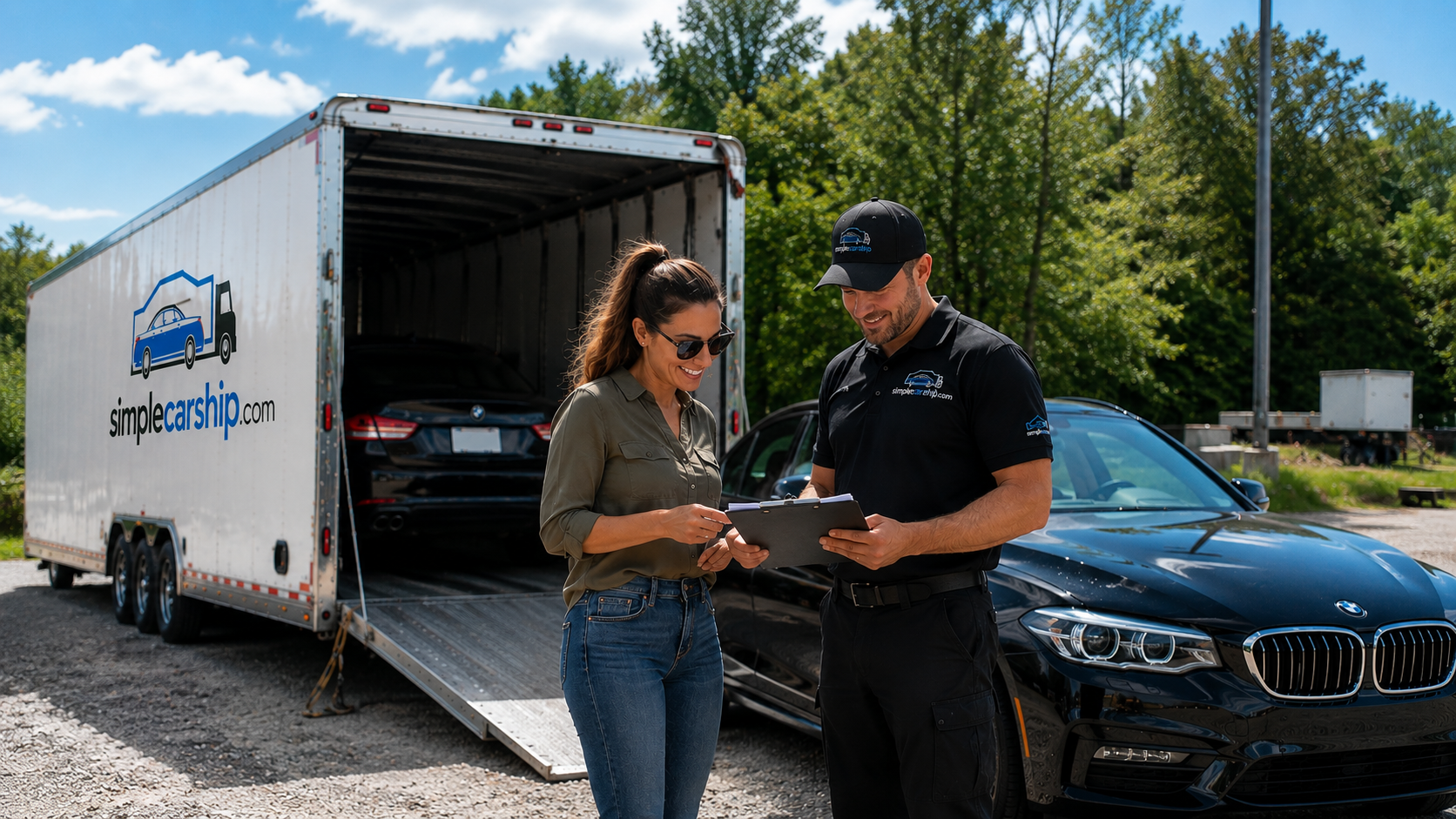
Open transport handles the New Jersey to Louisiana run efficiently. The 1,291-mile journey takes two to four days, and carriers run this route regularly between the Northeast and Gulf Coast metro areas. Your car arrives clean enough to drive away; road dust and weather exposure are cosmetic, not mechanical. For daily drivers, work trucks, and most sedans, open is the straightforward choice and saves you $500 or more compared to enclosed.
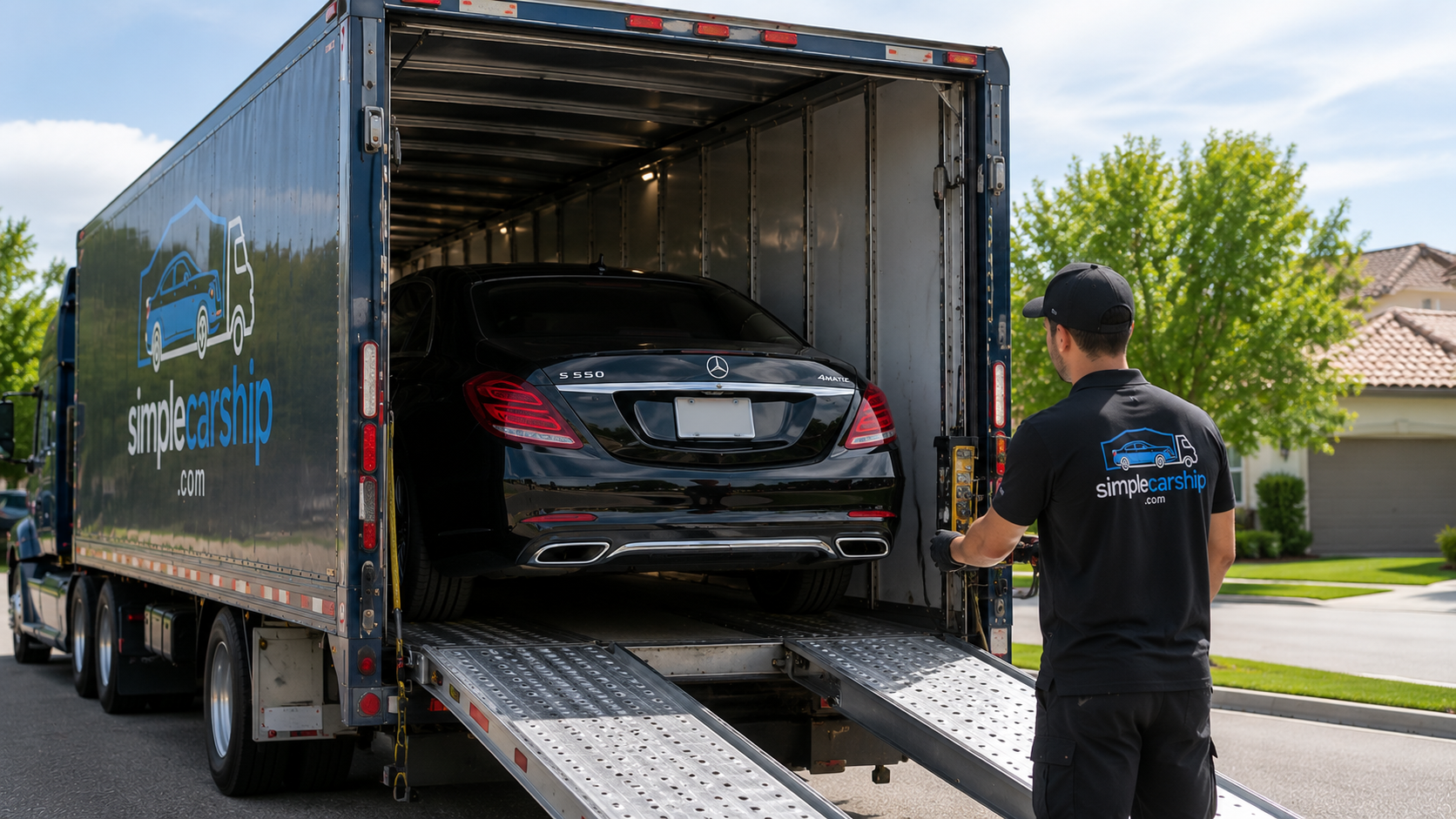
Enclosed makes sense when the vehicle’s value or condition justifies the premium. Vintage muscle cars, European sports cars, recently restored classics, or anything with a market value above $60,000 benefits from full coverage. Enclosed trailers typically carry two to six vehicles max, which means fewer stops, faster delivery, and white-glove handling. If you’re moving a collector piece or a high-end lease where every door ding affects resale, the extra $540 to $660 buys real peace of mind.
| Feature | Open Transport | Enclosed Transport |
|---|---|---|
| Price (NJ–LA) | $905–$1,100 | $1,445–$1,760 |
| Transit Time | 2–4 days | 2–4 days |
| Protection | Insured, weather-exposed | Fully enclosed, climate-safe |
| Best For | Daily drivers, SUVs, trucks | Classics, luxury, exotic vehicles |
How Pickup and Delivery Work in New Jersey and Louisiana
Most New Jersey pickups happen in Newark, Jersey City, and the immediate suburbs where carriers can navigate efficiently. If you’re outside these metro zones—say, in rural Sussex County or along the Shore—the carrier will ask you to meet at a nearby major intersection or parking lot. This isn’t a runaround; a 70-foot truck simply can’t squeeze down every residential street. The same principle applies in Louisiana: New Orleans, Baton Rouge, and Shreveport are the primary hubs, and deliveries outside those cities may require a short drive to a safe, accessible meeting point.
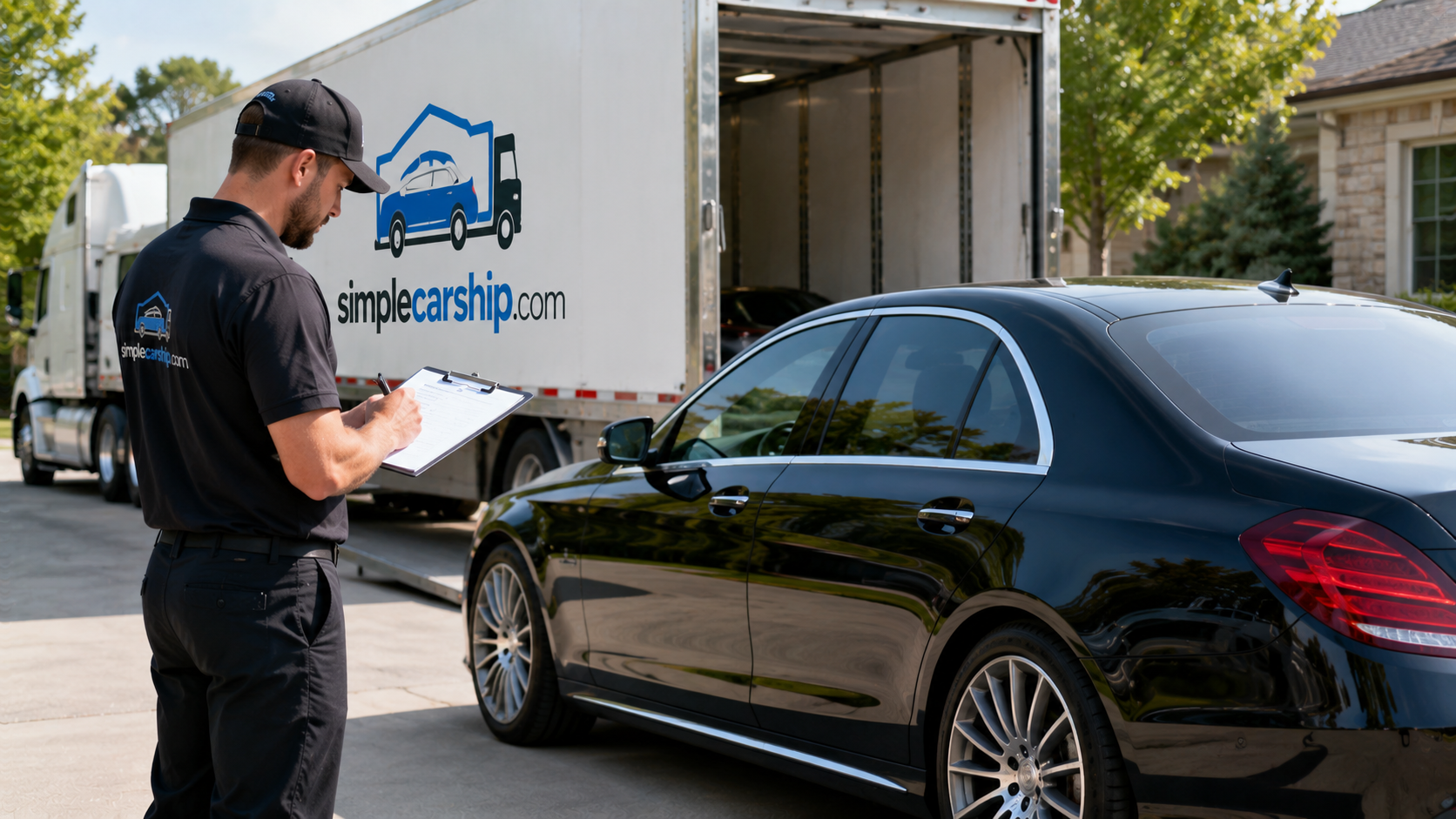
Carriers call 24 hours before arrival to confirm the window. You or someone you designate inspects the vehicle, notes any pre-existing damage on the Bill of Lading, and hands over the keys. At delivery, you repeat the walkaround, confirm condition, and sign off. The process takes fifteen minutes at each end. If your schedule is tight, communicate that upfront—expedited service locks in a narrower window, though standard transport offers a pickup range, not a guaranteed hour.
Transit Time and What Affects It
The 1,291-mile haul from New Jersey to Louisiana takes two to four days under normal conditions. Carriers follow I-95 south, then swing west on I-10 or I-20 depending on your Louisiana destination. Weather rarely disrupts this southern route outside of hurricane season—late August through October—when Gulf Coast storms can add a day. Winter snow in the Mid-Atlantic might delay pickup by 24 hours, but once the truck is rolling, the route stays clear.
Transit time also depends on how many other vehicles share your load. A carrier picking up three cars in Newark and delivering one in Atlanta, one in Mobile, and yours in New Orleans will take longer than a direct shot. That’s the trade-off with open transport: efficiency and cost come from consolidated loads. If you need your car by a specific date—say, you’re flying in and need it waiting—expedited service at $1,472 books a dedicated lane with fewer stops and a contractual delivery window. For most moves, the standard two-to-four-day range works fine; plan to arrive a day after your car, or arrange a rental if you’re cutting it close.
How Simple Car Ship Handles the New Jersey–Louisiana Route
We broker this route by hand-selecting carriers who run the Northeast–Gulf Coast corridor regularly and meet our insurance and safety standards. You’re not dropped into an automated queue or passed to whoever bids lowest. When you request a quote, a real person reviews your vehicle details, pickup and delivery locations, and timeline, then matches you with a carrier whose schedule and equipment fit. You get a clear price, a named driver, and a phone number that reaches someone who knows your shipment.
Your car isn’t a load number here. We follow up before pickup, check in during transit, and confirm delivery. If something changes—weather, a mechanical issue, a scheduling shift—you hear it from us first, not from silence. That’s the difference between a broker who treats this like a transaction and one who understands you’re trusting us with a $30,000 asset and a tight timeline. Ship your car the simple way: get a clear quote, book the carrier, and stay in the loop from pickup in Newark to delivery in New Orleans.
Frequently Asked Questions: New Jersey to Louisiana Car Shipping
- How much does it cost to ship a car from New Jersey to Louisiana?
- Open transport costs $905 to $1,100 for the 1,291-mile route, while enclosed service runs $1,445 to $1,760. Prices vary based on vehicle size, exact pickup and delivery cities, current carrier availability, and whether you need expedited delivery within a tighter window.
- How long does it take to ship a car from New Jersey to Louisiana?
- Transit takes two to four days under normal conditions. Carriers follow I-95 and I-10, with timing influenced by the number of other vehicles on the load and weather. Expedited service narrows the window and costs around $1,472 for open transport.
- Is open or enclosed transport better for this route?
- Open transport works well for daily drivers, trucks, and most sedans, saving you $500 or more. Enclosed makes sense for classics, luxury vehicles, or anything valued above $60,000 where weather exposure and road dust present real risk to paint or finish.
- Where do carriers pick up and deliver in New Jersey and Louisiana?
- Common New Jersey pickup points include Newark and Jersey City. In Louisiana, most deliveries happen in New Orleans, Baton Rouge, or Shreveport. Rural locations may require meeting the carrier at a nearby accessible intersection due to truck size and turning radius.
- Can I ship personal items inside my car?
- Carriers allow up to 100 pounds in the trunk, below the window line, because it’s not visible during transit and doesn’t affect weight distribution. Items in the cabin or on seats are typically prohibited by insurance policy and may void coverage if damage occurs.