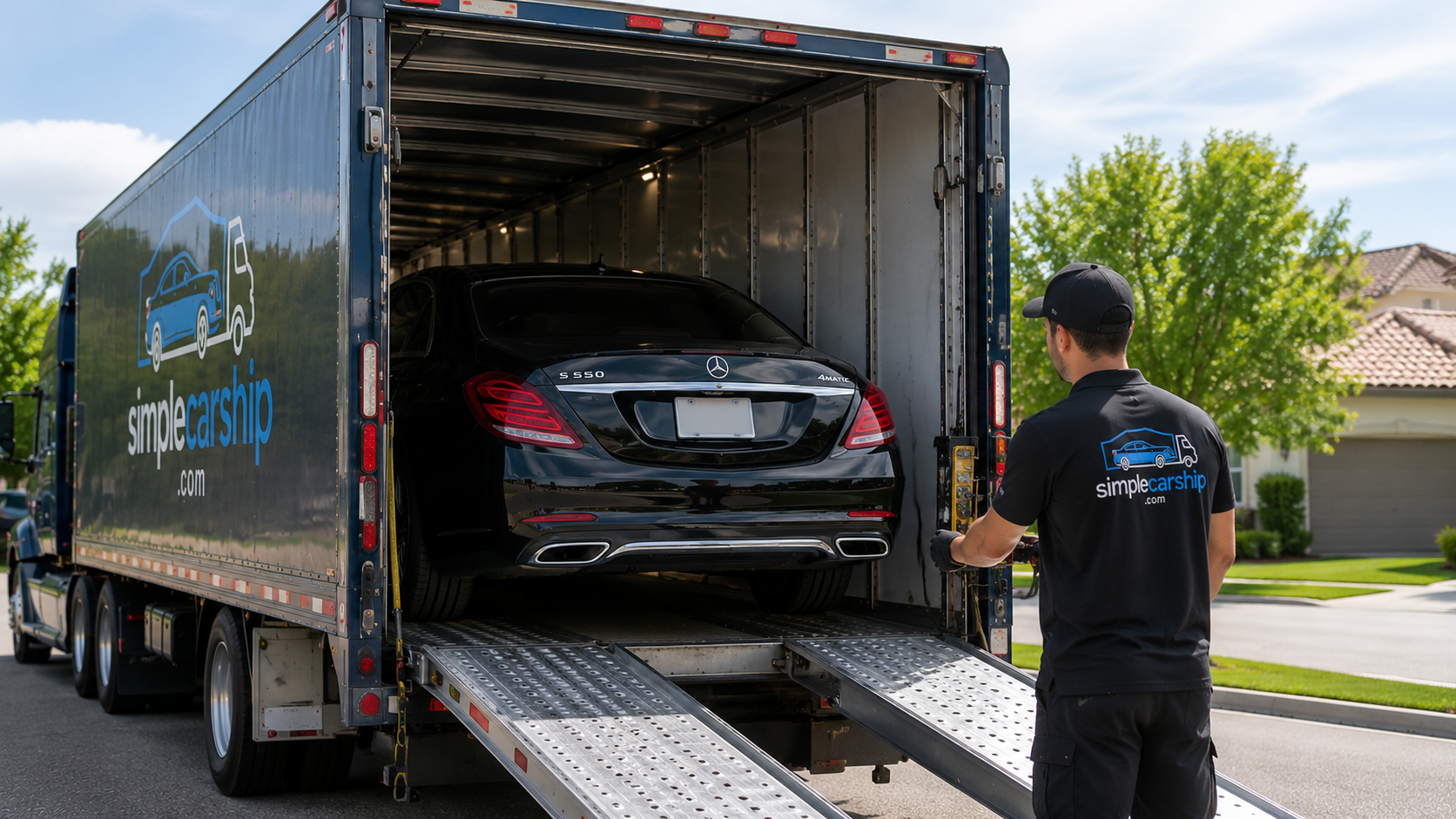
How Much Does It Cost to Ship a Car from Minnesota to Washington?
Shipping a car from Minnesota to Washington typically costs between $1,415 and $1,725 for open transport, or $2,265 to $2,755 for enclosed carriers. The exact price depends on your vehicle size, the season, current fuel costs, and how flexible you can be with pickup timing. This 1,656-mile cross-country route from the Twin Cities to the Pacific Northwest sees steady carrier traffic year-round, which helps keep prices competitive.
Whether you’re relocating to Seattle for work, moving a second vehicle to Tacoma, or sending a car to family in Washington, understanding what drives the cost helps you plan and avoid surprise fees. Here’s everything that affects the final number—and what you actually get for it.
Get your instant car shipping price
Real quote in seconds — no spam, no runaround.
What You’ll Pay to Ship from Minnesota to Washington
Open transport—the industry standard where your car rides on the same multi-level carriers you see on highways—runs $1,415 to $1,725 for the Minnesota-to-Washington route. That’s roughly $0.85 to $1.04 per mile across 1,656 miles of road through the upper Midwest and Mountain West. The range exists because prices shift with diesel costs, seasonal demand, and how quickly you need the car moved. A sedan picked up from Minneapolis with flexible dates will land at the lower end; an oversized SUV needed in Seattle within days pushes toward the top.
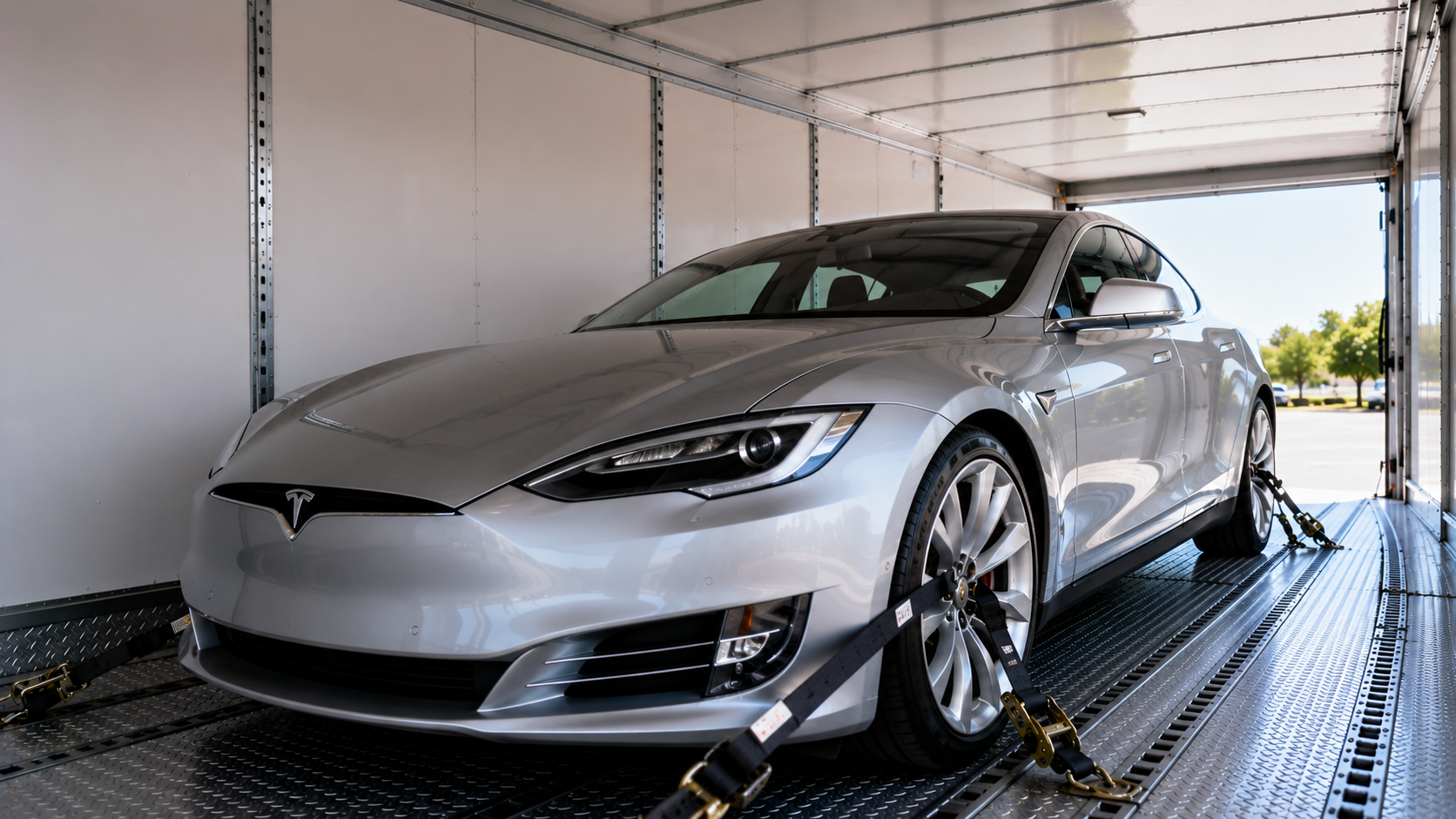
Enclosed transport costs $2,265 to $2,755 for the same distance. Your vehicle rides inside a covered trailer, shielded from weather and road debris. That premium buys protection and peace of mind—worth it for classic cars, luxury vehicles, or anything you’d hesitate to expose to 1,600 miles of open interstate. If timing is urgent, express service (guaranteed pickup within 24–48 hours) starts around $2,309 for open transport, though most customers find the standard 3–5 day transit window works fine.
Open vs. Enclosed Transport: Which Makes Sense for This Route?
Most cars moving from Minnesota to Washington travel open. It’s safe, insured, and the carriers running this route haul thousands of vehicles annually without incident. Your car is exposed to weather—rain crossing Montana, road dust through Idaho—but modern open carriers secure vehicles well and drivers route around severe storms. If you’re shipping a daily-driver sedan, truck, or standard SUV, open transport is the practical choice and saves you $850 to $1,030 compared to enclosed.
Enclosed makes sense when the vehicle justifies the premium. A restored classic heading to a Tacoma collector, a Tesla Model S Plaid you want showroom-clean on arrival, or a high-value sports car all benefit from full coverage. Enclosed carriers also run this route regularly—Washington’s car culture and Minnesota’s restoration scene keep demand steady—so you’re not waiting weeks for availability. If the cost difference is less than what you’d spend detailing the car after open transport, enclosed pays for itself.
| Factor | Open Transport | Enclosed Transport |
|---|---|---|
| Price Range | $1,415–$1,725 | $2,265–$2,755 |
| Transit Time | 3–5 days | 3–5 days |
| Protection | Insured, weather-exposed | Fully enclosed, shielded |
| Best For | Daily drivers, standard vehicles | Classics, luxury, high-value cars |
How Car Shipping Works on the Minnesota–Washington Route
The process starts with a quote based on your vehicle details, preferred dates, and transport type. Once you book, Simple Car Ship assigns a vetted carrier—we don’t use a broker pool or auction your shipment to the lowest bidder. You’ll get the driver’s name, truck number, and direct contact before pickup. Most pickups in Minneapolis or St. Paul happen at your home or office; the driver inspects the car with you, notes existing condition, and loads it securely.
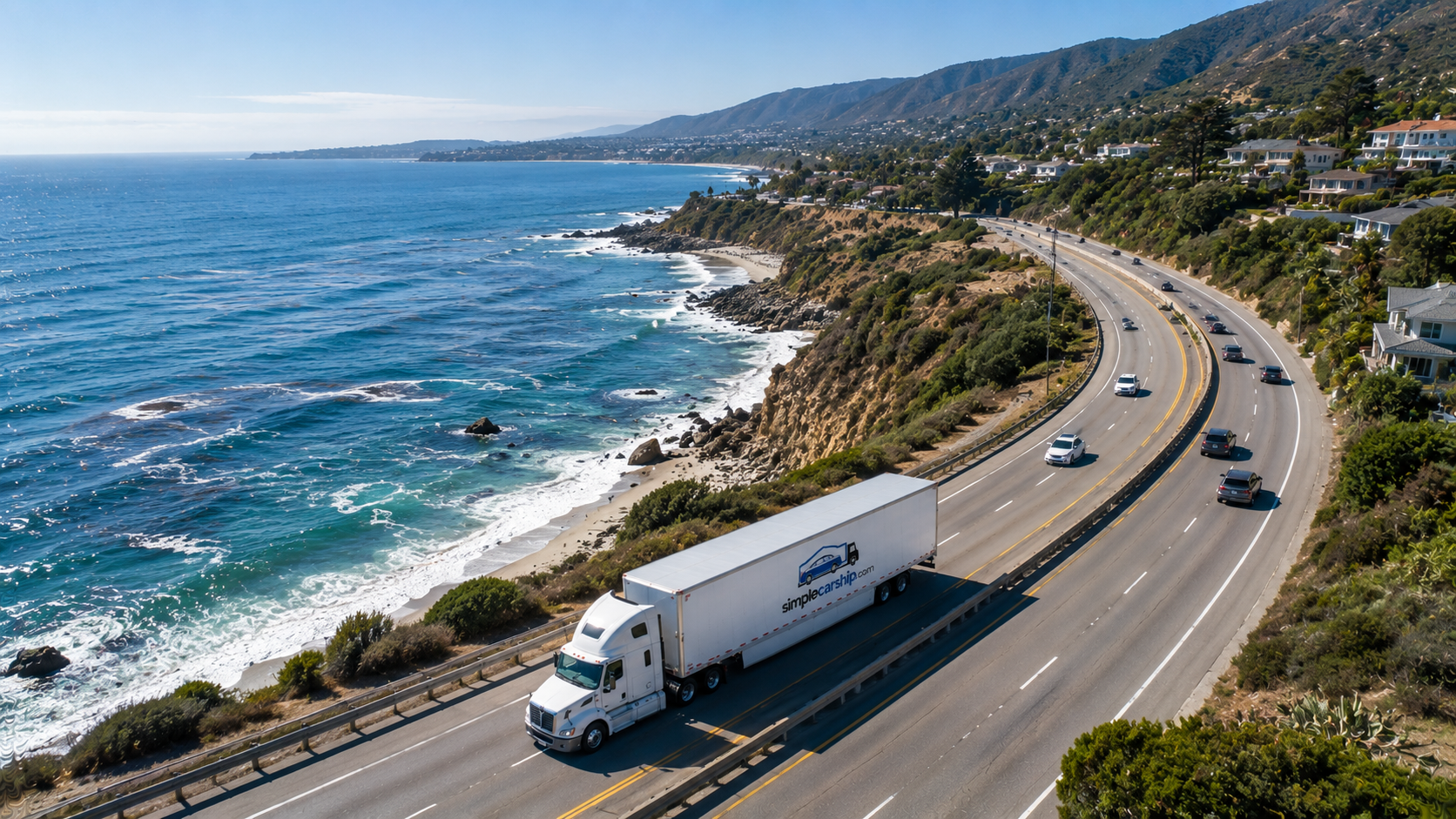
Transit covers 1,656 miles, typically routed through North Dakota and Montana before crossing into Idaho and dropping into Washington. Carriers average 400–500 miles per day (DOT hours-of-service rules limit driving time), so expect 3 to 5 days dock-to-dock. You’ll receive update calls as the truck progresses. Delivery in Seattle or Tacoma works the same way: the driver contacts you a day ahead, meets you at the destination, and unloads for your final inspection. You sign off, the car’s yours, done.
Pickup and Delivery Logistics in Minnesota and Washington
In Minnesota, most carriers service Minneapolis and St. Paul directly—these metros sit on I-94 and I-35, major freight corridors that streamline scheduling. If you’re outside the Twin Cities (Duluth, Rochester, St. Cloud), the carrier can often still reach you, though rural pickups sometimes add $50–$150 to cover the detour. Terminal pickup is rare on this route; door-to-door is standard and included in the quotes above.
Washington delivery centers on Seattle and Tacoma, both dense metro areas with excellent truck access via I-5 and I-90. Carriers moving west frequently end their routes in the Puget Sound region, so availability is strong. If you’re delivering to Spokane or Bellingham, confirm the carrier’s exact service area when you book—most handle it, but a few Seattle-focused operators hand off to local partners. Street parking in Seattle neighborhoods can be tight; if your delivery address has restrictions, arranging to meet the truck in a nearby lot saves hassle.
Why Simple Car Ship Is Built for Routes Like This
We’re not a load board. We don’t post your car to hundreds of brokers and wait for bids to trickle in. Every shipment gets matched to a carrier we’ve worked with, vetted for insurance, safety scores, and communication. You’ll talk to a real person here—before, during, and after the move—who knows your route and your vehicle. Your shipment isn’t a load number; it’s someone’s SUV heading to a new job in Seattle or a college student’s car going home to Minnesota for summer.
Clear quotes. Real communication. No guesswork, no runaround. We tell you the price, the timeline, and exactly how it works because we’ve shipped the Minnesota–Washington corridor hundreds of times. If something changes en route—weather delay, mechanical issue, schedule shift—you’ll hear it from us first, with a plan. That’s how car shipping should work, and it’s why customers come back when they need to ship a classic car or move another vehicle cross-country. Ship your car the simple way.
Ready to move your car from Minnesota to Washington? Get a transparent quote in two minutes—no email runaround, no phone tag, just the real numbers for your route.
Frequently Asked Questions: Shipping a Car from Minnesota to Washington
How long does it take to ship a car from Minnesota to Washington?
Transit time is 3 to 5 days for the 1,656-mile route. Carriers average 400–500 miles daily due to federal hours-of-service rules. Pickup day counts as day zero, so a Monday pickup typically means Thursday or Friday delivery in Seattle or Tacoma, barring weather delays.
Can I put personal items inside the car during transport?
Most carriers allow up to 100 pounds in the trunk, below the window line, since DOT regs weigh the load. Items must be secure and not visible—carriers’ insurance covers the vehicle only, not contents. Expensive or fragile items should ship separately or travel with you.
What’s the best time of year to ship from Minnesota to Washington?
Carrier availability stays consistent year-round on this route. Winter can bring weather delays crossing Montana or the Cascades, adding a day to transit, but pricing remains stable. Spring and fall offer the mildest conditions, though summer’s dry roads make for the smoothest runs overall.
Is my car insured during the Minnesota–Washington shipment?
Yes. Every licensed carrier holds cargo insurance covering vehicle damage in transit—typically $100,000 minimum per load, often higher. You’ll receive the carrier’s insurance certificate before pickup. Damage claims are rare, but the process is straightforward: document at delivery, file within the carrier’s claim window, usually seven days.
How much does it cost to ship an SUV versus a sedan on this route?
A standard sedan fits the $1,415–$1,725 open-transport range. A full-size SUV or truck adds $100–$200 because it occupies more carrier space and weighs more, affecting fuel costs. Oversized vehicles like Suburbans or lifted trucks may push toward $1,850, still within typical pricing for the 1,656-mile distance.