Michigan to Kentucky: live carrier pricing
| Open transport (most vehicles) | $630 – $770 |
| Enclosed transport | $1,010 – $1,230 |
| Lane distance | 360 miles |
| Typical transit | 1–3 days |
Quoted from our carrier network on September 29, 2026 for a standard operable car, door to door.
Auto transport is a live market, so your exact price depends on vehicle size, timing and current truck availability on this lane.
How Much Does It Cost to Ship a Car from Michigan to Kentucky?
Shipping a car from Michigan to Kentucky typically costs between $495 and $605 for open transport, or $795 to $970 for enclosed transport across the roughly 360-mile route. The final price depends on your vehicle type, chosen carrier protection level, pickup and delivery locations, and how quickly you need it moved. Most shipments from Detroit or Grand Rapids to Louisville, Lexington, or Bowling Green complete in 1–3 days, making this one of the faster regional routes in the Midwest.
Get your instant car shipping price
Real quote in seconds — no spam, no runaround.
Understanding what moves the price—and what you’re actually paying for—helps you choose the right service without overspending or cutting corners on vehicle protection. Here’s the real breakdown of costs, transit expectations, and how Simple Car Ship handles this short but busy corridor.
What You Pay to Ship a Car from Michigan to Kentucky
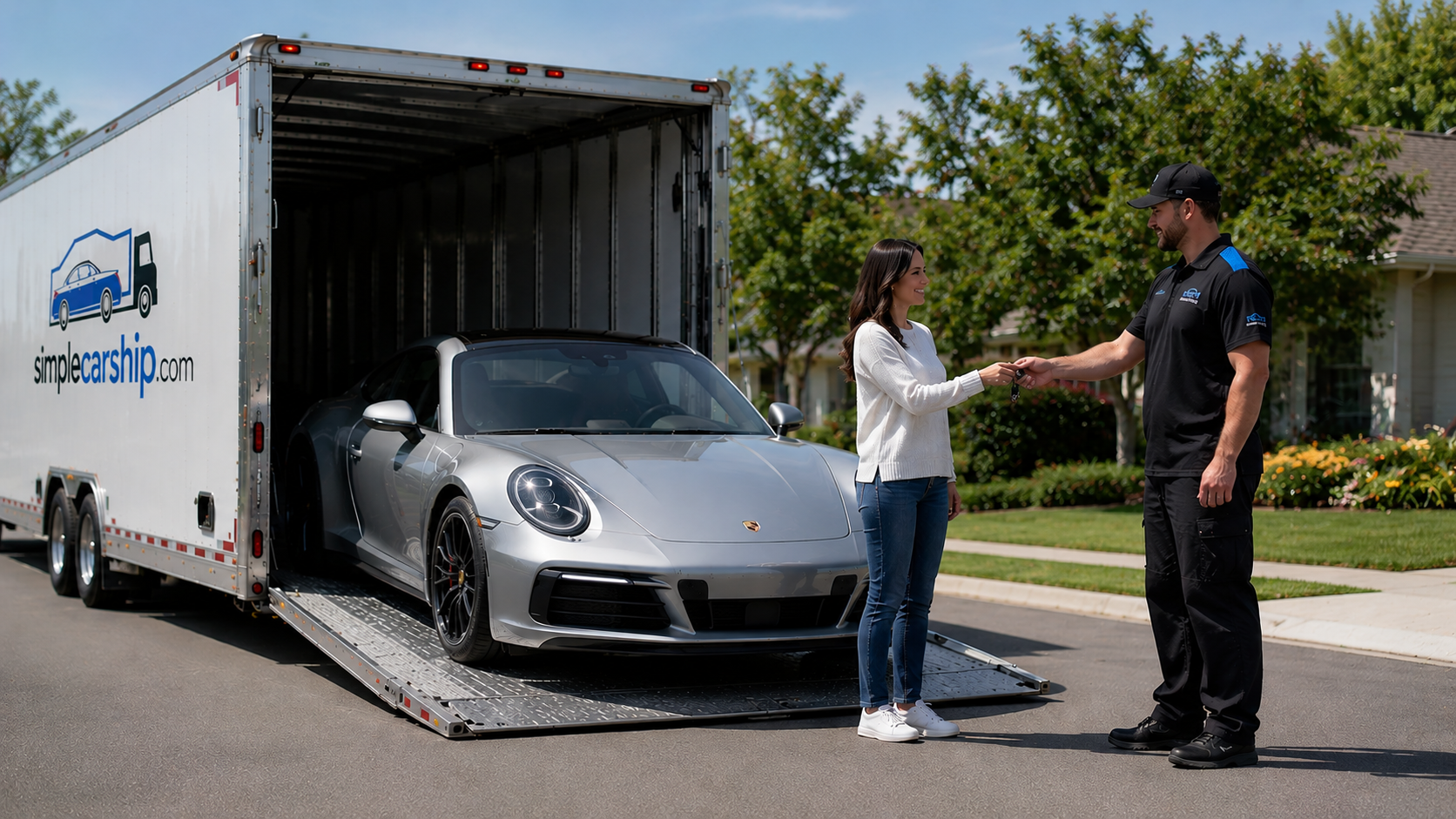
The 360-mile distance between Michigan’s major metros and Kentucky’s pickup hubs makes this a short-haul route with competitive pricing. Open transport—where your vehicle rides on an uncovered multi-car carrier—runs $495 to $605 for standard sedans and crossovers. Larger vehicles like full-size trucks or three-row SUVs push toward the upper end because they consume more carrier deck space and add weight. Enclosed transport, which places your car inside a covered trailer shielded from weather and road debris, costs $795 to $970. That premium buys climate protection and is the standard choice for luxury, classic, or high-value vehicles where exterior condition matters.
Price also shifts with pickup and delivery specifics. Door-to-door service from a residential street in Grand Rapids to a subdivision outside Bowling Green costs more than terminal-to-terminal between commercial carrier yards near Detroit and Louisville, because the driver navigates tighter streets and spends extra time. If you need your vehicle in Kentucky within 24–48 hours, expedited open transport runs around $810—you’re paying to jump the dispatch queue and secure a carrier immediately rather than waiting for the next available load heading south.
Seasonal demand is fairly stable on this route. Unlike snowbird corridors that see price spikes in October and April, Michigan-to-Kentucky shipping maintains consistent pricing year-round because the primary drivers are relocations, college moves to University of Kentucky or University of Louisville, and corporate transfers in the automotive and manufacturing sectors. You won’t face surprise surcharges in winter or summer, though ice storms in January can occasionally delay transit by a day.
Open vs Enclosed Transport: Which Makes Sense for Michigan to Kentucky
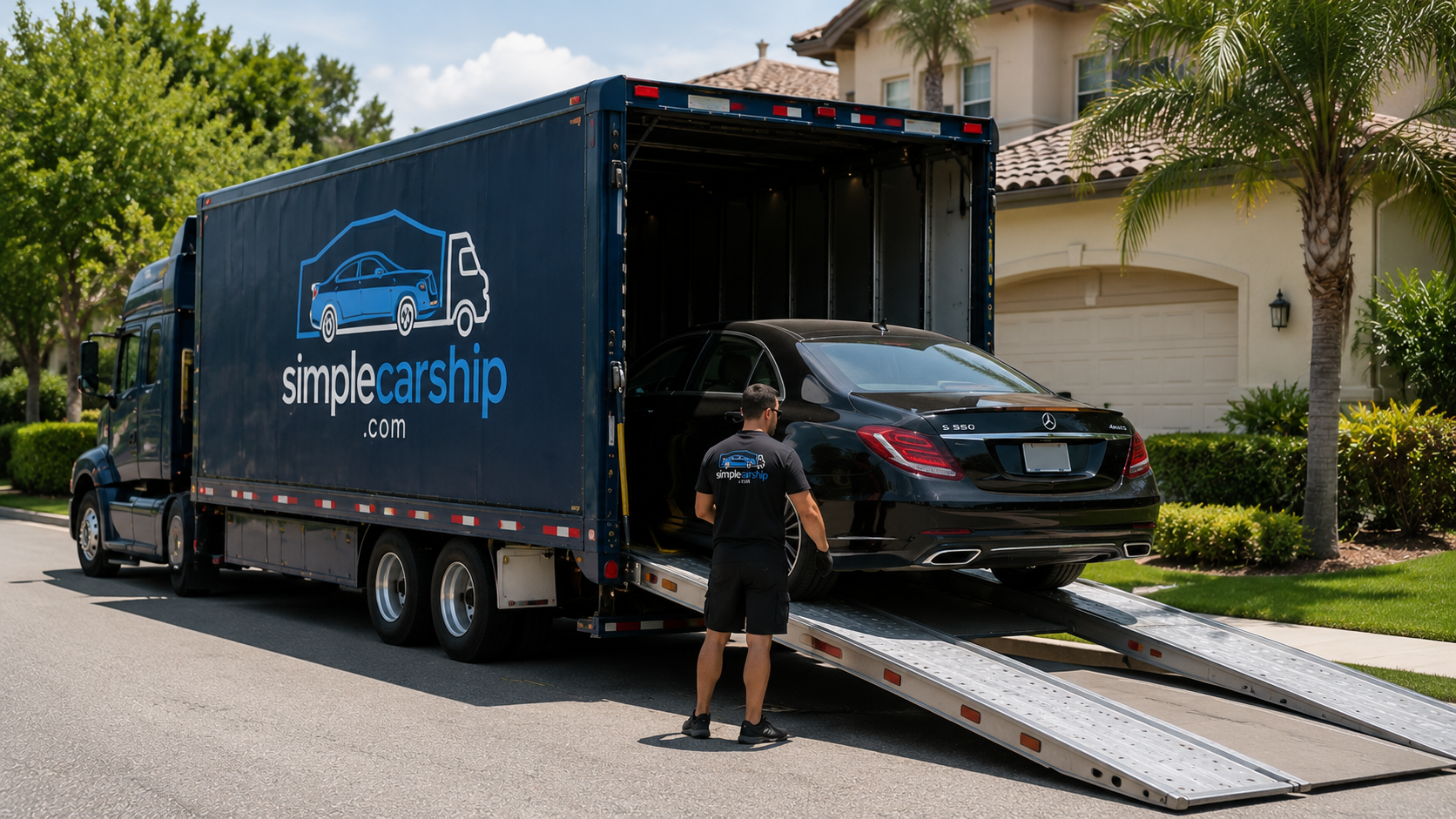
For this short 360-mile route, open transport is the practical choice for 85% of shipments. Your daily-driver sedan, family crossover, or work truck doesn’t need enclosed protection for a 1–3 day journey on interstate highways. The carrier secures your vehicle with wheel straps and soft ties, and the trip from Detroit down I-75 or from Grand Rapids via I-69 and I-65 rarely exposes vehicles to anything worse than highway grit. The $300–$365 you save versus enclosed transport buys nothing meaningful in added protection on a route this short and direct.
Enclosed transport makes sense in specific cases: you’re moving a restored classic, a European luxury car with a delicate finish, a high-performance vehicle with custom paint, or any car valued above $60,000 where every rock chip matters. Enclosed trailers shield your vehicle completely, ride on air-ride suspension that dampens road shock, and typically carry only 2–4 vehicles instead of 8–10, reducing loading and unloading risk. If you’re shipping a vintage Mustang from a Detroit collector to a Lexington buyer, or relocating a Tesla Model S Plaid where the paint must arrive flawless, the enclosed premium is justifiable insurance.
| Feature | Open Transport | Enclosed Transport |
|---|---|---|
| Price (MI–KY) | $495–$605 | $795–$970 |
| Transit Time | 1–3 days | 1–3 days |
| Protection Level | Standard; exposed to weather | Fully enclosed; climate-shielded |
| Best For | Daily drivers, SUVs, trucks | Classics, luxury, high-value cars |
How Pickup and Delivery Work Between Michigan and Kentucky
Most Michigan pickups happen in the Detroit metro—including suburbs like Dearborn, Livonia, and Troy—or in Grand Rapids and its surrounding communities. Carriers running this route typically offer door-to-door service within those metro zones, meaning the driver brings the truck to your driveway or closest accessible street. If you’re outside those areas—say, up in Traverse City or over in Kalamazoo—the carrier may ask you to meet at a nearby truck stop or shopping-center lot where a 75-foot rig can maneuver safely. That’s not a red flag; it’s logistics.
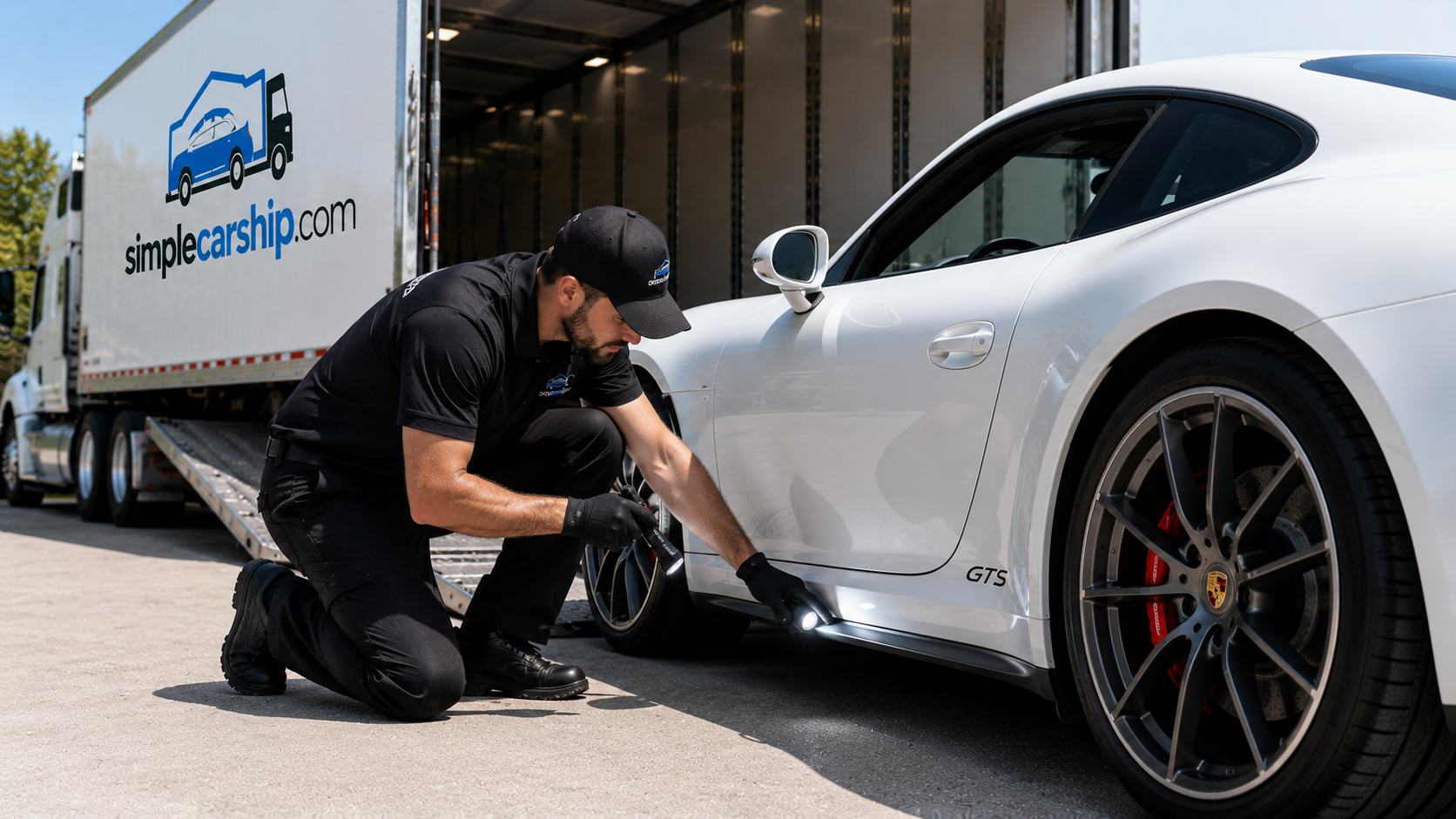
On the Kentucky side, deliveries concentrate in Louisville, Lexington, and Bowling Green, the state’s three largest metros and the natural end points for southbound I-65 and I-75 traffic. If your destination is further into rural Kentucky—Paducah, Owensboro, or Ashland—expect either a meet-point delivery or an additional mileage fee, because carriers optimize routes around volume hubs. Delivery windows are tight on this short route: most shipments picked up in Detroit on a Monday morning arrive in Louisville by Tuesday afternoon, and you’ll receive a call 4–6 hours before the driver arrives so you can be present for the vehicle inspection and release.
Transit Time and What Affects It on This Route
The 360-mile Michigan-to-Kentucky corridor delivers 1 to 3 days transit under normal conditions. Single-vehicle expedited transport can complete Detroit to Louisville in under 24 hours if dispatched in the morning, because the route is a straight shot down I-75 with minimal traffic disruptions outside of Cincinnati’s northern bypass. Standard multi-car carriers take 2–3 days because they consolidate loads, making 2–3 pickups in Michigan before heading south and potentially stopping for one additional pickup or drop in Ohio en route.
Weather rarely delays this route significantly. Winter snow can add half a day if a lake-effect storm blankets Grand Rapids or Detroit during pickup, and summer construction on I-75 through Toledo occasionally slows trucks by a few hours, but you won’t see the multi-day delays common on cross-country hauls. The bigger variable is carrier availability: during end-of-month relocation waves—when apartment leases turn over and corporate moves cluster—you may wait an extra day or two for a truck to reach Michigan, though the actual drive time remains the same once your vehicle is loaded.
How Simple Car Ship Handles Michigan-to-Kentucky Auto Transport
We don’t operate like the high-volume brokers who post your car on a load board and wait for the lowest-bidding carrier to claim it. When you book Michigan-to-Kentucky transport with Simple Car Ship, a real person reviews your pickup and delivery details, confirms your vehicle specs, and hand-selects a carrier we’ve vetted for this route. You get the driver’s name and phone number before pickup, and you can reach our team directly—no ticket queues, no offshore call centers—if plans change or you have questions during transit.
Your quote is the price you pay. We include standard insurance coverage (carrier liability up to $250,000 for enclosed, $100,000 for open), door-to-door service within metro zones, and load/unload assistance. No surprise fuel surcharges, no fee-stacking at delivery. Because the Michigan-Kentucky route is short and high-frequency, we maintain standing relationships with regional carriers who run it weekly, which means faster dispatch and fewer scheduling headaches for you. Ship your car the simple way: clear quote, real communication, no runaround.
Ready to move your vehicle? Get a firm quote in 60 seconds—just enter your pickup and delivery details, and we’ll show you real pricing for open and enclosed transport with available pickup dates. No phone call required unless you want one.
Frequently Asked Questions: Shipping a Car from Michigan to Kentucky
How much does it cost to ship a car from Detroit to Louisville?
Shipping a standard sedan from Detroit to Louisville costs $495 to $605 for open transport and $795 to $970 for enclosed. The 360-mile route typically completes in 1–3 days. Larger vehicles like trucks or SUVs run $40–$80 higher due to size and weight.
How long does it take to ship a car from Michigan to Kentucky?
Most shipments from Michigan to Kentucky take 1 to 3 days in transit. Expedited service can deliver in under 24 hours if dispatched early morning. Standard multi-car carriers average 2 days because they consolidate pickups in Detroit or Grand Rapids before heading south on I-75.
Is open or enclosed transport better for shipping from Michigan to Kentucky?
Open transport works for most vehicles on this short 360-mile route—it’s reliable, fast, and $300+ cheaper. Choose enclosed if you’re moving a classic, luxury, or high-value car where finish protection justifies the premium. The route is direct interstate highway with minimal weather risk.
Can I get same-day car shipping from Michigan to Kentucky?
Same-day delivery is possible with expedited service if you book early in the day and the carrier is already positioned in Michigan. The 360-mile distance allows a driver to pick up in Detroit by 9 AM and deliver in Louisville by 6 PM. Expect to pay around $810 for priority dispatch.
What cities in Michigan and Kentucky do carriers serve?
Carriers regularly pick up in Detroit, Grand Rapids, and surrounding suburbs, delivering to Louisville, Lexington, and Bowling Green. Door-to-door service is standard within those metro areas. Pickups or deliveries outside major metros may require a meet-point or incur a small mileage fee for rural access.