How Much Does It Cost to Ship a Car from Michigan to Colorado?
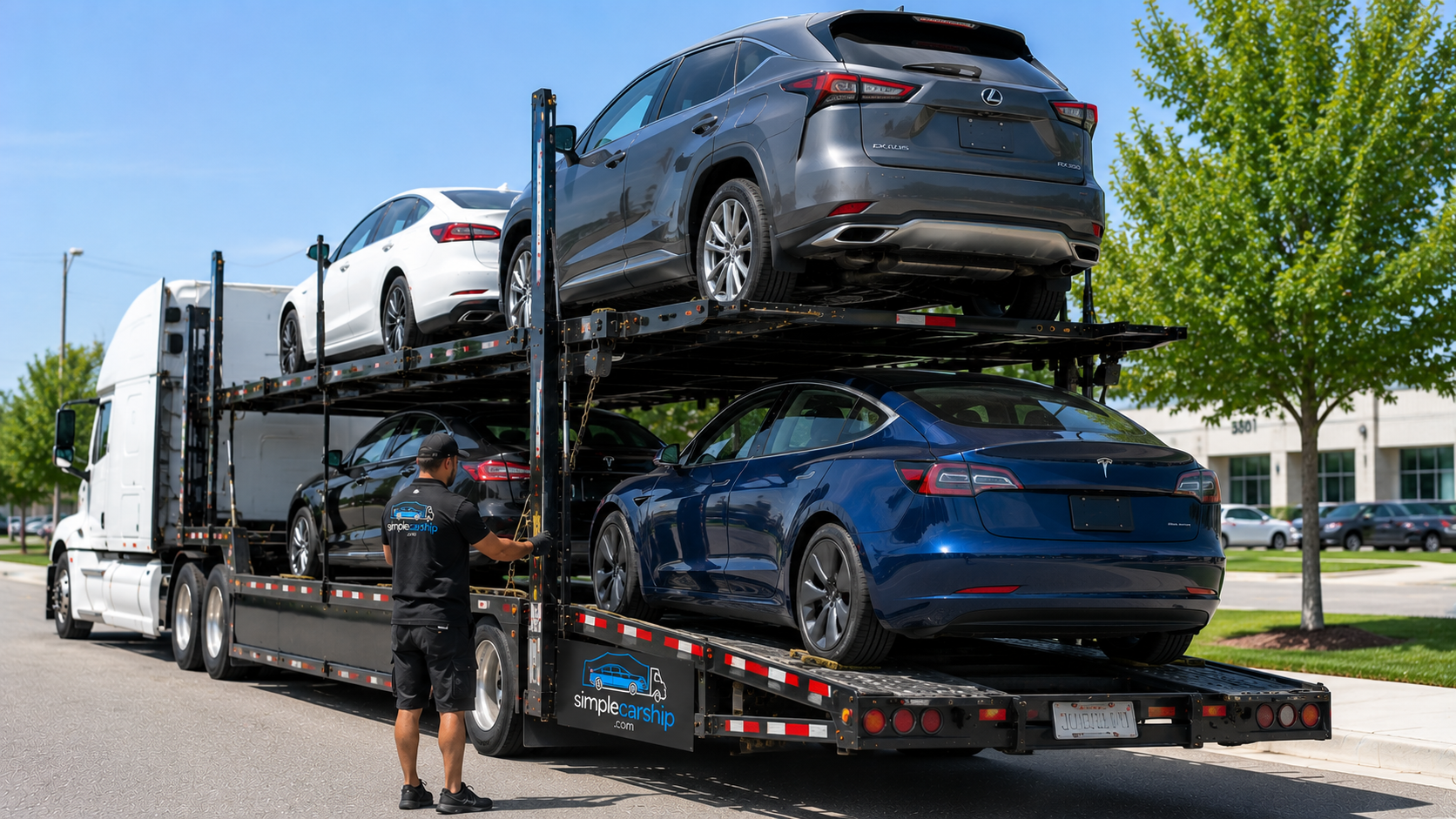
Shipping a car from Michigan to Colorado typically costs between $1,430 and $1,745 for open transport, or $2,290 to $2,790 for enclosed carrier service. The final price depends on your exact pickup and delivery locations, vehicle size, carrier availability, and how quickly you need it moved. Across 1,266 miles of highway, most shipments complete in 2–4 days, and understanding what drives the cost helps you choose the service that fits both your timeline and budget.

Get your instant car shipping price
Real quote in seconds — no spam, no runaround.
Ship your car the simple way. Clear quotes. Real communication. No guesswork, no runaround.
What Drives the Cost of Michigan-to-Colorado Car Shipping
The base cost reflects the 1,266-mile haul from major Michigan metros—Detroit, Grand Rapids—to Colorado’s Front Range cities like Denver and Colorado Springs. Open transport falls in the $1,430–$1,745 range because carriers run this Midwest-to-Rockies corridor regularly, and open trailers hold eight to ten vehicles per load, spreading fuel and driver costs across multiple customers. Enclosed transport doubles the price floor to $2,290–$2,790 because the trailer carries fewer cars, offers full weather and road-debris protection, and appeals to a smaller pool of specialized carriers.
Beyond the baseline, your specific vehicle matters. A compact sedan ships at the lower end; a lifted truck or three-row SUV adds $150–$250 because it consumes more deck space and weight capacity. Pickup location influences price, too: a Detroit-area address sits along I-94 and I-75, so carriers route through easily. A rural Upper Peninsula town may add $100–$200 for the driver’s detour. Delivery into downtown Denver or Colorado Springs is straightforward; a mountain-town address above 8,000 feet often requires a smaller truck transfer and pushes the quote higher. Seasonality plays a smaller role on this route than on snowbird lanes, but late spring and early fall see steadier carrier traffic, sometimes shaving a day off transit and keeping bids competitive.
Open vs. Enclosed Transport for the Michigan–Colorado Route
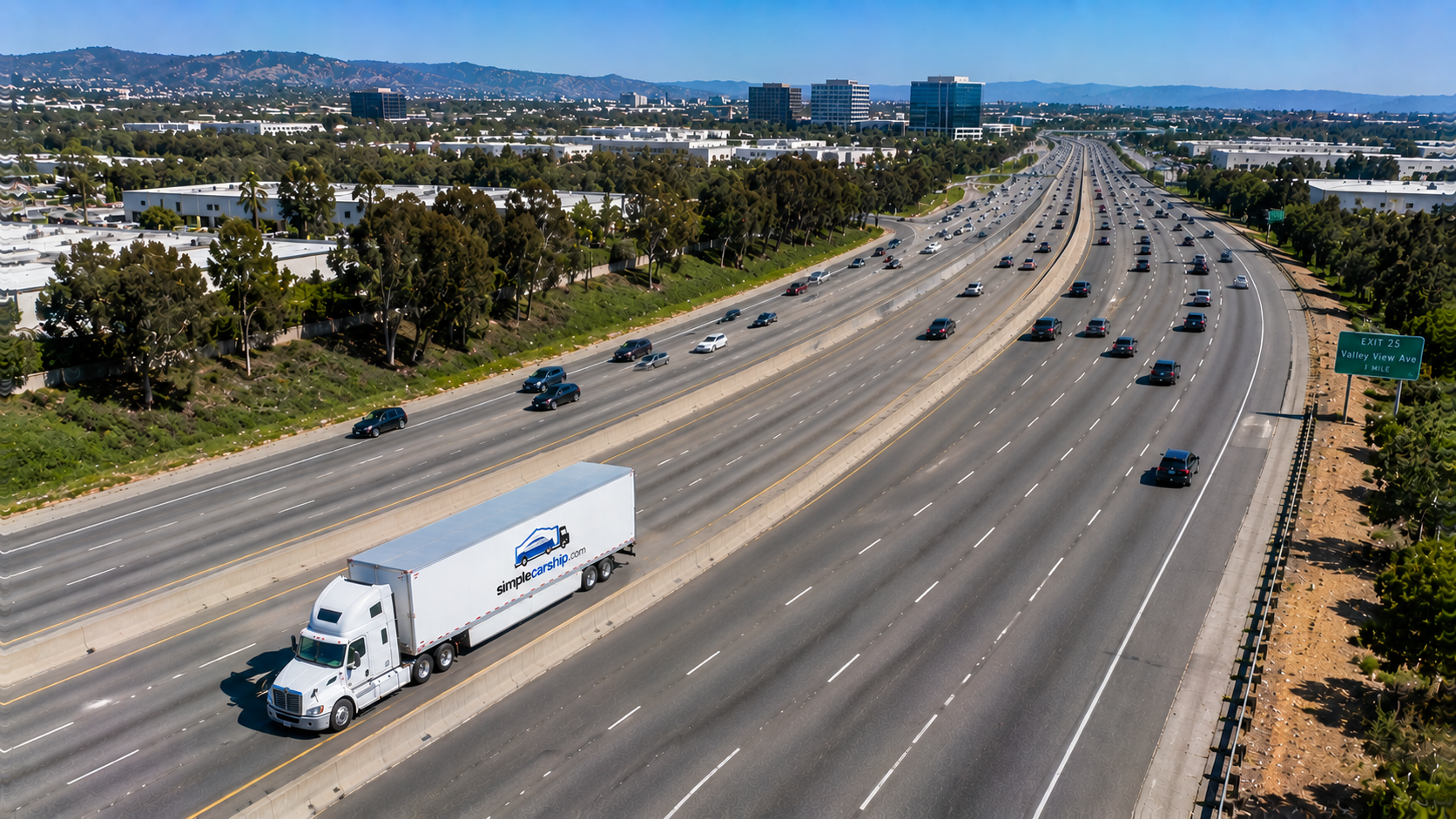
Open transport handles the vast majority of Michigan-to-Colorado shipments. Your car rides on the same multi-level trailer you see behind semis on the highway—fully visible, exposed to weather, and secured with wheel straps and soft ties. For daily drivers, late-model commuters, and even newer pickups, open is efficient and safe. The 1,266-mile journey crosses stable Interstate highways (I-80 through Iowa and Nebraska, or I-70 through Kansas), and road grime washes off. You save nearly $900 compared to enclosed, and 2–4 day transit means your vehicle spends less time on the road than a coast-to-coast run.
Enclosed makes sense when the car’s value—or your peace of mind—justifies the premium. Classic muscle cars, European sports sedans, luxury SUVs, and collector vehicles benefit from hard-sided aluminum walls that block rain, snow, and rock chips. Enclosed carriers also tend to haul fewer vehicles per load, which can mean gentler handling and slightly faster transit if the driver isn’t making as many intermediate stops. If you’re moving a restored ’69 Camaro from Grand Rapids to a Denver collector, the extra $1,000–$1,200 is straightforward insurance against road hazard.
| Feature | Open Transport | Enclosed Transport |
|---|---|---|
| Price (MI–CO) | $1,430–$1,745 | $2,290–$2,790 |
| Transit Time | 2–4 days | 2–4 days |
| Protection | Weather-exposed, secure tie-downs | Hard-sided walls, climate-shielded |
| Best For | Daily drivers, pickups, standard sedans | Classics, luxury, high-value vehicles |
Pickup in Michigan and Delivery in Colorado
Most Michigan pickups happen in the Detroit metro—stretching from Ann Arbor east through the suburbs—or in Grand Rapids, the state’s second-largest city. Both areas sit on major truck routes (I-96, I-94, I-75), so carriers schedule stops without costly detours. If you’re outside these zones—Lansing, Kalamazoo, Traverse City—expect the driver to coordinate a convenient meet-point, often a large parking lot near a highway interchange, or budget a small mileage fee if door-to-door service from a residential street is required. Rural Upper Peninsula pickups are possible but less common; the carrier may ask you to meet halfway at a town along US-2 or M-28.
Delivery into Colorado concentrates around Denver and Colorado Springs, where I-25 and I-70 intersect and carrier volume is high. These Front Range cities see daily inbound trucks, so scheduling is flexible. If your destination is Boulder, Fort Collins, or Pueblo, the driver can usually accommodate with minimal adjustment. Mountain towns—Vail, Breckenridge, Durability—present logistical challenges: many car-carrier semis cannot navigate narrow switchbacks or comply with seasonal chain laws, so the shipment may deliver to a valley staging area (like Silverthorne or Frisco) and you arrange the final leg, or the broker coordinates a smaller relay truck for an additional fee.
Transit Time and When to Book
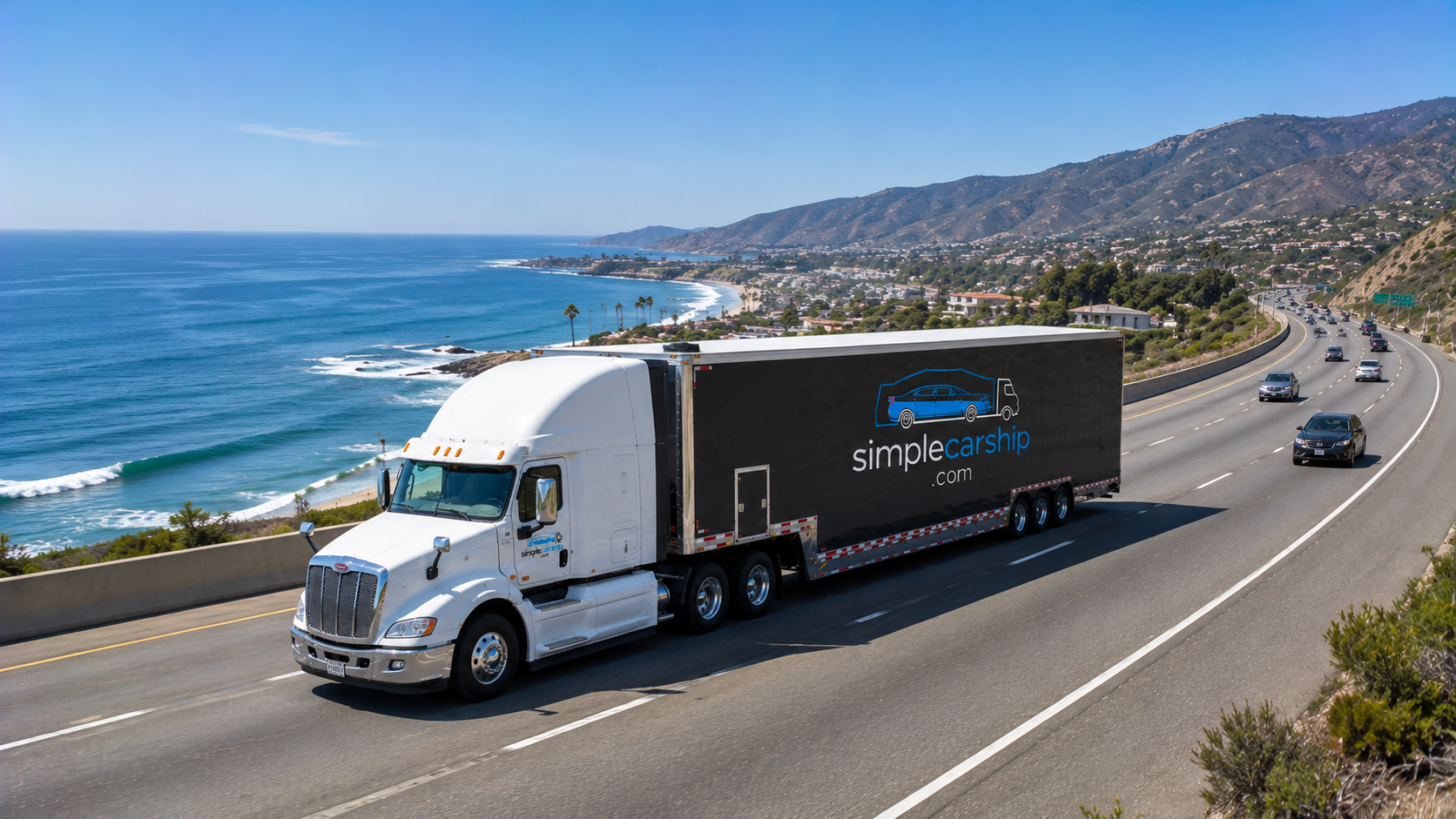
The 1,266-mile Michigan-to-Colorado run takes 2–4 days once your car is on the truck. A direct-route carrier leaving Detroit on Monday morning often delivers to Denver by Wednesday afternoon, assuming no weather delays or mandatory rest stops extend the schedule. Enclosed carriers sometimes complete the trip on the faster end of that window because they carry fewer vehicles and make fewer intermediate drops. If you need guaranteed faster service, expedited open transport—priced around $2,334 for this route—puts your vehicle on the next available truck, often cutting a day from the booking-to-delivery calendar.
Carrier availability stays fairly consistent year-round on this route, without the dramatic seasonal swings seen on snowbird lanes. That said, late spring (April–May) and early fall (September–October) tend to see slightly higher truck volume as people relocate for new jobs or college semesters, which can mean more competitive bids and faster pickup. Mid-winter (January–February) occasionally brings Plains snowstorms that slow I-80 or I-70 crossings, adding half a day to transit, but modern carriers monitor weather closely and re-route when necessary. Booking 7–10 days ahead gives you the widest carrier selection; last-minute requests (under 48 hours) are possible but may push your quote toward the higher end of the range.
How Simple Car Ship Handles Your Michigan–Colorado Shipment
Your shipment isn’t a load number. When you request a quote, a real person—not an algorithm—reviews your pickup and delivery details, checks current carrier availability along the Michigan–Colorado corridor, and provides a transparent price built from actual lane data. No bait-and-switch deposits, no hidden fuel surcharges that appear on moving day. You’ll know whether open or enclosed fits your vehicle and budget, and you’ll see the transit-day estimate based on the 1,266-mile distance and current routing conditions.
Once you book, we hand-select a carrier from our network—every driver vetted for proper FMCSA authority, active insurance, and a track record on Midwest-to-Rockies routes. You receive the driver’s name and contact number before pickup, so you can coordinate timing directly. No black-box dispatch system, no wondering when someone will show up. If weather or a mechanical issue adjusts the delivery window, the driver or our team calls you—same day, plain English, no runaround. When your car arrives in Denver or Colorado Springs, you inspect it alongside the driver, note the condition on the bill of lading, and sign off. Clear process, real communication, beginning to end.
Ready to move your car from Michigan to Colorado without the broker guesswork? Get a transparent quote now—real numbers, real timeline, no pressure.
Frequently Asked Questions: Shipping a Car from Michigan to Colorado
- How much does it cost to ship a car from Michigan to Colorado?
- Open transport typically runs $1,430–$1,745 for the 1,266-mile journey, while enclosed carriers charge $2,290–$2,790. Final price depends on your vehicle size, exact pickup and delivery cities, and how quickly you need the car moved. Expedited open service costs around $2,334 if you need guaranteed faster dispatch.
- How long does Michigan-to-Colorado car shipping take?
- Most shipments complete in 2–4 days once the carrier loads your vehicle. A truck leaving Detroit on Monday often delivers to Denver by Wednesday or Thursday. Enclosed transport and expedited service sometimes land on the shorter end of that window, while rural pickups or mountain-town deliveries may add a day.
- Is open or enclosed transport better for this route?
- Open transport works well for daily drivers, pickups, and standard sedans—it’s safe, economical, and widely available on the Michigan–Colorado corridor. Enclosed is worth the premium for classic cars, luxury vehicles, or any car where you want hard-sided protection from weather and road debris across 1,266 miles of Interstate highway.
- Can a carrier pick up my car in rural Michigan or deliver to a Colorado mountain town?
- Yes, but logistics vary. Rural Michigan pickups often require meeting the driver at a nearby highway interchange or paying a small mileage fee for door service. High-altitude Colorado towns may need a valley meet-point or a smaller relay truck, since full-size car carriers cannot navigate steep switchbacks or comply with mountain chain-law restrictions.
- When is the best time to ship a car from Michigan to Colorado?
- Carrier availability remains steady year-round, but late spring and early fall see slightly higher truck volume and competitive pricing. Booking 7–10 days ahead ensures the widest carrier selection. Mid-winter snowstorms on I-70 or I-80 can occasionally add half a day to transit, but experienced carriers monitor weather and adjust routes accordingly.