Maryland to Indiana: live carrier pricing
| Open transport (most vehicles) | $820 – $1,000 |
| Enclosed transport | $1,315 – $1,600 |
| Lane distance | 573 miles |
| Typical transit | 1–3 days |
Quoted from our carrier network on September 29, 2026 for a standard operable car, door to door.
Auto transport is a live market, so your exact price depends on vehicle size, timing and current truck availability on this lane.
How Much Does It Cost to Ship a Car from Maryland to Indiana?
Shipping a car from Maryland to Indiana typically costs $675–$820 for open transport and $1,080–$1,315 for enclosed transport, covering the 573-mile journey between major metros like Baltimore and Indianapolis. The final price depends on your vehicle type, trailer availability, pickup timing, and whether you need door-to-door service or flexible terminal options. Understanding what drives these numbers helps you budget accurately and choose the right service level without overpaying.
Get your instant car shipping price
Real quote in seconds. Enter your details and we’ll show your price instantly.
No spam — we only use this to send your quote and confirm your booking.
What Moves the Price for Maryland–Indiana Auto Transport
The base distance of 573 miles puts this route in the mid-range bracket—not a quick regional hop, but far shorter than a coast-to-coast haul. Carriers running the I-70 corridor between Baltimore and Indianapolis handle this lane regularly, which keeps competition healthy and prices reasonable. Your specific cost within the $675–$820 open-transport range will shift based on vehicle size and weight: a Honda Civic sits at the lower end, while a Chevy Tahoe or RAM 1500 pushes toward $800 because it takes up more trailer deck space and adds weight to the load.
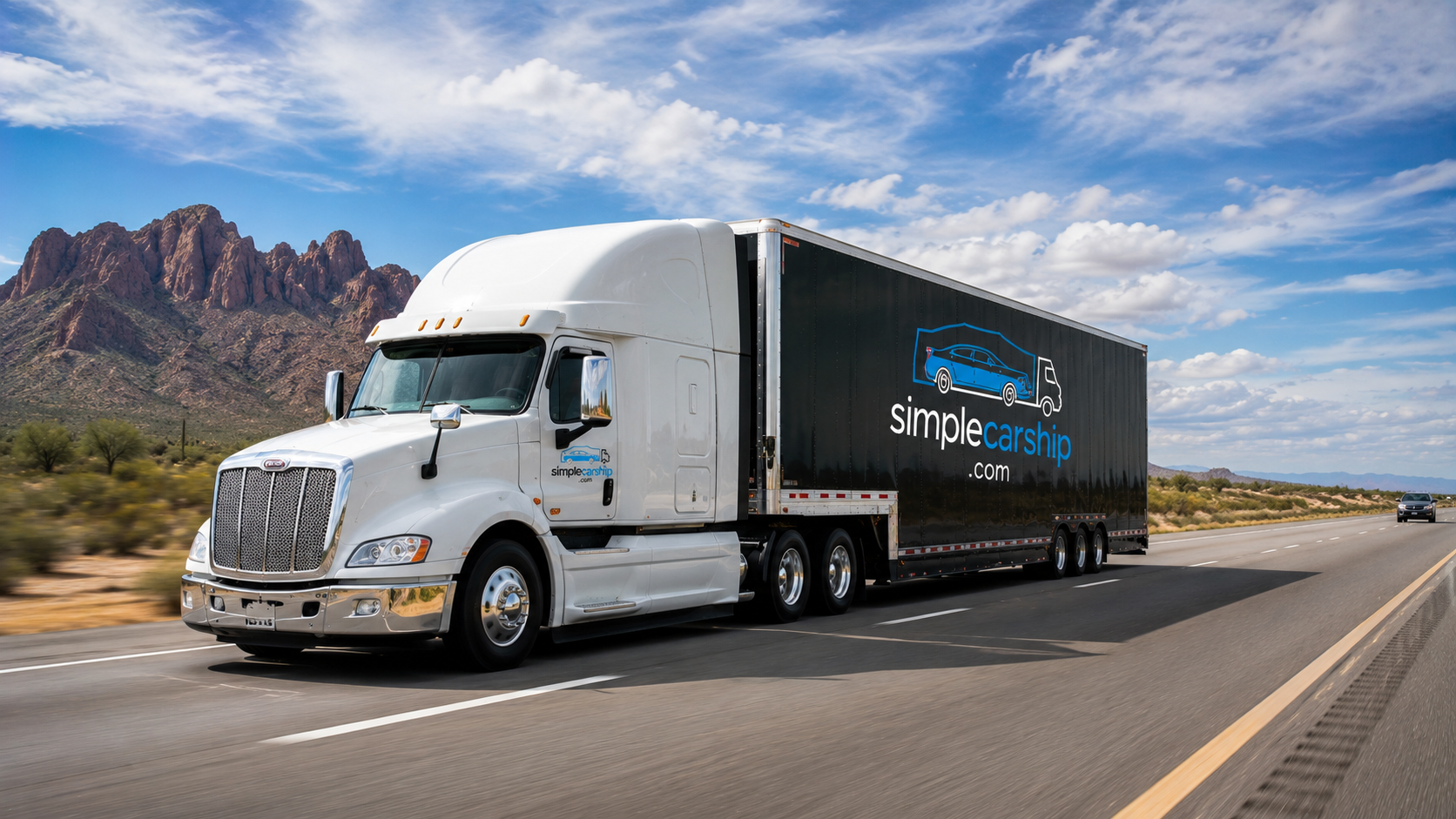
Timing plays a second role. Booking two weeks ahead gives dispatchers room to slot your car onto a carrier already heading west from the Mid-Atlantic, often saving $50–$75 compared to a rush order. If you need guaranteed pickup within 48 hours, expedited service runs around $1,100 for open transport—worth it when you’ve sold a vehicle with a firm closing date or need your car in Fort Wayne for a Monday start date. Enclosed transport jumps to $1,080–$1,315 because only about 5% of car-hauler traages run enclosed trailers, and those drivers prioritize high-value vehicles, classics, or luxury models that justify the premium protection.
Open vs. Enclosed Transport: Which Makes Sense for a 573-Mile Haul
Over 90% of Maryland-to-Indiana shipments move via open transport—the same multi-car trailers you see on highways every day. For a 573-mile route that takes 1–3 days, your vehicle spends less than 72 hours exposed to road spray and weather, making open carriers a sensible, cost-effective choice for daily drivers, recent-model sedans, and most SUVs. The steel framework protects against side impacts, and professional drivers secure each vehicle with wheel straps and occasionally soft straps for luxury finishes. You save $400–$500 compared to enclosed, and transit times are often faster because open carriers outnumber enclosed units ten-to-one on Midwest routes.
Enclosed transport earns its premium when you’re moving a Porsche 911, a restored ’69 Camaro, a Tesla Model S Plaid, or any vehicle where a single paint chip costs hundreds to repair. The fully sided trailer shields your car from road debris, salt residue in early spring, and prying eyes at truck stops. Enclosed carriers also tend to haul fewer vehicles per load—typically two to seven instead of eight to ten—so handling is gentler and scheduling more personalized. If your car’s value exceeds $60,000 or holds irreplaceable sentimental worth, the $1,080–$1,315 enclosed rate buys measurable peace of mind over a short-haul route where weather exposure is minimal but protection is absolute.
| Feature | Open Transport | Enclosed Transport |
|---|---|---|
| Price (MD–IN) | $675–$820 | $1,080–$1,315 |
| Transit Time | 1–3 days | 1–3 days |
| Weather Protection | Minimal (open-air) | Complete (fully enclosed) |
| Best For | Daily drivers, SUVs, most sedans | Luxury, classic, exotic, high-value cars |
Pickup in Maryland and Delivery in Indiana
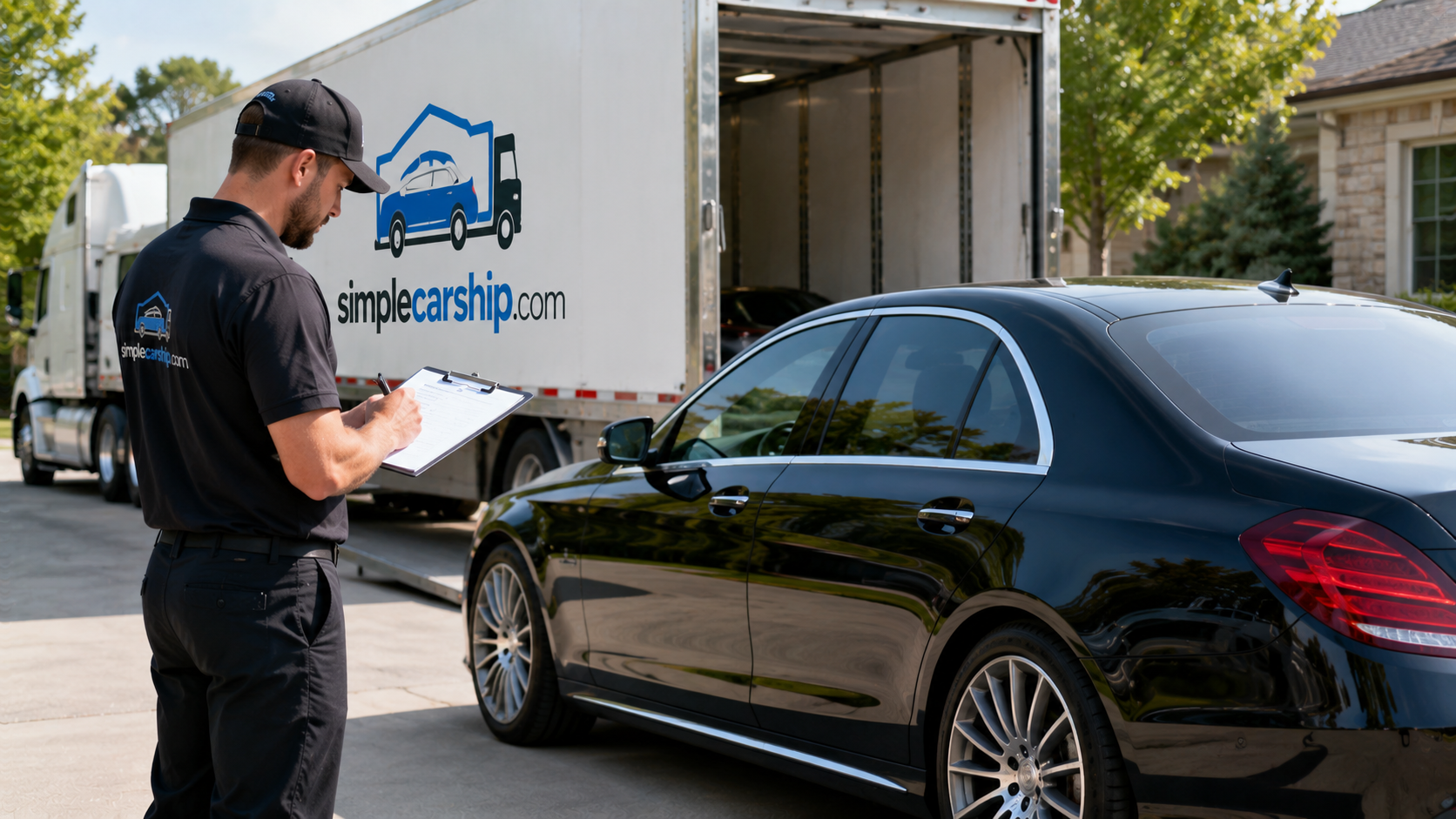
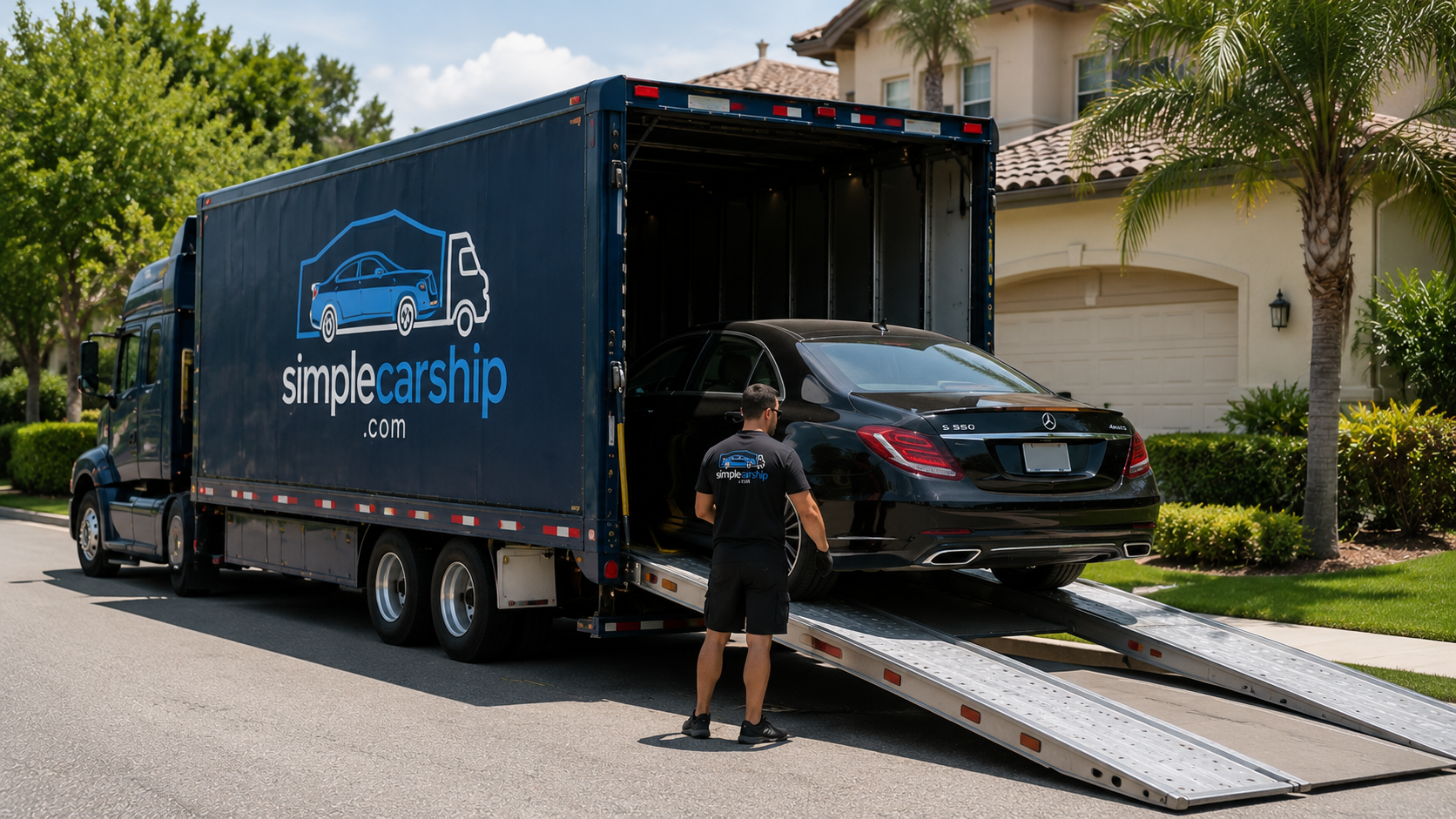
Most Maryland pickups happen in the Baltimore and Rockville metro areas, where I-95, I-695, and I-270 give carriers easy access whether you’re in Towson, Columbia, or Silver Spring. Door-to-door service works smoothly in residential neighborhoods with street parking for a 75-foot tractor-trailer, though narrow cul-de-sacs or tree-lined historic districts sometimes require a meetup at a nearby shopping center or park-and-ride lot. Drivers call 24 hours before arrival to confirm a two-to-four-hour window, and the loading inspection takes about ten minutes—you’ll document existing scratches, dents, or trim damage on a condition report that travels with your car.
On the Indiana end, Indianapolis and Fort Wayne anchor most deliveries. Indianapolis sits directly on I-70, so carriers finishing the run from Baltimore can deliver downtown, in Carmel, or out to Greenwood without detouring. Fort Wayne adds another 120 miles northeast on I-69, still accessible for full-size haulers but sometimes scheduled as a secondary stop if the driver is delivering multiple vehicles across northern Indiana. If you live in Bloomington, Evansville, or South Bend, expect delivery within the same 1–3 day window; rural addresses far from interstates may require meeting the truck in the nearest town with truck-safe roads. Communication is key—our dispatch team confirms delivery details 12–24 hours out so you’re never guessing when your car will arrive.
Transit Time and Scheduling for the Maryland–Indiana Corridor
The 573-mile run from Maryland to Indiana clocks in at 1–3 days transit time once your vehicle is loaded. Single-driver carriers often complete the journey in one long push—about nine hours of windshield time—delivering same-day or next-morning if pickup happens early in Baltimore. Team-driver operations or multi-stop loads stretch the window to two or three days, especially when the carrier delivers other vehicles in Pittsburgh or Columbus en route. Because this is a heavily trafficked lane along I-70 and I-68, you’ll rarely wait more than two to four days from booking to pickup, even during moderate-demand periods.
Maryland to Indiana sees steady year-round demand without the sharp seasonal swings of snowbird routes or summer college moves. Spring and early fall bring slight upticks as families relocate before school starts or after academic years end, but you won’t face the July peak that clogs I-95 coastal lanes or the January crush to Florida. Booking a week ahead is usually enough to lock in competitive pricing and your preferred pickup date. If you’re on a tight deadline—say, closing on a Maryland home Friday and starting a new job in Indianapolis Monday—expedited service at $1,100 guarantees a carrier assignment within 24–48 hours and prioritizes your delivery ahead of standard loads.
How Simple Car Ship Handles Your Maryland–Indiana Shipment
We don’t operate a call center where your inquiry becomes a lead number bounced between commission-hungry sales reps. When you request a quote for Maryland to Indiana, a real person on our dispatch team reviews current carrier availability on the I-70 corridor, checks your vehicle details and timing, and writes a transparent estimate using the $675–$820 or $1,080–$1,315 ranges you’ve seen here—no bait pricing, no hidden fees tacked on at pickup. Once you book, that same team member stays your point of contact, coordinating directly with the hand-selected carrier we assign to your load.
We vet every carrier for active FMCSA authority, current cargo insurance (minimum $100,000 per load for open, often $250,000+ for enclosed), and real-world track record on Midwest routes. Your shipment isn’t a load number; it’s a car you trust us to move 573 miles safely and on schedule. You’ll receive the driver’s name and phone number before pickup so you can coordinate directly for loading, and our team checks in at delivery to confirm everything arrived as documented. Clear quotes, real communication, no guesswork, no runaround—that’s how we’ve built a reputation in an industry infamous for the opposite. If you’re ready to ship your car the simple way, get a firm quote and reserve your spot by completing our online form or calling our dispatch line.
Frequently Asked Questions: Shipping a Car from Maryland to Indiana
- What’s the average cost to ship a car from Maryland to Indiana?
- Open transport averages $675–$820 for the 573-mile route between Baltimore and Indianapolis, while enclosed transport runs $1,080–$1,315. Larger vehicles like SUVs and trucks sit at the higher end; compact sedans land near the lower bound. Expedited service for guaranteed 48-hour pickup costs around $1,100 for open transport.
- How long does it take to ship a car from Baltimore to Indianapolis?
- Transit time is 1–3 days once your vehicle is loaded. Single-driver carriers often complete the 573-mile run in one day, while multi-stop loads or team operations may take two to three days. Pickup typically occurs within 2–4 days of booking during normal demand periods, so total door-to-door time averages 3–7 days.
- Is open or enclosed transport better for a Maryland–Indiana shipment?
- Open transport works well for daily drivers and most vehicles because the 573-mile route takes under 72 hours, limiting weather exposure. Enclosed makes sense for luxury, classic, or exotic cars where paint protection justifies the $400–$500 premium. Both options deliver in 1–3 days with similar transit times on this corridor.
- Can a car carrier reach my residential address in Rockville or Fort Wayne?
- Most residential streets in Rockville, Baltimore, Indianapolis, and Fort Wayne accommodate 75-foot car haulers if there’s street parking and overhead clearance. Narrow alleys, low tree branches, or tight cul-de-sacs may require meeting the driver at a nearby lot. Dispatch confirms access 24 hours before pickup and again before delivery.
- Do prices change depending on the time of year for this route?
- Maryland to Indiana pricing stays relatively stable year-round because it’s a steady corporate-relocation and personal-move lane without sharp seasonal peaks. Spring and early fall see modest demand increases, but you won’t face the summer spikes of college routes or winter snowbird surges. Booking one week ahead typically locks standard rates.