Louisiana to Florida: live carrier pricing
| Open transport (most vehicles) | $980 – $1,195 |
| Enclosed transport | $1,570 – $1,910 |
| Lane distance | 861 miles |
| Typical transit | 1–3 days |
Quoted from our carrier network on September 29, 2026 for a standard operable car, door to door.
Auto transport is a live market, so your exact price depends on vehicle size, timing and current truck availability on this lane.
How Much Does It Cost to Ship a Car from Louisiana to Florida?
Shipping a car from Louisiana to Florida typically costs between $970 and $1,180 for open transport, or $1,555 to $1,890 for enclosed service across the 861-mile route. Your final price depends on your pickup and delivery cities, the size and condition of your vehicle, seasonal demand, and how quickly you need it delivered. If you’re moving from New Orleans to Miami or Baton Rouge to Tampa, understanding what drives these numbers helps you plan accurately and avoid surprise fees.
Simple Car Ship gives you a clear, honest quote up front—no guessing games, no bait-and-switch pricing. Ship your car the simple way.
Get your instant car shipping price
Real quote in seconds — no spam, no runaround.
What Moves the Price When You Ship from Louisiana to Florida
The base cost reflects the 861-mile distance between major metros like New Orleans and Orlando, typical carrier fuel rates, and market demand along the I-10 corridor. But your specific quote will shift based on a handful of real factors. A lifted truck costs more to ship than a sedan because it occupies more vertical space on the carrier. Inoperable vehicles require a winch and extra labor, adding $150–$250 to your total. Pickup from a rural address in northern Louisiana or delivery to a barrier island on Florida’s Gulf Coast may add repositioning fees, while metro-to-metro runs—Baton Rouge to Jacksonville, for example—often land at the lower end of the range.
Timing matters, too. Booking two to three weeks ahead usually secures better rates than calling for next-day pickup, which pushes you into expedited territory at around $1,583 for open transport. Seasonal swings are mild on this route compared to snowbird lanes, but late spring and early summer see modest upticks as students and military families relocate. If your schedule allows flexibility on pickup dates, you’ll save money and give carriers more routing options.
Open vs. Enclosed Transport: Which Makes Sense for Louisiana to Florida
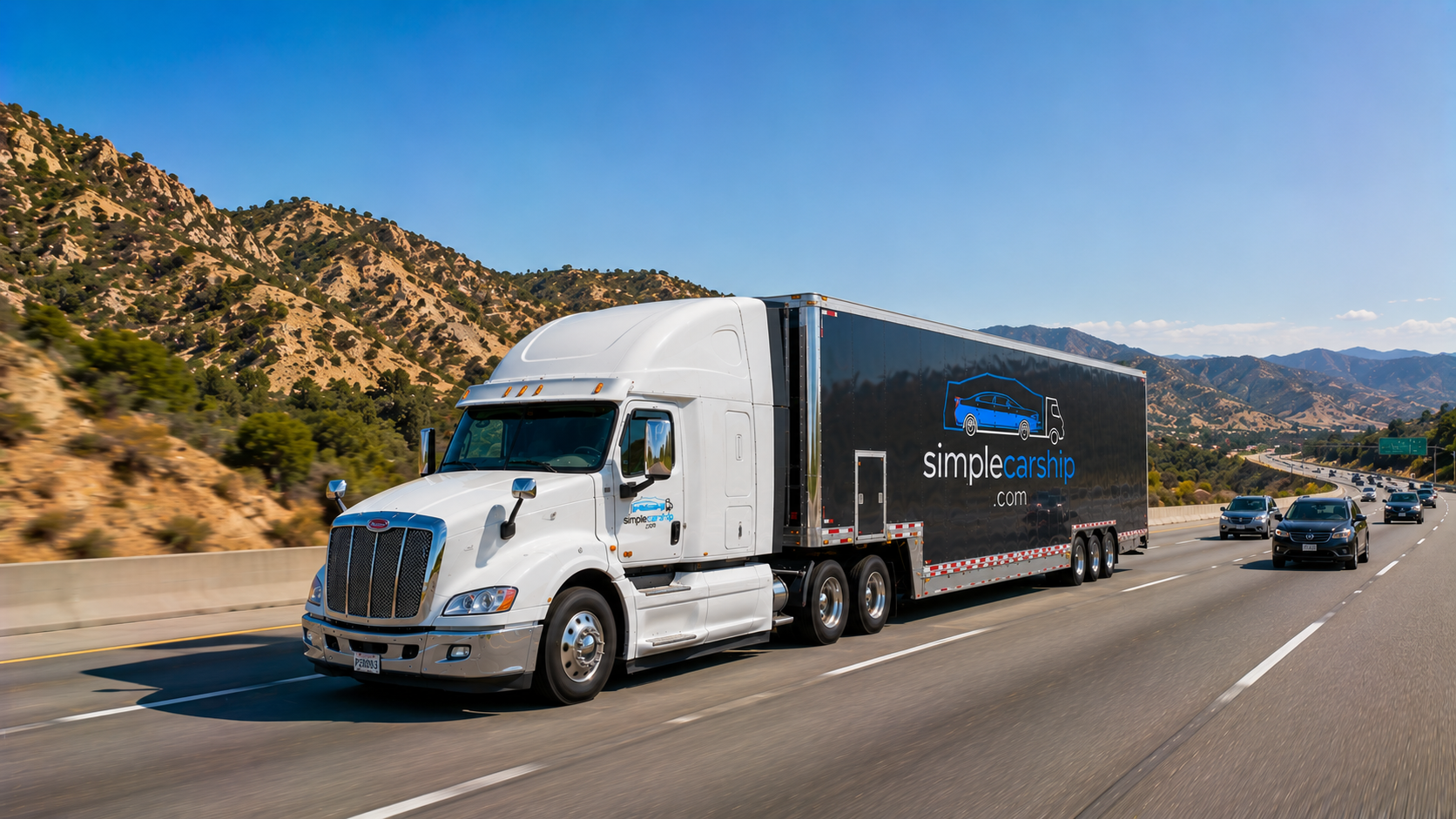
Open transport at $970–$1,180 is the standard choice for daily drivers, commuter cars, and most SUVs. Your vehicle rides on the same multi-level carriers that deliver new inventory to dealerships—fully insured, fully visible, exposed to weather but protected by the carrier’s liability coverage. For an 861-mile trip that takes one to three days, open transport is fast, affordable, and perfectly safe for the vast majority of vehicles.
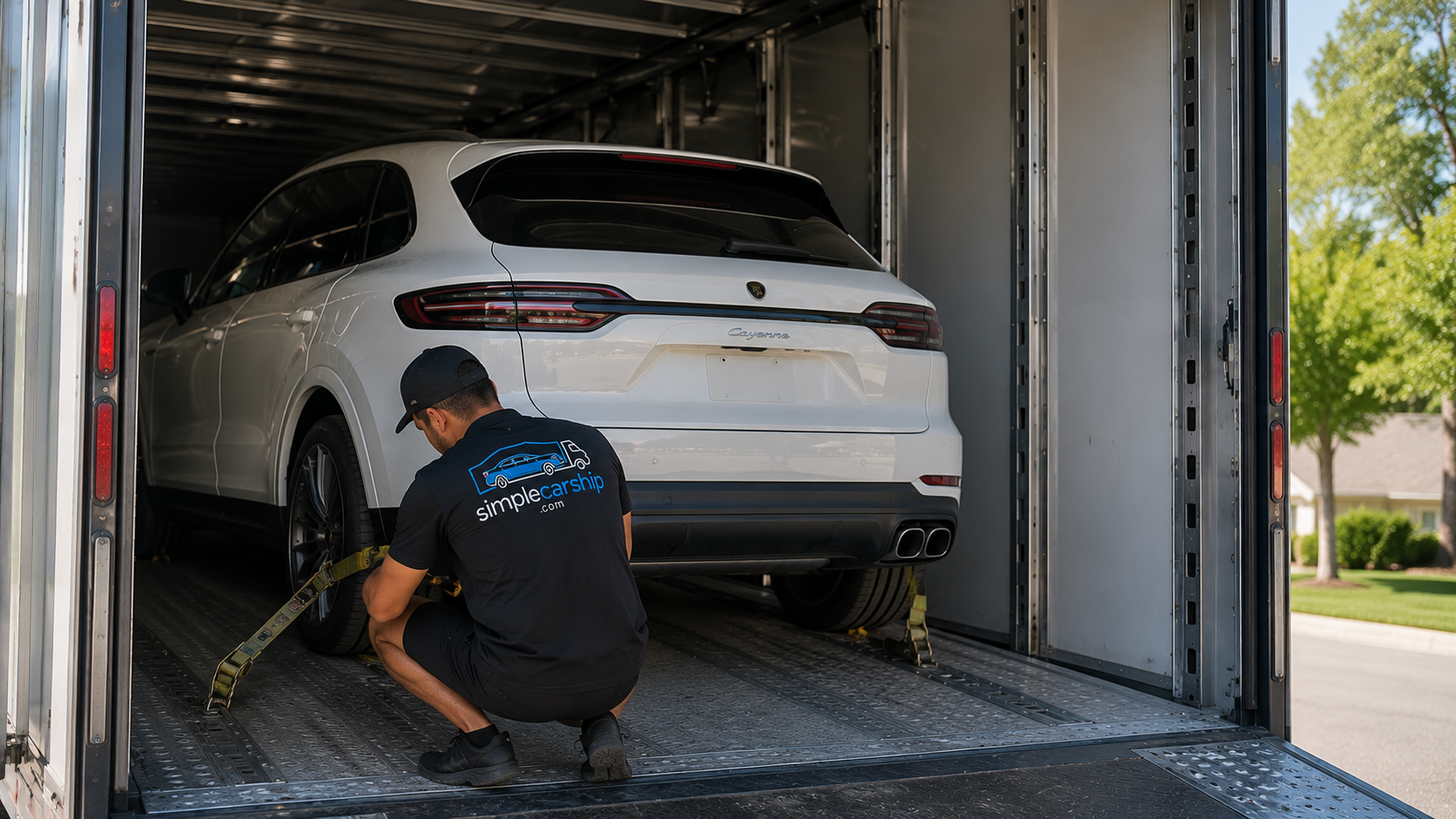
Enclosed transport at $1,555–$1,890 makes sense when you’re shipping a classic Corvette, a luxury sedan, a low-clearance exotic, or any vehicle where road spray and sun exposure carry real financial risk. The enclosed trailer shields your car from weather, road debris, and prying eyes. Collectors moving vintage muscle cars from Shreveport to Miami choose enclosed; families relocating a three-year-old Honda Accord choose open. Both options are fully insured—the difference is exposure during transit, not the level of care.
How Pickup and Delivery Work in Louisiana and Florida
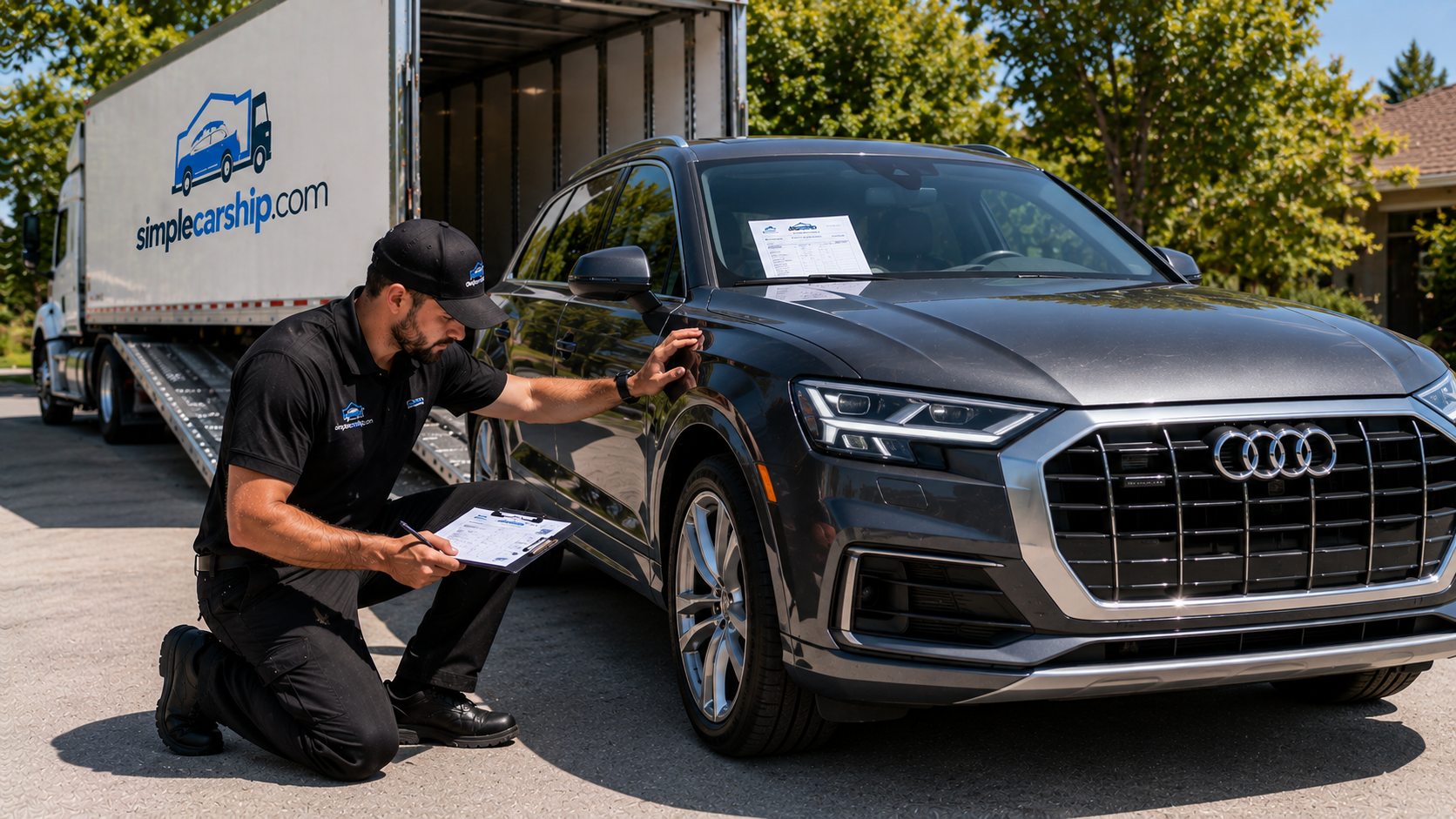
Carriers run regular routes between New Orleans, Baton Rouge, and Shreveport on the Louisiana side, and Miami, Orlando, Tampa, and Jacksonville in Florida. If you’re near any of these metros, door-to-door service is straightforward: the driver calls a day ahead, arrives with a full-size rig, and loads your car on-site. You inspect it together, sign the bill of lading, and receive a copy listing every existing scratch or dent. When the carrier reaches Florida, the delivery driver schedules a window, unloads at your address, and you inspect again before signing off.
Rural or residential-street pickups sometimes require a nearby meeting point—a grocery-store parking lot or highway pull-off—because a 75-foot tractor-trailer can’t navigate narrow lanes or low-hanging oak branches. Your driver will arrange that directly; it’s a five-minute inconvenience that saves repositioning fees. In Florida, gated communities and condo associations may require 48-hour notice and a guest pass; share those details when you book so the carrier can coordinate smoothly.
Transit Time and When Your Car Arrives
The 861-mile run from Louisiana to Florida takes one to three days, depending on the carrier’s current load, pickup sequence, and delivery density. A direct New Orleans–to–Miami run with only one or two other vehicles aboard can deliver in under 36 hours. A consolidated load that picks up in Shreveport, adds cars in Baton Rouge and Lake Charles, then delivers sequentially to Jacksonville, Orlando, and finally Tampa will stretch closer to the three-day mark.
Carriers don’t publish minute-by-minute ETAs like a pizza tracker; logistics shift as weather, traffic, and DOT hours-of-service rules play out. What you get instead is a pickup window (often two to three days wide) and a delivery estimate communicated once the vehicle is loaded. Most Louisiana–Florida shipments deliver within the quoted range. If you need guaranteed timing—say, you’re flying one-way and must have the car waiting—expedited service at $1,583 prioritizes your load and tightens the window, though even “guaranteed” dates come with force-majeure clauses for hurricanes or highway closures.
How Simple Car Ship Handles Your Louisiana–Florida Shipment
We don’t operate a call center where your quote gets flipped to the lowest bidder. When you request a quote, a real person reviews your route, checks current carrier availability between your specific cities, and sends you a transparent breakdown: open or enclosed, transit estimate, what’s included, what’s not. No runaround, no ghost pricing that doubles after you commit.
Once you book, we match your car with a hand-selected, fully insured carrier—verified FMCSA authority, active cargo coverage, and a track record on the I-10 and I-75 corridors. You get the driver’s contact info before pickup so you can coordinate directly. Your shipment isn’t a load number lost in a dispatch queue; it’s your vehicle, and we track it through delivery. Real human support, clear communication, no guessing games. That’s how we do it.
| Feature | Open Transport | Enclosed Transport |
|---|---|---|
| Cost (LA–FL) | $970–$1,180 | $1,555–$1,890 |
| Transit Time | 1–3 days | 1–3 days |
| Weather Protection | Exposed; fully insured | Enclosed; shielded from elements |
| Best For | Daily drivers, standard vehicles | Classics, luxury, exotics, low-clearance cars |
Ready to move your car from Louisiana to Florida without the runaround? Get a clear, honest quote in minutes and talk to a real person who knows this route.
Frequently Asked Questions
What does it cost to ship a car from New Orleans to Miami?
Open transport from New Orleans to Miami typically runs $970 to $1,180, while enclosed service costs $1,555 to $1,890. Both metros sit on high-traffic carrier routes, so door-to-door service is standard. Larger vehicles, inoperable cars, or expedited timelines will push your quote toward the higher end of the range or into the express tier at around $1,583.
How long does it take to ship a car from Louisiana to Florida?
Transit takes one to three days across the 861 miles, depending on the carrier’s routing and how many stops precede your delivery. A direct load from Baton Rouge to Tampa can arrive in under two days, while a consolidated pickup in Shreveport with multiple Florida deliveries may stretch to three days. Carriers confirm delivery windows once your vehicle is loaded.
Is my car insured during transport from Louisiana to Florida?
Yes. Every licensed carrier holds federal cargo liability coverage, typically $100,000 minimum per load and often much higher. You’ll receive the carrier’s insurance certificate and policy details before pickup. Inspect your vehicle carefully at both pickup and delivery, document the condition on the bill of lading, and report any new damage immediately to file a claim if needed.
Can I ship a non-running car from Louisiana to Florida?
Absolutely. Inoperable vehicles require a winch to load and unload, which adds $150 to $250 to your base quote. Let the broker know during booking whether the car rolls, steers, and brakes, or if it’s completely dead. Carriers plan extra time and equipment for non-runners, so accurate disclosure prevents delays and surprise fees when the driver arrives.
Do I need to be present for pickup and delivery?
Yes, or you can designate someone age 18 or older to act on your behalf. That person will inspect the vehicle with the driver, sign the bill of lading, and hand over the keys at pickup; at delivery, they’ll inspect again, note any changes, sign off, and collect the keys. The bill of lading is your legal record, so whoever signs should review it carefully.