Kansas to Florida: live carrier pricing
| Open transport (most vehicles) | $1,215 – $1,480 |
| Enclosed transport | $1,945 – $2,365 |
| Lane distance | 1,626 miles |
| Typical transit | 3–5 days |
Quoted from our carrier network on September 29, 2026 for a standard operable car, door to door.
Auto transport is a live market, so your exact price depends on vehicle size, timing and current truck availability on this lane.
How Much Does It Cost to Ship a Car from Kansas to Florida?
Shipping a car from Kansas to Florida typically costs between $1,085 and $1,320 for open transport, or $1,730 to $2,110 for enclosed transport across the 1,626-mile route. The final price depends on your vehicle type, the carrier method you choose, your exact pickup and delivery locations, and current carrier availability along the I-70 and I-75 corridors that connect the Midwest to the Southeast.
Transit time runs 3–5 days door-to-door from metros like Wichita, Overland Park, or Topeka to Miami, Orlando, Tampa, or Jacksonville. Below, we’ll break down exactly what moves the price, which transport method makes sense for your situation, and how Simple Car Ship keeps the process transparent from quote to delivery.
Get your instant car shipping price
Real quote in seconds — no spam, no runaround.
What Determines the Cost of Kansas-to-Florida Car Shipping
The 1,626-mile distance is the foundation, but several variables shift the final number within those ranges. Vehicle size and weight matter—a compact sedan sits at the lower end of the $1,085–$1,320 open-transport bracket, while a full-size SUV or crew-cab truck pushes toward the higher figure because it occupies more carrier deck space and adds weight. Seasonal demand on this route stays fairly steady year-round; Kansas doesn’t see the pronounced snowbird migration patterns of northern states, though late spring and early fall remain the busiest windows for interstate moves when college students relocate and corporate transfers cluster.
Pickup and delivery specifics also adjust the price. Carriers run regular routes along I-70 through Kansas and then south via I-75 or I-95 into Florida’s major metros. If you’re shipping from Wichita, Overland Park, or Topeka to Miami, Orlando, Tampa, or Jacksonville, you’re on high-frequency lanes with competitive pricing. A rural pickup outside these corridors—say, a farm near Goodland or a small town in the Flint Hills—may add $75–$150 because the carrier dispatches a smaller truck or makes an extra stop off the main artery. Similarly, enclosed transport commands a 60–65% premium over open because enclosed trailers carry fewer vehicles (typically six to seven versus eight to ten on an open rig), and demand from classic-car owners and luxury-vehicle buyers keeps capacity tight.
Open vs. Enclosed Transport for the Kansas–Florida Route
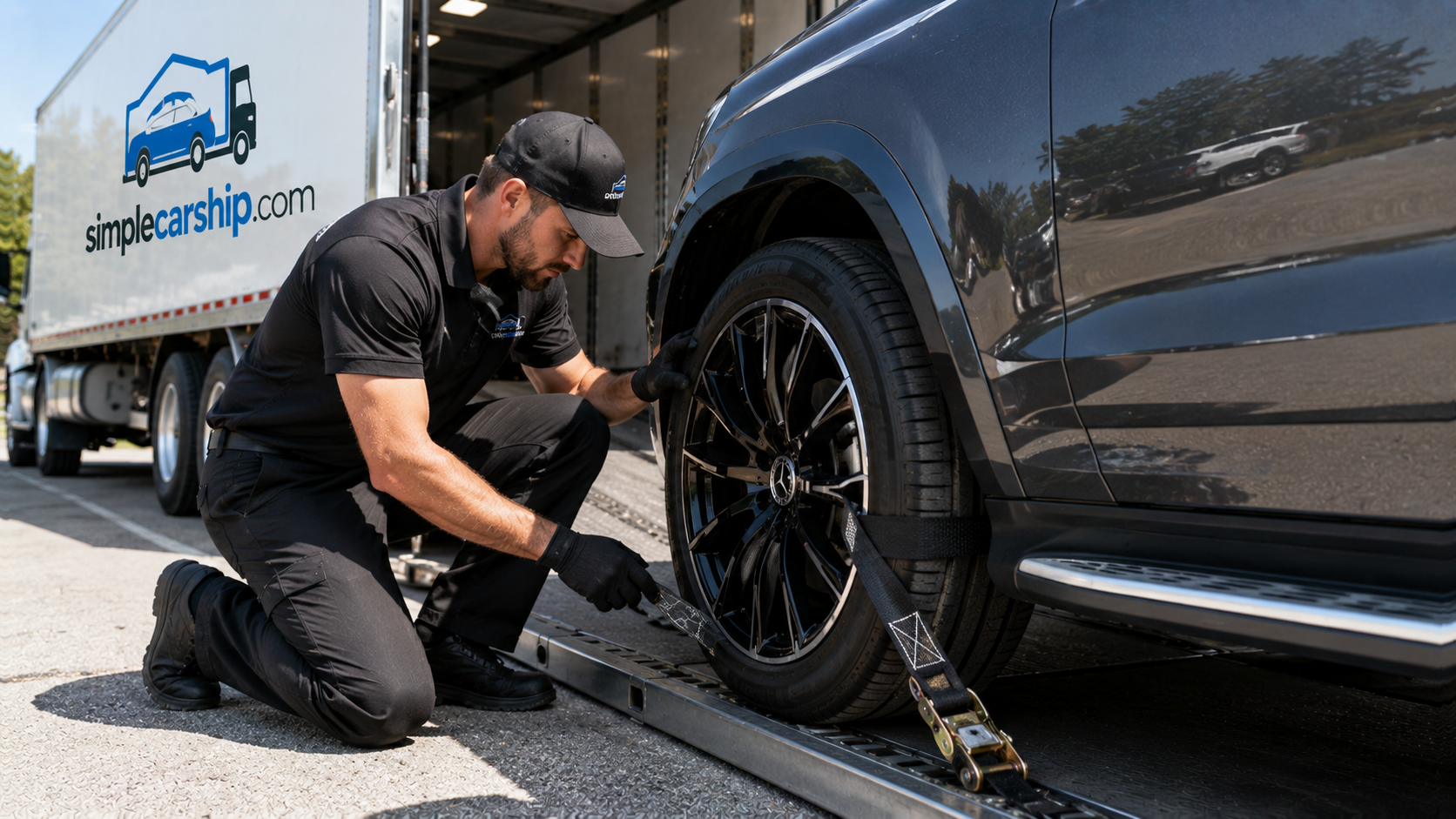
Open transport at $1,085–$1,320 is the workhorse choice for daily drivers, leased vehicles, and any car you’d park outside at home. The trailer design—an open two-level car carrier—exposes your vehicle to road spray and weather, but carriers secure each car with wheel straps and conduct pre-trip inspections. For a route that crosses Oklahoma, Arkansas or Texas, then dips through Georgia into Florida, you’ll encounter rain and highway grit but nothing that normal use wouldn’t subject the car to anyway. Open is faster to book because roughly 90% of carrier capacity runs open decks, and spring or fall availability remains strong along this corridor.
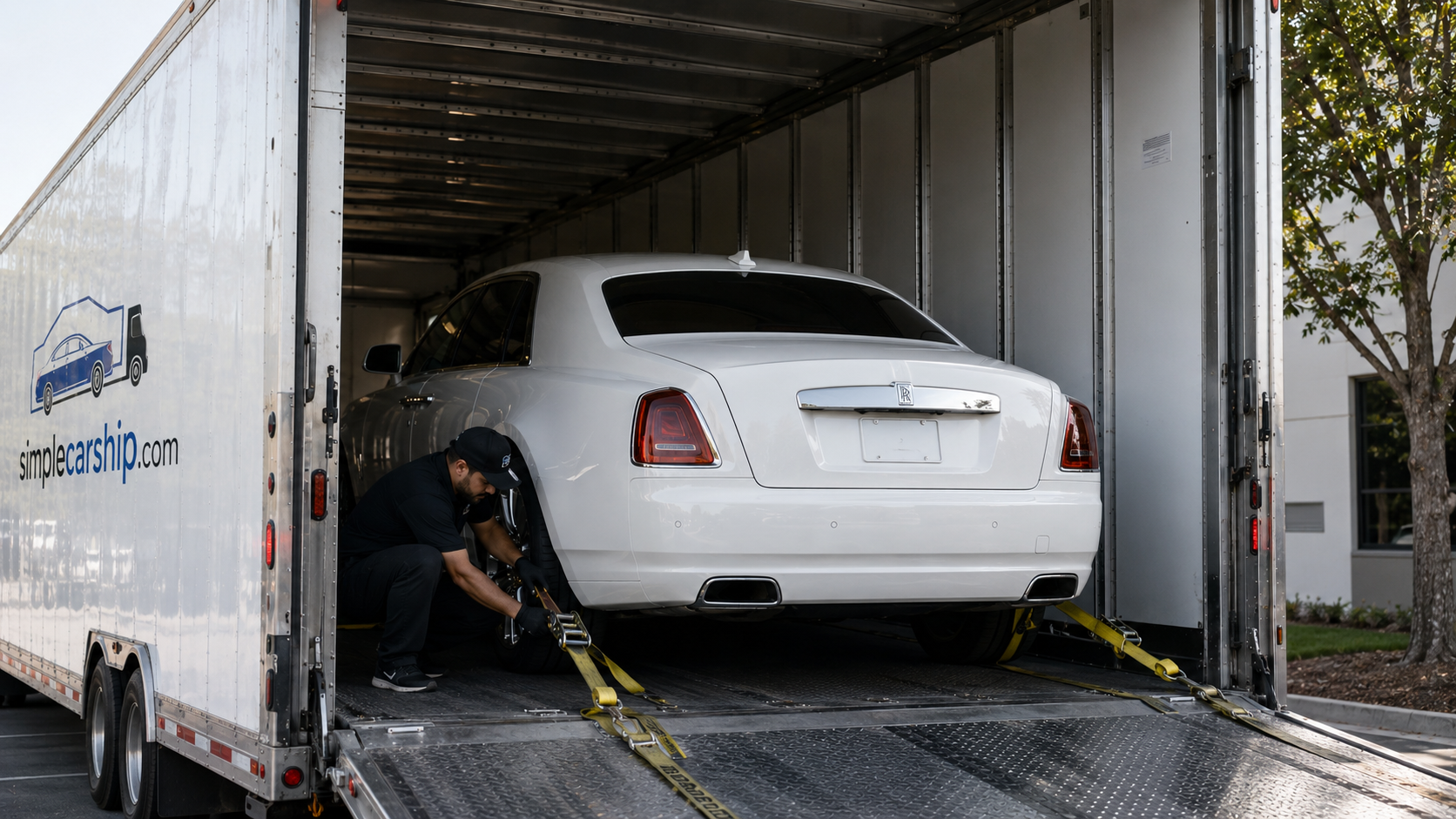
Enclosed transport at $1,730–$2,110 makes sense when the vehicle’s value—financial or sentimental—justifies the extra cost. Classic muscle cars, European sports cars, luxury sedans, and collector vehicles all benefit from the hard-sided trailer that shields paint and trim from road debris and weather. Enclosed carriers also tend to haul fewer vehicles per load, so your car rides with less frequent loading and unloading. If you’re moving a restored ’67 Camaro from a Topeka garage to a Miami collector, or delivering a new Mercedes from Overland Park to a buyer in Naples, enclosed is the standard. For a three-year-old Honda or Toyota making a family relocation, open transport is perfectly appropriate and saves you $600–$800.
| Factor | Open Transport | Enclosed Transport |
|---|---|---|
| Price (KS–FL) | $1,085–$1,320 | $1,730–$2,110 |
| Transit Time | 3–5 days | 3–5 days |
| Protection Level | Weather-exposed; secure tie-downs | Fully enclosed hard sides |
| Best For | Daily drivers, leased vehicles, standard sedans/SUVs | Classics, luxury, high-value, show cars |
Pickup and Delivery Logistics Across Kansas and Florida
Kansas pickup concentrates in the Wichita, Overland Park, and Topeka metro areas, where carriers run frequent loops connecting to the I-70 and I-35 interchange. Wichita sits at the intersection of US-54 and I-135, making it a natural hub for southbound loads heading toward Oklahoma City and Dallas before angling east. Overland Park and the greater Kansas City metro straddle the Kansas–Missouri line, offering the highest carrier density in the state; if you’re within the I-435 loop, door-to-door pickup is standard with no mileage surcharge. Topeka, forty miles west on I-70, also sees regular service. Rural pickups—think Dodge City, Hays, or small towns in the Flint Hills—require either a meet-point at a truck stop along I-70 or a secondary dispatch, which can add a day to the schedule and $75–$150 to the quote.
Florida delivery spreads across four major metros. Miami and Fort Lauderdale anchor the southeast coast along I-95; Orlando sits at the I-4 crossroads in the center; Tampa and St. Petersburg serve the Gulf Coast; and Jacksonville handles the northeast corner near the Georgia line. Carriers often consolidate Florida-bound loads in Atlanta, then split routes south via I-75 (toward Tampa, Naples, or Fort Myers) or I-95 (toward Jacksonville, Daytona, and Miami). If your destination is within twenty miles of these metros, expect seamless curbside delivery. Deliveries to the Keys, the Panhandle, or rural counties may require a meet-point or an additional transfer, adding half a day and a modest fee. Clear communication during booking—exact addresses, any HOA gate codes, and street width for a seventy-five-foot truck—prevents last-minute complications.
Transit Time and Scheduling: What to Expect
The 1,626-mile Kansas-to-Florida haul takes 3–5 days in most cases. Day one covers pickup and the run through Oklahoma or Missouri; day two pushes through Arkansas or eastern Texas into Louisiana or Mississippi; day three crosses Alabama or the Florida Panhandle; and days four or five complete delivery into your Florida metro. Enclosed carriers sometimes add a day because they make fewer simultaneous pickups, prioritizing vehicle security over speed, but the range remains 3–5 days for both methods.
Booking lead time affects both price and certainty. Ordering two weeks ahead gives dispatchers time to slot your car onto a carrier already running the route, locking in the lower end of the price range. Last-minute requests—inside seventy-two hours—trigger premium pricing or require expedited dispatch; if you need guaranteed pickup tomorrow, expect to pay the $1,766 express rate for open transport, roughly 30–35% above standard pricing. Weather disruptions are rare on this route outside of hurricane season (June through November), when Gulf Coast closures can delay Florida deliveries by a day or two. Ice storms in Kansas during January or February occasionally halt I-70 traffic, but carriers reschedule rather than risk unsafe travel. Simple Car Ship monitors weather and provides real-time updates if conditions change your timeline.
How Simple Car Ship Handles Your Kansas–Florida Shipment
We built Simple Car Ship because the industry norm—automated quotes, silent dispatchers, and your car becoming “load #247″—fails the moment something changes. You get a real human contact from quote to delivery, someone who knows your route, has vetted the carrier’s safety record and insurance, and answers when you call. We hand-select carriers with active FMCSA authority, current cargo insurance (minimum $1,000,000 coverage), and clean inspection histories. No bulk load-boards, no blind assignments.
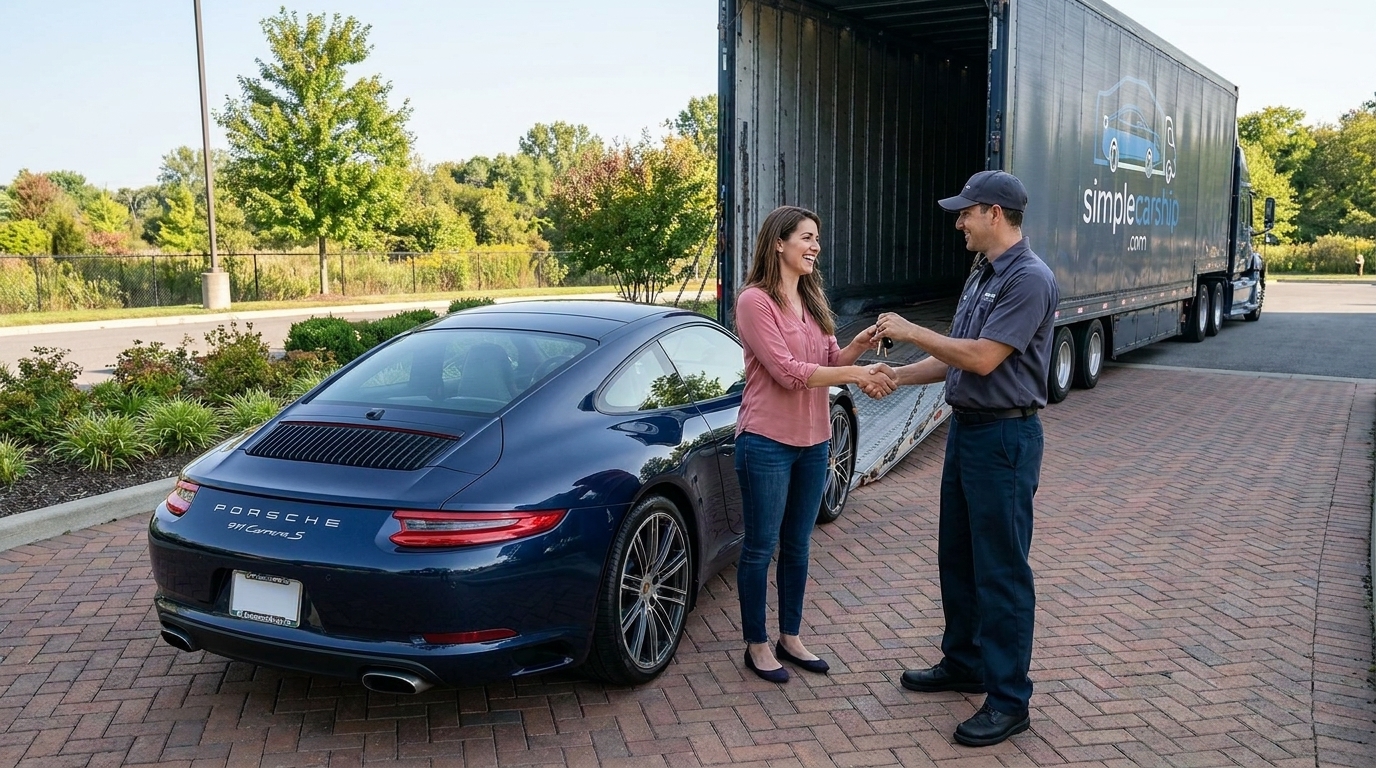
Here’s the process: request a quote with your vehicle details and addresses; we return a firm price (within those $1,085–$1,320 or $1,730–$2,110 ranges) and available pickup windows, usually within an hour. Once you book, we assign the carrier and send you the driver’s name, truck number, and phone contact twenty-four hours before pickup. The driver inspects your car with you—documenting existing scratches, dents, or chips on a condition report you both sign—then loads and secures it. You receive a call or text when the car departs Kansas, a mid-transit update, and a heads-up several hours before Florida delivery. At drop-off, you inspect again, compare the condition report, and sign release. Clear quotes. Real communication. No guesswork, no runaround. Your shipment isn’t a load number.
Ready to move your car from Kansas to Florida the simple way? Get a clear, no-obligation quote now—real numbers, real humans, real peace of mind.
Frequently Asked Questions: Shipping a Car from Kansas to Florida
How much does it cost to ship a car from Kansas to Florida?
Open transport costs $1,085–$1,320 for the 1,626-mile route, while enclosed transport runs $1,730–$2,110. Prices vary by vehicle size, exact pickup and delivery locations, and booking lead time. Compact sedans land at the lower end; full-size SUVs or trucks push toward the higher figures.
How long does Kansas-to-Florida car shipping take?
Transit time is 3–5 days from Kansas metros like Wichita, Overland Park, or Topeka to Florida destinations including Miami, Orlando, Tampa, or Jacksonville. Enclosed carriers occasionally add one day due to fewer simultaneous pickups, but the standard window remains 3–5 days for both methods.
Should I choose open or enclosed transport from Kansas to Florida?
Choose open transport ($1,085–$1,320) for daily drivers and standard vehicles you’d park outside at home. Choose enclosed transport ($1,730–$2,110) for classics, luxury cars, or high-value vehicles where protecting paint and trim from road debris and weather justifies the 60% premium.
Do rural Kansas or Florida locations cost more to ship from?
Yes. Pickups outside Wichita, Overland Park, or Topeka—such as Dodge City or small Flint Hills towns—and deliveries beyond Miami, Orlando, Tampa, or Jacksonville may add $75–$150 and an extra day because carriers dispatch smaller trucks or arrange meet-points off primary interstate routes.
Can I get expedited shipping from Kansas to Florida?
Yes. Expedited open transport costs approximately $1,766 and guarantees pickup within 24–48 hours, roughly 30–35% above standard pricing. This option works when you need urgent delivery; standard two-week lead time keeps costs at the $1,085–$1,320 open-transport range and ensures better carrier availability.